A Light-Based Approach to Healing
Cold laser therapy is a non-invasive treatment that applies low-intensity light to a targeted area. Also called low-level laser therapy or photobiomodulation, it is intended to influence cellular activity without heating or cutting tissue. Providers may discuss it as one option in musculoskeletal care, including care for pain or mobility concerns, but proposed effects do not guarantee an individual result. Research findings vary by condition and treatment approach, and questions remain about how best to apply it. A review of low-level laser therapy for musculoskeletal pain describes potential effects while noting differences in protocols and study results.
This article explains how treatment is delivered, what research can and cannot establish, and why an individual assessment matters. At glenwoodchiro.com, care focuses on non-invasive musculoskeletal treatment, including chiropractic adjustments and therapies for pain relief and mobility restoration. A qualified provider can consider your symptoms, health history, and goals when discussing whether cold laser therapy may fit within a broader care plan.
What Cold Laser Therapy Means
 Cold laser therapy, also called low-level laser therapy (LLLT) or photobiomodulation, directs selected wavelengths of low-intensity light at tissue. The term “cold” distinguishes it from surgical lasers: treatment is not intended to cut tissue or noticeably heat it.
Cells absorb the light, which may influence signaling related to pain, inflammation, and tissue repair. These proposed effects remain under study, and a biological response does not guarantee symptom relief. Research reviews describe possible benefits for some musculoskeletal conditions while noting that results depend on the condition and treatment protocol, and that findings are not uniform (review of LLLT for musculoskeletal pain).
For back, joint, or soft-tissue concerns, cold laser may be considered as a non-invasive addition to individualized care, not a stand-alone fix or replacement for an assessment. At Glenwood Springs, glenwoodchiro.com focuses on non-invasive musculoskeletal care, including chiropractic adjustments and therapies intended to support pain relief and mobility. A qualified clinician can discuss whether light therapy fits a person’s symptoms and broader care goals.
For a plain-language overview of the treatment and its limitations, see Healthline’s explanation of cold laser therapy.
What Research Says About Pain Relief
 Cold laser therapy may ease pain for some musculoskeletal conditions, but the evidence does not show consistent results across diagnoses or patients. Reviews describe possible short-term relief in some cases, while findings differ among studies and do not establish dependable, lasting benefit for every type of pain. A review of low-level laser therapy for musculoskeletal pain also notes that outcomes vary across conditions and treatment protocols.
Comparisons are difficult because studies use different wavelengths, doses, devices, treatment schedules, and control methods. Some reports do not describe treatment settings fully, making it harder to judge whether different trials tested similar approaches. A review of the research on low-level laser therapy for musculoskeletal pain highlights these differences and calls for further well-designed studies.
Researchers have proposed that light may affect cellular signaling and energy production. These explanations are still under study, and a possible biological mechanism does not prove that patients will experience pain relief. FDA authorization for certain uses, where applicable, also does not establish effectiveness for every diagnosis or replace an individualized assessment.
At Glenwood Springs, Glenwoodchiro.com’s focus on non-invasive musculoskeletal care provides a setting to discuss cold laser therapy alongside other appropriate options, rather than treating it as a stand-alone answer. A plan may include movement, exercise, or manual care, depending on the person’s symptoms and goals. Progress should be reassessed with a qualified clinician, who can consider whether the treatment is helping and whether the plan needs to change. For a concise overview of the research and its limits, see this review of low-level laser therapy for pain.
Potential Uses for Back and Joint Pain
At Glenwood Springs, care for back and joint symptoms can include chiropractic adjustments and other non-invasive approaches focused on pain relief and mobility. Low-level laser therapy may also be considered for muscular back or neck pain, strains and sprains, tendon complaints, and knee pain associated with osteoarthritis. These are studied or reported uses, not evidence that treatment will work for every person or diagnosis. A review of musculoskeletal pain research describes possible benefits while noting that treatment methods and findings vary.
For knee osteoarthritis, some studies report improvements in pain, stiffness, or function. Reviews have also found inconsistent results, in part because studies differ in their treatment methods and often do not report laser dose consistently. A review of laser therapy for osteoarthritis discusses these findings without establishing a reliable result for every patient.
The first step is to assess what is causing the symptoms, since pain can have different sources and may call for different care. A clinician can discuss whether cold laser therapy is suitable and monitor how symptoms respond. If used, it is best considered alongside an appropriate rehabilitation plan, which may include exercise or manual therapy, rather than as a replacement for diagnosis or other needed care. At Glenwood Springs, chiropractic adjustments and therapies for mobility restoration provide a broader care context for that discussion.
Safety and Possible Side Effects
 Cold laser therapy is generally described as well tolerated, but that does not mean it is risk-free. Research on adverse effects is limited, and a person may notice temporary discomfort or a short-lived change in symptoms. Safety findings from small or anecdotal reports cannot establish that the treatment is safe for everyone.
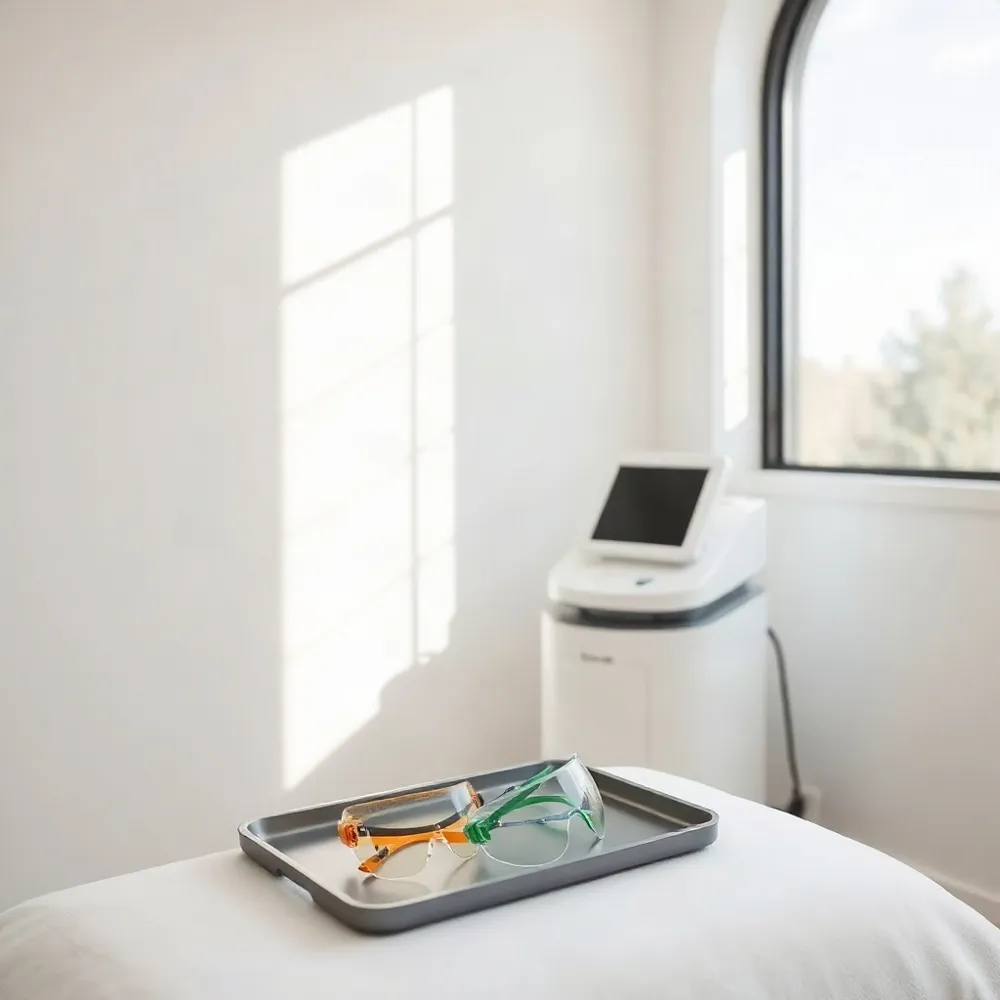
Eye protection is an essential precaution. Laser beams should never be directed at the eyes, and the patient and everyone else in the treatment area should wear appropriate protective eyewear. A review of low-level laser therapy discusses eye safety alongside other precautions, while also noting that results and protocols vary across studies (LLLT safety review.
Risk can depend on the device, its settings, the area treated, and the clinician’s protocol. Tell the clinician about pregnancy, cancer in or near the proposed treatment area, epilepsy or photosensitivity, medications that increase sensitivity to light, and other relevant health conditions. These details help determine whether treatment is appropriate and what precautions are needed.
At Glenwood Springs, care can be considered within a broader, non-invasive approach to musculoskeletal pain and mobility, rather than treated as a substitute for assessment. Ask a qualified clinician about risks specific to your health and treatment plan, and contact them if discomfort or symptoms change after a session. More on safety and possible side effects can help frame those questions.
When to Seek Medical Advice First
Cold laser therapy is not suitable for everyone. Whether it is appropriate depends on the device, the area being treated, your health history, and medications. Before treatment, tell the clinician about relevant conditions, medicines, and recent changes in your health. At Glenwood Springs, care is centered on non-invasive musculoskeletal treatment, so discussing your circumstances helps keep decisions about any proposed therapy personal rather than automatic.
If you are pregnant, seek medical advice before treatment, especially when the planned area is on or near the abdomen or pelvis. Avoid treatment over a suspected or known cancer site unless your treating medical professional has determined it is appropriate. The low-level laser therapy review advises against treating directly over a developing fetus or known cancer site, while noting that these decisions require clinical judgment.
Never allow a laser beam to be directed at your eyes. Follow the clinician’s instructions and use protective eyewear when advised. Ask a qualified clinician whether treatment is suitable if a condition may affect skin sensation or healing, since you may not notice irritation or injury as readily. For a broader discussion of personal suitability and when to pause care, see guidance on seeking medical advice first.
Treatment Sessions and Progress Checks
The number and spacing of cold laser therapy sessions depend on the condition, the treatment protocol, and how a person responds. Research and clinical sources describe different schedules, but these are examples rather than prescriptions for everyone. A clinician should recommend a plan based on your symptoms and goals. For more on why treatment schedules vary, see guidance on setting session frequency and dose.
A visit may begin with an assessment of the area being treated. The provider then applies a handheld device to the target. Many people feel little or nothing, though mild warmth or tingling is possible. Sessions can take a few minutes, with the length depending on the treatment area and protocol. Descriptions of cold laser therapy also note that treatment is generally noninvasive and brief.
Results do not follow a fixed timetable. Some people notice a change after several sessions; for others, improvement may take longer or may not occur. At Glenwood Springs, care is centered on musculoskeletal symptoms, pain relief, and mobility, so progress can be discussed in terms of both symptoms and everyday function rather than an assumed visit count.
During care, ask your clinician to check whether symptoms and function are changing. The plan can be adjusted if progress is limited, and treatment may be stopped if it is not helping. There is no guaranteed timeline or number of visits that works for everyone.
Cold Laser and Red Light Compared
Cold laser therapy and red light therapy can overlap: both may use red or near-infrared light in photobiomodulation, the term for light interacting with tissue to produce biological responses. “Red light therapy” is also used broadly, so the names alone may not clearly describe a treatment. Cold laser and red light therapy can involve similar colors of light while using different devices or protocols.
Cold laser devices use laser light, while red-light devices may use LEDs. Wavelength, power, the area treated, and the dose delivered can vary between devices and affect how treatment is applied. “Cold” refers to light intended not to heat tissue, not to a different color.
A higher power rating or a particular label does not establish that a treatment will work better. Research describes differences in wavelength and dose as factors that can make results difficult to compare, and evidence varies by condition and protocol in studies of low-level laser therapy. At Glenwood Springs, Glenwoodchiro.com’s patient-centered musculoskeletal care includes chiropractic adjustments and other non-invasive approaches; a qualified clinician can discuss whether a light-based treatment fits alongside care focused on pain relief and mobility.
Before treatment, ask which type of device is used, what its specifications are, how safety is addressed, and why the approach is relevant to your symptoms and care plan. The treatment name alone is not enough to judge suitability.
Keep Expectations Individual
Cold laser therapy is a non-invasive light-based option that may have a place in care for some musculoskeletal concerns. Its effects are not established equally across conditions, and differences in treatment methods make results hard to predict. A review of the research describes both potential uses and limits in the evidence, so treatment should not be viewed as a guaranteed fix (review of low-level laser therapy for musculoskeletal pain).
Before starting, discuss your symptoms, health history, goals, and the device and treatment approach with a qualified clinician. Ask how progress will be assessed and when the plan should be reconsidered if your symptoms do not change. The Healthline overview of cold laser therapy also advises consulting a medical professional because research and treatment protocols remain under study.
At Glenwood Springs, chiropractic adjustments and other non-invasive musculoskeletal care can be considered in relation to pain relief and mobility goals. Cold laser, when appropriate, is best understood as one possible part of a broader, individualized care plan, not a substitute for diagnosis or other needed treatment.