A Light-Based Option for Pain
Cold laser therapy, also called low-level laser therapy, uses low-intensity light applied to an area of concern. Unlike surgical lasers, it is not intended to cut tissue. Researchers and clinicians have studied it for musculoskeletal pain, though evidence and results vary by condition and person.
For people managing back discomfort, sports injuries, or restricted movement, it may be considered alongside other conservative care, rather than as a stand-alone fix. At glenwoodchiro.com, care centers on non-invasive musculoskeletal treatment, including chiropractic adjustments and therapies for pain relief and mobility restoration. A clinician can assess symptoms, health history, and goals to decide whether light therapy fits an individualized plan.
How Cold Laser Therapy Is Used
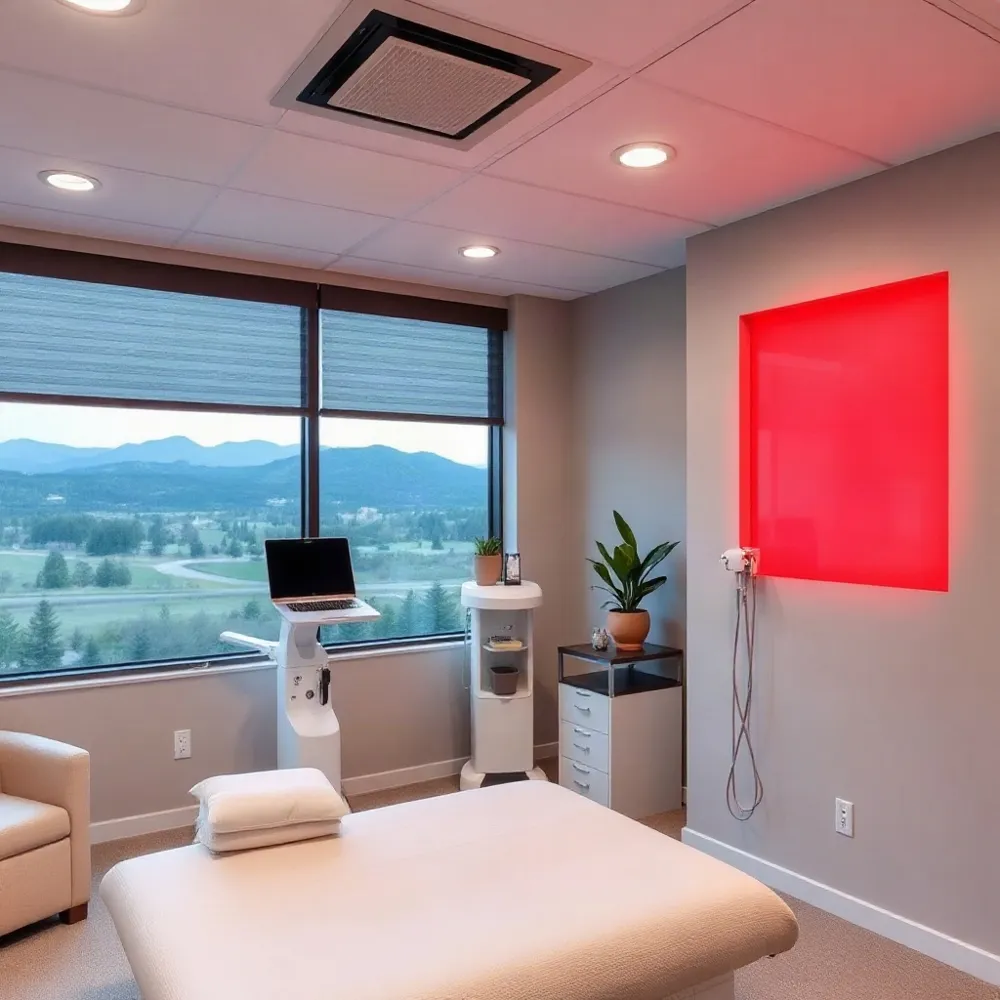 Cold laser therapy, also called low-level laser therapy or photobiomodulation, applies low-intensity red or near-infrared light to the skin. Unlike a surgical laser, it is not intended to cut tissue or create a heating effect.
During a session, a clinician directs a handheld device over the area being treated for a short period. The light is intended to interact with cellular processes linked to inflammation, pain signaling, and tissue repair. These proposed effects help explain why the treatment is studied, but they do not guarantee that a person will feel better.
Research has examined low-level laser therapy for muscle strains, tendon irritation, joint discomfort, arthritis-related pain, carpal tunnel syndrome, and some neck and back pain. Findings vary by condition, and evidence remains limited or inconsistent for some uses. A review of the research describes possible benefits in certain applications while noting conflicting results and the need for better studies and more consistent treatment methods in its evaluation of low-level laser therapy.
At Glenwood Springs, care can be considered in the context of non-invasive musculoskeletal treatment, including chiropractic adjustments and other therapies aimed at pain relief and mobility. A clinician may pair light therapy with exercise, physical therapy, or other conservative care when appropriate. It should not replace assessment of the cause of pain or other recommended treatment.
For a person with persistent or recurring symptoms, the practical question is how a treatment fits their broader plan. A clinician can review the condition, discuss the limits of the evidence, and set realistic goals for pain and function before deciding whether cold laser therapy is suitable.
What the Evidence Says About Pain
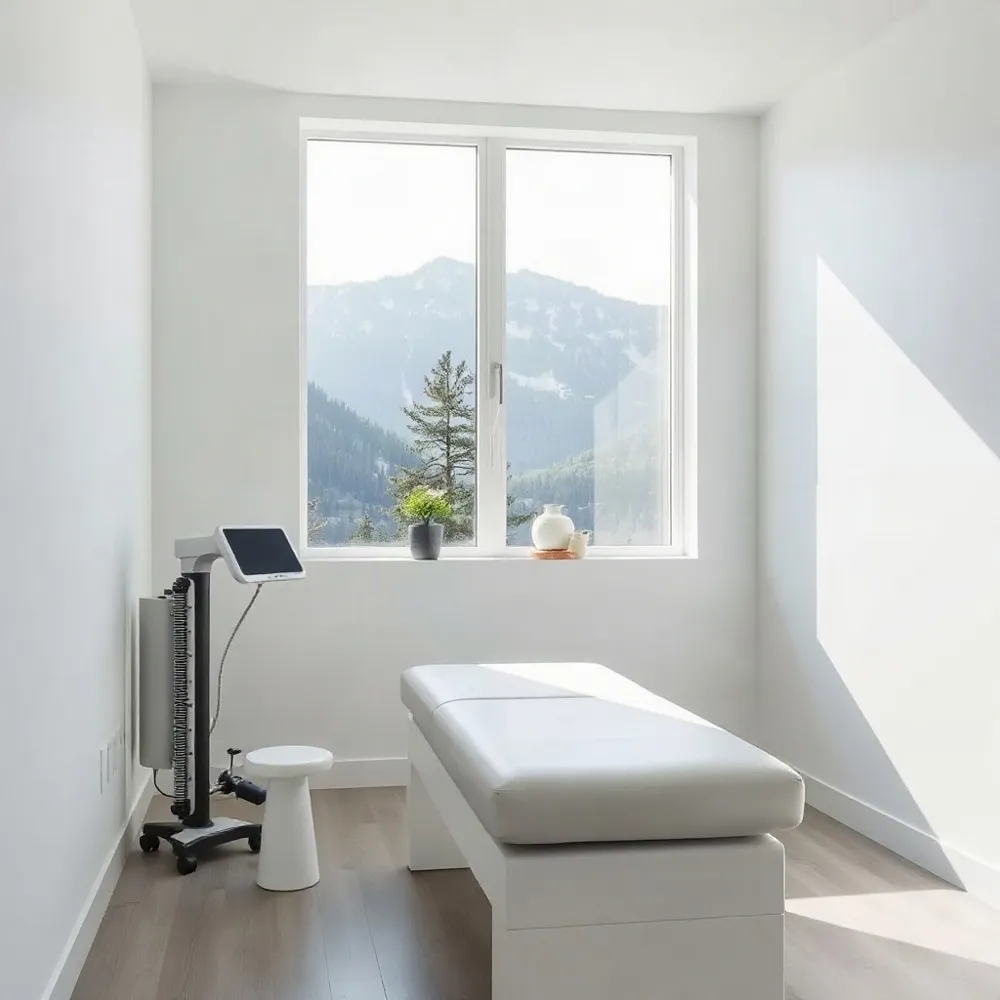 Cold laser therapy, also called low-level laser therapy, may ease pain for some musculoskeletal conditions, but current research does not show that it works reliably for everyone. Reviews describe positive findings in some studies alongside mixed results, limited evidence, and a need for better trials. A 2020 review of low-level laser therapy found that results and treatment methods differed across conditions.
Studies vary in wavelength, dose, device, session length, and treatment schedule, making their findings difficult to compare. Some report pain relief or improved function; others find little or no advantage over placebo or usual care. For a fuller look at the uncertainties, see what the evidence says about cold laser therapy.
Can cold laser therapy help with back pain or chronic pain?
Back pain has been studied, but research does not establish a dependable treatment protocol or a guaranteed benefit. The 2020 review lists back pain among conditions examined, while noting that evidence and treatment parameters vary. Cold laser therapy may be considered as an add-on for back or chronic musculoskeletal pain, alongside options such as exercise or chiropractic care, rather than as a replacement for medical evaluation.
At glenwoodchiro.com, care focuses on non-invasive musculoskeletal treatment, including chiropractic adjustments and therapies for pain and mobility. A clinician can discuss whether light therapy fits an individual care plan, what outcome is realistic, and what alternatives are appropriate. Seek prompt medical care for back pain with new weakness, numbness in the groin area, or loss of bladder or bowel control.
Safety Screening and Precautions
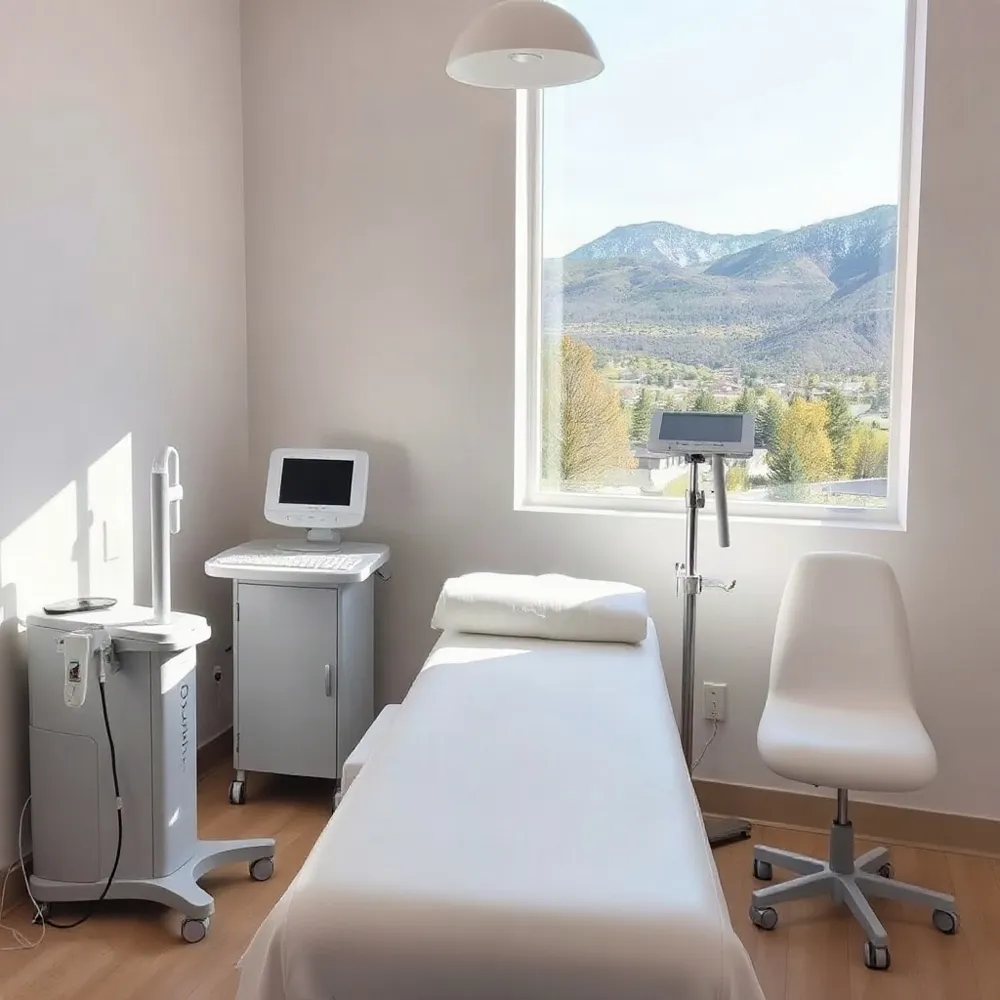 Cold laser therapy is generally described in research reviews as non-invasive and well tolerated, but low risk does not mean it is right for every person. Some patients may have temporary soreness or a brief increase in symptoms, especially around an older injury. Tell the clinician if treatment hurts or causes an unusual reaction. A qualified provider should review your health history and medications before treatment, as part of individualized care at glenwoodchiro.com.
Eye protection is essential for everyone in the treatment area. Direct exposure to the beam can injure the eyes, so it should never be directed toward them. The 2015 review of low-level laser therapy also discusses precautions involving treatment over a developing fetus and known cancer sites.
What are the potential side effects and risks of cold laser therapy?
Treatment is generally avoided directly over a known or suspected tumor unless the treating physician or oncologist approves it, over a fetus, and over implanted electronic devices such as pacemakers. Pregnancy, epilepsy, immune-suppressing treatment, a medical port, or a bacterial infection at the treatment site also warrant avoiding treatment or seeking medical guidance first. Recommendations may differ by device and individual circumstances. Clinical guidance on therapeutic laser contraindications emphasizes screening rather than assuming the treatment is suitable.
Who should avoid cold laser therapy, and what are its contraindications?
Tell your clinician about fever, light sensitivity or photosensitizing medications, coagulation disorders, and any sensitive or sunburned skin. Children may need additional caution. Tattoos and dark marks can absorb light differently, so the provider should assess the area before treatment. For more on safety screening and precautions, discuss personal risks with a qualified clinician before starting.
Treatment Plans and Light Therapy Types
There is no established session count or universal protocol for cold laser therapy. A plan depends on the condition being treated, its severity, the device and dose, and how the person responds. Research reviews also describe substantial variation in treatment methods, making results and schedules difficult to compare across studies (review of low-level laser therapy).
Some people may notice a change after a few visits; others may need repeated treatments, sometimes several times a week, before progress can be assessed. These are examples, not a promise of relief or a set timeline. At Glenwood Springs, care is centered on musculoskeletal symptoms and mobility, with treatment choices considered as part of an individualized chiropractic plan rather than a guaranteed standalone fix.
How many cold laser therapy sessions might be needed, and how soon could results appear?
A clinician should reassess symptoms and goals as care progresses, then adjust or stop treatment if it is not helping. For more on how providers set frequency and dose, see how clinicians plan cold laser sessions.
How does cold laser therapy differ from red light therapy?
Both approaches use red or near-infrared light. Cold laser devices deliver focused laser light, while red-light devices commonly use LEDs that produce more diffuse light. The device, wavelength, dose, and area treated all affect how light reaches tissue, so the labels alone do not establish treatment depth or likely results. A clinician can help determine whether either approach fits a person’s symptoms and broader care plan.
A Personalized Care Decision
Cold laser therapy may be worth discussing for some musculoskeletal concerns, but it is not a guaranteed fit or a substitute for appropriate evaluation and care. At glenwoodchiro.com, cold laser is part of a broader approach to non-invasive musculoskeletal care that also includes chiropractic adjustments and therapies aimed at pain relief and mobility.
Before starting, talk with a qualified clinician about your symptoms, goals, medical history, and any relevant precautions. Ask how light therapy might fit with other options, such as exercise, rehabilitation, or chiropractic care, and what signs would show whether the plan is helping. A shared decision can keep care aligned with your needs.