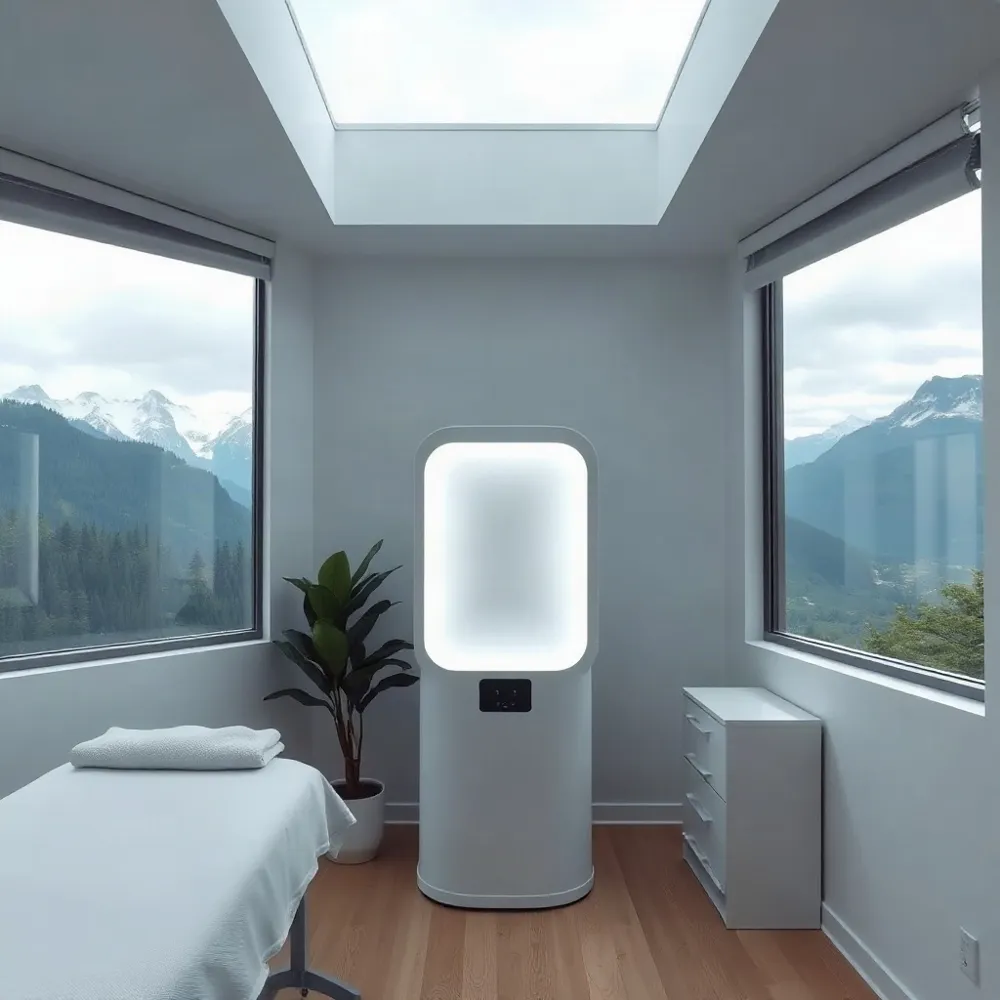
A Light Based Option
Cold laser therapy, also called low-level laser therapy or photobiomodulation, applies low-energy light to the skin over an area of discomfort. It is a non-invasive option sometimes considered for joint pain and stiffness, including symptoms related to knee osteoarthritis. The treatment does not cut or intentionally heat tissue, but its effects can vary.
At Glenwood Chiropractic, non-invasive musculoskeletal care is part of a broader focus on pain relief and mobility. Cold laser therapy should be considered as one possible part of care, not as a diagnosis, a guaranteed solution, or a replacement for established treatment. Evidence remains mixed, and proposed effects on pain and inflammation do not mean that the therapy repairs or reverses arthritis.
A balanced decision starts with understanding what research does and does not show. The Arthritis Movement describes the evidence for arthritis as controversial, noting that reported benefits are limited by study quality and may be short term (review of low-level laser therapy). The sections ahead consider possible effects, evidence, practical choices, and safety so readers can discuss whether this approach fits their needs with a qualified clinician.
What Cold Laser Therapy Involves
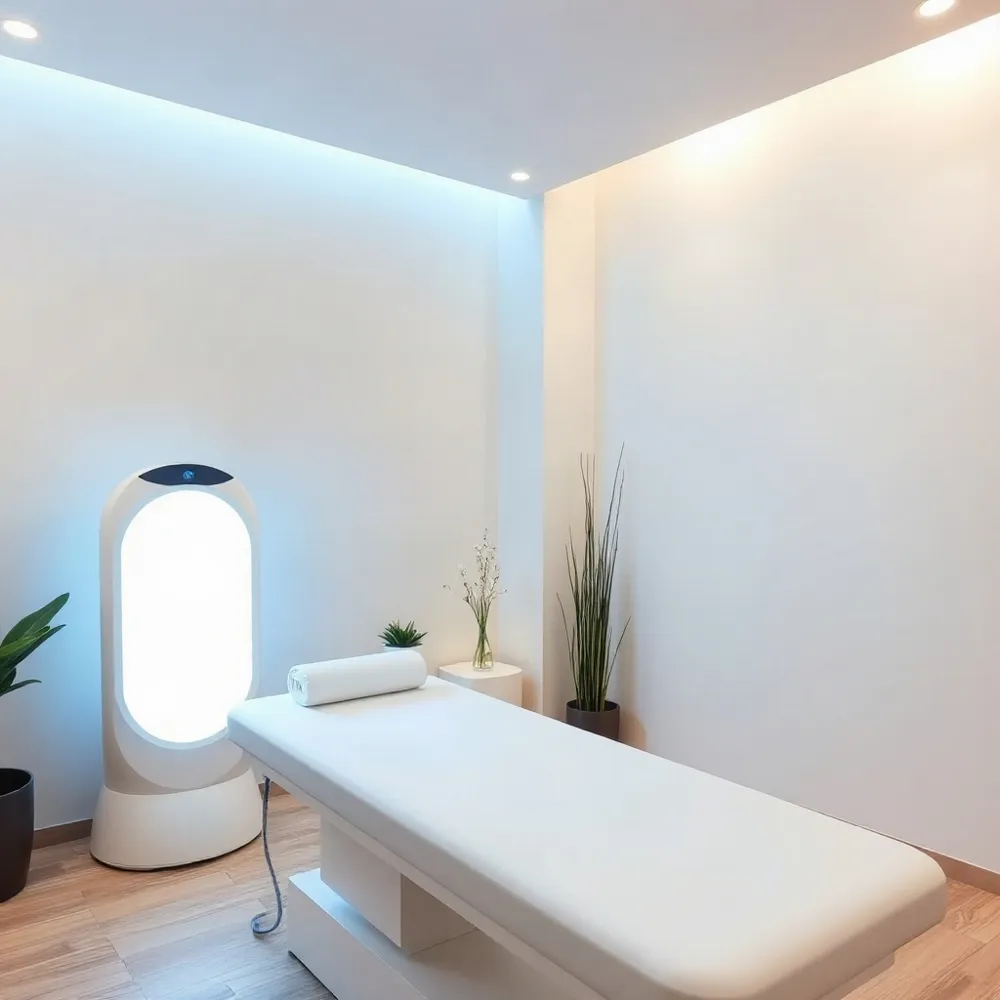 Cold laser therapy, also called low-level laser therapy or photobiomodulation, directs low-energy light at or near the skin over a treatment area. Unlike surgical lasers, the devices are not intended to heat, cut, or remove tissue. The light passes through the skin, where it may interact with cells in the underlying tissues.
Researchers propose that this light can affect cellular activity, including processes involved in inflammation and tissue repair. These explanations remain hypotheses, however, and do not prove that treatment will relieve symptoms or restore damaged tissue. Cold laser therapy should not be described as rebuilding worn cartilage or reversing arthritis.
Treatment settings may be adjusted to the target area and the device being used. Factors such as wavelength, dose, exposure time, and how the device is positioned can vary, and an agreed, standardized protocol has not been established. This uncertainty makes clinician assessment important rather than assuming that one device or schedule suits every joint.
At a chiropractic clinic such as Glenwood Chiropractic, this kind of therapy may be considered within non-invasive musculoskeletal care, alongside assessment of pain and mobility. A clinician can explain the intended treatment area and settings, while keeping expectations grounded in the limits of current evidence. For a broader overview of the proposed cellular mechanisms, see how cold laser therapy works.
What Evidence Says About Joint Pain
 Low-level laser therapy, also called photobiomodulation, may ease symptoms for some people with knee osteoarthritis, but the evidence does not show that it cures arthritis or repairs damaged cartilage. At Glenwood Springs, Glenwood Chiropractic provides non-invasive musculoskeletal care, where any light-based treatment should be considered in relation to a person’s diagnosis, goals, and broader care plan.
A review discussed by The Arthritis Movement found short-term pain relief in seven trials involving knee osteoarthritis, with reported benefits lasting up to three weeks. The authors rated the trials very low quality, limiting confidence in the result. Other studies have reported changes in movement, function, swelling, or grip strength, while some found active treatment similar to placebo. The review of low-level laser therapy for arthritis describes this mixed evidence and its limitations.
A randomized trial in adults with mild-to-moderate knee osteoarthritis found that 808 nm laser treatment improved knee extensor strength more than a sham treatment. However, most functional measures did not show significant differences between groups, and the trial did not directly measure pain relief. Its findings therefore do not prove that laser therapy relieves pain or will produce the same results for other patients. The trial’s findings apply to its specific participants and treatment protocol.
Research is difficult to compare because studies use different devices, doses, and schedules, and optimal treatment settings are not established. Evidence for arthritis beyond knee osteoarthritis is also limited or mixed. For a broader look at how findings relate to particular conditions and protocols, see what evidence says about joint pain.
A clinician can assess whether this option fits a person’s symptoms and health history, then monitor whether it helps. Glenwood Chiropractic’s non-invasive musculoskeletal approach can be considered alongside established care, including clinician-directed exercise and strengthening, rather than in place of prescribed treatment. Persistent or worsening knee pain should be medically assessed.
Comparing Light and Cold Treatments
The word “cold” describes the low-energy laser, not a cooling effect. An ice pack works differently: it can temporarily numb discomfort and help reduce swelling, while cold laser therapy applies light over the treatment area. For a cold pack, wrap it in a towel and apply it for about 20 minutes at a time. Stop if it worsens discomfort or irritates your skin.
Cold laser and red light therapy are both forms of photobiomodulation, meaning they use light intended to affect cellular processes. Cold laser treatment generally focuses a low-level laser beam on a specific area, while red light devices often use LEDs to cover a broader, more superficial area. Near-infrared light may reach deeper tissues than visible red light, but penetration and any effect depend on the wavelength, dose, device, and tissue being treated.
The evidence is not equally established for every condition or device, so neither light treatment should be presented as a guaranteed way to relieve pain. Research on low-level laser therapy for knee osteoarthritis addresses a particular condition and does not establish that every approach works for all joint pain.
At Glenwood Chiropractic, non-invasive musculoskeletal care is part of an individualized approach to pain and mobility concerns. A clinician can discuss whether light treatment or a cold pack is appropriate for your symptoms, and assess changes in comfort and movement. These options may help manage symptoms for some people, but neither cures arthritis or replaces medical assessment and other appropriate care.
Safety and Suitability
 Low-level laser therapy is non-invasive, but that does not make it risk-free or suitable for everyone. A clinician should review your health history and the treatment area before recommending it. At Glenwood Springs, Glenwood Chiropractic provides non-invasive musculoskeletal care, including chiropractic adjustments and therapies for pain relief and mobility.
Protective eyewear is essential during treatment. Keep your eyes away from both direct and reflected laser light, which can cause injury. The WebMD guide to cold laser therapy also advises patients to wear goggles and avoid eye exposure.
Tell your clinician if you are pregnant, have cancer or a suspected tumor in the area, have a photosensitive condition, or take medicines that increase sensitivity to light. Some guidance advises against treating over cancer in the treatment area and during pregnancy because effects on a fetus are not known. Ask specifically whether treatment is appropriate over the abdomen during pregnancy.
Reduced sensation or poor circulation in the area are also reasons to seek clinical guidance before treatment. You may not notice discomfort or a change in the skin as readily, so the provider should consider these factors when deciding whether and how to proceed. The clinic’s approach to musculoskeletal care can include assessing mobility and the patient’s individual needs, rather than treating a device as a substitute for clinical judgment.
Some people report temporary soreness, tenderness, or a brief increase in symptoms. Effects and risks are not fully characterized across every condition, device, and treatment protocol. Ask the provider to explain expected benefits, possible side effects, and how the dose and device will be suited to your situation. If symptoms worsen or an unexpected reaction occurs, tell the treating clinician before continuing.
Sessions Cost and Home Devices
Cold laser therapy usually involves a course of visits rather than a single appointment. For knee pain, reported courses range from about eight to 30 sessions, with each light pulse lasting roughly 30 to 60 seconds; the actual schedule depends on the treatment plan (WebMD’s overview of cold laser therapy). Ask the provider how many visits they recommend and what each visit includes.
Costs vary by clinic, treatment area, equipment, and plan of care. WebMD reports that a session may cost up to $200, and some insurance policies may not cover treatment. Request a full estimate before starting, including any package pricing, and contact your insurer to check coverage, preauthorization rules, and expected out-of-pocket costs. Glenwood Springs patients can also ask a chiropractic clinic such as glenwoodchiro.com about its non-invasive musculoskeletal services and how costs are explained before care begins.
Home devices require particular care. Results from supervised treatment do not necessarily apply to every over-the-counter device, since devices and treatment settings differ. WebMD cautions that incorrect application may fail to relieve pain, so discuss a device with a healthcare professional before use, especially if you have other health conditions or take medication that may increase light sensitivity. Follow the device instructions, do not direct light toward the eyes, and do not replace recommended medical care with a home device.
For ongoing knee pain, a clinician can help assess the cause and discuss appropriate options, such as exercise-based rehabilitation and activity changes. Cold laser may be considered as one part of care, rather than a guaranteed or stand-alone solution. For context on possible treatment precautions, see cold laser therapy safety considerations.
Fit Within a Broader Care Plan
Cold laser therapy is best considered as one possible part of care, not a substitute for prescribed medication, rehabilitation, or other medically indicated treatment. For arthritis, The Arthritis Movement’s overview of low-level laser therapy describes it as a complementary option and notes that evidence remains uncertain.
At glenwoodchiro.com, non-invasive musculoskeletal care includes chiropractic adjustments and therapies aimed at pain relief and mobility restoration. A discussion with a qualified provider can help clarify the diagnosis, goals, health history, preferences, and likely costs before deciding whether light therapy belongs in an individualized plan.
If treatment is tried, track practical changes such as pain, stiffness, walking, and ease with daily tasks. Reassess the plan if symptoms persist or worsen, rather than continuing automatically.
A Cautious Next Step
Cold laser therapy may ease symptoms for some people with knee osteoarthritis, but the available evidence has limits and does not establish a cure. A review discussed by The Arthritis Movement found short-term pain relief in several trials, while rating their quality very low, so results should be interpreted cautiously. Review of low-level laser therapy for arthritis
An assessment can help identify what may be causing joint pain or stiffness and whether this treatment is suitable. At Glenwood Chiropractic, non-invasive musculoskeletal care includes chiropractic adjustments and therapies intended to support pain relief and mobility. Discuss cold laser therapy with a qualified clinician as one possible part of care, not a replacement for prescribed treatment or rehabilitation. A device or single therapy should not stand alone.