Start With the Cause
When back pain or symptoms such as tingling, numbness, or weakness persist, it is natural to ask whether non-surgical spinal decompression should come before surgery. The answer starts with identifying what is causing the symptoms, since similar complaints can have different origins.
“Spinal decompression” can mean traction-based therapy intended to ease pressure without an operation, or surgery that removes bone or disc tissue pressing on nerves. These are distinct treatments, and Cleveland Clinic’s overview of spinal decompression describes both non-surgical options and surgical procedures.
There is no universal sequence that fits everyone. A clinician considers the diagnosis, symptoms, health history, and response to care before discussing options. At glenwoodchiro.com, care focuses on non-invasive musculoskeletal treatment, with assessment helping guide whether conservative care is appropriate or further medical evaluation is needed.
Two Different Meanings of Decompression
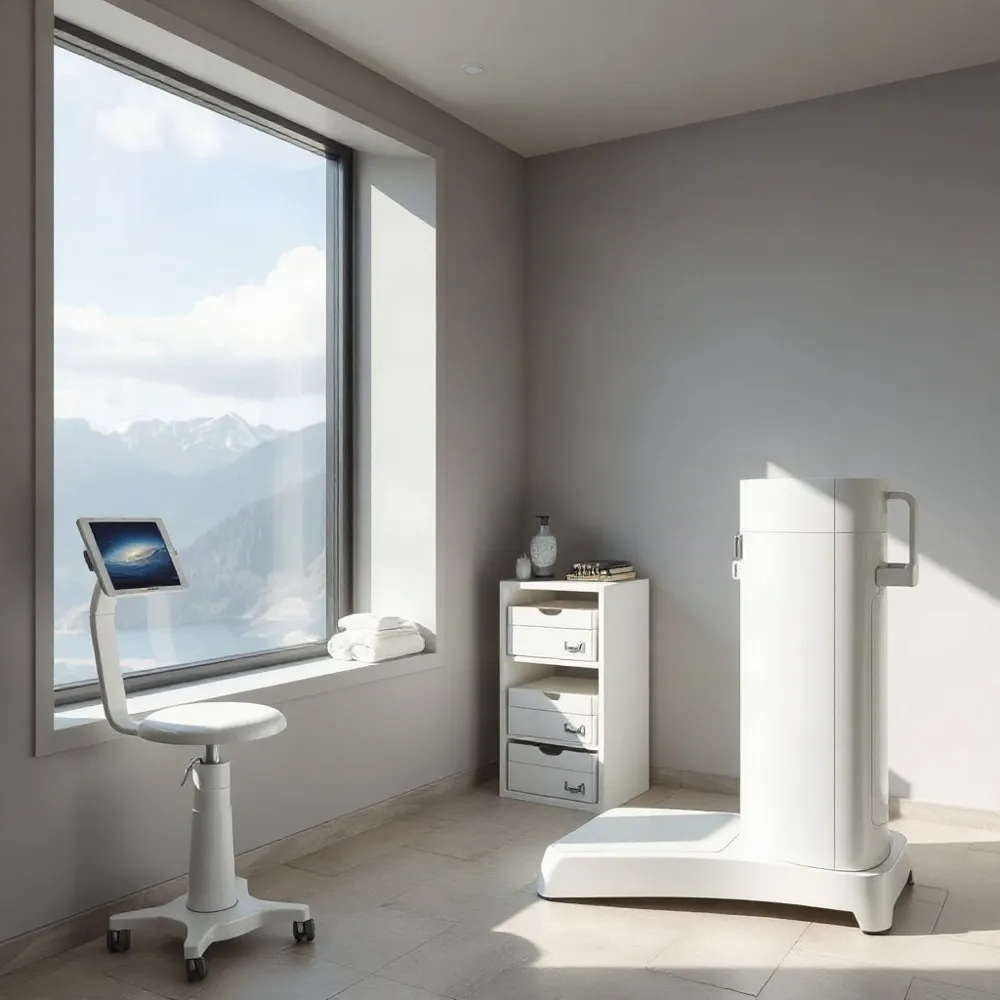
 The term spinal decompression describes two different approaches. Non-surgical decompression uses a motorized traction table to apply controlled pulling and release forces. The aim is to ease pressure or irritation around spinal discs and nerve roots without an incision. At glenwoodchiro.com, non-invasive care is considered in the context of a patient’s symptoms and mobility, rather than as a substitute for every type of treatment.
Surgical decompression works directly on the source of pressure. A surgeon may remove or reduce bone, disc material, or other tissue pressing on a nerve or the spinal cord. The Cleveland Clinic’s overview of spinal decompression describes both nonsurgical and surgical approaches, while noting that treatment choice depends on the person’s condition and response to care.
Traction does not remove tissue that is compressing a nerve, so it is not interchangeable with surgery. Evidence for nonsurgical decompression varies, and it may not help every person or condition. A clinician can assess whether it is a reasonable part of conservative care and monitor changes in symptoms and function. The mechanics of nonsurgical spinal decompression are distinct from the tissue-removing procedures used in surgery.
When symptoms persist or neurological problems raise concern, a medical provider may recommend specialist assessment to discuss whether surgery or another approach is appropriate. That decision depends on the cause and severity of compression, not on the word “decompression” alone.
Possible Relief Is Not Guaranteed
Does non-surgical spinal decompression therapy help relieve back pain? It may help some people whose symptoms relate to a disc problem or nerve irritation, but results vary, and it does not work for everyone. The Cleveland Clinic’s overview of spinal decompression therapy describes traction as one option among several non-surgical treatments, not a guaranteed solution.
Traction aims to temporarily reduce pressure on spinal structures. That proposed effect should not be taken as proof that treatment heals a disc or prevents surgery. At glenwoodchiro.com, non-invasive care is part of a broader approach to musculoskeletal pain and mobility, with treatment choices guided by each person’s needs.
A care plan may also include physical therapy or exercise-based rehabilitation, depending on the cause of symptoms and how they affect daily activity. Assessment should take medical history, symptoms, and treatment suitability into account. Research and clinical guidance on spinal decompression can help explain how conservative options may fit together, while results remain individual.
Ask a qualified clinician whether traction is appropriate for your situation, and seek guidance if it worsens pain or causes new symptoms. A change in symptoms may mean the plan needs reassessment rather than continued treatment.
Suitability and Treatment Risks
 Some people with persistent low-back pain or sciatica linked to a herniated, bulging, or degenerative disc may be considered for non-surgical spinal decompression, a form of traction. It is one possible option, not a guaranteed way to heal a disc. A clinician should assess the likely cause of symptoms and whether traction fits the person’s health history and care plan. Cleveland Clinic’s overview of spinal decompression therapy notes that nonsurgical treatments can help some people, but results vary.
Candidacy is not determined by symptoms alone. At glenwoodchiro.com, care focuses on non-invasive musculoskeletal treatment, including chiropractic care and therapies intended to support pain relief and mobility. An assessment should consider the diagnosis, symptom pattern, medical history, and response to care before traction is considered.
Treatment may cause temporary soreness, muscle spasms, discomfort from positioning, or a flare-up of back or leg pain. Report new or worsening numbness, tingling, or weakness promptly to a healthcare professional, and stop treatment if it causes or worsens pain.
Pregnancy, fracture, osteoporosis, spinal instability, prior fusion or implants, and some previous surgeries may call for particular caution. Infection, tumors, spinal stenosis, spondylolisthesis, ankylosing spondylitis, and blood-thinner use are also reasons to seek medical review before starting. These factors are not a universal checklist for ruling out treatment; a qualified clinician should screen each person and determine whether further medical assessment is needed.
The Cleveland Clinic’s guidance also emphasizes that treatment choice depends on individual health factors. If traction is not suitable, another approach may be more appropriate. Discuss concerns and changes in symptoms with a healthcare professional rather than continuing a treatment that feels unsafe.
Home Exercises Need Individual Guidance
Can you safely decompress your spine at home with exercises or a device? Gentle movements recommended by a clinician may ease discomfort, but they do not literally decompress the spine or treat every cause of pain. At Glenwood Springs, Glenwoodchiro.com’s focus on non-invasive musculoskeletal care supports individual guidance on movement rather than assuming one routine suits everyone.
Exercise suitability depends on the diagnosis and symptoms. Traction devices, inversion tables, and routines found online may aggravate some conditions, and traction may not help everyone. Cleveland Clinic’s overview of spinal decompression describes traction and other approaches as options whose results can vary. Ask a qualified health professional before trying a device, especially if you have osteoporosis, prior spinal surgery, or significant or worsening symptoms.
Stop a movement if it worsens pain, brings on numbness or weakness, or sends pain farther down an arm or leg. New bowel or bladder problems, numbness around the groin or saddle area, or rapidly progressing weakness require urgent medical evaluation. These symptoms should not be managed by continuing a home routine or waiting to see whether traction helps.
A clinician can help distinguish comfortable, appropriate movement from an attempt to apply traction without knowing the cause of symptoms. Guidance on spinal decompression surgery also stresses that serious or rapidly developing symptoms need prompt attention, not delayed care.
When a Surgical Assessment Matters
 A surgical assessment may be worth discussing when back pain or pain radiating into an arm or leg continues to restrict everyday activities despite appropriate nonsurgical care. Options may include medication, physical therapy, or other treatments guided by a clinician. Surgery is not usually the first step for back pain, and persistent symptoms alone do not mean an operation is needed.
An assessment can also help clarify whether examination findings and imaging point to a cause that fits the symptoms, such as a herniated disc or spinal stenosis. Ongoing numbness or weakness, or difficulty walking, can be reasons to seek specialist advice, but none of these signs automatically means surgery is necessary. The Cleveland Clinic’s overview of spinal decompression describes treatment choices as dependent on factors such as the condition and a person’s health.
At Glenwood Springs, care at glenwoodchiro.com includes non-invasive chiropractic care and therapies for pain relief and mobility. These options may form part of conservative care when appropriate, but they do not replace a spine specialist’s assessment of whether surgery or another approach is indicated. No one treatment, including traction-based decompression, is a required step for every patient.
A spine specialist can weigh the diagnosis, symptom severity, overall health, likely benefits and risks of an operation, and alternatives, including continued nonsurgical care. Johns Hopkins Medicine’s guide to back and spine surgery notes that the condition being treated helps determine whether surgery is appropriate.
Urgent warning signs call for emergency evaluation, not a routine appointment or a trial of conservative treatment. Seek immediate care for new or rapidly worsening weakness, numbness in the groin or saddle area, or loss of bowel or bladder control.
Relief and Recovery Vary
How long can the effects of spinal decompression therapy last? The available sources do not establish a reliable duration for relief from nonsurgical decompression, so claims that benefits typically last for months or years should not be treated as a promise. The Cleveland Clinic’s overview of spinal decompression notes that results from nonsurgical options can vary.
The course of symptoms depends on the underlying condition and each person’s response to care. At glenwoodchiro.com, a patient-centered approach can include monitoring meaningful changes in pain, mobility, and everyday activities with a clinician. If improvement is limited or symptoms return, reassessment can help guide the next step.
Surgical recovery is also variable and depends on the procedure. Fusion generally takes longer to recover from than decompression alone, and recovery after fusion may take months or longer; IU Health’s guide to decompression and fusion surgery describes a substantial recovery process.
The decision is not simply which treatment comes first. It is which option fits the diagnosis, symptoms, and response to care after individualized evaluation and reassessment.
Choose Care Through Assessment
Traction-based spinal decompression and surgery are different treatments, and neither suits everyone. A clinician can help connect symptoms with their cause, review potential benefits and risks, and discuss appropriate next steps. Nonsurgical care may be considered when suitable, while surgical decompression may be considered when other approaches have not helped.
Seek urgent medical evaluation for serious or rapidly worsening weakness, new trouble walking, numbness around the groin, or loss of bowel or bladder control. These symptoms should not wait for a routine appointment.