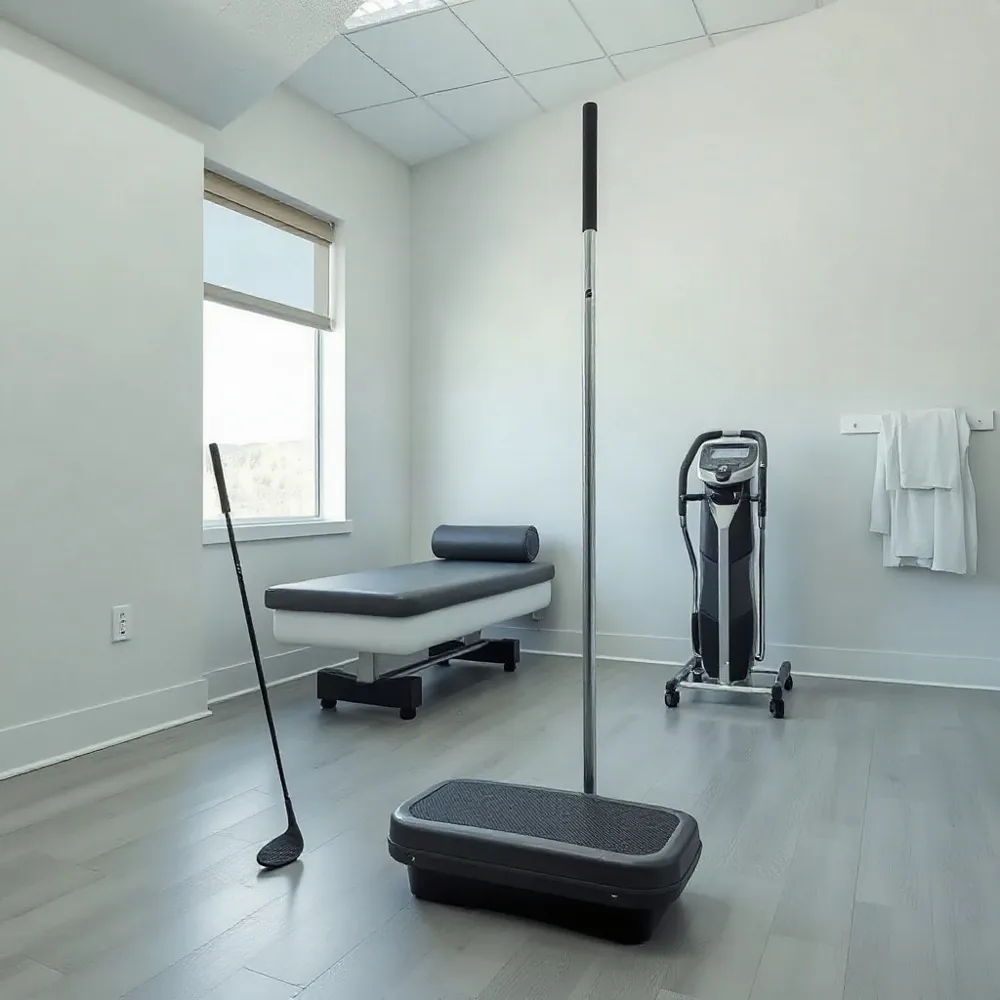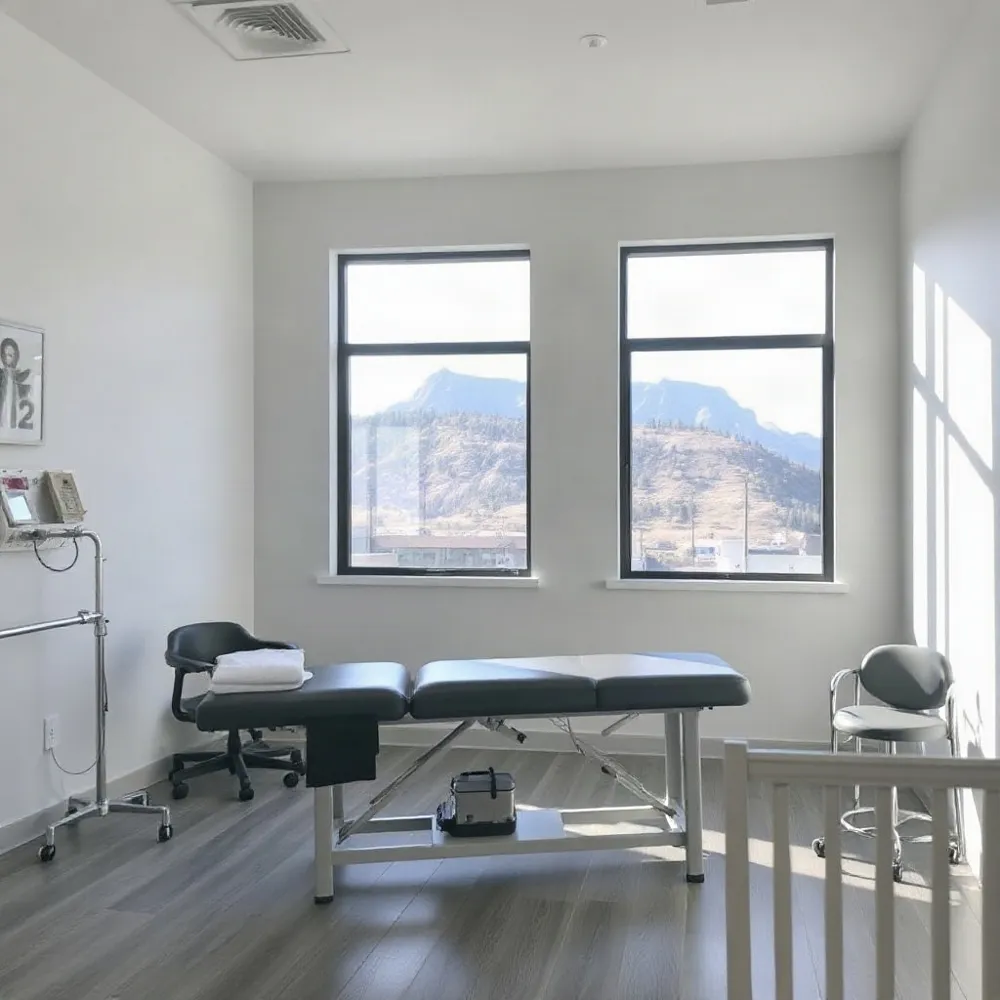
Understanding the Role of Spinal Decompression in Holistic Care
Spinal decompression therapy exists as a broad clinical category, encompassing both non-invasive methods and surgical interventions intended to alleviate pressure on spinal neural elements. While surgery is often a final consideration for severe cases, many patients find success with non-surgical spinal decompression, which utilizes mechanical traction to encourage the retraction of bulging or herniated discs.
The fundamental goal of this treatment is to relieve compression and improve the intake of nutrient-rich fluids, oxygen, and water into damaged discs. Unlike surgical procedures that may involve significant recovery time, non-surgical spinal decompression offers a conservative option tailored for those managing chronic back pain or sciatica without invasive measures.
At glenwoodchiro.com, the philosophy of care emphasizes that effective musculoskeletal health relies on a holistic approach. By integrating decompression with customized chiropractic care and therapeutic exercises, clinicians address the root cause of discomfort rather than merely the symptoms. This evidence-based focus is supported by orthopaedic education resources, highlighting that informed patients generally achieve more sustainable results through integrated, individualized treatment plans.
Mechanism and Therapeutic Benefits of Non-Surgical Decompression
 How does non-surgical spinal decompression work and why does it provide relief? Non-surgical spinal decompression serves as a specialized form of motorized traction that gently stretches the spine to alter its force and position. This process creates a negative pressure environment within the affected spinal discs, which encourages herniated or bulging material to retract. By reducing this internal pressure, the therapy effectively alleviates the mechanical compression being placed on sensitive spinal nerves. This decompression also facilitates the movement of essential water, oxygen, and nutrient-rich fluids into the discs, which is vital for the physiological healing process. Ultimately, this approach focuses on restoring proper structural balance and spinal health to provide lasting relief from chronic pain and discomfort.
The mechanical principle centers on the application of intermittent force through a motorized table, which adjusts the alignment of vertebrae to decompress the intervertebral space. While surgical options like a laminectomy are reserved for severe cases where persistent compression compromises function, this non-invasive modality offers a conservative pathway for managing disc-related pathology. Clinical guidelines from the National Institutes of Health highlight that this therapy is part of a broader spectrum of traction-based techniques aimed at restoring motion.
At glenwoodchiro.com, treatment is integrated into a multi-modal structure that prioritizes long-term recovery over temporary symptom management. Unlike clinics that operate in isolation, our approach pairs these traction sessions with chiropractic adjustments and targeted therapeutic movement. This integration ensures that the spine gains not just space, but the stability and functional alignment required to support the healing of damaged discs.
- Creation of negative intradiscal pressure to facilitate fluid exchange.
- Reduction of pressure on nerve roots to alleviate radicular symptoms.
- Increased delivery of nutrients and oxygen to promote tissue repair.
- Systematic stretching to improve flexibility and spinal stiffness.
Clinical Consensus on Safety and Patient Suitability
 What is the consensus regarding the safety, effectiveness, and risks of spinal decompression therapy? Emerging evidence from the National Institutes of Health supports its role as an adjunct to conservative care for managing lumbar radiculopathy. When clinicians at glenwoodchiro.com combine specialized traction with chiropractic adjustments and targeted physical therapy, patients often experience significant gains in mobility and functionality.
The clinical consensus views non-surgical decompression as a low-risk, non-invasive alternative to surgery for qualified candidates. Unlike invasive procedures such as a laminectomy or diskectomy, which often require extended recovery times, non-surgical methods allow for immediate return to daily activities. Professional screening is essential to identify contraindications, such as fractures or implants, ensuring that only appropriate candidates proceed with treatment.
While outcomes can vary, data from the Medical Video Library underscores that informed patient selection leads to superior health outcomes. Most musculoskeletal systems adapt well to these gentle forces, with side effects generally limited to mild, temporary soreness. By prioritizing a patient-centered approach, glenwoodchiro.com ensures that each plan directly addresses the underlying disc and nerve-related issues.
Typical Treatment Protocols and Integrated Care Plans
 What is the typical duration and frequency of a spinal decompression treatment plan? A typical treatment protocol for spinal decompression therapy is customized to the patient's unique diagnosis and neurological assessment. While individual sessions generally last between 20 and 45 minutes, a complete course of care often requires 20 to 28 sessions spread across 5 to 7 weeks to facilitate meaningful healing and nutrient exchange within the spinal discs.
At glenwoodchiro.com, practitioners emphasize that this work is most effective when integrated into a broader, patient-centered program. Unlike isolated traction units that lack follow-up support, a comprehensive approach consistently combines non-surgical spinal decompression with manual chiropractic adjustments and targeted therapeutic exercises. This multidisciplinary strategy helps ensure that immediate pressure relief leads to sustained mobility restoration.
Integrating these modalities creates a cumulative effect that stands in contrast to passive approaches. By layering chiropractic care with specialized mechanical traction, patients gain a stronger foundation for spinal health. This structured path is essential for those seeking to resolve chronic back pain without relying on surgical intervention.
Comprehensive Management of Degenerative Spine Conditions
What are the common treatment options for degenerative spine disease? Management of degenerative spine disease typically begins with non-invasive, conservative therapies aimed at alleviating pain and restoring mobility. Physical therapy is a primary intervention, utilizing targeted strengthening and stretching exercises to improve posture, balance muscle mass, and relieve pressure on the spine. Pharmacological approaches, such as NSAIDs and other pain-relieving medications, are often employed to manage inflammation and discomfort. Additionally, lifestyle modifications like weight management can significantly reduce mechanical stress on the spinal discs. For cases requiring further intervention, specialists may recommend procedures such as epidural steroid injections or radiofrequency neurotomy to address persistent symptoms.
At glenwoodchiro.com, non-invasive care often includes the use of spinal decompression therapy, which serves as a conservative alternative to invasive procedures. Unlike surgical interventions that may carry inherent risks of infection or prolonged recovery, this mechanical traction approach aims to gently alleviate pressure on neural elements and discs. Research notes that while outcomes can vary, integrating such therapies with active exercise programs aligns with current orthopaedic education standards for patient-centered musculoskeletal health.
Clinicians often emphasize that the most effective long-term results stem from a holistic plan. This usually combines chiropractic adjustments with targeted physical therapy to maximize function. While high-level comparative data remains limited, peer-reviewed findings highlight that individualized, multimodal programs consistently outperform isolated passive treatments for chronic back issues. Balancing these non-pharmacological methods helps many patients manage symptoms effectively until stability is restored.
Dietary Strategies to Support Spinal Health and Inflammation
Managing spinal health effectively involves more than structural care, such as the Non-Surgical Spinal Decompression protocols provided at glenwoodchiro.com. Nutrition plays a significant role in reducing systemic inflammation and providing the building blocks necessary for tissue repair and bone density stability.
What is a healthy diet for managing spinal stenosis symptoms?
To help manage spinal stenosis symptoms, prioritize an anti-inflammatory diet rich in whole grains, vegetables, fruits, nuts, seeds, healthy oils, and fatty fish high in omega-3s, while incorporating therapeutic spices like turmeric, ginger, and garlic. It is essential to maintain a healthy weight through low-calorie, nutrient-dense foods to reduce excess strain on the spine. Supporting bone health is equally important, so ensure adequate intake of calcium and vitamin D through leafy greens, almonds, tofu, and dairy.
Proper hydration is critical for maintaining the health and integrity of intervertebral discs, meaning you should drink plenty of water and avoid dehydrating beverages like caffeine and alcohol. Finally, consider keeping a food journal to monitor how specific ingredients affect your pain levels, as minimizing refined sugars, trans fats, and processed foods is vital for preventing further inflammation. For those following Dietary Strategies to Support Spinal Health and Inflammation, these adjustments serve as a foundational companion to regular movement and professional chiropractic care.
Identifying Quality Care and Red Flags in Spinal Treatment
Seeking effective spinal care requires a discerning approach. While non-surgical spinal decompression serves as a conservative option for pain relief, patients must stay alert to inconsistent clinical quality. High-quality practices, such as those that evaluate patients through thorough physical assessments, should be prioritized over facilities that rely on aggressive marketing or standardized, one-size-fits-all treatment plans.
What are the red flags to watch for when seeking chiropractic or spinal care?
Beyond the urgent need for medical evaluation due to symptoms like night pain, fever, bowel or bladder dysfunction, and progressive neurological deficits, patients should be wary of clinical red flags in a practice setting. Be cautious of providers who make exaggerated or unrealistic health claims regarding the treatment of conditions unrelated to mechanical or neuromuscular function. An emphasis on rigid, open-ended treatment plans, rather than personalized, evidence-based care, remains a significant concern. Additionally, a professional chiropractor should prioritize your long-term health outcomes, openly collaborate with other medical professionals, and avoid pressure tactics that prioritize repeat visits over patient progress. Identifying these warning signs helps ensure that you receive safe, clinically grounded care tailored to your specific musculoskeletal needs.
- Unrealistic promises of permanent cures for complex, chronic systemic health conditions.
- Treatment timelines that do not feature periodic re-evaluations to confirm clinical progress.
- Sales pressure for expensive, long-term prepaid packages that discourage professional second opinions.
- Lack of transparency regarding evidence-based outcomes or potential adverse events documented in peer-reviewed scientific literature.
Empowering Long-Term Mobility Through Informed Choices
Selecting a path toward spinal health requires identifying non-surgical spinal decompression methods that prioritize conservative, evidence-based care. While aggressive surgical interventions, such as those described in NIH research, are occasionally necessary for severe structural damage, many patients find effective relief through targeted, non-invasive strategies that avoid the inherent risks of anesthesia and long-term recovery.
Long-term mobility often hinges on an individualized wellness plan rather than a one-size-fits-all approach. At glenwoodchiro.com, providers emphasize that true healing involves combining multiple modalities, such as chiropractic adjustments and therapeutic exercise, to address the underlying musculoskeletal dysfunction. This holistic perspective ensures that treatment plans are tailored to specific diagnostic findings, such as those obtained through professional imaging.
Patients are encouraged to seek a comprehensive evaluation to determine candidacy for decompression therapy. By consulting with a healthcare professional to review clinical history and current spinal conditions, you can make an informed decision that aligns with your specific mobility goals. Explore options at glenwoodchiro.com to discuss how an integrated care approach can support your journey toward lasting nerve pain relief and restored function.