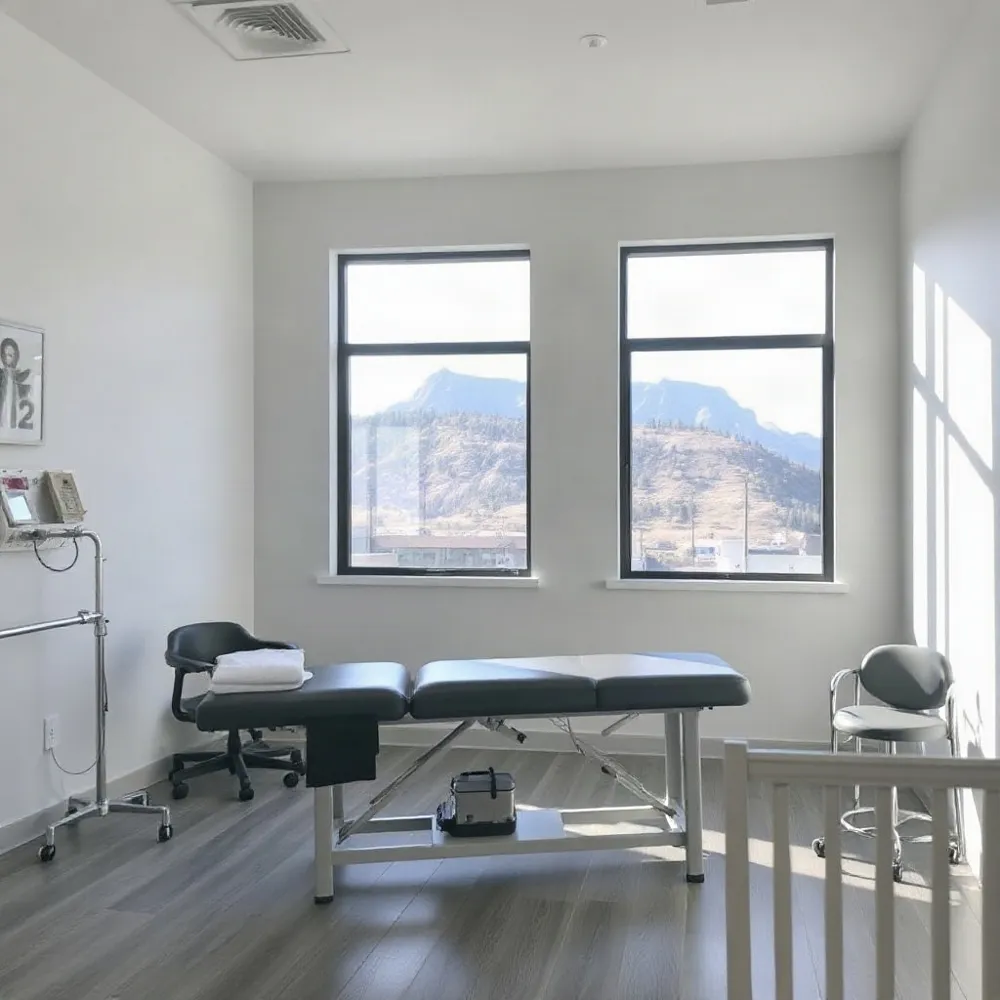
Embarking on Your Journey to Holistic Musculoskeletal Health
Your initial visit at glenwoodchiro.com is designed as a collaborative partnership rather than a one-sided medical encounter. By approaching your appointment as an informed participant, you help establish a clear foundation for effective, non-invasive pain relief and sustainable mobility restoration. This partnership thrives when both parties are clear on clinical goals and the specific health markers that define your journey forward.
Preparation is a vital element of this process. Much like meeting the standards required for Certification and Licensure in the United States, providing a detailed history of your symptoms, past injuries, and current wellness goals ensures your care plan is evidence-based and precise. As noted by the National Board of Chiropractic Examiners, professional competence relies on accurate record-keeping and diagnostic planning, a standard we mirror at our clinic to tailor care to your unique needs.
When you arrive prepared, you allow for a more efficient assessment of your musculoskeletal health per recent industry guidelines. Whether discussing your lifestyle demands or reviewing diagnostic imaging, your proactive input helps translate complex symptoms into a personalized path toward recovery. This focus on clear communication and individualized treatment ensures that each step of your care at our facility is purposeful, measurable, and aligned with your long-term health.
Essential Documents and Records to Bring
 Preparing for your initial consultation at glenwoodchiro.com requires more than just showing up on time. To ensure a productive first meeting, consolidate your administrative and clinical information into one folder. Always bring your government-issued photo identification and current insurance cards, as these are necessary to verify coverage and complete billing documentation. Many clinics now offer online patient portals that allow you to submit intake forms electronically before you arrive, which reduces stress and saves valuable time.
Your medical background provides the clinical foundation for your treatment plan. Compile a comprehensive history that includes details on past surgeries, previous injuries, and any chronic conditions. It is equally important to provide an accurate list of all current medications, vitamins, and herbal supplements to help your doctor identify potential health trends. If you have had recent diagnostic imaging, such as X-rays, MRI scans, or CT results, bring these reports to your appointment to give your chiropractor a clearer view of your musculoskeletal health.
Preparing for Your First Chiropractic Visit
To prepare for your first chiropractic visit, gather your relevant medical records, insurance information, and identification, and consider completing any provided intake paperwork in advance to save time. Dress in comfortable, loose-fitting clothing that allows for a full range of motion, as this will help during your physical exam and any potential adjustments. Arrive about 15 minutes early to settle in and ensure you are not rushed before meeting with your doctor. Be ready to openly and honestly communicate your symptoms, past injuries, and current pain levels so your chiropractor can accurately assess your needs. Finally, feel free to write down any questions you may have; being an informed patient is a part of ensuring a positive and effective treatment experience.
What to Expect During Your Initial Consultation
 Your initial visit at glenwoodchiro.com serves as the foundation for your holistic care journey. You should set aside 45 to 60 minutes for this encounter, a duration that is significantly longer than standard follow-up sessions. This time allows the practitioner to conduct a comprehensive assessment of your health rather than focusing solely on isolated symptoms.
The session begins with an intake process where you discuss the history of your discomfort. Rather than just identifying the site of pain, the team at glenwoodchiro.com works with you to quantify pain quality, identify movement triggers, and correlate symptoms with your daily activities. This conversation helps establish your specific recovery goals, ensuring that any subsequent care plan aligns with your actual lifestyle rather than a generalized model.
Following the medical history, you undergo a physical examination that includes standard screenings such as blood pressure and pulse checks along with specialized musculoskeletal testing. The doctor evaluates your postural alignment, muscle strength, and range of motion to identify functional imbalances. While some providers rely on identical protocols for all patients, glenwoodchiro.com customizes every exam component based on your clinical findings and personal history, ensuring only necessary diagnostics are performed.
Safety remains the primary objective during this assessment. A qualified, licensed chiropractor screens for clinical red flags, such as progressive neurological deficits or non-mechanical pain patterns, that might indicate a need for urgent medical referral. By National Board of Chiropractic Examiners standards, this rigorous screening ensures that spinal adjustments are the safe and appropriate choice for your condition.
Shared decision-making concludes the visit. You and your provider review the findings together to establish an evidence-based care plan that includes an anticipated timeline for recovery. This collaborative approach turns the treatment plan into a partnership, where you play an active role in managing your own musculoskeletal health.
Understanding Specialized Care and Safety
Safety remains the foundation of professional chiropractic care. Before any treatment occurs, practitioners must undergo rigorous Certification and Licensure processes to ensure clinical competency. A standardized examination, such as those overseen by boards, confirms that doctors can evaluate real-world clinical scenarios and apply manual techniques while maintaining high safety standards.
Can I receive chiropractic care if I have been diagnosed with osteopenia?
If you have been diagnosed with osteopenia, you can generally receive chiropractic care, provided your practitioner is fully informed of your diagnosis. Your chiropractor will perform a thorough evaluation, which may include reviewing imaging tests or coordinating with your primary care provider, to determine the most appropriate and safe approach for your specific bone density status. They will then modify their techniques, opting for gentle, low-force adjustments or alternative therapies, to ensure treatment supports your mobility without compromising skeletal integrity. This patient-centered approach helps address musculoskeletal pain while actively managing your safety. By restoring joint function through these tailored methods, chiropractic care can help reduce your risk of falls and support your long-term mobility and quality of life.
Transparency regarding personal health goals is essential for shared decision-making. At glenwoodchiro.com, we prioritize a collaborative process where patients provide informed consent before any adjustment begins. Unlike clinics that apply generic protocols for every visitor, our team adapts techniques to your unique health profile, ensuring that each therapy aligns with your physical comfort and safety requirements.
Post-Adjustment Care and Ongoing Wellness
 Achieving your physical health goals extends beyond the clinic table. While chiropractic adjustments are widely considered safe when performed by a licensed practitioner (who has passed the rigorous National Board of Chiropractic Examiners exams), some patients may experience mild, short-term side effects similar to the soreness felt after a workout. Common reactions include localized muscle soreness, temporary stiffness, or fatigue, which typically resolve on their own as the body adapts to improved spinal alignment. It is important to discuss your medical history with your provider at glenwoodchiro.com to ensure a safe and effective treatment plan. Staying hydrated and engaging in light movement are frequent recommendations to help manage these natural responses.
Are there common side effects following a chiropractic adjustment?
While serious complications are extremely rare, they can occasionally occur, such as the worsening of a herniated disc or nerve compression in isolated cases. Prioritizing open communication with your provider helps minimize risks while maximizing the benefits of your musculoskeletal care. At glenwoodchiro.com, we believe consistency in follow-up care is essential, as highlighted in current guidance from the Washington State Chiropractic Association.
What are the '3 Ts' in chiropractic care?
The '3 Ts' represent the foundational categories of stress that can lead to vertebral subluxations and hinder nervous system function: Trauma (physical injuries like sports impacts or postural strain), Toxins (chemical stressors such as processed foods or pollutants), and Thoughts (emotional or psychological strain). By identifying and managing these three stressors, chiropractors aim to restore proper nervous system communication. Like the care approach at glenwoodchiro.com, successful management often relies on patient participation through home exercises and ergonomic adjustments.
What is the evidence regarding chiropractic influence on the vagus nerve and cortisol levels?
Emerging evidence suggests that spinal adjustments, particularly in the upper cervical region, can reduce physical tension that may affect vagus nerve signaling. By modulating this nerve, chiropractic interventions may help shift the body toward a parasympathetic 'rest and digest' state, vital for stress regulation. Because prolonged sympathetic activation is linked to elevated stress markers like cortisol, these adjustments may indirectly support the systemic reduction of stress hormones. While these preliminary findings are promising for holistic patient care, further large-scale clinical trials remain necessary to quantify the precise impact of chiropractic therapies on long-term vagal tone and cortisol modulation.
Taking Control of Your Long-Term Musculoskeletal Health
Your recovery trajectory remains a collaborative effort directed by your own engagement. By integrating recommended exercises at home and maintaining consistent follow-up care as outlined in your treatment plan, you directly influence the speed and stability of your outcomes. Research shows that patients who adhere to their scheduled sessions often achieve more sustainable improvements in mobility and pain management.
At glenwoodchiro.com, we prioritize transparency in how we measure progress. Unlike facilities that lock patients into standardized, rigid contracts, our approach monitors your specific responses to therapy to determine the necessary frequency of future visits. This allows our team to scale your care to match your current needs, ensuring that you remain in charge of your personal health journey.
Consistency serves as the foundation for lasting physical change. While an initial adjustment at glenwoodchiro.com may provide immediate relief, the cumulative effect of a guided, multi-session plan helps reinforce musculoskeletal alignment and nervous system function. This process requires a commitment to your own health, but the reward is a more durable, resilient body capable of meeting your daily demands.
Taking the first step toward holistic care is an investment in your future well-being. Should your physical needs evolve or if diagnostic findings indicate concerns outside our specialized scope of practice, our team will coordinate with other medical specialists to ensure you receive comprehensive support. We invite you to view your upcoming appointment as the beginning of a proactive strategy to maintain movement and health for the long term.