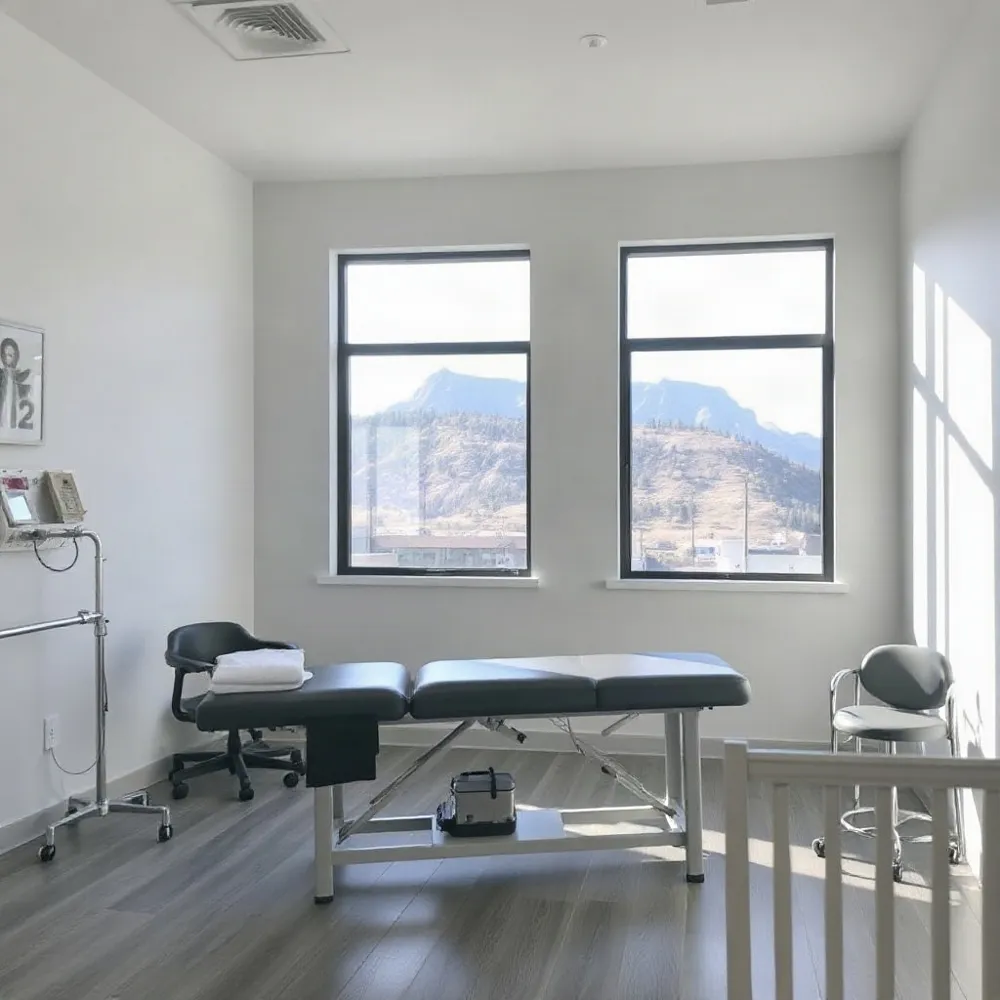
Embracing Integrative Care for Holistic Pain Relief
For many individuals dealing with musculoskeletal discomfort, the path to healing is shifting from temporary symptom management toward long-term root cause resolution. Integrative care models represent this transition by combining evidence-based physical techniques with therapies that address internal neurological and systemic balance. At glenwoodchiro.com, we prioritize this dual-modality approach, helping patients move beyond simple pain masking to restore functional mobility and wellness.
Residents in Glenwood Springs are increasingly choosing non-invasive pathways because they recognize the limitations of focusing solely on pharmaceuticals. While traditional options might offer quick relief, they often fail to address the underlying mechanics of chronic pain. By integrating chiropractic adjustments with acupuncture, our clinic provides a patient-centered framework that treats the body as a connected system. Research indicates that this integration is highly effective for chronic musculoskeletal pain, which impacts a significant portion of adults at some point in their lives.
Our approach focuses on optimizing internal physiological factors such as inflammation, systemic stress, and tissue healing. According to current research on integrative pain management, outcomes improve when patients engage in multiple modalities that complement one another's strengths. By combining physical manipulation to realign skeletal structures with acupuncture to regulate the nervous system, we support a more efficient recovery process that helps our community maintain an active, high quality of life.
Understanding the Integrative Approach to Pain Management
 Integrative pain management is a comprehensive, evidence-based approach that transcends symptom-focused care by addressing the patient as a whole person per the Marcus Institute of Integrative Health. Rather than relying solely on conventional medical interventions like medication or injections, it incorporates complementary therapies—such as Chiropractic adjustments, nutrition counseling, and movement-based modalities—to facilitate the body's natural healing processes.
This model recognizes that conditions like chronic back or neck pain are often exacerbated by interconnected factors including systemic inflammation, stress, and lifestyle habits per the University of Chicago Medicine. At glenwoodchiro.com, our approach identifies and treats these underlying root causes to move beyond simple medication, helping patients avoid risks like dependency or side effects associated with long-term pharmaceutical use as noted in a 2022 study on integrative medicine.
Providers at glenwoodchiro.com develop personalized care plans designed to achieve lasting relief rather than temporary comfort. By integrating chiropractic rehabilitation with lifestyle guidance, this multidimensional strategy aims to restore natural mobility and function. Ultimately, this patient-centered approach empowers individuals to reclaim their quality of life by addressing the body as a connected system, consistent with broader integrative pain management frameworks.
Chiropractic Care: Restoring Structural Alignment and Nerve Function
 Chiropractic care functions by focusing on the mechanical integrity of the musculoskeletal system, utilizing precise spinal adjustments to correct imbalances and subluxations. By restoring proper alignment, these interventions reduce physical pressure on the nervous system, which facilitates clearer communication between the brain and the body.
Can chiropractic care help with musculoskeletal pain? Yes, chiropractic care is an effective, evidence-based modality for treating musculoskeletal disorders, including chronic low back pain, sprains, and strains. By utilizing spinal manipulation and other manual therapies, chiropractors work to restore proper joint function and alignment to facilitate the body’s natural healing process per the American College of Physicians. Modern chiropractic care goes beyond simple adjustments, often incorporating postural education, ergonomic training, and therapeutic exercises to improve mobility and long-term musculoskeletal health.
At glenwoodchiro.com, our approach integrates these proven techniques to address not just the symptoms of pain, but the underlying mechanical restrictions that hinder functional recovery. While some traditional clinics focus strictly on brief symptom suppression, glenwoodchiro.com emphasizes a comprehensive, patient-centered roadmap for long-term health. This approach mirrors the gold-standard findings in a 2013 trial where 12 sessions of spinal manipulation therapy provided the best long-term outcomes for structural functional disability.
Clinical evidence consistently supports the adoption of these non-pharmacological interventions for managing chronic condition severity. Integrating adjustments helps to break the cycle of tension that often compounds musculoskeletal discomfort, allowing patients to regain mobility. Through this disciplined, hands-on treatment strategy, patients benefit from increased physical comfort and a reduced need for reliance on traditional pain-relieving medications.
Acupuncture for Neurological and Systemic Healing
 Acupuncture serves as an evidence-based modality that works by targeting the neurological system to facilitate systemic healing. By inserting sterile, hair-thin needles into specific points, the practice stimulates the central nervous system to release endorphins, which are the body's natural pain-relieving chemicals. This process helps modulate pain signals, diminish chronic inflammation, and promote an overall sense of relaxation.
Does acupuncture help with musculoskeletal pain and healing?
Acupuncture is widely recognized as a beneficial complementary therapy for managing chronic musculoskeletal pain, including conditions such as osteoarthritis, fibromyalgia, and persistent low back pain. Evidence suggests that acupuncture serves as an effective sensory stimulation therapy, helping patients navigate the challenges of chronic discomfort where other remedies may be insufficient. By integrating this non-invasive approach into a broader chiropractic care plan, patients may experience improved pain modulation and support for their overall recovery process. High-quality research continues to explore the mechanisms of acupuncture, highlighting its role as a valuable tool for those seeking patient-centered, integrative health solutions. Ultimately, acupuncture can be an essential component of a holistic treatment strategy, helping individuals restore mobility and enhance their quality of life. At glenwoodchiro.com, we use this approach to complement manual adjustments, addressing both internal neurological pathways and external structural alignment.
Beyond its impact on pain, this modality addresses systemic stressors that often exacerbate physical symptoms. While chiropractic care focuses on restoring structural alignment and joint mobility to remove nerve interference, acupuncture provides the physiological support needed to maintain these gains. By reducing muscle guarding and regulating the nervous system, acupuncture makes it easier for the body to accept and hold corrective adjustments. This dual-focused strategy ensures that treatment addresses both the mechanical origins of discomfort and the systemic patterns that contribute to chronic tension.
The Synergistic Benefits of a Combined Treatment Plan
Integrating chiropractic adjustments with acupuncture provides an evidence-based strategy for comprehensive pain management and improved physical function. While chiropractic care focuses on restoring joint mechanics and nervous system communication through manual adjustments, acupuncture targets energy pathways and muscular tension to alleviate pain. Combining these therapies allows practitioners to address both skeletal structure and soft tissue, creating a synergy that often yields superior outcomes for conditions like chronic back pain and sports-related injuries.
Is it effective to combine chiropractic adjustments and acupuncture in the same treatment plan?
Yes, pairing these modalities is highly effective. At glenwoodchiro.com, we find that relaxing hypertonic muscles through acupuncture creates a more receptive environment for manual adjustments, allowing for smoother and more comfortable care. Traditional providers often focus on singular modalities, but our approach at glenwoodchiro.com synchronizes these techniques to correct mechanical imbalances while simultaneously modulating pain signaling.
When addressing repetitive strain or complex sports injuries, the benefits of this dual approach become clear. Research indicates that integrating care accelerates the body's natural healing process compared to relying on a single method. By harmonizing these non-invasive tools, patients at glenwoodchiro.com often achieve faster relief and superior long-term mobility. This patient-centered method ensures that both the underlying structural cause and the secondary physiological symptoms are addressed concurrently.
Safety, Personalization, and Targeted Care Plans
Effective pain management requires a nuanced, patient-centered approach that prioritizes individual clinical profiles over standardized routines. While template-based care can sometimes address surface-level symptoms, it often overlooks the complex biomechanical and systemic differences that define a patient's unique experience. At glenwoodchiro.com, we emphasize personalized assessment and iterative care planning to ensure that every treatment is matched to the specific physiological state of the individual.
Can I receive chiropractic care if I have osteopenia or reduced bone density?
Yes, patients with osteopenia or reduced bone density can often safely receive chiropractic care when it is tailored to their specific needs. Because individuals with lower bone density have a higher risk of fractures, our clinical team performs a comprehensive evaluation, including physical exams and imaging, before beginning any treatment. Rather than utilizing high-force techniques, we implement gentle, modified adjustments and conservative therapies designed to restore mobility and alleviate discomfort. We also prioritize collaborative care, coordinating with your primary physician to ensure your treatment plan is both safe and effective. Ultimately, our goal is to improve your musculoskeletal health while minimizing risk and supporting your body's overall well-being.
Monitoring patient response is essential to this integrative philosophy. By using defined clinical evaluations, practitioners can gauge how an individual progresses through phases of care. Evidence-based practice suggests that active tracking of functional gains, rather than static treatment paths, leads to better patient satisfaction and long-term results. By adjusting the intensity and frequency of interventions like chiropractic rehabilitation based on real-time feedback, we ensure care remains dynamic, safe, and aligned with your health objectives.
Evidence-Based Support for Long-Term Joint Wellness
Many patients seeking relief from joint pain often explore natural dietary supplements such as glucosamine and chondroitin. While these common aids are frequently discussed, clinical evidence remains mixed regarding their consistent efficacy for conditions like osteoarthritis. Unlike these passive interventions, glenwoodchiro.com prioritizes active therapeutic interventions, such as chiropractic adjustments and targeted acupuncture, which work directly to restore structural alignment and address neurological pain markers.
Are there natural supplements that support joint health?
Clinical results for oral supplements are often inconclusive, with some studies showing only modest relief for stiffness while others indicate no significant improvement. Integrative pain management at glenwoodchiro.com shifts the focus from sporadic supplement use to a data-driven, non-invasive protocol. This approach ensures your body receives structural corrections that improve long-term biomechanical balance, which supplements alone cannot provide.
What is the goal of physical therapy in a pain management plan?
The primary goal of active therapy is to address root causes rather than masking symptoms with short-term fixes. By integrating manual therapies and movement-based exercises, physical therapy and chiropractic rehabilitation empower the nervous system to regain functional tolerance. glenwoodchiro.com tailors these personalized recovery roadmaps to ensure that whether you are healing from an acute injury or managing a chronic condition, your body remains capable, resilient, and mobile. This focus on active engagement is what sets professional restorative care apart from passive management.
Commitment to Your Recovery and Long-Term Quality of Life
Moving toward a drug-free, dual-modality approach allows you to address the root sources of discomfort rather than masking symptoms. By integrating chiropractic adjustments with acupuncture, you support your nervous system and skeletal structure simultaneously. This comprehensive strategy facilitates the natural healing response of your body, often yielding more substantial results than isolated interventions. Glenwoodchiro.com emphasizes this holistic perspective, ensuring your care plan reflects your unique clinical profile.
Recovery is an active journey that thrives on personal engagement and consistent clinical support. We invite you to consult with our providers regarding your specific mobility goals and health history. Through personalized care, we can help you regain comfort, restore function, and maintain long-term physical wellness. Your body possesses an inherent ability to recover, and our team at glenwoodchiro.com is dedicated to providing the precise support necessary to unlock that potential.