Understanding Degenerative Disc Disease and Its Natural Management
Degenerative Disc Disease (DDD) is a common condition characterized by the gradual wear and tear of spinal discs, primarily affecting the lumbar and cervical regions. This condition often results in pain, stiffness, and reduced mobility, significantly impacting quality of life, especially in individuals over 40.
DDD affects a large portion of the population, with higher prevalence noted as age advances. The discs lose hydration and elasticity, reducing their shock-absorbing ability, which can cause nerve irritation and inflammation.
Natural management approaches are crucial for DDD, emphasizing lifestyle modifications such as regular low-impact exercise, weight management, and posture correction. These strategies help slow disease progression by reducing spinal pressure and improving disc health.
Aging is the primary factor in DDD, but lifestyle choices like smoking, physical activity level, and nutrition also play significant roles. Holistic, non-invasive treatments prioritize maintaining spinal function and managing symptoms effectively without surgery.
Key Facts on Managing Degenerative Disc Disease Naturally
- Low-impact aerobic exercises like walking, swimming, and yoga promote gentle spinal movement and improve blood flow.
- A nutrient-rich, anti-inflammatory diet with omega-3s, vitamin D, calcium, magnesium, antioxidants, and hydration supports disc regeneration and reduces inflammation.
- Maintaining a healthy weight and proper posture minimizes spinal stress, slows degeneration, and prevents further disc damage.
- Stress management techniques such as mindfulness, yoga, and guided imagery reduce muscle tension, inflammation, and perceived pain.
- Chiropractic care and physical therapy** help realign the spine, strengthen supporting muscles, and reduce nerve pressure, easing symptoms.
- Exercises like Pilates and aquatic therapy** enhance core strength, improve posture, and offer low-impact support for spinal health.
- Complementary therapies including acupuncture and prolotherapy can stimulate healing and reduce pain through neurochemical and tissue repair mechanisms.
- Implementing personalized care plans combining lifestyle modifications optimizes natural healing and maintains long-term spinal health.
- Avoiding high-impact activities protects discs from further wear and tear, enhancing overall spinal stability.
- Proper ergonomics, stretching, and regular movement** help preserve spinal alignment, reduce strain, and slow degeneration.
1. Incorporate Regular Low-Impact Exercise to Strengthen and Support Your Spine

Benefits of Low-Impact Aerobic Exercises for Degenerative Disc Disease
Low-impact aerobic activities like walking swimming and yoga benefits are highly beneficial for individuals managing Degenerative Disc Disease. These exercises promote gentle movement without placing excessive strain on spinal structures, making them ideal for maintaining activity safely.
Enhancing Disc Health Through Increased Blood Flow
Engaging in regular low-impact exercise increases blood circulation around the spine. This enhanced flow delivers crucial oxygen and nutrients to intervertebral discs, which is vital since discs rely on diffusion for nourishment due to limited direct blood supply.
Strengthening Supportive Muscles
Exercise plays a crucial role in strengthening the muscles of the back and core. A stronger muscular framework provides better spinal support, reduces the mechanical load on weakened discs, and helps maintain proper alignment, minimizing further degeneration.
Avoiding High-Impact Activities
High-impact activities such as running or heavy lifting may exacerbate disc wear and tear. Carefully choosing low-impact exercises prevents undue stress on discs while still promoting overall spinal health.
Reducing Inflammation and Enhancing Mobility
Regular physical activity contributes to Reducing inflammation in disc pain. It also improves flexibility and joint mobility, which helps alleviate pain and stiffness commonly seen in degenerative disc disease overview.
How Does Exercise Help Manage Degenerative Disc Disease Naturally?
Regular low-impact exercise such as walking swimming and yoga benefits increases blood flow to the spine, delivering oxygen and nutrients essential for disc health. Exercise strengthens the muscles supporting the spine, reduces inflammation, and promotes mobility, all helping to alleviate pain and slow degeneration.
2. Adopt an Anti-Inflammatory Diet Rich in Essential Nutrients

What role does nutrition play in managing degenerative disc disease naturally?
Nutrition plays a critical role in managing Nutrition and DDD management by reducing inflammation, supporting disc hydration, and strengthening spinal bones and cartilage. A diet that emphasizes Anti-inflammatory diets and disc pain foods can help maintain the discs’ water content and elasticity, which are essential for shock absorption and spinal flexibility.
Key nutrients to support spinal disc health
Several nutrients are vital for the regeneration and maintenance of intervertebral discs:
- Omega-3 fatty acids: These healthy fats help reduce inflammation around the spinal discs.
- Vitamin D and calcium: Both are essential for strong bones and may slow the progression of disc degeneration.
- Magnesium: Supports muscle and nerve function around the spine.
- Antioxidants (e.g., vitamins C and E): Protect disc cells from oxidative damage that accelerates aging.
- Lean proteins and collagen: Important for repairing the extracellular matrix repair in spinal discs.
Recommended anti-inflammatory foods
Incorporate the following into your daily meals to foster spinal health:
- Leafy green vegetables (spinach, kale) rich in antioxidants and minerals.
- Fatty fish like salmon and mackerel, high in omega-3s.
- Colorful berries and citrus fruits to provide vitamins and antioxidants.
- Turmeric and ginger spices known for their natural anti-inflammatory properties.
- Whole grains to support sustained energy and reduce systemic inflammation.
Hydration’s importance
Adequate fluid intake is key to maintaining disc hydration and nutrient diffusion within the spine. Aim for at least 8–10 glasses of water daily and include hydrating foods such as cucumbers and melons. Proper hydration helps maintain disc flexibility and slows degeneration.
In summary, embracing an Anti-inflammatory diet for spinal health rich in essential nutrients and maintaining optimal hydration supports the natural regeneration processes of spinal discs, potentially easing pain and slowing the progression of degenerative disc disease.
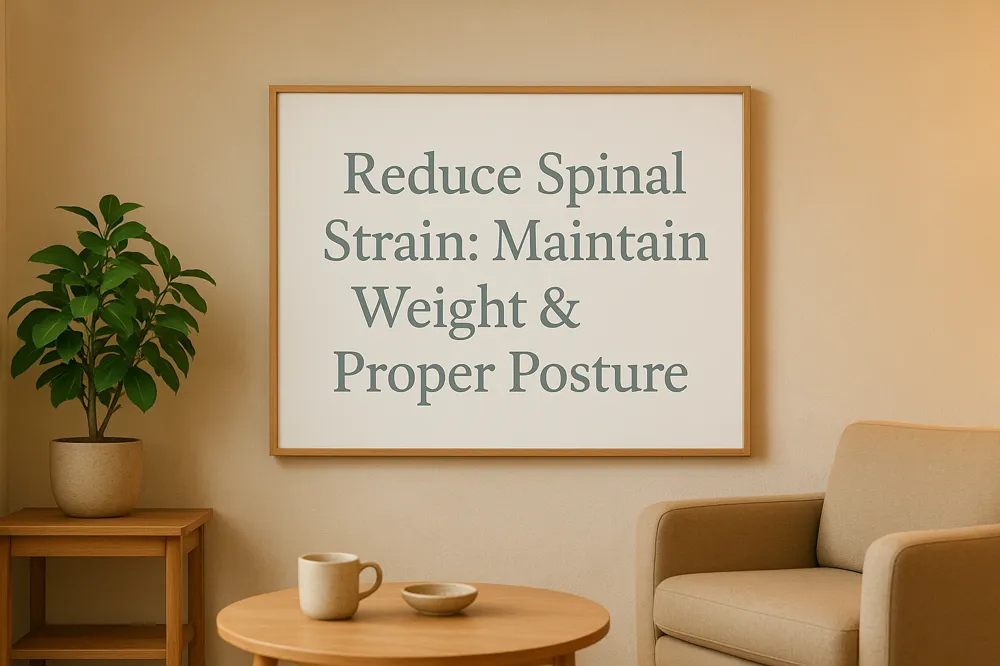
3. Maintain a Healthy Weight and Posture to Reduce Spinal Stress
How does excess weight affect spinal discs?
Excess body weight significantly increases pressure on intervertebral discs, particularly in the lumbar region where most degenerative disc disease (DDD) occurs. This additional load accelerates disc wear and tear by promoting dehydration, thinning, and loss of shock-absorbing capacity. Obesity also elevates the risk of inflammation, further exacerbating disc degeneration and pain.
Why is weight management important for slowing disease progression?
Maintaining a healthy weight reduces mechanical stress on spinal discs, helping to slow degeneration. Weight control also decreases the likelihood of associated conditions such as osteoarthritis and spinal stenosis. Regular low-impact exercise coupled with nutritional support optimized for bone and disc health aids in preserving spinal function and alleviating symptoms.
How does posture influence spinal load and disc health?
Good posture minimizes abnormal forces on the spine during sitting, lifting, and routine activities. Prolonged poor posture, such as slouching or improper lifting techniques, increases spinal strain and accelerates disc deterioration. Maintaining spinal alignment promotes even load distribution, reducing stress on vulnerable discs. See Posture tips for degenerative disc disease for more details.
What ergonomic considerations protect the spine?
Ergonomic adjustments include using chairs with lumbar support, keeping feet flat on the floor, and ensuring work surfaces are at an appropriate height to avoid leaning or twisting. Proper lifting involves bending at the knees rather than the waist, keeping the object close to the body and avoiding sudden movements to prevent spinal overload. These recommendations are part of lifestyle tips to ease degenerative disc pain.
What are tips for preserving spinal alignment naturally?
- Engage in core-strengthening exercises like yoga and Pilates for Degenerative Disc Disease to support spinal stability.
- Practice daily stretching to maintain flexibility.
- Maintain awareness of posture during all activities.
- Use supportive footwear and avoid prolonged sitting without breaks.
- Stay hydrated and consume anti-inflammatory nutrients to support disc health, as explained in Nutrition for spine and disc health.
Why is maintaining a healthy weight and posture crucial for managing degenerative disc disease?
Excess body weight adds pressure on spinal discs, speeding up their wear and tear. Good posture during daily activities minimizes strain on the spine, preventing worsening symptoms. Together, they reduce pain and help preserve spinal integrity naturally, as part of comprehensive lifestyle changes for degenerative disc disease.
4. Utilize Stress Management and Relaxation Techniques to Alleviate Pain

How can stress management contribute to natural relief in degenerative disc disease?
Stress plays a significant role in worsening back pain associated with Degenerative Disc Disease by increasing muscle tension and promoting inflammation around the spine. Elevated stress levels trigger muscle spasms and tighten the supportive muscles, further straining already compromised spinal discs.
Impact of stress and muscle tension on back pain and disc health
Increased muscle tension exacerbates pain by restricting blood flow and nutrient delivery to spinal tissues, intensifying inflammation and hindering healing processes. This cycle can accelerate degeneration and limit mobility.
Relaxation methods such as mindfulness, deep breathing, yoga, and guided imagery
Incorporating relaxation techniques helps break this cycle. Mindfulness and deep breathing exercises calm the nervous system, reducing stress hormone levels and muscle tightness. Yoga offers gentle stretching that not only promotes relaxation but also strengthens supporting muscles and improves posture.
Guided imagery and other relaxation practices ease both physical and mental distress, decreasing perceived pain intensity.
How reducing stress lowers muscle spasms and inflammation
By lowering stress, these techniques reduce the secretion of inflammatory chemicals and decrease muscle spasms, easing pressure on spinal nerves and tissues. This natural effect supports pain relief without reliance on medications.
Incorporation of these techniques into a natural pain management plan
Integrating stress management with other lifestyle changes for degenerative disc disease—such as regular low-impact exercise, maintaining proper posture, and a nutrient-rich diet—creates a holistic approach essential for effective DDD management.
Improvement in quality of life and mobility
Regular practice of relaxation methods not only lessens pain but also enhances mobility and overall quality of life. Patients report better sleep, decreased anxiety, and greater capacity to engage in daily activities, supporting long-term spine health and function.
5. Explore Complementary Non-Invasive Therapies like Chiropractic Care and Physical Therapy

How Do Chiropractic Adjustments Help With Degenerative Disc Disease?
Chiropractic care involves gentle spinal realignments to reduce inflammation and correct misalignments that stress the discs. This approach can alleviate pain and improve spinal function by targeting the spine's biomechanics. Chiropractors also guide patients through exercises for Degenerative Disc Disease and stretches that support spinal health and mobility.
What Physical Therapy Modalities Support Disc Health?
Physical therapy uses a variety of techniques to manage symptoms and enhance spine stability:
- Targeted stretching and core strengthening exercises improve flexibility and muscular support around the spine.
- Heat and cold therapy reduce muscle tension and inflammation, providing symptom relief.
- Massage and traction help relieve pressure on affected discs and nerves.
Learn more about Physical therapy for spine health.
How Do Pilates and Aquatic Therapy Benefit Spinal Stabilization?
Exercises like Pilates focus on controlled movements that build core strength and improve posture, which can reduce disc stress. Aquatic therapy offers low-impact resistance and buoyancy, allowing patients to exercise safely while minimizing spinal loading. Both practices enhance muscle balance and spinal stability, slowing degenerative processes. For additional insights, see Degenerative Disc Disease treatments.
What Role Do Alternative Therapies Play?
Complementary therapies such as Acupuncture for pain relief can stimulate neurochemical release to reduce pain and inflammation. Prolotherapy injects solutions to encourage growth and strengthen spinal ligaments weakened by degeneration. These methods serve as adjuncts to standard care, contributing to comprehensive pain management and tissue repair. More information on Alternative treatments for degenerative disc disease can be found here.
Why Is a Personalized Care Plan Important?
Managing degenerative disc disease requires an individualized approach to address unique symptoms and lifestyle factors. A care plan combining chiropractic adjustments, physical therapy modalities, alternative treatments, and patient-specific exercises promotes natural healing processes. Such plans optimize pain control, improve function, and enhance long-term spine health. Explore more about lifestyle modifications for spinal health and Lifestyle changes for degenerative disc disease.
A Holistic Lifestyle Approach is Key to Managing Degenerative Disc Disease Naturally
Holistic Lifestyle Strategies for Managing Degenerative Disc Disease
Managing degenerative disc disease effectively involves a comprehensive lifestyle approach combining exercise, nutrition, weight control, stress management, and professional therapies.
Regular low-impact exercise like walking, swimming, and yoga improves blood flow, strengthens spinal support muscles, and enhances flexibility. A nutrient-rich diet with omega-3 fatty acids, vitamin D, calcium, and antioxidants supports disc hydration and reduces inflammation. Maintaining a healthy weight alleviates spinal pressure, slowing disc degeneration and reducing symptoms.
Stress reduction techniques such as mindfulness and deep breathing decrease muscle tension and lower pain. Complementary therapies like chiropractic care, physical therapy, and acupuncture provide symptom relief and promote spine function.
Ongoing commitment to these natural interventions, supported by professional guidance, empowers individuals to manage their condition, improve quality of life, and potentially slow disease progression without invasive treatments.