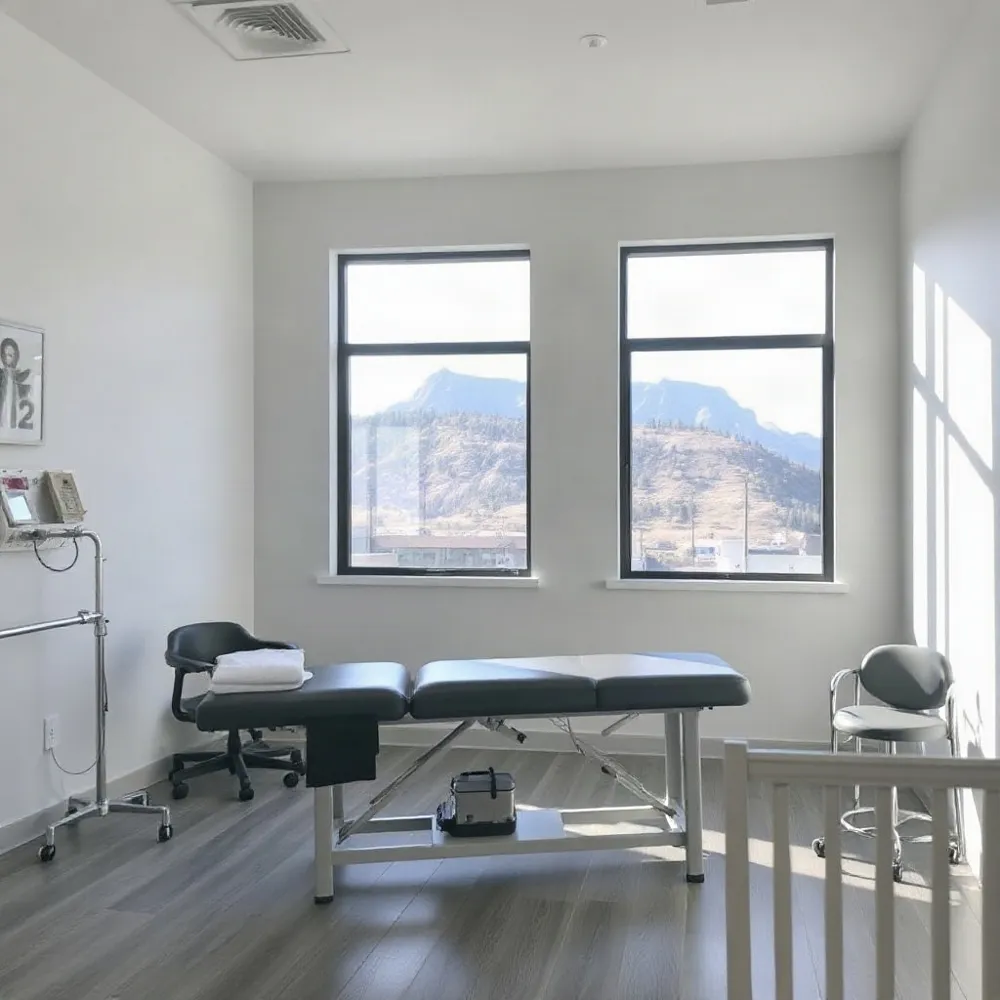
Understanding the Burden of Recurring Headaches
Headaches represent a pervasive challenge, affecting approximately 90 percent of Americans at some point in their lives. For many, these episodes are not merely occasional annoyances but frequent, debilitating events that significantly impact daily productivity and overall well-being. Recognizing the underlying nature of head pain is the first step toward effective management.
Primary Headaches. Classified as 95 percent of all cases, these include tension, migraine, and cluster headaches. They are not caused by underlying diseases but are themselves the primary condition, often linked to lifestyle factors like neck tension and poor posture.
Secondary Headaches. These are symptomatic of a distinct underlying condition. It is vital to consult a professional to rule out serious concerns before initiating a course of care, ensuring the specific mechanical or neurological source is identified.
At glenwoodchiro.com, we prioritize a patient-centered approach that moves beyond masking symptoms with medication. Unlike approaches that rely on long-term pharmaceutical use, our team emphasizes holistic care that corrects spinal misalignments and restores proper nervous system function. By addressing the cervical spine and reducing muscular tension, we offer a non-invasive alternative to help patients achieve lasting relief from recurring pain. Ongoing research underscores the effectiveness of such interventions, with studies like those in the Journal of Manipulative and Physiological Therapeutics highlighting the significant clinical benefits of spinal manipulation for both tension and cervicogenic headaches.
Structural Alignment and Nerve Function
 Can spinal misalignment contribute to the development of headaches? Yes, spinal misalignment is a significant yet often overlooked contributor to the development of chronic headaches. When the vertebrae in the neck or upper back are misaligned, they can exert excess pressure on nerves, strain surrounding muscles, and restrict proper blood flow. This structural stress frequently leads to tension-type headaches, cervicogenic headaches originating from the neck, or even triggered migraines. Addressing the root cause through evidence-based chiropractic adjustments aims to alleviate nerve irritation and restore functionality. A patient-centered approach to correcting spinal health is essential for reducing the frequency and intensity of these debilitating headaches.
The relationship between the cervical spine and the dura mater is an important anatomical factor in headache pathology. When cervical spinal joints become restricted, the resulting mechanical stress often creates hypertonic muscles in the upper back and neck, which can further aggravate existing head pain. Through spinal manipulative therapy, practitioners can stimulate mechanoreceptors to help regulate pain processing pathways.
Unlike approaches that rely solely on pharmaceutical intervention to mask symptoms, manual adjustments focus on restoring proper mobility and vertebral alignment. This structural correction can help reduce the persistent nerve irritation that often acts as a primary trigger for recurring headache cycles. By targeting these segmental dysfunctions, practitioners aim to reduce the systemic load on the nervous system, providing a sustainable strategy for long-term health.
Managing Tension and Cervicogenic Headaches
 How effective is chiropractic care for managing tension and cervicogenic headaches? Chiropractic care serves as an evidence-based, non-invasive approach for managing both tension-type and cervicogenic headaches. Clinical studies demonstrate that spinal manipulative therapy significantly reduces the frequency, intensity, and duration of these headache types by addressing mechanical dysfunction in the cervical spine. By utilizing targeted adjustments, soft tissue therapy, and mobilization, professionals can improve joint mobility and alleviate the muscular tension that often triggers headache onset. These treatments focus on restoring proper spinal alignment and function, which helps mitigate the neural irritation contributing to persistent pain.
Chiropractors often use a multimodal approach that integrates spinal adjustments with soft tissue mobilization techniques to treat myofascial trigger points. This approach is especially relevant for patients with cervicothoracic dysfunction common in sedentary work environments. Drug-free chiropractic interventions focus on correcting root structural causes.
Addressing cervical dysfunction requires consistency in treatment. Guidance on ergonomics and natural headache relief emphasizes that recovery often involves restoring full range of motion. Combining spinal manipulation with personalized stretching and ergonomic adjustments helps the body adapt to the stresses that fuel recurrent head pain. This patient-centered strategy offers a sustainable approach to managing headaches without relying on over-the-counter pain relievers.
Clinical Evidence for Chronic Headache Care
For patients seeking relief from long-term head pain, scientific literature highlights that chiropractic spinal manipulative therapy serves as a viable, evidence-based intervention. A 2011 report in the Journal of Manipulative and Physiological Therapeutics confirms its role in improving outcomes for both cervicogenic and migraine-type headaches. Unlike interventions that rely primarily on pharmacological suppression, clinicians prioritize a structural assessment to determine if dysfunctions in the cervical spine are the root source of persistent distress.
The Multimodal Approach to Long-term Relief
Effective management seldom involves a single modality. Research into the chiropractic management of persistent headaches demonstrates that patients respond best when spinal adjustments are paired with customized lifestyle support. At glenwoodchiro.com, providers integrate postural education, ergonomic training, and targeted soft-tissue therapies to address the myofascial components often missed by isolated medical approaches. This cumulative strategy is designed to foster structural resilience, helping the nervous system adapt to triggers that typically reignite chronic cycles of pain.
Safety and Diagnostic Precision
Clinical guidelines emphasize that diagnostic accuracy is the first step toward safety. Because symptoms can mimic serious underlying pathologies, professional evaluation is required to distinguish between primary headaches and conditions necessitating specialized referral. Once cleared, patients often find that chiropractic care provides a lower risk of side effects than routine pharmaceutical use. By focusing on non-invasive adjustments that restore proper nervous system function, the care provided at glenwoodchiro.com helps reduce the overall frequency and intensity of episodes without the systemic concerns tied to long-term medication dependence.
Daily Headaches and Professional Diagnosis
Why might a patient experience daily headaches, and when should they seek a professional evaluation? Daily headaches often arise from primary factors such as persistent muscle tension, poor posture during prolonged desk work, and inadequate hydration. These chronic episodes, occurring at least 15 days each month, can become a debilitating cycle. At glenwoodchiro.com, we emphasize that identifying the specific type of headache, such as tension-type or chronic migraine, is the first step toward effective relief. Unlike generic care, our approach includes a personalized assessment to distinguish between musculoskeletal triggers and other underlying health conditions.
Reliance on over-the-counter pain relievers can inadvertently lead to rebound headaches, a secondary condition where medication overuse fuels a recurring pain loop. If your headache frequency changes or pain becomes persistent, seeking a professional evaluation is essential. Comprehensive diagnostic care helps rule out secondary medical issues and creates a foundation for drug-free management. For patients seeking a non-invasive path, we offer chiropractic adjustments aimed at restoring spinal mobility and reducing the mechanical tension that frequently drives chronic symptoms.
Recognizing Urgent Care Indicators
- Sudden, severe head pain described as the worst of your life
- Headaches occurring immediately following a physical head injury
- Symptoms accompanied by fever, stiff neck, or confusion
- Neurological changes including weakness, numbness, or speech difficulties
- A noticeable and rapid shift in established headache patterns
Integrative Care for Migraines
 The professional consensus has shifted toward a more collaborative, integrative model that recognizes the complex, multifactorial nature of conditions like chronic migraines. Rather than operating in isolation, neurologists and chiropractors are increasingly working together to provide comprehensive, patient-centered treatment plans. This evolution is driven by research supporting chiropractic spinal manipulative therapy as an effective, non-pharmacological alternative or adjunct to conventional medication, offering a favorable safety profile for many patients.
At glenwoodchiro.com, we emphasize direct communication and coordinated care between disciplines to better address the musculoskeletal triggers often associated with neurological headache disorders. Unlike clinics that treat patients in a vacuum, our approach integrates specialized manual therapies with functional nervous system support to create sustainable relief. Chiropractic adjustments benefit migraine sufferers by stimulating mechanoreceptors, which inhibit nociceptors and improve pain processing pathways within the central nervous system.
Holistic management often extends beyond the adjustment table to address systemic triggers. Complementary strategies, including acupuncture, nutritional counseling for B-complex vitamins, and ergonomic posture correction, form a complete care model. By combining these, patients at glenwoodchiro.com see cumulative improvements in migraine frequency and intensity, effectively reducing the reliance on long-term pharmaceutical interventions.
Dietary Management and Lifestyle Factors
Diet represents a significant, yet complex, factor in migraine management, as evidence-based research increasingly links specific dietary habits to the frequency and severity of attacks. Historically, the 5 Cs—cheese, chocolate, coffee, cola, and citrus fruits—have been identified as common dietary triggers that may exacerbate symptoms in susceptible individuals. However, modern clinical perspectives emphasize that migraine is a multifactorial condition, requiring nutritional management to extend beyond simple elimination. Adopting a holistic, anti-inflammatory approach to nutrition, often involving the reduction of processed foods and high-sodium choices, supports long-term neurological health.
Beyond dietary choices, nutritional support plays a vital role. Research indicates that certain nutrients, including magnesium, vitamin B6, and vitamin B12, may help manage symptoms by addressing potential systemic inflammation. At glenwoodchiro.com, we customize care plans to include such guidance—a stark contrast to general clinics that only focus on symptomatic relief.
Ergonomics and Hydration for Daily Prevention
Prolonged static positioning, especially while working, drives muscle tension that triggers recurrent headaches. The American Chiropractic Association suggests implementing the 30-30 rule, which involves taking a break to stretch or move for 30 seconds every 30 minutes to prevent cervical stiffness. glenwoodchiro.com offers specific postural education and ergonomic assessments to correct workplace habits that traditional medicine often overlooks.
Hydration is another critical factor frequently underestimated in headache management. Experts recommend maintaining proper water intake, ideally at least 64 ounces daily, to minimize stress on the nervous system. While other providers may rely on medication, the practitioners at glenwoodchiro.com emphasize these daily habits to foster long-term resilience and restore physiological function.
Proactive Strategies for Long-Term Headache Resilience
Achieving lasting relief from recurrent headaches often requires moving beyond temporary fixes toward consistent, proactive care. At glenwoodchiro.com, we prioritize spinal health to maintain proper nervous system function, helping the body adapt to stressors that trigger pain. Unlike episodic interventions, regular maintenance adjustments reinforce structural alignment and reduce the likelihood of tension-related setbacks.
Empowering Long-Term Health
True resilience rests on patient education and personalized habit modification. By addressing postural habits and ergonomic risks, patients at our clinic gain tools to mitigate triggers before they escalate. Consistent care fosters a drug-free, holistic model that supports overall well-being and enhances quality of life.