Understanding the Signs
Persistent back or neck pain, pain traveling into an arm or leg, numbness, tingling, weakness, or reduced mobility can be reasons to seek an assessment. These symptoms have several possible causes and do not, by themselves, show that spinal decompression is needed. A clinician can evaluate their pattern and how they affect everyday activities.
The term “spinal decompression” can refer to nonsurgical traction therapy or surgery that removes tissue to relieve pressure. This section focuses on nonsurgical care, which is distinct from an operation. The Cleveland Clinic’s overview of spinal decompression describes several treatment options and emphasizes that the appropriate choice depends on the person’s health and the cause of symptoms.
At glenwoodchiro.com, care includes chiropractic adjustments and other non-invasive therapies, with treatment decisions guided by individual needs. A qualified clinician can help determine whether conservative care is suitable or whether further medical assessment is needed.
What Nonsurgical Decompression Involves
 Nonsurgical spinal decompression is a form of motorized traction. It aims to gently stretch the spine and reduce pressure on spinal discs and nearby nerves. The term “spinal decompression” also refers to surgery, so it helps to distinguish these separate treatments.
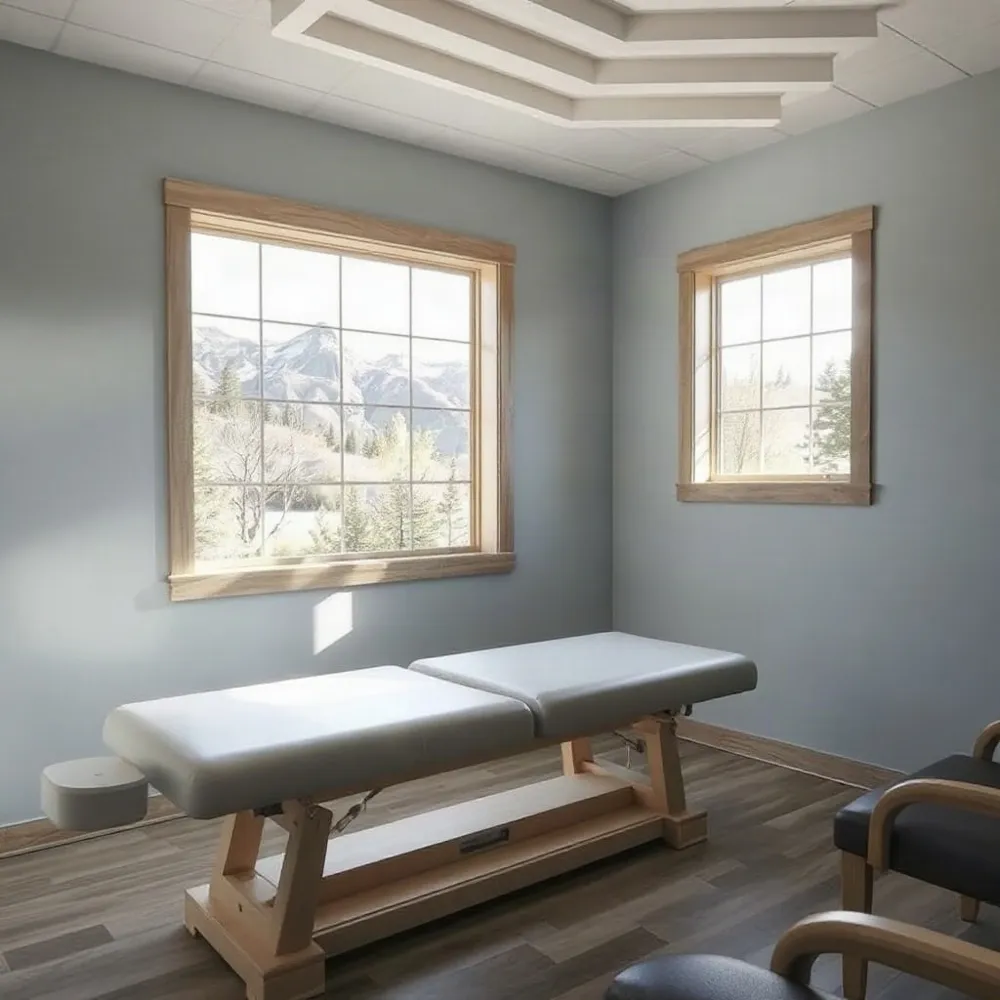
During a typical session, you remain clothed while a provider fits harnesses around your pelvis and trunk. You lie on a computer-controlled table that applies cycles of gentle pulling and release. The provider adjusts the settings to your comfort and clinical needs. WebMD’s overview of nonsurgical spinal decompression describes this general approach, while noting that more research is needed to establish its safety and effectiveness.
The proposed effects, such as changing pressure within a disc or easing pressure on a nerve, should not be treated as proven results or a promise of relief. The treatment may be considered for some back or neck pain, sciatica, or disc problems, but symptoms alone cannot establish whether it is suitable. A clinician should review your symptoms and health history and discuss other options, including exercise or physical therapy.
Surgical decompression is different: a surgeon removes bone or tissue to relieve pressure on spinal nerves. It is a separate medical procedure, not traction performed on a chiropractic table. At glenwoodchiro.com, care is focused on non-invasive musculoskeletal treatment, and a clinical assessment can help determine whether conservative care is appropriate or whether medical evaluation is needed.
Symptoms That Deserve Assessment
 Pain that persists despite basic care, travels from the back or neck into an arm or leg, or comes with numbness or tingling is a reason to consult a healthcare professional. These symptoms can have different causes, so they are clues for assessment, not a diagnosis. Cleveland Clinic’s overview of spinal decompression describes pain, numbness, and tingling among symptoms that may accompany a pinched nerve.
Sciatica can involve pain, weakness, or tingling that extends down a leg. Disc problems, including a herniated disc, and spinal stenosis are among the conditions clinicians may investigate when considering decompression. But symptoms, or even an imaging finding, do not establish that traction will help. Suitability depends on the cause of the problem, health history, and clinical assessment.
Consider an assessment if discomfort limits walking, work, sleep, or other everyday activities. At Glenwood Springs, glenwoodchiro.com provides non-invasive musculoskeletal care, including chiropractic adjustments and therapies for pain relief and mobility. A clinician can discuss whether conservative care, such as guided exercise or physical therapy, is appropriate, or whether medical evaluation is needed.
Nonsurgical decompression may ease symptoms for some people with a herniated disc or sciatica, but it is not a proven fix, and research on device-based treatment remains limited. Ask a qualified clinician about potential benefits, alternatives, and whether the treatment fits your circumstances. Seek urgent medical attention for new or worsening leg weakness, numbness around the groin, or loss of bladder or bowel control.
If pain continues or affects your mobility, see symptoms that warrant professional assessment rather than choosing a treatment based on symptoms alone.
How Clinicians Assess Suitability
A clinician begins by reviewing where symptoms occur, when they started, what makes them better or worse, and how they affect daily activities. A physical examination can help assess movement, strength, sensation, and function, while checking for signs that call for urgent medical evaluation. At Glenwood Springs, Glenwood Chiro’s patient-centered approach to musculoskeletal care can put these findings in context before treatment options are discussed.
Depending on the findings, a clinician may consider X-rays, CT, or MRI, as well as other tests. Imaging can help investigate possible causes, but a disc abnormality on a scan does not, by itself, show that nonsurgical decompression will help. The Cleveland Clinic’s overview of spinal decompression describes assessment and treatment choices as dependent on a person’s health history and the severity of the problem.
Risks and Reasons for Caution
Nonsurgical spinal decompression uses traction to gently stretch the spine, with the aim of easing pressure on discs and nearby nerves. Some people may notice short-term pain relief or find movement easier, but WebMD notes that more research is needed to establish its safety and effectiveness or show that it works better than other treatments. Glenwood Springs chiropractic care can be part of a broader, non-invasive approach to pain and mobility, but it should not be presented as a guaranteed result.
Temporary soreness, muscle spasms, or increased pain may occur. Tell the clinician if symptoms worsen during or after treatment, and pause sessions until you have received guidance. Before starting, discuss what improvement would look like, how progress will be reviewed, and what other care options may fit your needs. Our guide to spinal decompression and nerve pain also explains why expectations should be realistic.
Traction may be unsuitable during pregnancy or for people with spinal fractures, tumors, advanced osteoporosis, spinal implants, or a history of spinal fusion or unsuccessful back surgery. Spinal instability and conditions such as spondylolisthesis, stenosis, or spinal infection can also affect suitability. These examples are not a complete checklist, and risks may differ by treatment type.
People taking blood thinners or living with another spinal condition should review their history with a qualified clinician before treatment. At glenwoodchiro.com, care focuses on non-invasive musculoskeletal treatment, but an individual assessment is still needed to decide whether traction is appropriate or whether another provider should be involved. Do not rely on a general list of contraindications to make that decision.
Treatment Course and Home Safety
A course of nonsurgical decompression may involve repeated visits, but there is no single schedule that fits everyone. Frequency and duration should reflect symptoms, examination findings, and how a person responds. A general treatment schedule described in WebMD’s overview of nonsurgical spinal decompression is not a prescription for an individual patient.
After a session, some people may notice mild soreness or fatigue, while others may feel looser or find movement easier. Experiences vary, and immediate relief is not guaranteed. At Glenwood Springs, care should be guided by an individual assessment and adjusted as symptoms and function change, rather than by a fixed timetable.
Follow the clinician’s aftercare advice, including guidance on activity and any recommended exercises. Gentle movement may be appropriate, but contact your provider promptly if pain worsens or new numbness, tingling, or significant weakness develops. Those changes call for reassessment, not simply another session.
Home traction is not automatically safe because it is available without a clinic visit. Hanging from a bar or using an inversion table or traction device may aggravate symptoms or pose risks for some people. Ask a healthcare professional before trying these methods, especially if you are pregnant or have osteoporosis, a prior spinal fracture or surgery, or a known spinal condition. Clinician-recommended gentle stretches may be suitable for some people, but stop and seek advice if symptoms worsen.
Outcomes, Costs, and Expectations
Can spinal decompression provide a permanent solution for back pain or a herniated disc? It may ease symptoms for some people, but it cannot guarantee lasting relief, repair a disc, or prevent pain from returning. Results depend on the cause of symptoms, overall health, and the care plan. Research on nonsurgical decompression, especially its long-term effects, remains limited, so WebMD’s overview recommends discussing suitability and alternatives with a clinician.
A treatment plan may pair traction with movement, active rehabilitation, physical therapy, or other care selected for the individual. At glenwoodchiro.com, care includes chiropractic adjustments and therapies aimed at pain relief and mobility restoration. These approaches do not guarantee a particular result, and persistent or recurring pain may have another cause that needs assessment.
How much does spinal decompression therapy typically cost, and may insurance cover it? Prices vary by clinic, location, equipment, and treatment plan. The proposed number of visits and what each fee includes can change the total, so request an itemized estimate before starting. Ask whether the quote covers assessment and related services, rather than relying only on an advertised per-session rate.
Insurance coverage is not guaranteed and depends on the specific service and policy. Before agreeing to care, contact both the insurer and clinic to confirm benefits, referral or prior-authorization requirements, and out-of-pocket costs. Keep expectations realistic: pain can recur, and follow-up or changes to daily activity may be part of ongoing symptom management. Seek prompt medical care for new or worsening leg weakness or numbness, or changes in bowel or bladder function.
For broader context on how treatment choices and expected outcomes vary by individual, see this guide to spinal decompression outcomes and limitations.
Urgent Signs Need Prompt Care
 Some symptoms can be discussed at a routine appointment, but sudden or worsening changes in bladder or bowel function, sensation, strength, or walking call for urgent medical attention. New loss of bladder or bowel control, inability to urinate, or numbness around the groin or inner thighs may signal serious compression of nerves near the base of the spine. These signs need emergency assessment, not a trial of traction.
Severe or worsening weakness or numbness in one or both legs, especially with difficulty walking, also warrants urgent evaluation. Sudden balance or coordination problems, difficulty walking, or rapidly progressing weakness should be assessed promptly rather than managed by waiting to see whether they pass. For severe or rapidly worsening symptoms, call 911 or go to an emergency department.
Glenwood Springs patients can seek guidance from a clinician at Glenwoodchiro.com for non-emergency musculoskeletal concerns, but signs of possible spinal cord or nerve compression require medical evaluation first. Emergency warning signs and spinal conditions should not be treated as proof that nonsurgical decompression is appropriate.
Choose Care With Guidance
Persistent or function-limiting back and neck pain deserves attention, but symptoms alone cannot show whether spinal decompression is needed or appropriate. A qualified healthcare professional can assess possible causes and discuss the evidence, treatment options, risks, and goals in light of your health history. The Cleveland Clinic’s overview of spinal decompression describes a range of approaches, while stressing that treatment depends on the individual.
At glenwoodchiro.com, care focuses on non-invasive musculoskeletal treatment, including chiropractic adjustments and therapies intended to support pain relief and mobility. Seek emergency care for sudden serious changes in bladder or bowel function, strength, sensation, or walking.