When the Swing Hurts
A round can be going well until a familiar ache in your lower back makes each swing feel uncertain. Pain that interrupts practice or play is frustrating, especially when it is not clear what movement is aggravating it.
Golf asks the body to rotate repeatedly, and discomfort felt in one spot may relate to movement elsewhere, such as limited hip or upper-back mobility. Research on golf-related low back pain discusses how swing demands and movement restrictions may contribute to stress on the spine, while noting that causes vary between golfers (review of golf-related low back pain).
A Titleist Performance Institute (TPI) assessment is a movement screen that can help identify physical limitations or compensations relevant to a golf swing. It is not a diagnostic test and cannot, by itself, prove what caused pain. At glenwoodchiro.com, care focuses on non-invasive musculoskeletal treatment and mobility, with findings serving as a starting point for a conversation about your needs.
Assessment results can help inform individualized next steps, but what helps and how quickly symptoms change differs from person to person.
What a TPI Assessment Examines
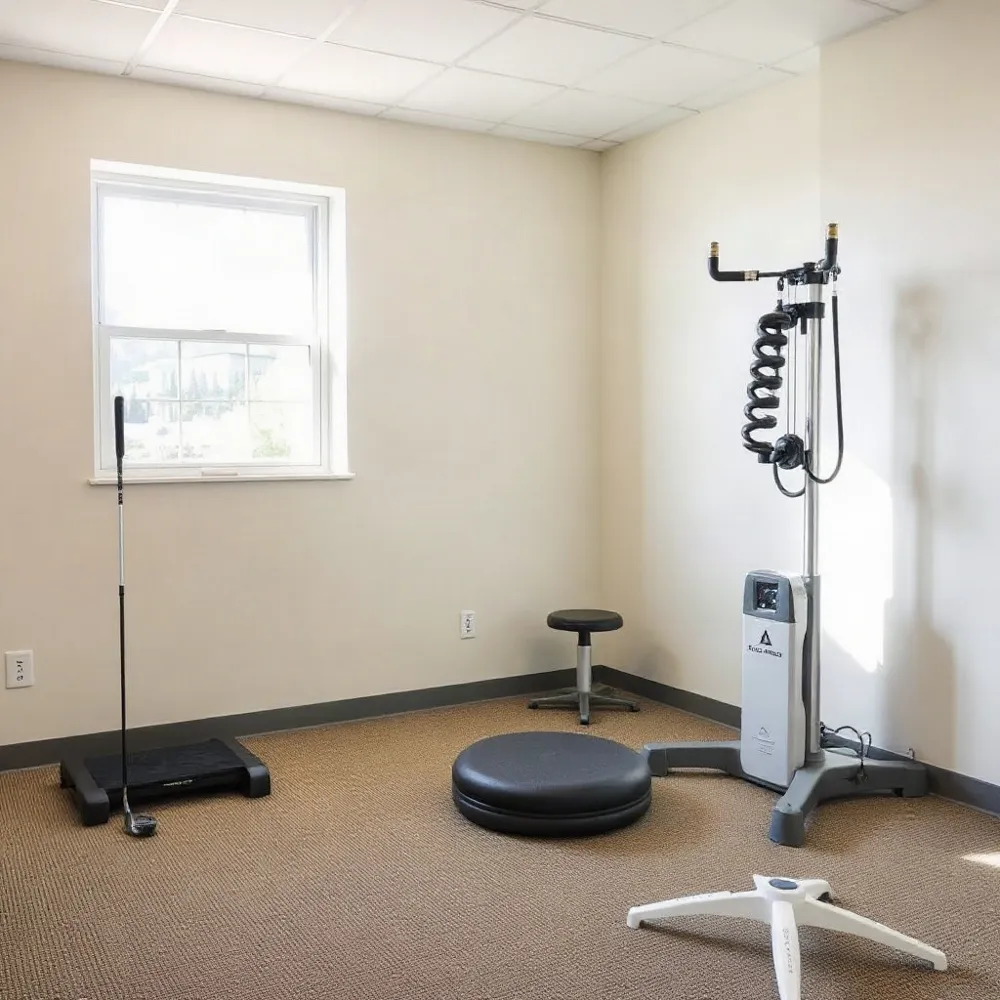 A Titleist Performance Institute (TPI) Movement Screen looks at how a golfer’s body moves, rather than judging swing technique alone. Its 16 movement patterns assess physical abilities that can matter during a swing, including mobility, flexibility, strength, balance, stability, coordination, posture, and movement control.
A practitioner may examine the hips and pelvis, core, spine, and shoulders, as well as balance and coordination. These areas work together as the body rotates and shifts weight through the swing. For an overview of the screen’s movement areas, see what a TPI assessment examines.
A trained practitioner can relate movement findings to possible swing tendencies or compensations, then decide what merits closer assessment based on the golfer’s goals. A screen may point to a physical limitation, but it does not diagnose a spinal condition or establish that a particular limitation caused pain.
When back pain is involved, findings may be considered alongside a golf-swing assessment and, when appropriate, a medical evaluation. A small case report described an older golfer whose movement and golf measures changed after individualized physical therapy, but one case cannot show that screening or treatment caused those changes or predict another golfer’s outcome. The case report is best read as an example of individualized care, not a guarantee.
At glenwoodchiro.com, care is centered on non-invasive musculoskeletal treatment, including chiropractic adjustments and therapies intended to support pain relief and mobility restoration. A clinical evaluation helps determine whether those approaches fit a person’s symptoms and needs.
Why Golf Can Stress the Back
A golf swing combines rotation, bending, and force, placing repeated demands on the back. Limited mobility, strength, coordination, or technique that does not suit the golfer’s current capacity may add strain. Research reviews describe links between golf biomechanics and low back pain, while cautioning that no single swing feature explains every case (review of golf-related low back pain).
Restricted hip or upper-back movement may lead a golfer to rely more on the lower back during rotation. Repetitive practice, or a sudden increase in playing time, can add to the load. These are possible contributors, not a diagnosis or a universal explanation. At Glenwoodchiro.com, care focuses on musculoskeletal pain and mobility, with assessment guided by the person’s symptoms and needs.
Can a golf swing cause back pain? Yes, it can contribute to or aggravate pain, particularly when physical capacity and swing demands do not match. Pain may be felt on one side or in the lower, middle, or upper back. Its location alone cannot identify the cause; muscle or joint irritation, spinal conditions, and referred pain are among the possibilities.
Golf may also aggravate symptoms from an existing L5–S1 condition, but that does not mean the sport caused the underlying problem. Some people experience pain that travels into the buttock or leg. Sciatica describes this symptom pattern, not a diagnosis, and new, persistent, or worsening leg pain, tingling, or numbness warrants professional evaluation.
Warm up before play, build strength and mobility gradually, avoid sudden increases in practice, and take breaks when needed. If back pain persists, recurs, worsens, or limits activity, a professional assessment can help guide next steps rather than relying on swing changes alone.
Responding to Pain on the Course
 If your lower back starts hurting during a round, stop or modify play when swinging makes it worse. Do not push through sharp or increasing pain. Take a break, and try gentle walking or another comfortable movement only if it does not aggravate your symptoms.
Pain that persists, returns during play, limits everyday activities, or makes it difficult to return to golf merits assessment by a qualified healthcare professional. A clinician can consider your pain history alongside strength, mobility, and golf-related movement, including how the hips and upper back may affect demands on the lower back. Research reviews describe how movement and other factors can contribute to golf-related low-back pain, but an assessment is needed to understand your situation (review of golf-related low-back pain.
If pain travels into a leg, reduce or pause swing intensity and any other movement that worsens it. Resume golf gradually as symptoms allow, with guidance suited to your needs. Glenwood Chiropractic provides non-invasive musculoskeletal care focused on pain relief and mobility; evaluation can help determine whether care or referral is appropriate. Rest may help you avoid aggravating symptoms, but it is not a substitute for assessment when problems persist.
Seek urgent medical care for new leg weakness, numbness around the groin or saddle area, or loss of bladder or bowel control. These symptoms require prompt attention rather than an attempt to manage the problem by changing your swing or waiting for it to pass.
For a related reminder, see guidance on responding to pain during or after golf.
Building Capacity for the Swing
 Building Capacity for the Swing:
What exercises may help reduce or prevent golf-related back pain? A screen may point to areas to work on, but exercise is an individualized way to build capacity, not a guaranteed way to prevent or cure pain. Research on golf-related low back pain discusses movement and loading factors, while stressing that symptoms can have different causes (review of golf-related low back pain.
A plan may focus on trunk and hip strength, upper-back and hip mobility, balance, and control of movement. These areas support the rotation and weight transfer of a golf swing, and may be relevant when a TPI screen identifies movement limitations. At Glenwoodchiro.com, care is grounded in non-invasive musculoskeletal treatment and mobility restoration, with exercise choices shaped around the individual rather than a standard routine.
Possible starting movements include gentle knee rolls and cat-cow movements for mobility, glute bridges and bird dogs for strength and control, and resistance-band Pallof presses to practice resisting rotation. Light chest or standing hip stretches may also help when those areas feel restricted. Begin with a comfortable range of motion and low effort, then increase gradually. Stop if a movement causes sharp or worsening pain.
A clinician or qualified exercise professional can help select and adjust exercises, especially when pain persists or when returning after an injury or surgery. A tailored plan may also include hands-on care or other non-invasive treatments, depending on the clinical assessment. These examples are options to discuss, not a prescription for every golfer.
Choosing Care and Tracking Progress
How golf-related back pain is treated depends on its likely cause, severity, symptoms, and effect on daily activities and your swing. A clinician may review your health history and assess movement, mobility, strength, and golf-related patterns before suggesting care. A TPI movement screen may offer one source of information about movement, but it does not diagnose the cause of pain.
A conservative plan may start by temporarily modifying activities that worsen symptoms, then gradually restoring them as comfort and function improve. Exercises can build strength, mobility, and tolerance for the demands of a swing. At Glenwood Springs, Glenwood Chiropractic provides non-invasive musculoskeletal care, including chiropractic adjustments and therapies intended to support pain relief and mobility.
Chiropractic care, including spinal manipulation when appropriate, may be considered alongside exercise and other conservative options. It is not suitable for every person or condition, so treatment should reflect an individual assessment and preferences. The evidence on golf-related low-back pain describes multiple possible contributing factors, supporting care that considers more than the painful area alone (review of golf-related low-back pain.
Progress should be reviewed over time, with the plan adjusted according to changes in pain, movement, and ability to play or manage daily tasks. TPI-related findings can help inform that discussion, but they are not a promise of pain relief. For a closer look at how clinicians may assess symptoms and function, see choosing care and tracking progress.
Seek prompt medical evaluation for severe or worsening pain, new weakness or numbness, or other concerning symptoms. These signs may need assessment beyond a golf-focused movement screen.
A Screen Is a Starting Point
A movement screen can show how mobility, balance, or coordination may relate to a golfer’s swing, but it cannot diagnose the source of back pain. A published case report describes improved movement and golf measures for one golfer after an individualized program, while noting that a single case cannot establish cause and effect case report.
Use assessment findings to guide a conversation about your symptoms, goals, and next steps. Care at glenwoodchiro.com focuses on non-invasive musculoskeletal treatment and mobility, with recommendations shaped by individual needs. Return to golf gradually, and treat changes in pain as useful information rather than proof that a particular movement caused it.
If pain persists, worsens, or comes with numbness, weakness, or symptoms spreading into a leg, seek clinical evaluation. A screen can inform that discussion, but appropriate professional care is what helps determine what needs attention.