
Understanding Spinal Decompression Therapy
Recovery after each session plays a large role in how well the treatment holds. A few simple habits can extend the relief you feel between visits and help your spine stay comfortable as it heals.
Staying Hydrated and Active
The discs that sit between your vertebrae contain a high percentage of water. When they are gently stretched, they rehydrate and plump back up, which takes pressure off nearby nerves. After a session, drinking extra water helps these tissues stay well-nourished. At the same time, gentle walking and regular movement keep the joints lubricated without jarring the spine. Mild activity also helps the muscles support the discs better as they recover.
Using Proper Posture and Lifting Techniques
How you sit, stand, and lift directly affects your spine during the healing phase. Keep your ears aligned over your shoulders and your shoulders over your hips when sitting or standing. When lifting anything, bend at the knees, keep the object close to your body, and avoid twisting your torso. These habits prevent adding extra strain to the very areas that are still settling from the treatment.
Following Your Care Plan at Home
Your clinician may suggest simple home exercises or ice and heat routines. These are designed to support what was done in the office. Consistent practice between visits often helps to reduce stiffness and speed up your overall progress.
At Glenwood Chiropractic, we tailor your recovery plan to your specific condition and show you exactly which movements help versus which ones to avoid. If you have questions about decompression therapy or recovery, reach out and we'll help you find the right path to lasting relief.
How Your Spine Works and Why It Hurts
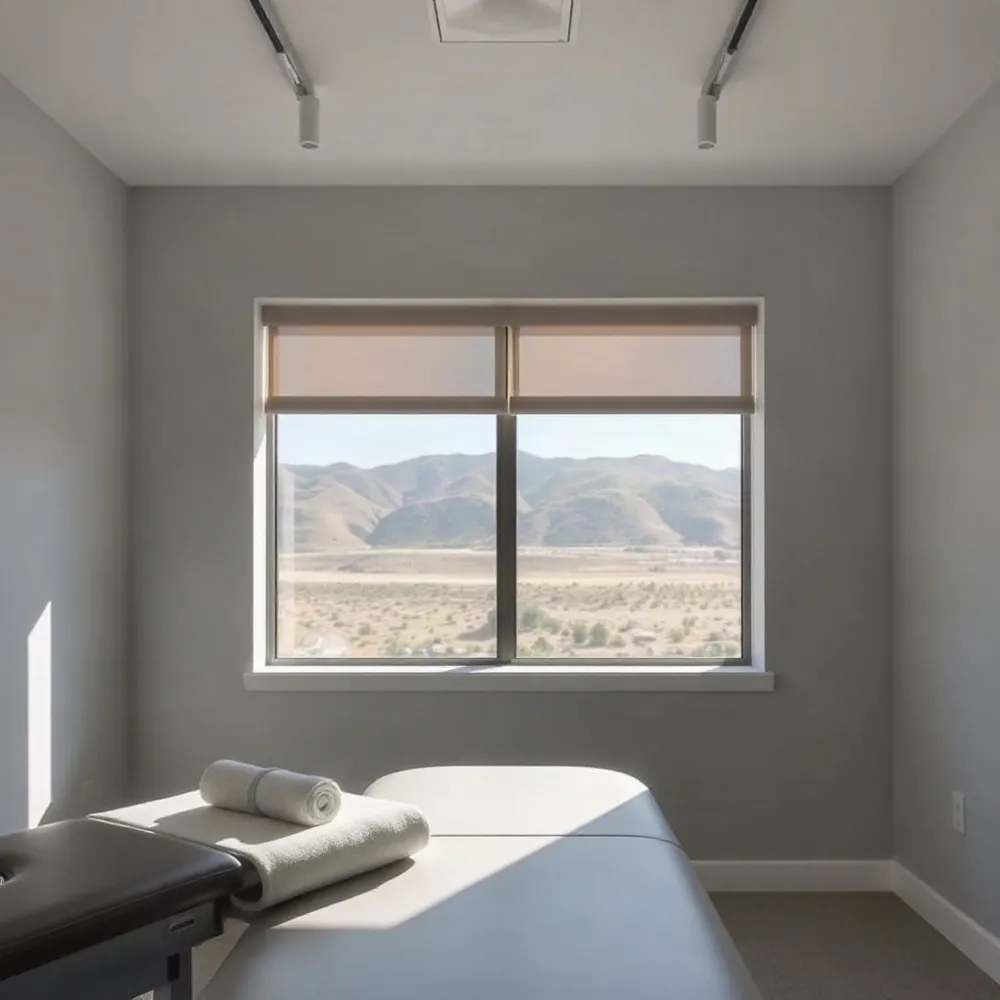 Before any treatment begins, you will have a thorough consultation. This starts with a health history and a physical exam. The provider needs to understand your exact pain pattern, range of motion, and any nerve symptoms like tingling or numbness.
The Consultation and Exam
During the exam, your chiropractor checks your gait, posture, and how well you can bend and twist. They look for signs of nerve root irritation, such as weakness or altered reflexes. This assessment helps determine whether spinal decompression is an appropriate next step.
- Health history review to identify contributing factors
- Physical exam to assess posture, strength, and reflexes
- Reference to your prior imaging studies, such as MRI or X-ray
- Diagnostic questionnaire to measure baseline pain levels
What a Treatment Session Feels Like
During the session, you lie on a specialized table. The table uses gentle traction to create a distraction force along your spine. Most people feel a mild stretching sensation, not sharp pain. The goal is to create a negative pressure within the disc to allow herniation to retract.
Duration. Most sessions last 20 to 45 minutes, depending on the area being treated.
Sensation. You may feel pressure or a deep, pulling sensation, but not pain.
Comfort. The table is adjustable to keep you comfortable throughout the process.
How Many Sessions Are Needed
Spinal decompression is not a one-time fix. A typical plan involves 15 to 30 sessions over 6 to 8 weeks. The exact number depends on your condition, symptoms, and how quickly you respond. Your provider will reassess after the first few sessions.
| Phase | Sessions | Goal |
|---|---|---|
| Initial phase | 1 to 10 | Reduce nerve compression and reduce acute pain |
| Rebuilding phase | 11 to 20 | Strengthen supporting muscles, improve mobility |
| Maintenance | 21 to 30 | Prevent recurrence and reinforce stability |
Home Care and Supporting Your Recovery
Results improve when you follow a home care plan. This often includes specific stretches, posture corrections, and ergonomic changes. Spinal decompression therapy can relieve pressure, but durable relief depends on how you move and sit between visits.
For many patients, the combination of in-office treatment and supportive exercises provides lasting relief. If you are considering this path, a focused plan at glenwoodchiro.com is built around your specific spine condition and recovery goals.
What Is Non-Surgical Spinal Decompression?
 Walking into your first session can feel uncertain, but the process is straightforward. You remain fully clothed on a motorized table, and a harness secures around your pelvis and torso. The table then performs a programmed cycle of gentle traction and release, gradually reducing pressure inside your spinal discs. A typical session lasts 20 to 30 minutes, and most patients need a series of visits spread over several weeks to see lasting results.
The Relief Timeline
Many people notice reduced nerve pain after only a handful of sessions, though individual responses vary. As the space between vertebrae widens, pressure on compressed nerves eases, which can lessen tingling and numbness. Over time, the motion encourages nutrient-rich fluid to rehydrate the discs, supporting the body's own healing. For a closer look at how this process unfolds, explore Spinal Decompression 101: How Gentle Traction Relieves Nerve Pinch.
The duration of relief depends on the underlying condition. A minor disc bulge may respond quickly, while chronic degeneration often requires a more consistent treatment plan. The table's settings are adjusted each visit to target your specific problem area, so no two sessions feel identical.
Pain Relief May Not Be Immediate
It helps to know that decompression is a gradual process, not a quick fix. Some patients feel a deep stretch during the pull, while others experience nothing at all. Mild soreness can occur after the first few visits as muscles adjust to the new positioning. This is normal and typically fades within a day.
Clinicians often describe the therapy as a way to give your spine the space it needs to heal on its own. Unlike a surgical option, there is no incision, no anesthesia, and no downtime. You can return to your normal routine right after each appointment.
What You Should Do During Recovery
Between sessions, your provider may recommend gentle exercises, better posture habits, and staying hydrated. These steps support the decompression process and help maintain the gains you make on the table. If you experience sharp pain rather than a dull ache, inform your chiropractor before your next visit.
Conditions Treated by Spinal Decompression
Spinal decompression therapy shines when it targets nerve irritation, and the conditions that respond best are the ones that pinch or compress neural tissue. Herniated discs, bulging discs, and spinal stenosis all involve structures crowding the nerve roots or spinal cord. By gently lengthening the spine, the therapy creates negative pressure within the disc, which can retract the herniation and reduce the pressure on affected nerves, as described by the Cleveland Clinic.
Common Conditions Treated
Herniated Discs. When the soft inner core of a disc pushes through a tear in the outer ring, it can touch nearby nerves. Decompression helps by drawing the disc away from the nerve root, easing the focused pain, numbness, or weakness that often radiates into a limb. A 2022 case series even documented improvements in both clinical symptoms and imaging for individuals with disc lesions undergoing nonsurgical decompression (see the NIH case series).
Bulging Discs. While a bulge doesn't necessarily tear the outer wall, it still narrows the space available for nerves. The therapy's traction helps flatten the bulge back into place, relieving the pressure that can cause referred pain down the back or leg.
Spinal Stenosis. This narrowing of the spinal canal compresses the spinal cord and nerve roots, often leading to aching legs and cramping with activity. By opening the canal's cross-sectional area, decompression can reduce that compression and restore comfortable motion.
A medical review of nonsurgical spinal decompression highlights its role in reducing intradiscal pressure, which is the mechanical driver behind many of these conditions. When the pressure drops, nerves have room to breathe, inflammation can subside, and healing can proceed. This mechanism is particularly effective for nerve-root irritation that hasn't responded to rest or medication.
Who Is a Candidate?
Ideal candidates are people with recent or chronic nerve pain stemming from these disc and spinal conditions, but who haven't yet faced surgery. Decompression is a non-invasive option that avoids the recovery time and risk of invasive procedures. Many patients turn to this approach when conservative care like physical therapy hasn't fully resolved their symptoms, and it's often used alongside complementary treatments such as chiropractic adjustments to restore overall spinal function.
| Condition | Primary Cause | How Decompression Helps |
|---|---|---|
| Herniated disc | Nucleus pushes through annulus | Reduces pressure, draws disc away from nerve |
| Bulging disc | Disc flattens and widens | Restores height, pulls bulge inward |
| Spinal stenosis | Canal narrows, pinching nerves | Opens canal, eases compression on nerve roots |
At Glenwood Chiropractic, our focus is on treating the underlying cause of your nerve pain rather than just masking the symptoms. We integrate spinal decompression therapy with chiropractic care to help you regain mobility and return to activities you enjoy. If you're struggling with a herniated disc, bulging disc, or spinal stenosis, we invite you to learn how our evidence-based approach can make a difference. Contact us today to schedule a consultation.
Surgical vs. Non-Surgical Decompression
 A typical session at Glenwood Chiropractic is straightforward and comfortable. You lie on a specialized table, often wearing a harness around your pelvis and trunk, while the equipment applies a gentle, intermittent pulling force to your spine. The goal is to create negative pressure inside the discs, which can help them rehydrate and reduce nerve compression. Most patients describe the sensation as a mild stretch rather than pain, and one session usually lasts 20 to 30 minutes. For a detailed look at the science behind this, you can explore how decompression therapy works at the Cleveland Clinic.
The Treatment Process: From Start to Finish
Before your first session, you'll have a thorough consultation and examination. We assess your medical history, perform orthopedic tests, and often use imaging to pinpoint the exact disc or nerve issue. This isn't a one-size-fits-all approach. Your treatment plan is tailored to your specific condition, whether you're dealing with a herniated disc, sciatica, or chronic back pain from prolonged sitting. During the session, you'll lie on a motorized table. The harness secures your lower back and pelvis, and the computer-controlled system gently cycles through phases of traction and relaxation. This rhythmic action is what differentiates it from a static stretch; it's designed to target the affected area precisely.
Many patients ask, "Will it hurt?" The answer is typically no. In fact, most people feel a deep, pleasant stretch during the pull phase and complete relief during the rest phase. Some may experience mild soreness after the first few sessions as muscles adapt, but this usually subsides quickly. Side effects are rare and generally mild, as noted by WebMD. The number of sessions you need varies; some people feel relief after 10 sessions, while others may need 20 or more for lasting results. Consistency is a key factor in achieving the best outcomes.
Scientific Backing and What Research Shows
Spinal decompression isn't just a trendy treatment; it has a growing body of research behind it. A 2023 case series published in the Journal of the American Chiropractic Association found that patients with lumbar disc lesions experienced significant clinical improvement after non-surgical decompression. The study documented reduced pain and improved function in most participants, supporting the therapy's effectiveness. Another 2022 study in PMC highlighted how decompression can reduce nerve root compression and improve blood flow, aiding disc repair. These findings align with what we see in our own practice: consistent, evidence-based results for conditions like sciatica and bulging discs.
Importantly, this isn't a claim we make lightly. The research team at the National Institutes of Health has published a systematic review outlining how non-surgical decompression can be an effective adjunct for chronic low back pain. While more large-scale trials are always welcome, the existing evidence supports decompression as a viable, non-invasive option before considering surgery. At Glenwood Chiropractic, we combine this therapy with chiropractic adjustments and rehabilitative exercises to address the root cause, not just the symptoms.
Decompression vs. Surgery: A Clear Choice
When you compare non-surgical decompression to surgical options, the differences are stark. Surgical decompression, such as laminectomy or microdiscectomy, requires incisions, anesthesia, and a longer recovery period. It also carries inherent risks like infection, bleeding, and potential failure. In contrast, our non-surgical approach at Glenwood Chiropractic is non-invasive, drug-free, and designed to be a safer alternative. For many patients, the question isn't whether to have surgery or not; it's whether they can avoid it altogether. If you're weighing your options, check out our comparative guide on surgical versus non-surgical decompression to understand the risks and benefits. The choice is about minimizing risk while maximizing long-term relief.
| Aspect | Surgical Decompression | Non-Surgical Decompression at Glenwood |
|---|---|---|
| Invasiveness | Incision, anesthesia | No incision, non-invasive |
| Recovery Time | Weeks to months | Minimal, return to normal activities soon |
| Risks | Infection, bleeding, nerve damage | Rare, minor soreness |
| Mechanism | Removes bone or tissue | Negative pressure promotes disc rehydration |
| Outpatient | Often requires hospital stay | Performed in office, convenient |
Other Alternative Therapies Worth Considering
Before starting any treatment, it's natural to wonder whether the potential rewards are worth the effort. Spinal decompression therapy offers a non-invasive path to relief for many people, but knowing its risks and benefits helps you make an informed choice. The therapy works by gently stretching the spine to relieve nerve pressure and promote healing, and most patients tolerate it well.
One of the most compelling benefits is the potential to reduce pain and improve mobility without surgery. According to the Cleveland Clinic, spinal decompression can alleviate nerve compression and enhance blood flow, which supports the body's natural healing process. For those with herniated discs or sciatica, this can mean a real difference in daily comfort. However, it's not suitable for everyone. Pregnant women, individuals with severe osteoporosis, or those with certain spinal fractures should avoid this therapy. Your chiropractor can help determine if you're a candidate.
At glenwoodchiro.com, we take a personalized approach. We start with a thorough assessment to understand your condition and health history before recommending any therapy. Unlike generic programs, we tailor each decompression session to your specific needs, ensuring you get the most out of every visit. Our focus is on helping you achieve lasting relief through evidence-based, patient-centered care.
The Pros and Cons of Decompression Therapy
Benefits. Non-invasive, drug-free relief from nerve pain, improved spinal mobility, and rehydration of intervertebral discs. Many patients experience significant pain reduction within a few sessions.
Risks. Generally low, but potential side effects include temporary soreness, muscle spasms, or discomfort during or after treatment. Rarely, more serious complications can occur if therapy is not suited to your condition.
To get a balanced view, consider how this therapy compares with other non-surgical options. Some people explore chiropractic adjustments, physical therapy, or acupuncture as alternatives. Each has its own strengths, but spinal decompression specifically targets nerve compression and disc problems, which can be a key advantage for certain conditions. At glenwoodchiro.com, we complement decompression with adjustments and rehabilitation exercises, giving you a comprehensive plan that addresses all aspects of your spinal health.
Many patients wonder about the long-term outcomes. Research published in the PMC suggests that nonsurgical spinal decompression can lead to significant improvement in pain and function. However, results vary, and consistency with your treatment plan is crucial. Our team at glenwoodchiro.com works with you to set realistic expectations and track your progress, so you know what to expect at each stage.
Who Should Consider Decompression Therapy?
If you have chronic back pain, sciatica, or a herniated disc and have not found relief through conservative methods, decompression might be worth exploring. It's especially beneficial for those looking to avoid surgery. According to the University of Utah Health, decompression therapy is a viable option for many spinal conditions. At glenwoodchiro.com, we've helped numerous patients regain their quality of life. Our success stories highlight real people who've avoided surgery and found lasting relief through our tailored decompression programs.
| Factor | What It Means | At Glenwood Chiropractic |
|---|---|---|
| Non-invasive | No surgery or needles | Gentle, drug-free sessions |
| Personalization | Treatment matched to you | Custom care plans from day one |
| Evidence-based | Supported by research | Therapies aligned with clinical studies |
| Success rate | Varies by condition | Proven results in nerve pain relief |
If you're ready to explore whether spinal decompression is right for you, we invite you to reach out. At glenwoodchiro.com, we offer free consultations to answer your questions and help you decide on the best path forward. Our experienced team is here to support you every step of the way, ensuring you feel confident and informed about your health decisions.
Is It Safe During Pregnancy and Later in Life?
Before starting any new treatment, it's natural to wonder about safety. Spinal decompression therapy is considered safe when performed by a qualified professional, and the non-invasive nature of the approach means there are typically fewer risks than with surgical options. At Glenwood Chiropractic, the focus is on evidence-based, non-invasive care, so each patient receives a thorough evaluation before any adjustment or decompression plan begins.
One of the most reassuring aspects of spinal decompression is that it avoids surgery, anesthesia, and lengthy recovery times. Instead, gentle traction is applied to the spine in a controlled manner. This reduces nerve compression and promotes healing by improving circulation and rehydrating discs. For many patients with back pain, sciatica, or disc issues, this makes the therapy a more comfortable starting point than more aggressive interventions like steroid injections or surgical procedures.
That said, spinal decompression isn't for everyone. Pregnant women, individuals with certain spinal fractures, tumors, or those who have undergone specific types of spinal surgery should typically avoid this treatment. A responsible provider will always review your medical history and imaging to rule out contraindications before recommending decompression. This screening process is a key part of what separates professional care from indiscriminate application.
What to Expect During a Decompression Session
During a typical session at Glenwood Chiropractic, you'll lie on a specialized table while controlled stretching is applied to the spine. The process is generally painless, and many patients find it relaxing. Sessions usually last 30 to 45 minutes, and a full treatment plan often involves multiple visits spread over several weeks. Your chiropractor will adjust the intensity based on your comfort and response, ensuring a personalized experience.
After the session, you may feel mild soreness or a sense of relaxation. This is normal and typically resolves within a day. Unlike surgery, there's no downtime, and most patients can return to their normal activities immediately. However, your chiropractor may recommend specific stretches or ergonomic adjustments to support your recovery and prevent future issues. This holistic approach, which includes lifestyle guidance, is central to how Glenwood Chiropractic helps patients achieve lasting relief.
Consistency matters. Like physical therapy, spinal decompression often requires a series of sessions to achieve optimal results. While some patients feel improvement after the first visit, sustained benefits usually come from completing the full recommended plan. This commitment is worth it for many, as research highlights the potential of nonsurgical decompression for reducing pain and improving function. For example, a case series published in the Journal of Chiropractic Medicine reported positive clinical and imaging outcomes following nonsurgical decompression for lumbar disc lesions.
Safety Across Different Lifestages
Safety considerations can vary based on your age, health status, and whether you're pregnant. For instance, chiropractic care is often considered a safe option for some pregnant women, particularly for managing back pain and maintaining pelvic alignment. However, decompression therapy specifically may not be recommended during pregnancy due to the positioning and traction involved. At Glenwood Chiropractic, we take a cautious, patient-centered approach. A thorough consultation ensures that any treatment, including decompression, is safe for your unique circumstances. This aligns with the guidance shared in our earlier article on chiropractic care during pregnancy, which outlines when and how chiropractic can benefit expectant mothers.
For older adults, the gentle nature of decompression makes it appealing, but age-related changes like osteoporosis require careful evaluation. Similarly, athletes and active individuals can benefit from the therapy's ability to address nerve compression without sidelining them for long periods. Regardless of your age or activity level, the key is working with a provider who screens thoroughly and tailors the treatment to your needs. This is exactly the approach taken at Glenwood Chiropractic, where every plan starts with a detailed assessment rather than a one-size-fits-all recommendation.
What to Expect and When to See a Doctor
Despite its growing popularity, spinal decompression therapy is often misunderstood. Many people picture a dramatic, high-force procedure, or they assume the treatment is only for severe, surgical-level conditions. In reality, spinal decompression is a gentle, non-invasive approach to relieving nerve compression and restoring mobility. Separating fact from fiction can help you decide whether this therapy fits your needs.
Myth 1: Spinal Decompression Is Painful
One of the most common fears is that decompression therapy causes discomfort. The opposite is true. During a session, you lie on a specialized table while the spine is gently stretched and relaxed in cycles. Most patients describe a feeling of mild tension, not pain. According to the Cleveland Clinic, the procedure is designed to be comfortable and relaxing, and it can actually reduce pain by taking pressure off nerves.
Myth 2: It's Only for Severe Back Pain
Another misconception is that decompression is a last resort for chronic, debilitating conditions. In fact, it can help with a spectrum of issues, from acute flare-ups to recurring nerve pain. Research published in the Journal of Physical Medicine and Rehabilitation found that nonsurgical spinal decompression can reduce pain intensity and improve function in people with disc-related problems, even when conservative care has fallen short.
For those in the Glenwood Springs area, Glenwood Chiropractic offers decompression therapy alongside targeted adjustments and rehab exercises. Unlike a one-size-fits-all approach, the care plan is tailored to your specific spine and symptoms, which means it can address both acute pain and long-term mobility goals.
Common Myths vs. Reality
| Myth | Reality | What It Means for You |
|---|---|---|
| Decompression is painful | Gentle stretching relieves pressure | Comfortable, often relaxing sessions |
| Only for severe cases | Helps with acute and chronic pain | Benefits a wide range of conditions |
| It's the same as traction | Uses precise, computer-controlled cycles | Customized to your spine's needs |
One of the reasons decompression stands out is its precision. Rather than a generic pull or tug, the therapy uses a computerized system to target specific spinal segments. This differentiation matters when you compare it to other options. At Glenwood Chiropractic, the focus is on combining decompression with evidence-based chiropractic care, so you get a holistic plan that addresses the root of the problem, not just the symptoms.
If you're experiencing persistent back pain or nerve symptoms, consulting with a professional can help you sort through these misconceptions. A thorough assessment can determine whether decompression is appropriate for your condition. And if you're unsure about when to seek help, this guide on knowing when to see a chiropractor offers practical advice.
Finding the Right Path to Lasting Relief
Selecting the right provider is just as important as the therapy itself. A thoughtful consultation should cover your medical history, imaging, and a clear explanation of how decompression will address your specific condition. When you compare options, ask pointed questions about the equipment, the treatment protocol, and the expected timeline for results.
Credentials. Verify the provider is a licensed chiropractor or physician with specific training in spinal decompression. Ask how many patients they've treated and what their success rate is for your condition.
Customization. Every spine is different. Confirm the treatment plan is tailored to your diagnosis, not a one-size-fits-all protocol. The best providers adjust decompression settings based on your response and tolerance.
Imaging. A responsible provider will use X-rays, MRI, or other imaging to confirm the exact cause of your pain before starting. Decompression without a diagnosis can waste time and money.
Integration. Ask how decompression fits into your overall care. A provider who combines traction with chiropractic adjustments, exercise, and lifestyle advice typically delivers more lasting relief than one who relies on a single modality.
For example, glenwoodchiro.com in Glenwood Springs, Colorado, starts every new patient with a thorough exam and imaging review before recommending a decompression plan. They pair decompression with chiropractic adjustments and rehab exercises, so you're not just treating the symptom but addressing the root cause. This contrasts with the approach of a single-modality clinic that may treat everyone with the same traction settings, regardless of the underlying disc issue.
| Question | What to Look For | Why It Matters |
|---|---|---|
| Are you licensed? | Chiropractor or MD | Confirms professional oversight |
| Do you use imaging? | X-ray, MRI | Guides accurate diagnosis |
| Is the plan custom? | Yes, adjusted to you | Better outcomes, less risk |
| What else is included? | Adjustments, rehab | Addresses full spine health |