A Supportive Role in Recovery
Massage is hands-on care that works with soft tissues, including muscles and connective tissue. It may ease tension, support relaxation, and help some people feel more comfortable as they work toward better mobility. At Glenwood Springs chiropractic care can include massage alongside other non-invasive approaches, with choices guided by a person’s symptoms and goals.
Circulation claims call for care. Research has reported short-term changes in some vascular measures after massage, but findings vary by technique and study, and do not show that massage treats circulatory disease. A review of massage and circulation describes massage as a possible complement to conventional care, not a substitute for medical evaluation or prescribed treatment. The aim is supportive care, not a guaranteed recovery outcome.
Choosing Techniques for Individual Needs
Therapeutic massage can range from light Swedish strokes, such as gliding and kneading, to deeper pressure, sports massage, and focused myofascial or trigger-point work. The right approach depends on what a person hopes to address, not on choosing the most intense technique.
A therapist may consider symptoms, health history, activity level, injury status, and comfort with pressure, then adjust the technique during a session in response to feedback. At Glenwood Springs, care at glenwoodchiro.com focuses on non-invasive musculoskeletal treatment, including therapies intended to support pain relief and mobility.
Research suggests massage may provide short-term pain relief or functional gains for some musculoskeletal conditions, but outcomes differ by condition. A systematic review found benefits over no treatment for some outcomes involving shoulder pain, knee osteoarthritis, and low back pain, while evidence for pain relief in low back or neck pain was not clear. These findings support cautious expectations, not a promise of lasting improvement.
Massage has not been shown to have a clear advantage over active alternatives such as acupuncture, joint mobilization, manipulation, or relaxation therapy. A review of massage research also describes limits in the evidence for broad recovery claims. Glenwoodchiro.com’s non-invasive approach can place massage alongside other musculoskeletal therapies when appropriate, rather than treating it as a stand-alone solution. The choice should reflect the person’s needs, comfort, and response over time.
Circulation and Lymphatic Flow
 Massage pressure and friction may cause brief changes in blood flow near the skin or treated soft tissue. Proposed effects such as widening of blood vessels and improved venous return are not consistent or guaranteed, and a local change does not prove that deep-muscle circulation has meaningfully improved. A review of massage and the circulatory system describes the evidence as variable and insufficient to support massage as a stand-alone treatment for circulation problems.
A study reported short-term changes in brachial artery flow-mediated dilation, a measure of vascular function, after massage in healthy, sedentary adults. That finding does not establish that massage treats vascular disease or reliably improves blood flow in the legs. Massage may ease discomfort in the legs or feet, but walking and other gentle movement generally do more to promote circulation. Persistent swelling, coldness, numbness, or pain needs medical assessment rather than massage alone.
At Glenwood Springs, Glenwoodchiro.com focuses on non-invasive musculoskeletal care, including chiropractic adjustments and therapies aimed at pain relief and mobility restoration. Massage can be considered as supportive care for comfort, but it should not be framed as a treatment for an underlying vascular problem.
Manual lymphatic drainage is different from ordinary massage. It uses very light, slow pressure to encourage lymph movement and may be considered for specific conditions involving impaired lymph flow. Ordinary massage has not been shown to detox the body, boost immunity, or cause weight loss. People with a diagnosed lymphatic condition should ask a qualified health professional whether a specialized approach is appropriate.
Do not massage a leg that becomes suddenly swollen, warm, red, or painful. These symptoms may signal a blood clot and require prompt medical care. Consult a healthcare professional before massage if you have vascular disease, a history of clots, unexplained symptoms, or a diagnosed lymphatic condition.
Soreness After Exercise
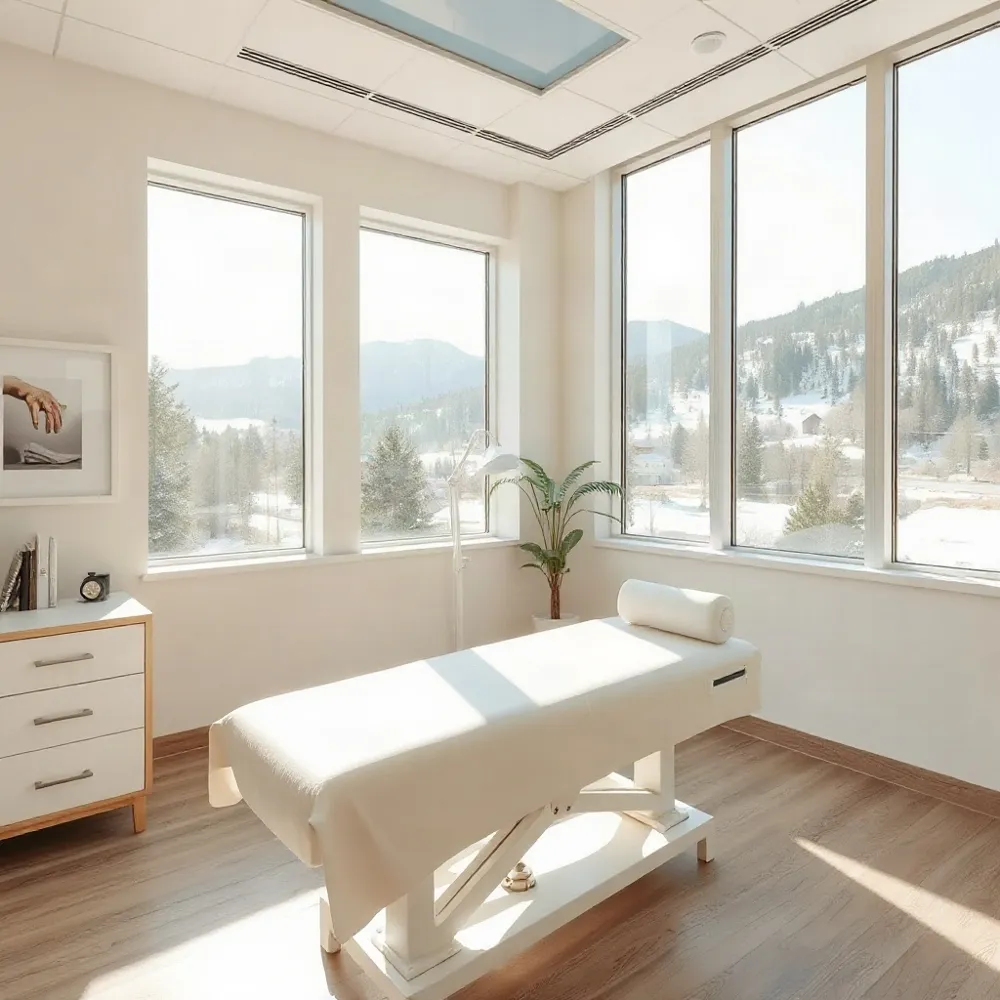 Delayed-onset muscle soreness (DOMS) is tenderness that can develop after intense or unfamiliar exercise. It often peaks 24 to 72 hours later, and may make ordinary movement feel stiff or uncomfortable. [Learn more about massage and muscle recovery](./how-massage-speeds-up-muscle-recovery#why-massage-matters-for-recovery-and-daily-mobility).
Massage may ease this soreness for some people, but the evidence does not show that it speeds muscle repair in every case. A systematic review of 11 trials found lower soreness ratings after massage at 24, 48, and 72 hours; the findings describe reported soreness, not proof of faster tissue healing. The review of massage and exercise recovery likewise notes that massage may reduce post-exercise soreness without preventing the associated loss of muscle function.
Comfortable, gentle pressure may help some people feel less stiff. Deep or painful pressure on already tender muscles can temporarily increase discomfort, so stronger pressure is not automatically more effective. At Glenwood Springs, Glenwoodchiro.com’s non-invasive musculoskeletal care focuses on pain relief and mobility restoration, with treatment guided by the person’s needs and response.
Tell the therapist how sore you are before treatment and speak up if pressure feels too strong. Ask for an adjustment, or stop if pain worsens. Ordinary post-exercise tenderness differs from sharp pain, significant swelling, bruising, or weakness. Those symptoms warrant medical advice rather than being worked through with massage.
Safety, Pressure, and Recovery
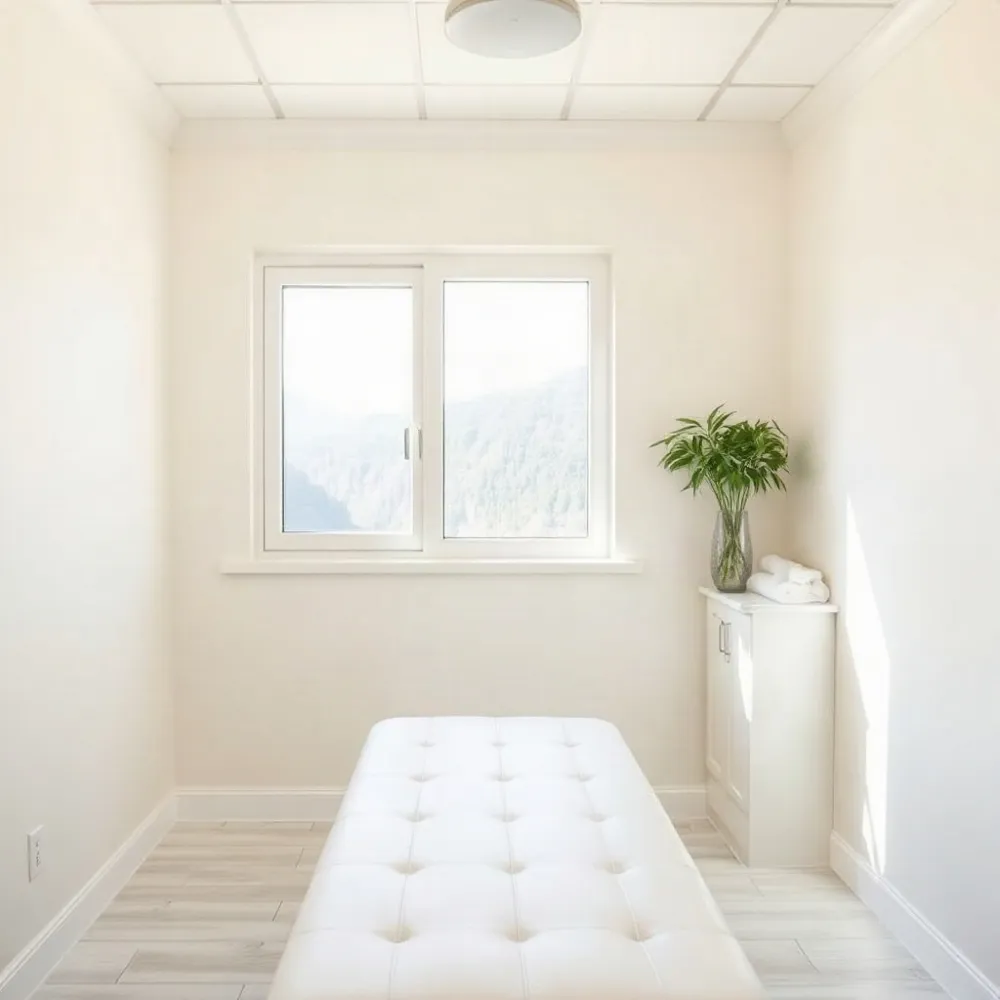 Before a session, tell your massage therapist about health conditions, medications, recent injuries or surgery, and any change in symptoms. This information helps the therapist adapt pressure and positioning. At Glenwood Springs, care at glenwoodchiro.com focuses on non-invasive musculoskeletal treatment, so sharing these details can help inform how massage fits alongside other care.
Ask a healthcare professional whether massage is appropriate if you take blood thinners, have a bleeding disorder, fragile skin, severe osteoporosis, or a significant medical condition. Pregnancy and cancer treatment may also call for individualized guidance. Mayo Clinic’s massage safety guidance advises discussing relevant health concerns with a healthcare professional and therapist, including blood clots, recent heart attack, and medication use.
Postpone massage if you may have a blood clot, have a fever or contagious or systemic infection, or are seriously ill and not medically stable. Pressure should not be applied over cuts, burns, bruises, rashes, open wounds, marked swelling, or painful inflamed areas. After a recent injury or surgery, seek medical guidance before treatment. The clinic’s non-invasive approach does not replace medical assessment when symptoms need urgent evaluation.
Deep-tissue work can leave temporary soreness, tenderness, or bruising. Intense or worsening pain is not the goal, and pressure should be avoided over acute injuries, infected areas, open wounds, or a suspected clot. Tell the therapist to stop or adjust if you feel sharp or worsening pain, numbness, dizziness, or unusual discomfort.
Afterward, rest if needed, drink water according to thirst, and try gentle walking or stretching if comfortable. Skip strenuous activity that aggravates soreness for the rest of the day. There is no need for a strict hydration target or a routine to flush toxins. For severe or persistent pain, marked swelling, unusual bruising, or weakness, contact a healthcare professional. Chest pain or trouble breathing requires prompt medical care.
For more on when treatment should be paused, see safety guidance for massage and recovery.
Care Guided by Comfort and Evidence
Massage may support relaxation, comfort, and selected recovery goals, but its effects on circulation and mobility are not predictable for everyone. Research describes possible benefits while emphasizing limits in the evidence and the need to treat massage as complementary care, not a substitute for medical treatment.
At Glenwood Springs, Glenwood Springs chiropractic care can bring massage into a broader, non-invasive approach to musculoskeletal concerns, alongside chiropractic adjustments and mobility-focused care. Discuss symptoms, health history, and whether massage is suitable with a qualified healthcare professional. When appropriate, pair hands-on care with movement and other recommended treatment, guided by comfort and clinical advice.
For a broader overview of massage as complementary care, see Mayo Clinic’s guidance on massage therapy.