Recovery Is a Process
Rehabilitation exercises can help restore mobility, strength, and control, then prepare the body for the demands of sport. They are not a shortcut or a promise of a fast recovery. The right starting point and pace depend on the injury, healing stage, symptoms, current capacity, and the movements your sport requires.
Progress gradually and pay attention to how your body responds during exercise and afterward. A Glenwood Springs chiropractic assessment can help match movement and loading to your needs, with non-invasive care focused on pain relief and mobility. For sport-related recovery, sports injury rehabilitation guidance also emphasizes progressing according to physical milestones rather than a fixed timetable.
Rehab Stages and Exercise Choices
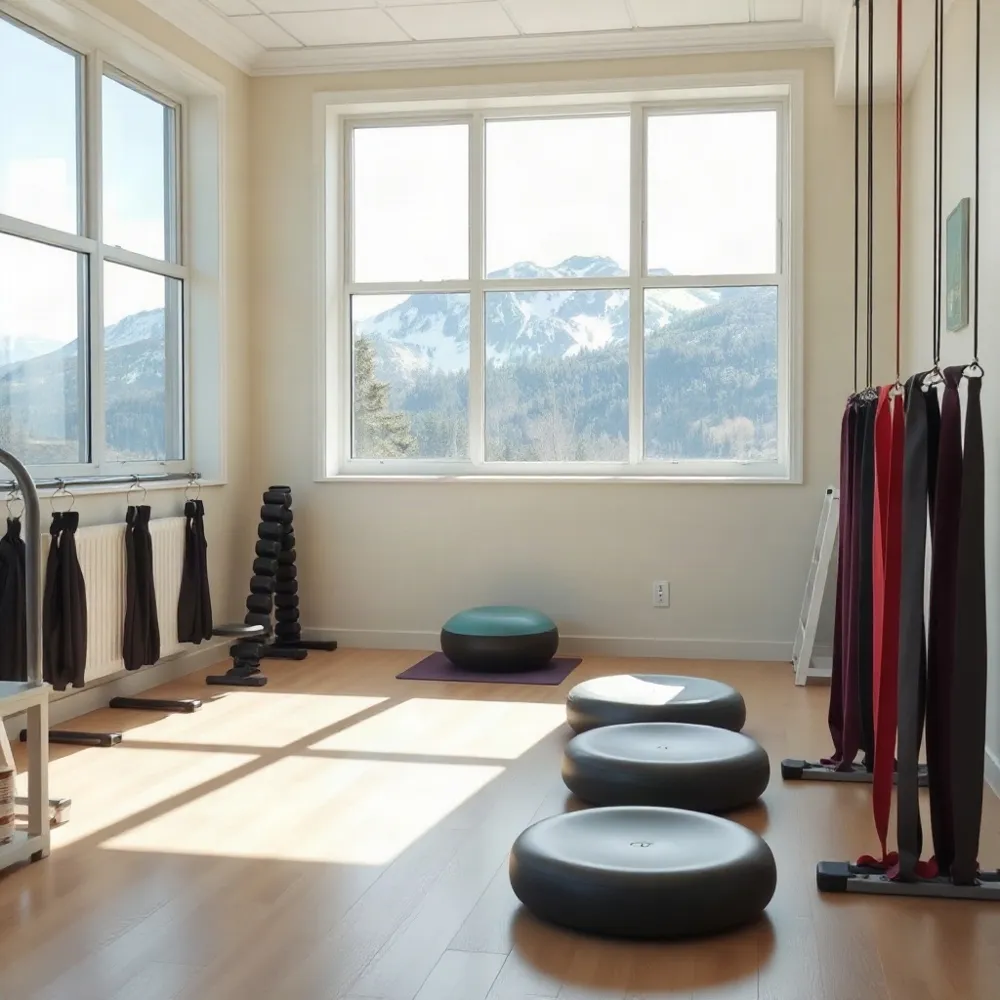 How is a sports injury typically rehabilitated? Care usually moves from protecting the injured area and managing symptoms to restoring mobility, strength, balance, and coordination. As function improves, training can build toward the movements and effort required by the person’s sport. Progress depends on how the injury responds, not simply on a calendar.
Early exercises may include gentle range-of-motion movements and low-load isometric contractions, which activate muscles without requiring much joint movement. As tolerance improves, a clinician may add resistance-band work, heel raises, sit-to-stands, or supported balance drills. Later options can include step-ups, controlled reaches, hopping, and landing practice, when appropriate for the injury and healing stage.
What exercises can help improve balance, strength, and mobility during injury recovery? The answer varies with the diagnosis, current capacity, and goals. For example, supported single-leg standing or controlled weight shifts can train balance; the Mayo Clinic’s balance exercise guidance advises using stable support when needed. These general examples are not a substitute for an individualized plan.
At Glenwood Chiropractic, non-invasive musculoskeletal care may include chiropractic adjustments and therapies focused on pain relief and mobility. Exercise selection and progression should still reflect the person’s symptoms and functional needs. Generic online lists cannot determine whether a movement suits a particular injury, and surgery or tendon conditions may require specific sequencing guided by the treating clinician.
If an exercise causes a flare, reducing its range, resistance, speed, or total volume may help. Stop and seek assessment for sharp pain, worsening swelling, repeated instability, or a clear loss of function. Sleep, soreness, stress, swelling, and overall training demands also affect recovery. When impact is not tolerated, cycling or pool exercise may help maintain conditioning.
Progressive exercise is central to rebuilding capacity. Manual therapy or other supportive treatments may help some people move more comfortably for a time, but they do not replace appropriately progressed strengthening, balance work, and sport-specific preparation. A gradual, symptom-aware plan can help guide the transition from basic movement to fuller activity.
For a broader look at how exercise choices change across recovery, see the stages of sports injury rehabilitation.
Progressing Back to Sport
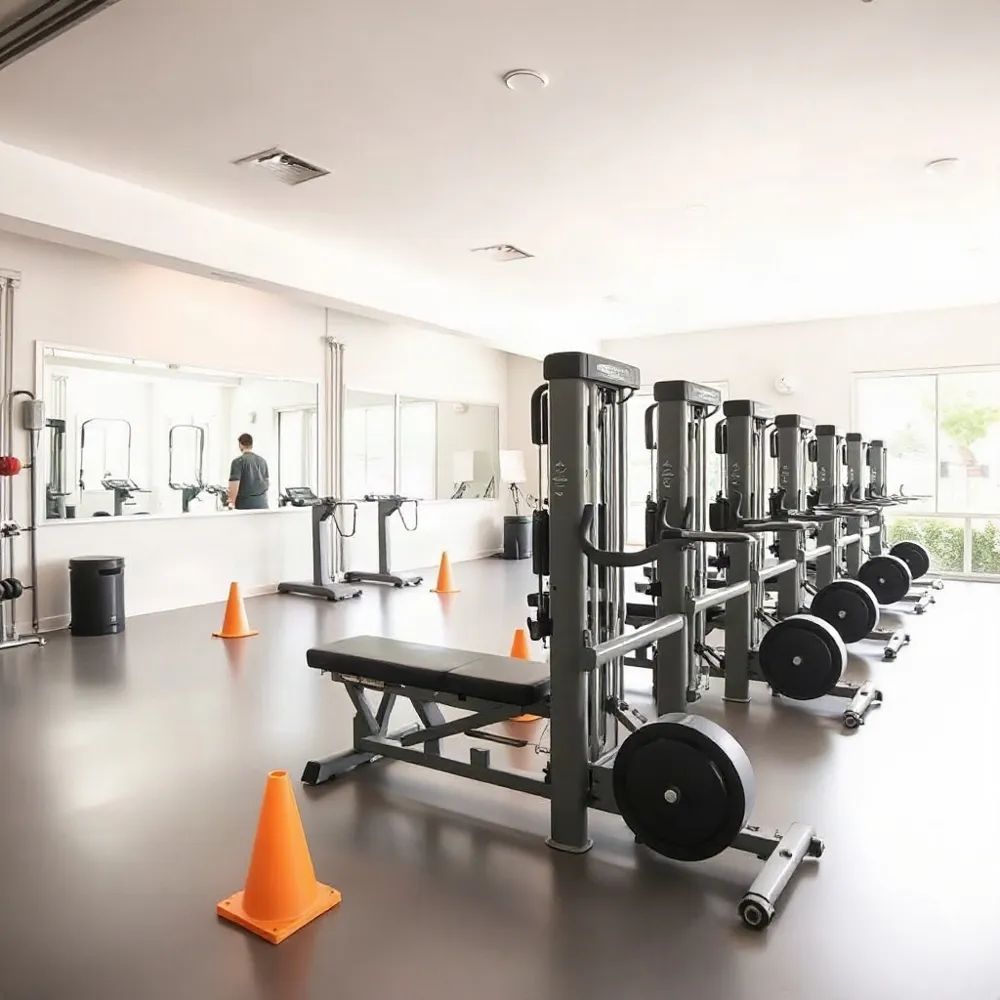 Returning to sport is a progression, not a single clearance moment. An athlete may first resume modified training, then return to the sport below their previous level, and eventually build toward unrestricted performance. The stages should reflect the injury, current ability, sport demands, and guidance from a qualified health professional.
A late-stage plan often moves from controlled strength work to jumping or plyometrics, acceleration and deceleration, and then change-of-direction or reactive drills. Each step adds demands, so athletes should increase speed, volume, and complexity gradually rather than follow a universal calendar.
The drills should match the activity. A runner may need to build running volume and tolerate landing forces, while a court or field athlete may need repeated jumps, cutting, and faster changes of pace. Balance practice can support movement control; the Mayo Clinic’s balance exercises offer general examples, though they are not a sport-specific clearance plan.
Advance when the current work can be completed with controlled movement and without a concerning rise in symptoms. Pain, swelling, or a loss of function is a reason to pause, reduce demand, or seek reassessment. At Glenwood Chiropractic in Glenwood Springs, an assessment can help relate exercise choices to mobility, symptoms, and the activity a person hopes to resume.
Practice is a better test of readiness for competition than making game day the first full test. Gradually increase practice demands and monitor the response before returning to unrestricted play. Conditioning and injury-prevention exercises may still be useful after return; planning a return to play after time-loss injury also emphasizes rebuilding capacity in stages and using practice to assess readiness.
Assessing Readiness to Return
Less pain is encouraging, but it does not by itself show that an athlete is ready to return. A clinician may consider healing, pain and swelling, range of motion, strength and power, balance, movement quality, confidence, and the ability to tolerate sport-specific training. These factors help show whether the body can manage the demands ahead, not just everyday activity.
Functional testing can include tasks such as running, jumping, landing, or cutting, chosen to match the athlete’s sport and injury. Clinicians may compare performance on the injured and uninjured sides, while also checking overall capacity and whether movements are controlled or rely on compensation. Side-to-side symmetry is useful information, but it is not a complete measure of readiness.
There is no single clearance threshold that fits every athlete. The relevant criteria depend on the injury, position, sport, and performance goals. A return-to-sport decision should also account for tissue capacity, the expected demands of activity, and risks in the athlete’s setting. The NFHS return-to-play guidance describes medical clearance as a starting point for gradually rebuilding participation, rather than an automatic pass to full competition.
Readiness is best discussed with the healthcare team, including the clinician familiar with the injury and, where appropriate, rehabilitation professionals and coaches. At Glenwood Chiropractic, non-invasive musculoskeletal care includes chiropractic adjustments and therapies focused on pain relief and mobility restoration; an individualized clinical assessment can help clarify movement concerns and guide appropriate next steps. Confidence matters too: hesitation or fear of reinjury may affect how an athlete performs under pressure, so progression should reflect both physical capacity and comfort with the task.
A practical return is gradual, moving from controlled practice toward fuller training and competition as the athlete tolerates each step. If pain, swelling, or loss of function increases, the plan may need adjustment and clinical review rather than simply pushing ahead.
Resuming Exercise After Back Injury
How should exercise resume after a back injury? Begin with activities your symptoms allow, such as short walks, comfortable mobility, or gentle breathing and bracing. Hip-hinge practice may also be appropriate if it feels manageable. Increase duration or effort gradually rather than returning all at once to your previous routine.
As your tolerance improves, strengthening and ordinary activities can be added in steps. Avoid forcing painful ranges, and remember that the right exercises and pace depend on the injury, your health, and your goals. There is no single routine or timetable for everyone. This gradual, symptom-guided approach is also discussed in guidance on rebuilding strength after injury.
If symptoms flare or stay worse after activity, reduce the range, effort, or duration. Persistent symptoms or uncertainty about what is safe are reasons to seek an individualized assessment.
Concussion Requires Its Own Protocol
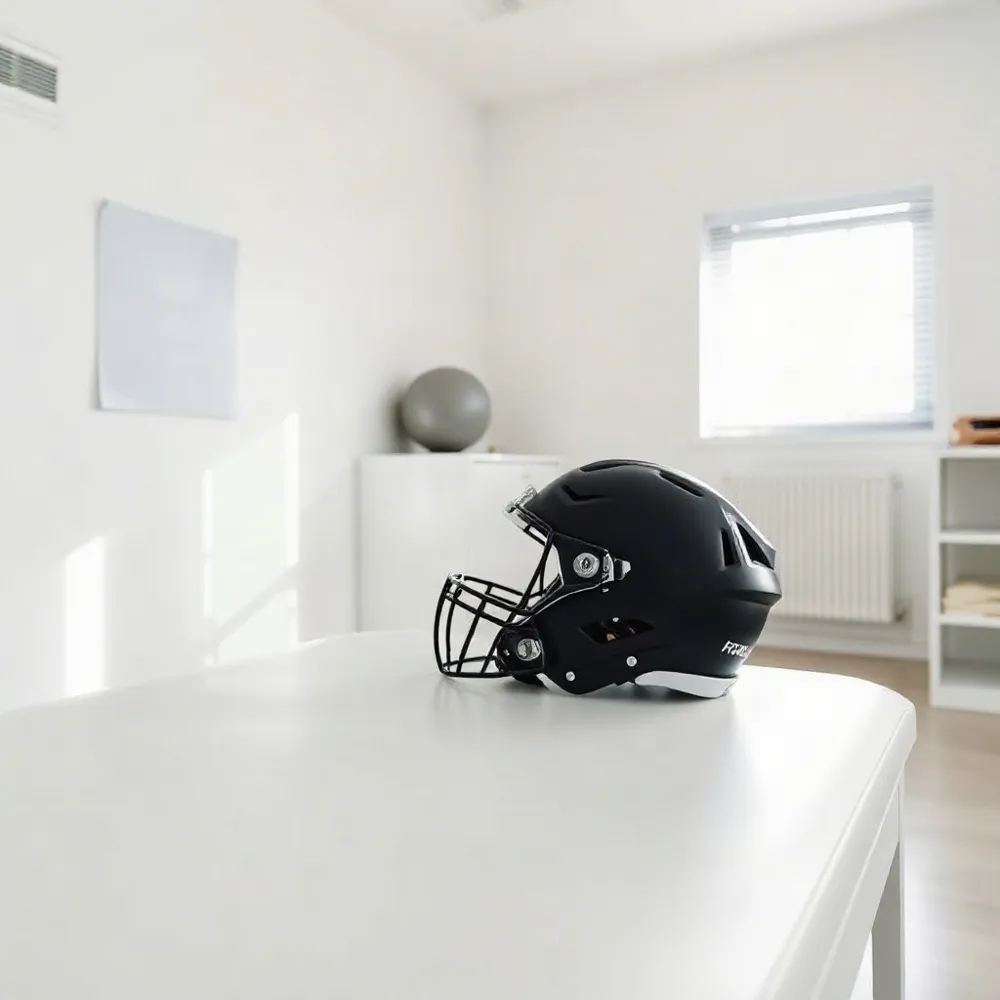 A suspected concussion calls for a different response than a sprain or strain. Remove the athlete from play and arrange assessment by a qualified health-care professional. Because concussion affects brain function, a general musculoskeletal rehabilitation progression is not an appropriate substitute for concussion-specific care.
Return to sport should follow a medically guided, step-by-step progression, with at least 24 hours at each stage. The NFHS concussion return-to-play guidance describes gradual increases in activity and requires written medical clearance before stages that carry a risk of head impact.
Readiness involves more than physical capacity or a lack of pain. Symptoms and neurological and cognitive function must also guide progression. If symptoms return, stop the activity and consult the clinician before advancing; the athlete may need to return to an earlier symptom-free stage. Glenwood Springs athletes with other musculoskeletal injuries still need care matched to the affected area, rather than concussion rules applied across every injury.
Progress With Purpose
Progress is not a race: advancing too quickly can outpace what healing tissue and conditioning can tolerate. A tailored plan should respond to symptoms and rebuild the movements your sport requires.
Persistent symptoms, warning signs such as major swelling or sudden weakness, or uncertainty about progression warrant professional assessment. Glenwood Springs chiropractic care may support musculoskeletal pain and mobility, but does not replace injury-specific medical guidance.