A New Frontier in Pain Management
Pain is the most common reason Americans visit a physician. One in three people in the United States experiences chronic pain each year, and musculoskeletal pain is the leading cause of missed work or school days, costing the economy an estimated $635 billion annually, according to a comprehensive review in Low Level Laser Therapy research.
The ongoing opioid crisis has intensified the search for effective, drug-free pain relief. Cold laser therapy, also known as Low‑Level Laser Therapy (LLLT), has emerged as a non‑invasive, light‑based treatment that stimulates the body's natural healing processes without drugs or surgery. At the same time, traditional physical therapy remains a widely trusted mainstay for recovery, relying on manual techniques, targeted exercises, and modalities like heat or ultrasound.
This article compares cold laser therapy with traditional physical therapy, examining how each approach works, the conditions they best address, and how they can complement one another. The goal is to help patients and practitioners make informed decisions that align with individual recovery needs.
What Is Cold Laser Therapy?
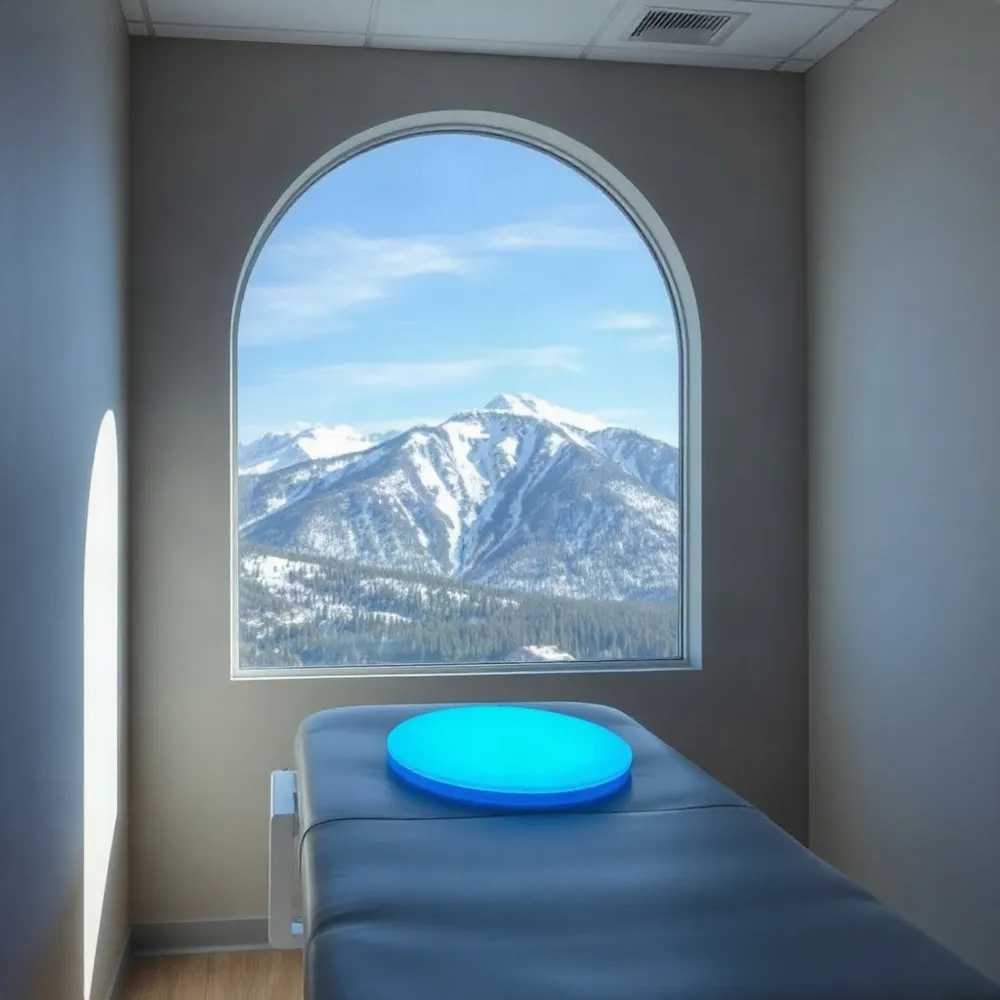 Cold laser therapy, also known as low-level laser therapy (LLLT) or photobiomodulation, is a non-invasive treatment that uses low-intensity light to stimulate biological processes without generating heat. Unlike surgical lasers, the device emits no thermal energy, making the procedure painless and silent. Patients feel only the gentle touch of the applicator against the skin.
The therapy uses red to near-infrared wavelengths (660–905 nm). For superficial tissues, wavelengths between 600 and 700 nm are used; deeper penetration requires 780 to 950 nm, as described in a comprehensive PMC review. The light energy enters the cells and triggers a cascade of biochemical effects.
At the cellular level, LLLT photo-dissociates nitric oxide from cytochrome c oxidase in mitochondria, reversing mitochondrial inhibition and increasing ATP, cyclic-AMP, and reactive oxygen species. This boost in cellular energy enhances proliferation of fibroblasts and keratinocytes, promotes angiogenesis, and stimulates collagen synthesis. Within 10 to 20 minutes of treatment, a reversible neural blockade occurs, reducing action potentials by roughly 30%, with effects persisting up to 24 hours by lowering peripheral sensitization and the release of pro-inflammatory neuropeptides.
Medium-term effects (hours to days) include decreased edema and inflammation due to fewer inflammatory cells and cytokines. Long-term benefits (weeks to months) result from improved tissue healing. These properties make cold laser therapy effective for a wide range of conditions: back pain, neck pain, arthritis, tendonitis, sprains, strains, carpal tunnel syndrome, plantar fasciitis, frozen shoulder, neuropathic pain, and post-surgical recovery. The FDA has cleared LLLT for temporary relief of muscle and joint pain.
Effectiveness for Common Conditions
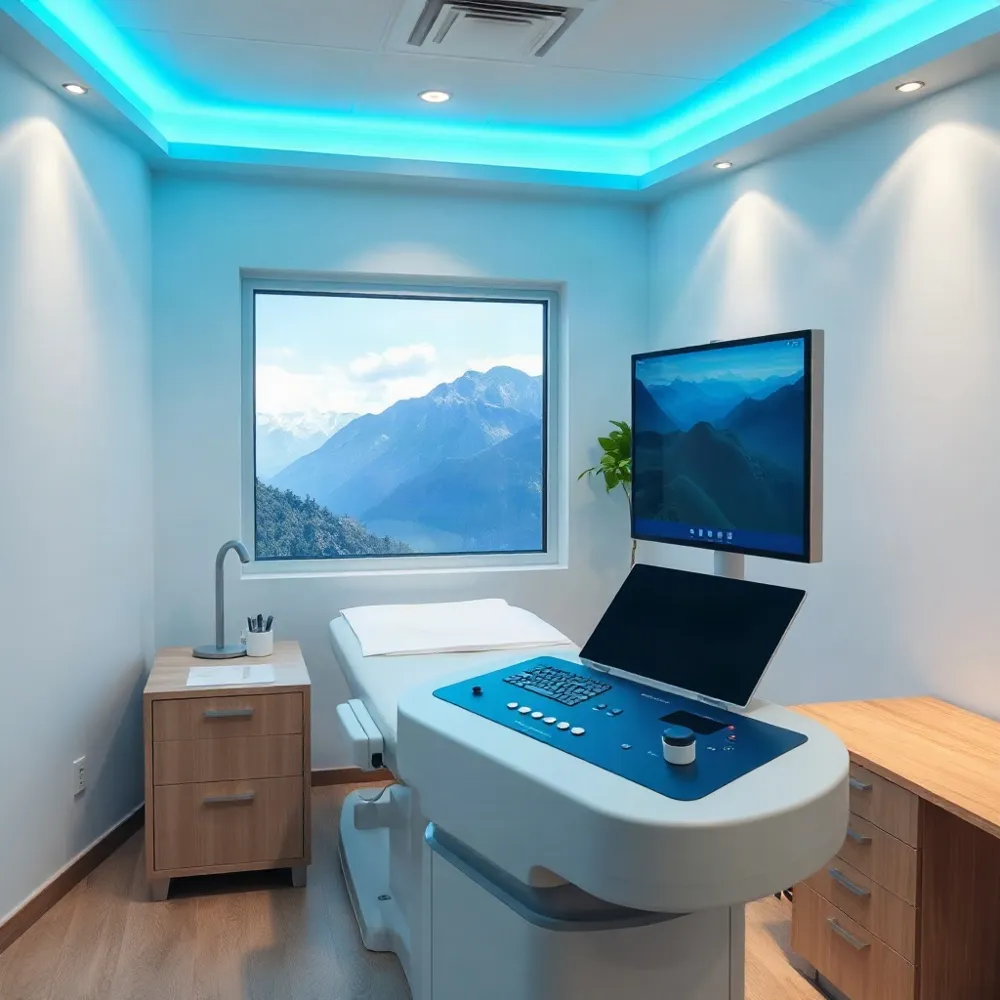 Clinical research and FDA clearances support cold laser therapy as a non-invasive option for pain relief. A meta-analysis published in The Lancet found that low-level laser therapy (LLLT) significantly reduced chronic neck pain compared to placebos, with benefits lasting several months.
For whole-body pain, the Erchonia FX 635 device has received FDA clearance, with manufacturer studies reporting a 49% reduction in pain without medication. Research in the American Journal of Sports Medicine highlighted faster recovery in athletes with tendon injuries, and a study by Mansouri et al. (2020) suggested LLLT may be as effective as ibuprofen for pain reduction.
Frozen Shoulder and Sciatica
A systematic review of eight randomized controlled trials found that LLLT significantly reduces pain (VAS), improves shoulder function (SPADI), and enhances quality of life (SF-36) in patients with frozen shoulder, especially when combined with conventional therapies.
For sciatica, cold laser therapy uses specific light wavelengths to reduce inflammation and swelling around the compressed nerve, alleviating burning, numbness, and tingling. By boosting cellular energy, it can improve mobility and range of motion without drugs or surgery.
Range of Treatable Conditions
LLLT has been studied for acute orthopedic conditions (sprains, strains, whiplash, post-surgical pain) and chronic conditions (osteoarthritis, rheumatoid arthritis, carpal tunnel syndrome, plantar fasciitis). It also treats neuropathic pain such as post-herpetic neuralgia, trigeminal neuralgia, and diabetic neuropathy.
Additional applications include wound healing, scar reduction, and sports injuries like golfer's elbow, tennis elbow, and repetitive motion injuries. At glenwoodchiro.com, cold laser therapy can be integrated into a comprehensive, evidence-based plan to restore mobility and relieve discomfort.
Side Effects, Contraindications, and Cost
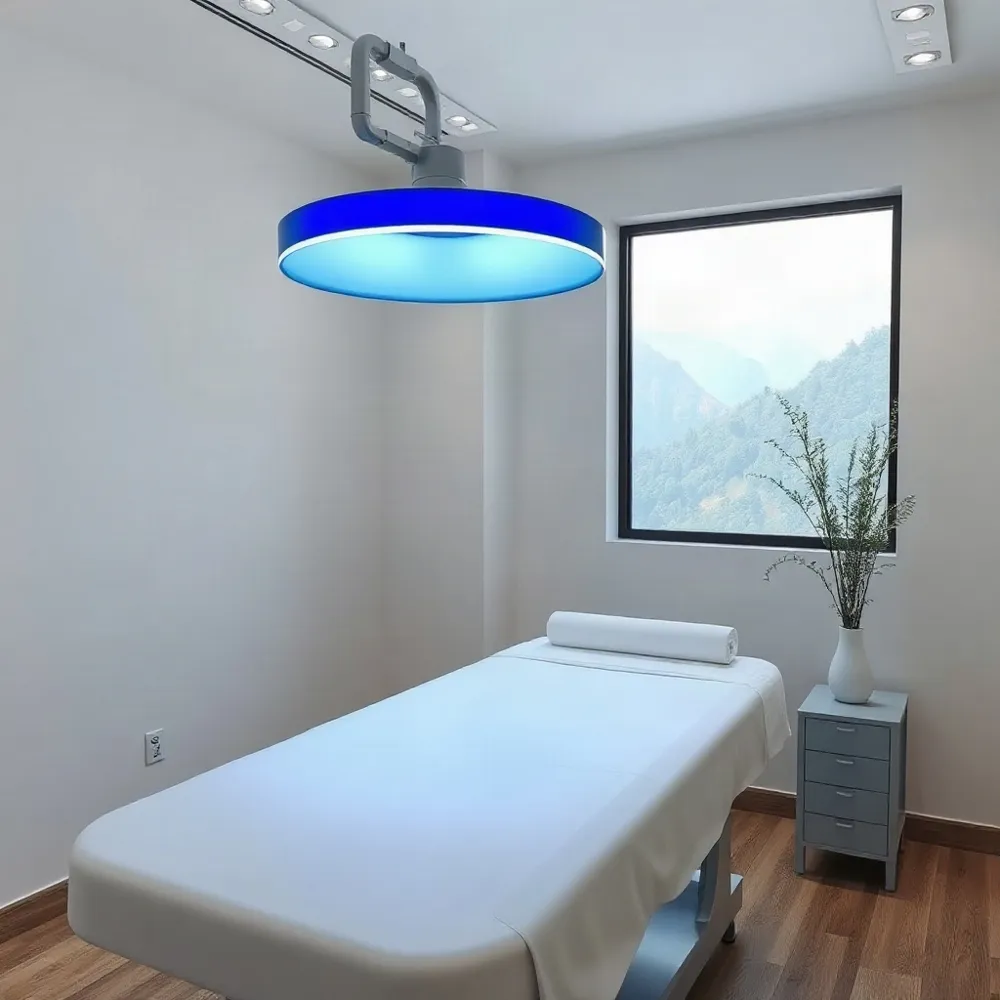 Cold laser therapy is a non-invasive treatment with a strong safety profile. Reported adverse effects are minimal and no different from those of placebo devices in clinical trials. Patients may notice temporary skin irritation or redness at the treatment site, which usually subsides within a few hours.
Strict contraindications do apply. Treatment must be avoided directly over known cancer sites (except for palliative care in terminally ill patients), over a developing fetus during pregnancy, and over the thyroid or eyes. Caution is required with photosensitive epileptic patients exposed to low-frequency pulsed visible light below 30 Hz. Practitioners at glenwoodchiro.com conduct a thorough patient history before each session to rule out these risks.
The cost per session typically ranges from $50 to $150, depending on location and equipment. Some conditions resolve in 1 to 3 sessions, while others may require up to 30 sessions, bringing the total to nearly $2,000. Insurance coverage is inconsistent — Medicare and Medicaid do not cover it, and many private carriers also exclude it, so patients often pay out of pocket.
Most patients notice improvement within 3 to 6 sessions. Chronic conditions may require more frequent visits initially, followed by maintenance sessions. MLS (multi-wave, synchronized) lasers, which deliver simultaneous pain relief and swelling reduction, may carry a different cost structure. A consultation at glenwoodchiro.com can provide a personalized treatment plan and accurate pricing based on your specific condition.
Cold Laser Therapy vs. Traditional Physical Therapy
Traditional physical therapy relies on active, hands-on techniques: manual therapy, targeted exercises, and movement re-education to rebuild strength and restore function. Therapists may also incorporate heat, ice, or ultrasound. Cold laser therapy, also known as Low-Level Laser Therapy (LLLT), takes a passive approach, using low-power light to stimulate cellular repair and reduce inflammation without generating heat.
Different Strengths, Shared Goal
Cold laser therapy excels at reducing pain and inflammation at the cellular level, making it especially effective for nerve healing, wound care, and sensitive areas. Physical therapy, in contrast, is better suited for rebuilding mechanical strength and correcting movement dysfunctions. Because these therapies target different aspects of recovery, they are often used together for enhanced results. For instance, a patient at a clinic like glenwoodchiro.com might receive a cold laser session to calm inflammation and reduce pain sensitivity before a chiropractic adjustment or physical therapy exercises.
Comparing Modalities and Session Demands
Traditional physical therapy often requires longer sessions and more frequent visits to achieve results. Cold laser therapy sessions are quick, typically lasting 5 to 20 minutes. Some research even suggests LLLT may be as effective as ibuprofen for pain reduction (Mansouri et al. 2020). More advanced MLS laser systems deliver synchronized wavelengths, offering simultaneous pain relief and swelling reduction, unlike traditional cold lasers that can only address one at a time.
Both approaches are non-invasive and drug-free, and they can be seamlessly integrated into a single care plan. A patient might use cold laser therapy for immediate pain relief and cellular repair while continuing physical therapy to address underlying strength and mobility issues.
Integrating Cold Laser with Chiropractic Care
Chiropractors can integrate cold laser therapy before or after spinal adjustments to improve outcomes. The light energy reduces muscle tightness and decreases pain sensitivity, making adjustments more comfortable and effective. This combined approach provides long-lasting relief for conditions like sciatica and herniated discs.
Cold laser therapy acts as an adjuvant treatment. It reduces inflammation and stimulates cellular repair, but it does not correct structural deficits or instabilities. Chiropractic adjustments address those structural issues directly. Chiropractic care focuses on the relationship between the spine and the nervous system; gentle adjustments restore proper alignment and relieve nerve pressure, allowing the body to heal naturally without drugs or surgery.
Cold Laser Therapy. Uses low-level laser light to reduce inflammation, promote cell regeneration, enhance collagen formation, and support development of new blood vessels. It is often described as regenerative medicine because it stimulates the body's repair processes at the cellular level.
Chiropractic Adjustments. Techniques like the Activator Method deliver precise, controlled impulses to specific spinal points, restoring motion without the twisting or cracking of traditional chiropractic care. These adjustments correct alignment and relieve nerve pressure.
Smart Laser treatments, an advanced form of cold laser therapy, are FDA approved and backed by over 2,500 worldwide medical studies. Approximately 75–80% of patients notice immediate improvement after treatment. At glenwoodchiro.com, care plans combine cold laser therapy with chiropractic adjustments and other modalities for a holistic, patient-centered approach. This combination addresses both the structural and inflammatory components of musculoskeletal conditions, supporting optimal recovery and long-term wellness.
Making the Right Choice for Your Recovery
Deciding between cold laser therapy and traditional physical therapy depends on your condition, goals, and timeline. Cold laser therapy offers passive, cellular-level stimulation in quick sessions, making it ideal for reducing inflammation and nerve pain. Traditional physical therapy focuses on active, hands-on techniques to rebuild strength and restore mechanical function.
Both approaches are non-invasive, drug-free, and carry strong safety profiles. The choice is not about which is superior, but which fits your specific needs. For persistent inflammation or nerve pain, cold laser therapy provides rapid relief by reducing inflammation and blocking pain signals at the cellular level.
For many patients, the best results come from combining both modalities in a comprehensive care plan. A clinic like Glenwood Chiro that integrates cold laser therapy with chiropractic adjustments can address both immediate pain and the underlying structural issues. This patient-centered approach allows for faster recovery by using cold laser to reduce pain and swelling before adjustments, then applying physical therapy principles to rebuild strength and mobility.
Consult a qualified healthcare provider, such as a chiropractor, to determine the right path for your condition. At Glenwood Chiro, your treatment plan is built around holistic healing, not a one-size-fits-all method.