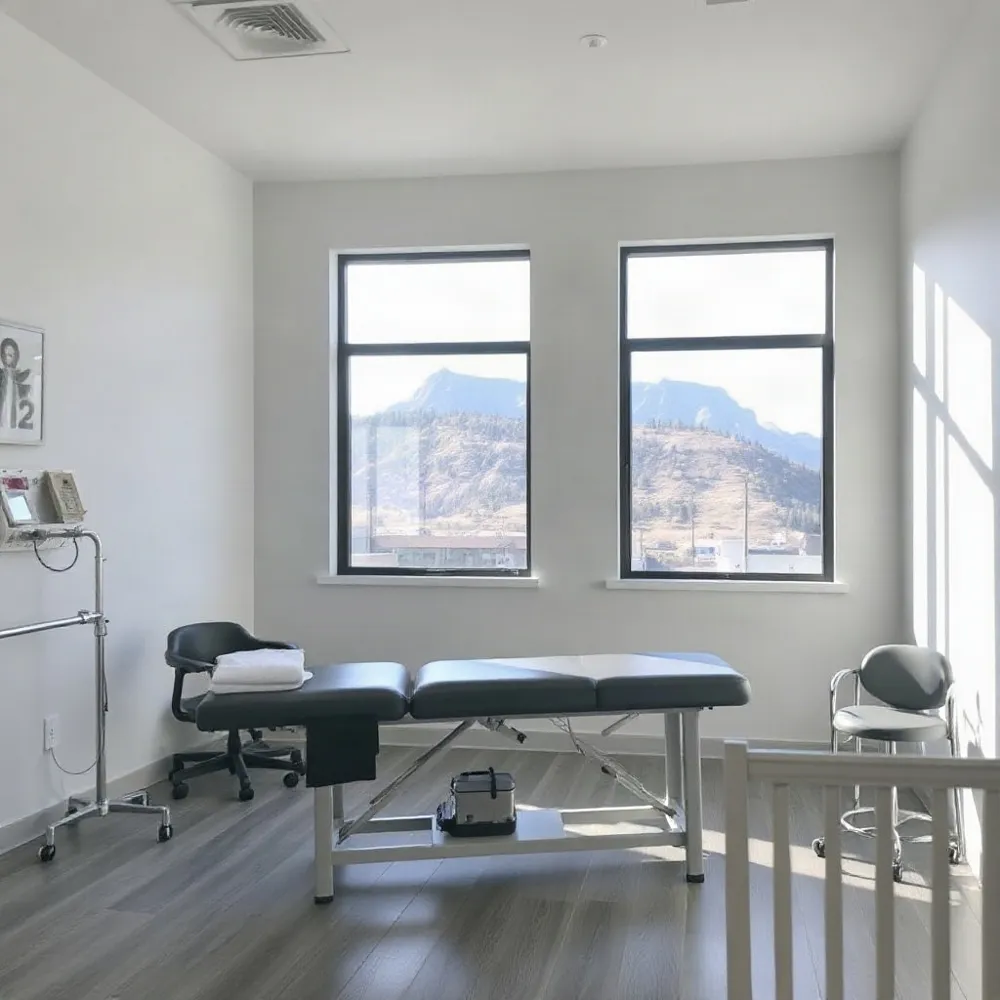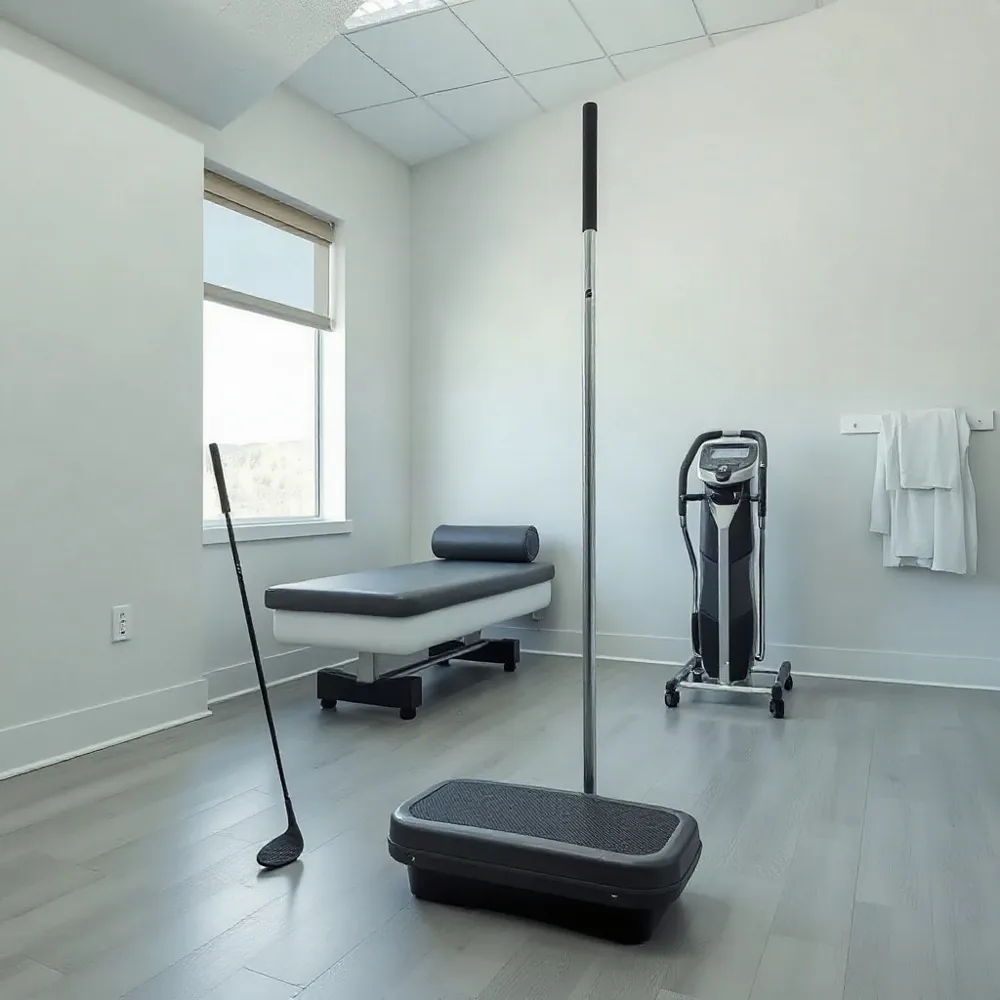
The Body Behind the Swing
A golf swing is shaped by more than technique. The body has to move through the positions a golfer is trying to achieve, so mobility, strength, balance, and stability can all matter to swing efficiency and consistency. When movement feels restricted or difficult to control, it may also affect comfort during play.
A Titleist Performance Institute (TPI) screen offers one way to explore how a golfer moves and where physical abilities may limit available swing options. Rather than prescribing one ideal swing, the approach considers the individual’s body and goals. At Glenwood Springs chiropractic care can also focus on musculoskeletal function and mobility, while keeping any assessment grounded in the person’s concerns.
Screening findings are clues for discussion and planning, not a guarantee of better performance or injury prevention. They do not, by themselves, diagnose a medical condition. A golfer with pain or persistent limitations may need a clinical evaluation alongside movement screening, with next steps based on the findings and personal goals.
What a TPI Assessment Examines
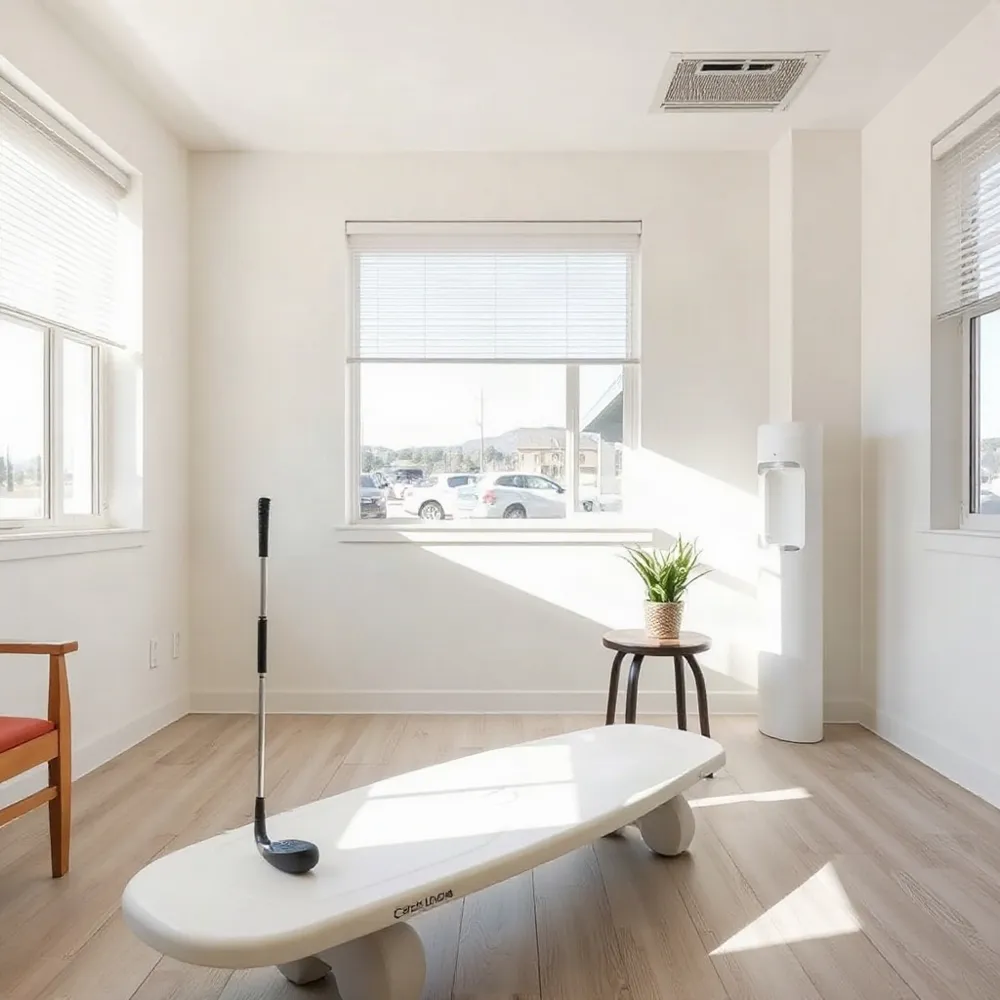 A Titleist Performance Institute (TPI) assessment is a golf-focused movement screen. It explores how physical abilities may relate to the way a golfer moves through a swing, rather than judging technique alone. For Glenwood Springs golfers, this kind of movement perspective can complement the non-invasive musculoskeletal care and mobility focus offered at glenwoodchiro.com.
A screen may examine movement quality, flexibility, mobility, strength, stability, balance, and coordination. The specific tests and sequence can vary by practitioner, so golfers should not assume every assessment follows an identical protocol. Findings offer a picture of current movement, not a diagnosis.
The aim is to understand which movements are comfortable and available to the individual. TPI’s approach recognizes that an efficient swing does not have to look the same for every golfer: a useful swing plan should account for what that person’s body can do. A restriction in one area may be worth exploring, but a screen result alone cannot establish why it occurs or prove that it causes a particular swing fault.
Assessment findings can help a golfer and their coach decide what to investigate in practice or training. They may also help a clinician consider movement concerns alongside a person’s symptoms and health history. At glenwoodchiro.com, the clinic’s focus on chiropractic care and mobility restoration offers a clinical context for discussing musculoskeletal concerns, but golfers should confirm a provider’s specific TPI training before seeking that service.
A movement screen works alongside golf instruction or swing analysis; it does not replace either. Nor does it substitute for a clinical evaluation when pain persists or an injury is suspected. In those situations, a healthcare professional can assess symptoms and determine whether further care is appropriate. For a broader explanation of what the screen can reveal, see what a TPI assessment examines.
Tests Offer Clues, Not Diagnoses
A TPI movement screen is often described as including 16 tests, but practitioners may vary the sequence or add follow-up checks based on what they observe. At Glenwood Springs chiropractic clinics, movement concerns can also be considered within broader, patient-centered musculoskeletal care, rather than treated as a golf test result alone.
Examples of screen movements include the Toe Touch, Pelvic Tilt, Pelvic Rotation, Torso Rotation, 90/90, Full Overhead Deep Squat, Lower Quarter Rotation, and Seated Trunk Rotation. Taken together, these checks can offer clues about posture, balance, mobility, stability, and the ability to control movement. A practitioner may look at an overall pattern, then use more focused tests to explore a particular restriction.
A limited Toe Touch, for instance, does not prove that tight hamstrings are the cause. Further assessment may point to another factor, such as restricted movement through the upper back. Treating one test as a diagnosis can miss how different body regions contribute to a broader movement pattern.
That distinction matters when deciding what to address. Glenwoodchiro.com focuses on non-invasive musculoskeletal care, including chiropractic adjustments and therapies intended to support pain relief and mobility restoration. A screen can help frame questions about movement, but it does not establish the cause of pain or diagnose a medical condition.
If basic movement is adequate, a practitioner may consider performance or power testing. When power appears limited, assessing whether strength or speed is the main constraint can help guide training priorities. These additional measures are not required in every screen, and their relevance depends on the golfer’s goals and findings.
The result is best understood as a snapshot that points toward areas for further consideration, not a pass-or-fail verdict. A qualified provider can explain what a finding may suggest, identify when a fuller clinical evaluation is appropriate, and discuss next steps in light of the golfer’s symptoms and goals.
Connecting Movement With Swing Demands
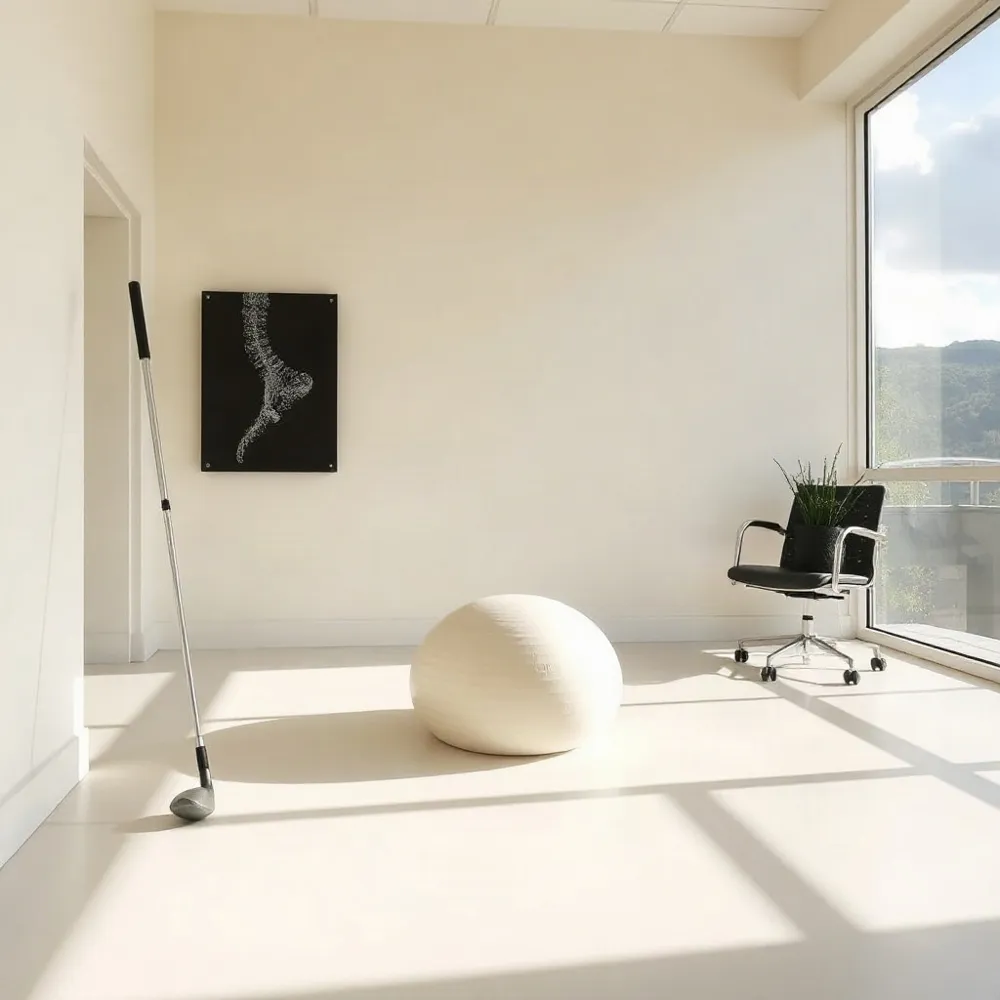 A golfer needs enough movement and control to reach swing positions comfortably and repeat them. Restricted hip or thoracic-spine rotation, or limited shoulder movement, may make some positions more difficult. The effect varies by person, and a restriction alone does not predict a particular swing fault.
A screen can compare movements such as pelvic rotation and torso rotation, then consider how they work together in a golf posture. Someone who rotates each area separately may still find full-body rotation difficult. That pattern could point to a control or stability challenge rather than a lack of mobility alone.
Shoulder external rotation can also be assessed in relation to the positions a golfer uses during the swing. If a movement is limited, the golfer may adapt posture or coordination to complete it. These adjustments are possibilities to explore, not proof that a limitation caused a swing tendency.
For golfers in Glenwood Springs, glenwoodchiro.com provides non-invasive musculoskeletal care focused on pain relief and mobility restoration.
Turning Findings Into Individual Priorities
 A movement screen is best treated as a snapshot of what a golfer can do at the time of assessment, not as a fixed prescription. Findings can help identify which movement patterns merit attention or whether a concern calls for a closer medical evaluation. They do not diagnose an injury or promise pain relief, injury prevention, or better scores.
The first question should be what the golfer wants to change. Someone seeking easier daily movement may have different priorities from a player focused on swing performance. If pain is part of the picture, it should be discussed directly so the next steps account for comfort and function, rather than focusing only on golf.
Depending on the findings and goals, a plan may include mobility, strength, stability, or coordination work. A golfer may also share relevant observations with a golf coach, so physical capabilities can inform instruction without assuming that a screen alone explains a swing pattern. When symptoms or other concerns warrant it, referral for evaluation by a qualified health professional is an appropriate next step.
Understanding Assessment Costs
There is no universal price for a TPI golf assessment. Providers set their own fees, and costs can vary by location and by what the appointment includes. The available information does not establish a standard fee for a screening in Glenwood Springs.
The fee may reflect the professional’s experience and credentials, appointment length, and depth of assessment. A session limited to movement tests may differ in scope from one that also includes swing analysis, power testing, or technology-based movement analysis. More extensive testing can require additional time and resources.
Ask whether follow-up visits, an individualized exercise program, or additional care are included or billed separately. A screening may identify areas to discuss, but it does not automatically include ongoing coaching or treatment.
Before booking, ask the provider to explain the fee and list what it covers. Clarify whether any recommended follow-up services have separate costs, so you can compare options based on the assessment provided rather than the initial price alone. For related guidance, see understanding assessment costs.
A Starting Point for Better Questions
A TPI screen can help a golfer describe how their body moves and identify areas to ask about, whether the goal is more comfortable movement or golf performance. At Glenwood Springs, Glenwood Springs Chiropractic focuses on non-invasive musculoskeletal care, including mobility and pain concerns; ask the clinic directly whether a particular appointment includes a TPI screen.
Before booking, check the provider’s training and clarify what the service includes. A movement screen, golf instruction, and a clinical evaluation have different purposes. A screen can highlight movement patterns for further discussion, but it does not diagnose an injury.
Individual assessment can help shape sensible next steps, such as discussing movement limitations with a qualified health professional or golf coach. Any change depends on the golfer, the plan, and follow-through. Screening alone promises neither a diagnosis nor a particular result.