Introduction to Cold Laser Therapy
Definition and Overview of Cold Laser Therapy
Cold laser therapy, also known as Low-Level Laser Therapy (LLLT) or Photobiomodulation (PBM), is a non-invasive treatment that utilizes low-intensity light to promote tissue healing and reduce pain without generating heat or causing tissue damage. This therapy employs specific wavelengths of light, typically ranging from 600 to 1000 nanometers, to penetrate 2 to 5 centimeters beneath the skin, targeting affected muscles, ligaments, tendons, and nerves.
Common Musculoskeletal Conditions Treated
Cold laser therapy is widely used by chiropractors and healthcare professionals to manage a variety of acute and chronic musculoskeletal conditions. These include muscle strains, arthritis, tendonitis, bursitis, ligament sprains, back and neck pain, carpal tunnel syndrome, fibromyalgia, and sports injuries. It also assists in reducing inflammation and swelling associated with these disorders while promoting faster healing.
Basic Mechanism of Action
The underlying mechanism involves the absorption of light photons by cell mitochondria, which stimulates increased production of adenosine triphosphate (ATP). ATP acts as the cellular energy currency, enhancing cell repair and regeneration. Additionally, cold laser therapy improves blood flow and oxygen delivery, reduces inflammatory chemicals, and helps release natural pain-relieving endorphins. Collectively, these effects accelerate tissue healing and provide effective pain relief in a safe, drug-free, and painless manner.
How Cold Laser Therapy Works: Cellular Healing and Pain Relief
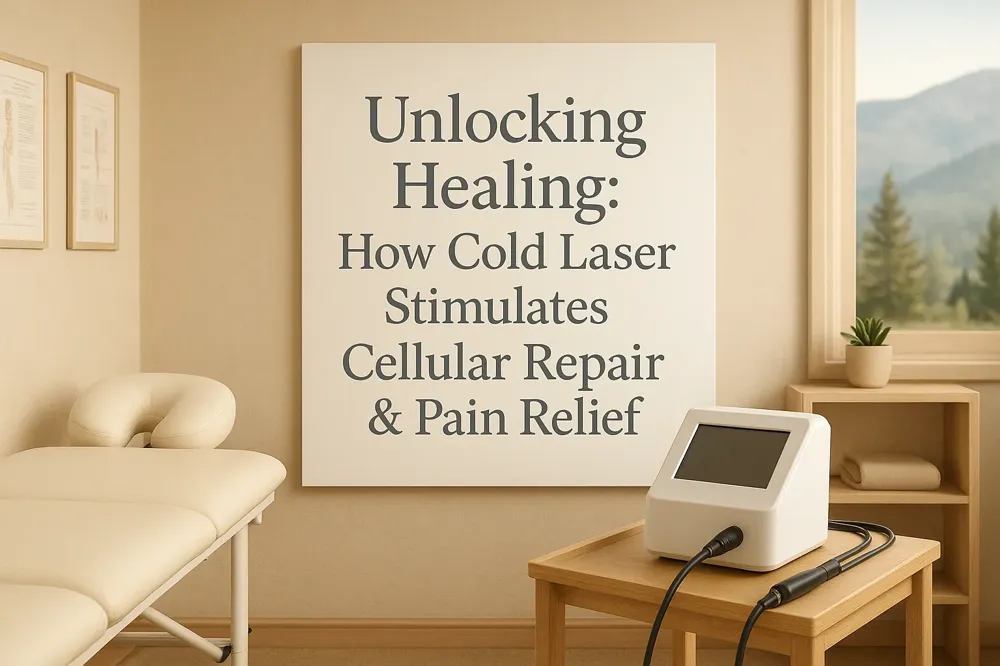
What is cold laser therapy and how does it work?
Cold Laser Therapy, also known as Low-Level Laser Therapy (LLLT), is a non-invasive treatment that uses low-intensity light to stimulate healing in damaged tissues without generating heat. A handheld device emits specific wavelengths of light, typically between 600 and 1000 nanometers, which penetrate the skin to depths of 2 to 5 centimeters depending on the wavelength used. This light activates cellular processes promoting natural regeneration and repair.
Mechanism of treatment including light wavelengths and tissue penetration
The therapy uses low-level red and near-infrared light. Light in the 600–700 nanometer range targets superficial tissues, while wavelengths between about 780 and 950 nanometers penetrate deeper layers. The photons are absorbed by mitochondrial chromophores within cells, triggering biochemical changes such as increased energy production and protein synthesis. Advanced technology like super pulsing allows deeper penetration (up to 4-5 inches) without tissue damage.
Role of ATP production and mitochondrial stimulation
The absorbed light stimulates mitochondria, the cell's energy centers, enhancing the production of adenosine triphosphate (ATP). ATP acts as the primary energy source for cell functions, fueling accelerated repair, regeneration, and tissue remodeling. By increasing ATP production, cold laser therapy speeds up the healing process and promotes the recovery of healthy cells.
Reduction of inflammation and pain via photobiomodulation
Photobiomodulation effects include reducing inflammation by displacing excess nitric oxide from mitochondria, which normalizes oxygen use and decreases reactive oxygen species. This results in reduced swelling, pain, and nerve sensitivity. The therapy also improves local blood circulation, enhances oxygen and nutrient delivery, and encourages the formation of new blood vessels, all aiding in pain relief and tissue healing.
Typical session duration and patient experience
Treatment sessions typically last between 5 and 20 minutes, with many patients noticing symptom improvements after three to five sessions. The procedure is painless and non-invasive, with patients feeling only mild or no sensations during application. Because the therapy does not generate heat, sound, or vibrations, it is well tolerated and requires no recovery time, allowing patients to resume normal activities immediately after treatment.
Safety, Side Effects, and Contraindications of Cold Laser Therapy
Is cold laser therapy safe?
Cold laser therapy safety is generally considered safe when performed by qualified healthcare providers such as licensed chiropractors. This treatment uses low levels of red or infrared light focused into a narrow beam to stimulate cellular processes, reduce inflammation, and promote tissue healing without damaging healthy tissue. Devices used are subject to strict federal regulations and safety standards in the United States, ensuring both efficacy and safety. Common side effects are minimal, often limited to temporary skin redness or warmth. Protective measures like eye protection are important to prevent accidental exposure. Current evidence supports Cold Laser Therapy as an effective and safe option for various musculoskeletal conditions when used appropriately.
What are the common side effects or risks associated with cold laser therapy?
Cold laser therapy is a non-invasive treatment with minimal risks. Most patients do not experience discomfort, though mild side effects such as temporary redness, warmth, tingling, fatigue, or mild soreness may occur and typically resolve quickly. Serious adverse effects like skin damage or eye injury are extremely rare and mainly relate to improper use or lack of protective eyewear. It is important that therapy is administered by trained professionals who follow established safety guidelines. Patients with photosensitive conditions, active cancer, or electronic implants should seek medical advice before treatment. Overall, Cold Laser Therapy Benefits offers a low-risk alternative to invasive procedures.
What are the main contraindications for cold laser therapy?
Contraindications include avoiding treatment over the eyes to prevent ocular damage, and over known malignant tumors or cancerous areas unless for palliative care. Treatment over the gravid uterus during pregnancy is also contraindicated to protect the developing fetus. Patients with thyroid gland disorders should exercise caution as the therapy may impact thyroid tissue. Additionally, caution is advised for individuals with epilepsy due to the possible risk of seizure induction. A thorough patient evaluation is crucial to ensure safe and effective therapy. For more detailed information on cold laser therapy precautions, please consult healthcare providers or review contraindications related to thyroid gland and cold laser therapy.
Importance of protective measures during treatment
Protective eyewear should be worn by both patient and practitioner when using higher-class lasers (class III and IV) to prevent eye injury. The therapy does not produce heat or vibration, making it painless and safe for skin contact, but strict adherence to safety protocols is essential. Treatments should only be performed by trained professionals in a controlled clinical setting to minimize risks and optimize outcomes. For additional safety details, review Laser therapy safety tips.
Treatment Protocols: Frequency, Duration, and Expected Results
Recommended treatment frequency for acute vs. chronic conditions
Cold laser therapy treatment frequency varies depending on whether the condition is acute or chronic. Acute injuries typically benefit from more frequent sessions—sometimes daily or multiple times weekly—to accelerate the healing processes through enhanced cellular metabolism and blood flow. Chronic conditions often require a less intensive schedule, generally involving 2 to 3 sessions per week over several weeks, thereby supporting gradual tissue regeneration and inflammation reduction.
Typical session length and number of sessions
Each treatment session usually lasts about 10 to 15 minutes, depending on the size and severity of the affected area. For acute conditions, patients often notice relief after 1 to 3 sessions. However, chronic pain or long-standing injuries usually necessitate a series of 6 to 12 sessions, sometimes extending up to 20 for optimal healing and pain control. The treatment protocols are adaptable and individually tailored by the chiropractor based on patient response and clinical progress.
Timeline for seeing improvements and long-term benefit
Patients typically begin to experience improvements in pain, inflammation, and mobility within a few treatments, often between the first and third sessions. The full therapeutic benefits, including enhanced tissue regeneration and pain relief, may take several weeks of consistent treatment practices. Studies and clinical experience show an overall improvement of 30% to 50% is common, with some patients requiring ongoing maintenance sessions to sustain long-term symptom management.
Post-treatment expectations and patient experience
Cold laser therapy is a painless, non-invasive procedure that generally induces no discomfort or downtime. Patients might feel a mild tingling or warmth as circulation improves during sessions. After treatment, normal activities can typically resume immediately, but avoiding overexertion is advised to support the healing process. Because cold laser therapy enhances natural cellular repair mechanisms, improvements may continue gradually even after the final treatment session, contributing to lasting relief from pain and improved function.
Clinical Validation and Comparison with Other Therapies
Is cold laser therapy FDA approved?
Cold laser therapy , also known as Low-Level Laser Therapy (LLLT) , has secured FDA approval of cold laser therapy for various conditions such as musculoskeletal lower back pain. Notably, devices like the Erchonia FX 635 laser system received regulatory approval based on clinical studies showing meaningful pain reduction and improved mobility lasting up to 12 months post-treatment. The therapy is acknowledged as safe, non-invasive, and drug-free, promoting healing on a cellular level without generating heat or causing tissue damage. Although recognized widely and supported by numerous clinical trials, further research is ongoing to solidify its status as a standard treatment across broader conditions.
What benefits does cold laser therapy provide?
Benefits of Cold Laser Therapy offer multiple therapeutic benefits primarily by reducing inflammation, edema, and pain through photobiomodulation. It enhances cellular metabolism by stimulating ATP production, which accelerates tissue repair and regeneration. This process facilitates faster healing and functional recovery, often improving mobility in musculoskeletal conditions. The therapy also provides immediate pain relief by inhibiting nerve conduction, effectively acting as a neural blockade. It targets injured tissues, nerves, and trigger points deeply with specific wavelengths for cold laser therapy (600–1000 nm), supporting natural restorative processes safely and efficiently.
How does cold laser therapy compare to red light therapy?
Both Cold Laser Therapy and red light therapy employ photobiomodulation to stimulate cellular healing and reduce inflammation, but they differ in their mechanisms and depth of tissue penetration. Cold Laser Therapy uses coherent, targeted laser light capable of penetrating deep into muscles, tendons, and nerves, making it suitable for chronic pain and deep tissue injuries. In contrast, red light therapy typically uses non-coherent LED light focused on superficial tissues, promoting skin health, collagen production, and reducing surface inflammation.
Cold Laser Therapy requires administration by trained professionals to precisely target affected areas, while red light therapy can often be used more broadly for skin and mild inflammatory issues. Combining both may enhance patient outcomes by addressing both surface and deeper tissue concerns.
Role in reducing opioid reliance and as a drug-free alternative
Cold Laser Therapy serves as an effective, drug-free alternative to pharmaceutical pain management, particularly opioids. By alleviating pain and inflammation naturally through cellular regeneration and improved blood flow, it reduces the necessity for opioid medications, which carry risks of dependency and adverse side effects. Its safety profile and minimal side effects make it an attractive option within integrative pain management protocols. Ample clinical evidence supports its utility in managing conditions like arthritis, musculoskeletal injuries, and neuropathic pain, thereby contributing to broader public health efforts in decreasing opioid reliance.
Integrating Cold Laser Therapy in Chiropractic Care and Patient Guidance
How Does Cold Laser Therapy Complement Chiropractic Adjustments?
Cold laser therapy enhances chiropractic care by addressing inflammation and promoting tissue healing at the cellular level. By stimulating ATP production and improving blood flow, it accelerates recovery from musculoskeletal injuries treated via chiropractic adjustments. This synergy reduces pain and swelling, allowing patients to experience faster relief and improved mobility, supporting overall rehabilitation goals without invasive procedures.
What Are Patient Considerations and Contraindications?
Cold laser therapy safety is safe and painless but should be used cautiously in certain populations. It is contraindicated in pregnant women when treating the abdomen, individuals with cancer or tumors, or those with epilepsy. Patients must avoid direct eye exposure to the laser to prevent injury. Before treatment, a healthcare professional should evaluate each patient’s health status to tailor therapy appropriately and avoid complications. Additionally, see contraindications related to thyroid gland and cold laser therapy for further safety considerations.
Is Cold Laser Therapy Covered by Insurance?
Insurance coverage for cold laser therapy varies. In the U.S., medical providers including chiropractors can bill for this treatment; however, private insurance reimbursement is inconsistent. Medicare and Medicaid generally exclude coverage. Cases involving personal injury or auto accidents often see full reimbursement for 6 to 12 sessions. Patients should confirm benefits and limitations with their insurers, as coverage depends on plan details and treatment indications.
Why Is Professional Administration Critical and Why Avoid At-Home Use?
Professional administration ensures optimal treatment parameters such as wavelength, intensity, and dosage tailored to patient needs, maximizing therapeutic benefit while minimizing risks. Certified practitioners maintain safety standards, including proper eye protection. At-home devices often lack the appropriate power or settings, risking ineffective treatment or symptom worsening. Therefore, cold laser therapy is best delivered under expert supervision as part of a comprehensive care plan.
What Should Patients Expect During and After a Session?
A typical session lasts 5 to 15 minutes, involving a handheld device delivering low-level laser light to the affected area. Patients usually feel no discomfort aside from a mild warming or tingling sensation. Immediate effects can include pain reduction, decreased inflammation, and improved tissue function. Recovery requires multiple sessions—often between 3 and 12—to achieve sustained benefits. Post-treatment, there is minimal downtime with patients able to resume normal activities promptly. Minor side effects like transient redness or swelling are rare and temporary.