The Synergy of Chiropractic Care and Home Support
Sciatica is not a single medical condition, but a descriptive term for symptoms stemming from irritation or compression of the sciatic nerve. Because this nerve originates in the lower spine and travels through the legs, pain manifestations can vary significantly between individuals. Proper diagnosis is essential, as the approach to managing symptoms depends on whether the underlying cause is mechanical, such as spinal disc compression, or inflammatory.
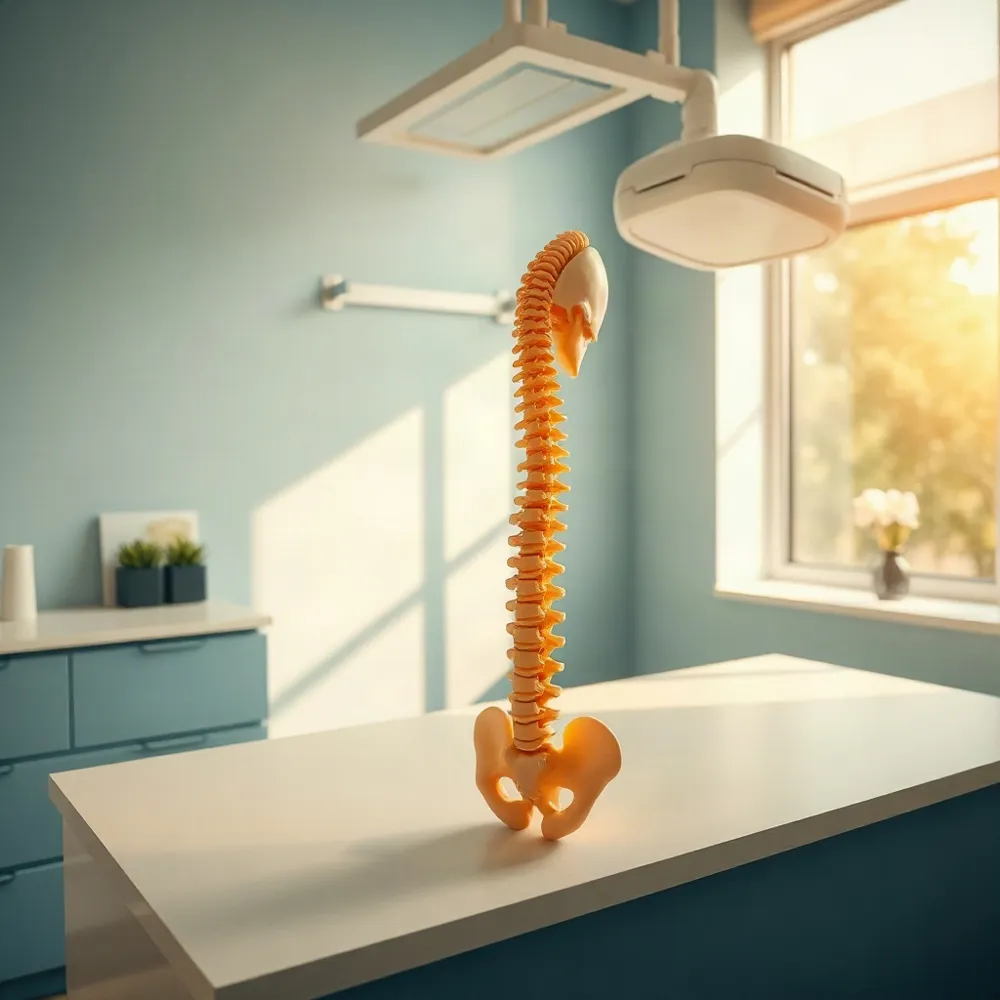
At glenwoodchiro.com, we prioritize a patient-centered approach to musculoskeletal wellness by utilizing spinal manipulation to restore proper alignment. This non-invasive, drug-free method directly targets the root of nerve impingement rather than masking the discomfort. Unlike generic exercise programs that may overlook the individual nature of injury, our care plans ensure that every, often painful, adjustment is matched by specific recovery protocols.
Clinical outcomes improve when professional, hands-on care is synchronized with consistent home practices. Research indicates that 80 to 90 percent of individuals recover from sciatica without surgery when they actively participate in their rehabilitation. While professional adjustments facilitate movement and reduce local inflammation, daily activity prevents stiffness and muscle atrophy. We encourage patients to implement gentle home movements between office visits. By pairing clinical expertise with home-based mobility drills, you accelerate functional recovery and create a more resilient foundation for long-term spinal health.
Evidence Based Sciatica Management Strategies
- Apply cold packs for 15-20 minutes during the first 48 hours to minimize nerve inflammation.
- Utilize heat therapy after acute phases subside to promote muscle relaxation and tissue healing.
- Chiropractic care focuses on spinal alignment and mechanical restoration to address root causes of compression.
- Perform neural glides gently to improve nerve mobility without inducing additional tingling or pain.
- Avoid strenuous activities like double leg lifts or deep squatting that exacerbate lumbar strain.
- Implement the 90-90-90 rule when sitting to distribute weight away from lower lumbar discs.
- Move for one minute for every 20 minutes of sitting to prevent static posture compression.
- Strengthen core muscles to act as an internal brace, reducing the load on compressed nerve roots.
- Consume anti-inflammatory foods like leafy greens and berries to support tissue repair and systemic health.
- Prioritize hydration to maintain spinal disc health and ensure effective shock absorption between vertebrae.
1. Strategic Application of Temperature Therapy

Strategic Application of Temperature Therapy
Managing acute sciatic discomfort begins with controlling localized inflammation. During the initial 48 to 72 hours of a flare-up, cold packs serve as a primary intervention to constrict blood vessels and soothe irritated nerve roots. It is crucial to wrap ice packs in a cloth barrier to shield the skin from frostbite, limiting each application to 15 to 20 minutes with an equal recovery period between sessions.
Once the initial acute phase begins to subside, heat therapy supports long-term management. Applying gentle warmth helps recruit blood flow to the lower lumbar region, which facilitates tissue healing and encourages muscle relaxation. Similar to cold therapy, use a medium setting and a protective barrier to avoid thermal burns, noting that applications should typically last at least 15 minutes.
Combining these physical modalities with professional guidance supports recovery. While home-based temperature therapy offers immediate relief, chiropractic adjustments target the underlying spinal misalignments that often initiate these pain cycles. A clinical approach focuses on restoring proper joint function to reduce the mechanical pressure causing symptoms.
Evidence-Based, Holistic Approach to Managing Sciatica Pain
An evidence-based, holistic approach to sciatica prioritizes non-invasive care, focusing on mechanical restoration and long-term functional health. Practitioners utilize chiropractic adjustments to address spinal alignment and targeted soft tissue therapies, such as myofascial release, to alleviate tension in the muscles surrounding the sciatic nerve. This care is complemented by a structured physical therapy regimen designed to improve core stability, range of motion, and postural mechanics to prevent future injury. Beyond manual interventions, a holistic model integrates lifestyle modifications including ergonomic education, stress management, and weight maintenance to reduce overall nerve inflammation. By addressing the root cause of nerve compression rather than solely managing symptoms, this patient-centered strategy supports sustainable mobility and recovery.
2. Movement Drills for Spinal Mobility
Stiffness often accompanies sciatic discomfort, making gentle movement a critical component of your recovery. While complete rest may seem intuitive, prolonged inactivity can exacerbate nerve irritation and muscle atrophy. Instead, focus on low-impact activities like walking to improve circulation and reduce inflammation. At glenwoodchiro.com, we emphasize that healing relies on restoring spinal alignment and range of motion through controlled, patient-centered movement.
Essential Movements for Decompression
- Knee-to-chest stretches help release lumbar tension by targeting the muscles around the lower buttock and thigh. NHS guidelines suggest keeping movements slow and controlled.
- Pelvic tilts engage the abdominal muscles, acting as an internal brace for the lumbar spine. This exercise helps stabilize the back, reducing the load on compressed nerve roots.
- Sciatic nerve sliders, or neural glides, are specialized drills used to improve neural mobility. Perform these as a light tugging sensation without forcing the stretch or increasing tingling.
- Consistent, low-impact exercise prevents the stiffness that often results from sedentary behavior. Taking frequent walks and avoiding static postures supports the body's natural healing processes.
Which types of exercises should be avoided when managing sciatica?
When managing sciatica, it is essential to avoid exercises that place excessive strain on the lower back and aggravate nerve compression. Specifically, movements involving double leg lifts, deep squatting, and repetitive torso twisting or rotation can significantly worsen symptoms. You should also move away from high-impact training and exercises that require bending forward with straight legs, such as standing toe touches. Instead of these activities, focus on low-impact, supportive movements that maintain a neutral, stable spine. Always consult with a healthcare professional, such as the providers at glenwoodchiro.com, to tailor a movement plan that prioritizes your unique spinal health and recovery needs. Per Mayo Clinic guidance, movements must always be performed without jerking or bouncing to ensure safety.
3. Ergonomic Refinements for Your Daily Routine
Modifying your environment is one of the most effective ways to reduce pressure on the sciatic nerve and prevent chronic irritation. If your daily routine involves prolonged periods at a desk, professional chiropractic care at glenwoodchiro.com can help you identify specific postural habits contributing to your discomfort. In contrast to generic office setups that often lead to slouching or forward head carriage, the 90-90-90 rule is a commonly recommended guideline for supporting neutral spine alignment. This approach requires that your hips, knees, and ankles are positioned at 90-degree angles, creating a stable foundation that redistributes weight away from your lower lumbar discs.
Using proper support is equally important to maintain the natural lumbar curve. A dedicated lumbar roll or supportive chair cushion helps fill the gap between the chair and the lower back, preventing the spine from rounding during long tasks. While many people believe that sitting still reduces pain, constant or prolonged static posture can actually compress spinal structures. Instead, implement the 20-20-1 rule: move for at least one minute for every 20 minutes of sitting to disrupt static cycles and stimulate blood flow to the affected area.
Physical labor requires its own set of precautions to shield the nerve from sudden torque or strain. Always practice lifting by hinging at the hips and bending your knees, rather than rounding your back to reach for objects on the floor. At glenwoodchiro.com, we emphasize that maintaining a neutral spine during these movements supports long-term spinal health.
Lifestyle Adjustments. To support recovery and prevent future flare-ups, prioritize maintaining a healthy weight to reduce stress on your spinal discs. Consistent physical movement is important, even during periods of discomfort, to reduce stiffness and improve circulation.
Core Stabilization. Strengthening your abdominal, back, and pelvic muscles acts as an internal protective brace for the spine, improving overall musculoskeletal stability.
4. Integrating Targeted Core-Stabilization Exercises
 Building a stable core acts as a natural brace for the spine, reducing the load on herniated discs or bulging segments that often compress the sciatic nerve. When deep abdominal and back muscles are weak, the burden of supporting your torso shifts onto these already compromised spinal components. Through conservative care for sciatica at glenwoodchiro.com, our team helps patients identify the specific muscle imbalances that exacerbate nerve pressure, moving beyond generalized fitness advice found in online videos.
Movements for Spinal Support
Targeted movements such as glute bridges and bird-dog exercises are effective at activating these supportive tissues. Glute bridges strengthen the posterior chain, preventing tight buttock muscles from restricting the nerve, while bird-dogs stabilize the trunk against rotation. These exercises for sciatica must be performed within a pain-free range of motion. Adhering to the rule that you should stop any movement that increases radiating nerve pain is essential for safety, and consultation with a professional healthcare provider ensures your chosen routine matches your diagnostic profile.
Consistency serves as the foundation of rehabilitation. Performing short, low-impact sessions daily helps improve mobility and endurance, which clinical evidence supports for long-term recovery. Many patients reach for standardized programs, yet relying on a custom, professional plan at glenwoodchiro.com ensures that every repetition directly addresses your specific symptoms rather than generic templates.
- Focus on slow, controlled contractions to maximize muscular engagement.
- Use breathing techniques to avoid tension, as holding your breath can spike spinal pressure.
- Shift from acute symptom relief to proactive core building as discomfort levels subside.
- Prioritize daily habits, as even 10 minutes of targeted movement yields more benefit than infrequent, high-intensity workouts.
Can chiropractic care help with sciatica, and are there risks involved? Chiropractic care is an evidence-based, non-invasive treatment option that can effectively address sciatica by targeting the mechanical irritation or compression of the sciatic nerve. By utilizing manual adjustments and targeted therapies, chiropractors work to restore proper spinal alignment, which may alleviate nerve pressure, reduce pain, and restore mobility without the need for surgery or medication. Because sciatica can stem from various underlying issues like herniated discs or spinal stenosis, a thorough clinical assessment is essential to ensure that treatment is appropriately tailored to your specific condition. While chiropractic care is generally safe, it is vital to consult with a qualified professional to establish a diagnostic baseline and identify potential contraindications. Seeking care from a trained expert ensures that your treatment plan is both safe and effective for your unique nerve and disc health.
5. Nutritional Support for Systemic Inflammation
 How do hydration and nutrition influence sciatica-related inflammation? Hydration and nutrition play a critical role in managing sciatica by directly influencing the body's inflammatory response. Proper hydration is essential for maintaining the health of spinal discs and supporting the delivery of nutrients to the tissues surrounding the sciatic nerve. Conversely, a diet high in processed sugars, refined carbohydrates, trans fats, and excess alcohol can promote systemic inflammation, which may worsen nerve irritation. Integrating anti-inflammatory choices, such as healthy oils and nutrient-dense whole foods, helps minimize tissue swelling and reduces nerve pressure. Adopting these holistic dietary adjustments serves as a functional approach to alleviating sciatica pain and promoting long-term musculoskeletal recovery.
- Focus on anti-inflammatory foods such as berries and leafy greens like kale to supply antioxidants that combat oxidative stress within damaged tissues.
- Maintain spinal disc hydration by consuming adequate water, which is fundamental for ensuring that discs remain plump and effectively absorb shock between vertebrae.
- Avoid tobacco use, as smoking can decrease blood flow to spinal muscles and nerves, potentially inhibiting the recovery of spinal disc cells.
- Consider that nutrition directly influences the healing of nerve and soft tissue injury by providing the chemical building blocks necessary for repairing micro-trauma after you receive chiropractic care.
While generic health advice often emphasizes balanced meals, those managing active nerve irritation benefit from specific protocols that reduce systemic inflammation. Nutrition serves as a necessary partner to active recovery programs, ensuring that your body has the materials required to repair tissues between manual treatment sessions. By prioritizing a nutrient-rich intake, you support the internal environment required for long-term nerve health.
Consistent Care for Lasting Mobility
Recovery from sciatic nerve irritation is rarely an overnight process, but the long-term outlook remains encouraging for the vast majority of patients. Clinical data from the American Academy of Orthopaedic Surgeons indicates that 80 to 90 percent of individuals with disc-related symptoms achieve significant improvement through conservative, non-surgical approaches within several weeks. While self-care at home is a foundational element of management, success depends heavily on adherence to evidence-based routines and patience during the healing timeline.
Because symptoms like shooting pain or numbness can stem from varying structural triggers, professional clinical oversight is essential. General exercise videos may offer broad guidance, but they cannot replace a personalized diagnosis or a targeted treatment plan tailored to your specific anatomy. At glenwoodchiro.com, our team utilizes precise spinal manipulation and therapies to restore alignment efficiently. This structured, hands-on care provides a safer, more reliable path to recovery compared to navigating broad, non-specific online resources alone.
Consistency serves as the catalyst for lasting relief. By coupling your home-based mobility drills with professional chiropractic adjustments, you actively support the body's natural inflammatory response and tissue healing. If you are struggling with persistent discomfort, we invite you to consult with our providers at glenwoodchiro.com to develop a customized plan. Moving beyond temporary symptom masking toward functional restoration ensures that you maintain your quality of life and prevent recurring cycles of pain.