Understanding the Role of Spinal Discs in Your Health
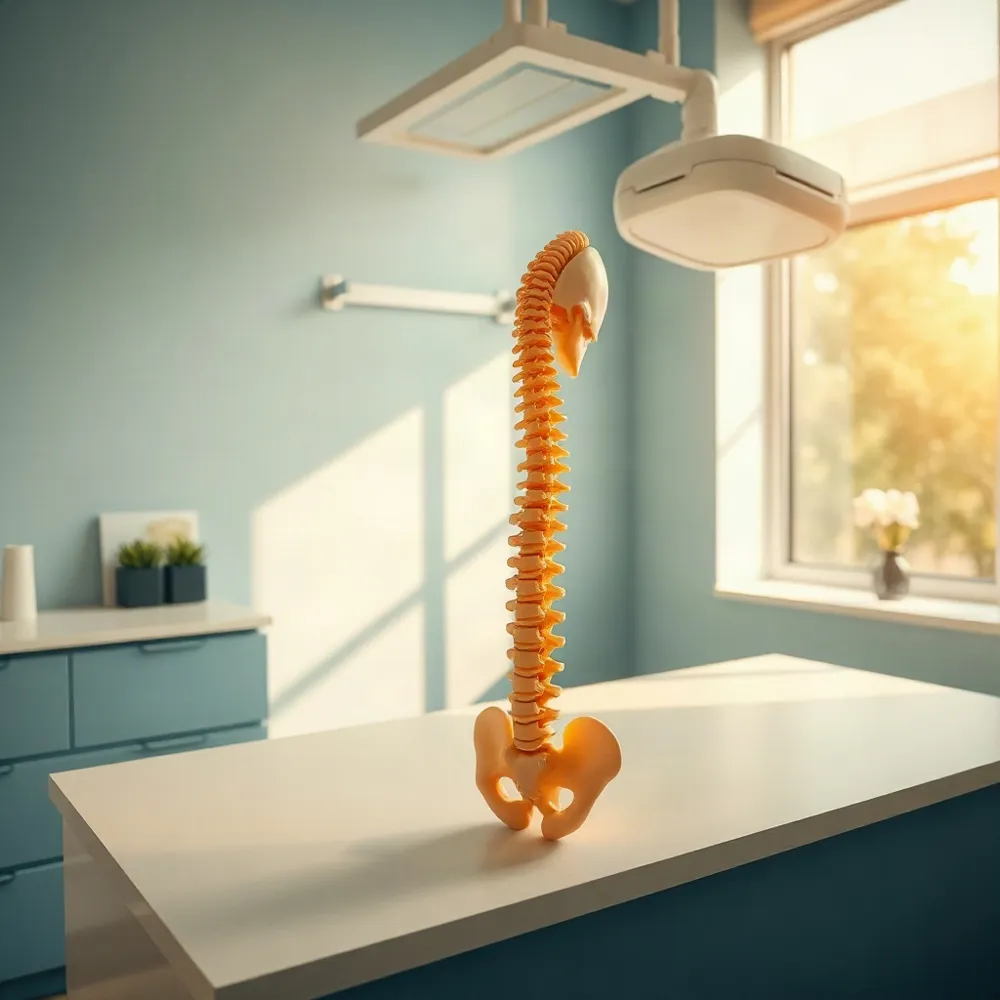
Spinal discs act as critical, rubbery cushions positioned between your vertebrae, serving as natural shock absorbers that maintain the flexibility and structural integrity of the spine. Each disc features a tough, fibrous outer layer known as the annulus and a soft, gel-like center called the nucleus. By distributing weight across the spine during daily movement, these structures prevent direct bone-on-bone contact.
Natural aging significantly impacts the composition of these discs, which often lose water content and elasticity over time. This process of degeneration can make the discs thinner and more prone to tears, potentially leading to discomfort or limited mobility. Lifestyle factors also play a significant role in long-term spinal health. Elements such as carrying excess body weight, regular heavy lifting, and smoking can accelerate wear, reducing the oxygen supply needed for tissue health, according to the Mayo Clinic.
At glenwoodchiro.com, we emphasize that recognizing early signs of disc degradation is essential for proactive maintenance. Unlike some clinics that rely solely on reactive pain management, we focus on restoring function through non-invasive therapies designed to support natural spinal alignment and joint mobility.
Distinguishing Between Bulging and Herniated Discs
 While often used interchangeably, a bulging disc and a herniated disc represent different stages of spinal disc compromise. A bulging disc occurs when the soft, gel-like inner nucleus pushes against the outer wall, causing it to deform or protrude without an initial tear. In contrast, a herniated disc involves a structural compromise where the outer wall cracks, allowing the internal material to extrude into the spinal canal and potentially compress nearby nerves. These conditions typically develop due to age-related degeneration, repetitive physical strain, or sudden injury that compromises the structural integrity of the disc. At glenwoodchiro.com, we focus on these mechanics to restore proper spinal alignment and relieve the pressure causing your discomfort.
Mechanisms of Nerve Compression
Structural degradation reduces the ability of discs to absorb shock, leading to increased pressure on the spinal nerves. As the disc protrudes, it may irritate surrounding neural tissues, resulting in symptoms like radiating pain, numbness, or muscle weakness. While some practitioners utilize spinal manipulation, it is vital to have a professional assessment at glenwoodchiro.com to ensure the diagnosis is accurate before proceeding with care, as certain types of nerve compression require specific non-invasive protocols rather than traditional adjustments.
Contributing Risk Factors
Several lifestyle factors accelerate disc wear, making individuals more susceptible to these conditions. Carrying extra body weight places additional mechanical load on the lumbar spine, while smoking is known to decrease oxygen flow to spinal tissues, causing them to degrade significantly faster. Furthermore, sedentary habits or occupations requiring repetitive, heavy lifting can weaken the annulus fibrosus, the outer layer of the disc. Our approach at glenwoodchiro.com emphasizes addressing these underlying factors through patient education and evidence-based non-surgical solutions to prevent further progression of spinal issues.
Recognizing Common Symptoms and Neurological Indicators
 Recognizing the difference between muscle soreness and nerve-related issues supports your recovery path. While muscle strain often presents as a dull, localized ache, symptoms of a herniated disk often manifest as sharp, burning, or shooting pain that radiates along the path of an affected nerve. This radiating pain versus local dull aches serves as a primary clinical indicator that internal disc material may be pressing against sensitive nerve roots.
Beyond radiating pain, neurological indicators include numbness, tingling, and muscle weakness. You may feel these sensations as pins and needles in the extremities, or note a lack of coordination in your hands or legs. Because nerves emerge from the spine in specific pathways, these symptoms frequently appear asymmetrically, affecting only one side of your body. At glenwoodchiro.com, we help you identify these patterns early to differentiate nerve irritation from generalized fatigue.
Common symptoms of a compressed or herniated disc include localized pain and stiffness in the neck, back, or lower back. Many individuals experience radiating pain, often described as burning or pins and needles, which may travel down the arms or legs, a condition frequently referred to as sciatica. Additionally, nerve involvement can lead to numbness, cramping, or muscle weakness in the extremities, occasionally resulting in difficulty with coordination or a limp. While some people may remain asymptomatic, others might notice a loss of sensation or a reduced ability to perform daily tasks. Because severe compression can lead to serious complications, any sudden loss of bowel or bladder control or severe weakness requires immediate medical evaluation.
Non-Invasive Management and Holistic Care Strategies
 For the vast majority of individuals experiencing spinal discomfort, conservative, non-invasive management serves as the primary and most effective line of treatment. An estimated 85% of people will seek medical attention for back pain at some point in their lives, per Harvard Health, making it a significant focus for long-term health. Rather than jumping immediately to invasive interventions, current clinical guidelines suggest prioritizing strategies that restore natural mobility and reduce nerve irritation.
Is chiropractic care a safe and effective approach for managing back pain?
Chiropractic care is widely recognized as a safe and evidence-based approach for addressing musculoskeletal concerns. At glenwoodchiro.com, we emphasize that spinal manipulation is a cornerstone of conservative care, helping to improve joint mobility and alleviate the nerve compression that often results in pain or numbness. Research published in JAMA Network Open indicates that patients who integrate chiropractic adjustments with their usual care often report higher satisfaction and reduced reliance on pain medication compared to those who rely solely on conventional medical management.
How are disc-related issues typically diagnosed and treated holistically?
Diagnosis of disc-related symptoms begins with a comprehensive history and physical examination, often including neurological testing for reflexes and strength, as outlined by OrthoInfo. Once identified, holistic treatment focuses on restoring proper function through targeted movement. While Mayo Clinic notes that adjustments must be carefully applied, trained practitioners use these techniques to improve spinal motion and reduce muscle tension. At glenwoodchiro.com, we supplement these manual therapies with patient-specific ergonomic guidance and therapeutic exercises, recognizing that strengthening the core is essential for preventing future disc-related issues and maintaining independence.
Integration of Chiropractic and Physical Therapy Approaches
Chiropractic care and physical therapy offer distinct yet complementary evidence-based pathways for addressing lower back and sciatica pain. Chiropractic adjustments prioritize spinal alignment and joint function to directly alleviate nerve pressure, often providing immediate relief for spinal-related discomfort. In contrast, physical therapy focuses on long-term rehabilitation by utilizing personalized exercise programs to strengthen supporting musculature and improve mobility mechanics. While chiropractic care excels at correcting systemic misalignments that cause nerve irritation, physical therapy is particularly effective for post-surgical recovery and chronic soft tissue stabilization.
How do chiropractic adjustments compare to physical therapy for treating lower back and sciatica pain?
A holistic treatment plan often integrates both disciplines, allowing patients to benefit from the acute pain relief of adjustments alongside the functional, movement-based restoration provided by physical therapy. At glenwoodchiro.com, we emphasize this collaborative strategy, as clinical guidelines often recommend conservative, non-invasive approaches before considering injections or surgery per Duke Health. While Mayo Clinic notes that adjustments involve applying controlled force to improve joint motion, Harvard Health highlights that active-duty personnel receiving chiropractic care alongside standard treatment reported higher satisfaction and reduced reliance on pain medication compared to standard care alone. By pairing these modalities, patients establish a balanced foundation for recovery.
| Therapy Type | Primary Focus | Clinical Goal |
|---|---|---|
| Chiropractic | Joint Alignment | Nerve Pressure Relief |
| Physical Therapy | Muscle Mechanics | Functional Stability |
| Combined | Holistic Recovery | Long-term Prevention |
Emergency Red Flags and Natural Healing Processes
When does back pain require emergency medical attention?
Emergency care is required for back pain accompanied by red flag symptoms that suggest a serious underlying condition. The most urgent warning signs include loss of bowel or bladder control, progressive weakness in the legs, or numbness in the groin or saddle area. These symptoms may indicate cauda equina syndrome, a medical emergency requiring immediate surgical intervention to prevent permanent paralysis. Additional warning signs include sudden onset of severe pain following trauma, unexplained fever, or a history of cancer. If you experience these symptoms, seek evaluation at an emergency department immediately. At glenwoodchiro.com, we screen for these indicators during every assessment and will prioritize a referral for emergency care when necessary.
Can herniated discs heal on their own, and what home care is appropriate?
Many herniated discs can heal on their own as the body naturally reabsorbs the protruding material and resolves associated inflammation over time. While surgery is sometimes presented as the default, conservative and non-invasive management is effective for the majority of patients. Appropriate home care focuses on maintaining gentle, consistent movement rather than prolonged bed rest, as activity promotes healthy circulation. You can manage discomfort by incorporating short walks on flat surfaces, applying heat therapy for 15 to 20 minutes, and practicing good posture to reduce spinal stress. Because symptoms can be complex, professional guidance from our team at glenwoodchiro.com ensures your recovery plan remains safe and tailored to your specific physiological needs.
Prioritizing Your Long-Term Spinal Health
Adopting a proactive approach to spinal wellness is the most effective way to prevent the chronic issues associated with disc degradation. Relying on non-invasive care early in the process helps preserve your range of motion and overall physical independence. Rather than waiting for symptoms to become debilitating, incorporating regular movement and ergonomic adjustments into your daily routine supports the natural shock-absorbing capacity of your discs.
At glenwoodchiro.com, our clinical philosophy centers on creating personalized treatment plans that go beyond temporary relief. We emphasize sustainable lifestyle changes and targeted therapeutic exercises to strengthen the muscles that support your spine. While some conventional paths focus only on masking pain with medication, our patient-centered strategy aims to restore function through conservative interventions, such as those detailed in our guide on non-surgical solutions.
Prioritizing your spine today creates a foundation for greater mobility as you age. By staying consistent with evidence-based habits, you reduce the risk of recurring pain and keep your body prepared for the demands of daily life. Whether you are managing early stiffness or recovering from a specific injury, building a partnership with your care team ensures you receive the guidance necessary for long-term health.