Beyond the Quick Fix: A Realistic Path to Sciatica Relief
Understanding the Conservative First Philosophy
For the vast majority of sciatica cases—up to 90%—the initial and most appropriate path to recovery does not involve surgery. Sciatica is often a symptom of an underlying issue like a herniated disc or spinal stenosis, and conservative treatments directly address the pain, inflammation, and mechanical pressures causing nerve irritation. International guidelines and medical experts consistently recommend exhausting non-surgical options first. This approach minimizes risks, preserves your body's natural anatomy, and focuses on long-term healing and prevention.
The Multi-Faceted Tools of Conservative Management
Effective conservative care is rarely a single solution; it's a coordinated strategy using several evidence-backed methods. The goal is to reduce pain in the short term while building strength and resilience for the future.
1. Professional Hands-On Care Spinal manipulation, a core chiropractic technique, aims to restore proper alignment and movement to the spine. Research shows it can be significantly more effective than simulated treatments for reducing radiating leg pain and helping patients become pain-free faster. Skilled chiropractors may also use:
- Soft Tissue Therapy: Techniques like myofascial release to relax tight muscles in the lower back, hips, and buttocks that can aggravate the sciatic nerve.
- Spinal Decompression: A non-invasive therapy that gently stretches the spine to create space for discs, potentially allowing herniated material to retract and relieve nerve pressure.
2. The Foundation of Movement and Strength Once acute pain subsides, physical therapy and guided exercise become cornerstones of recovery. A tailored program addresses the root causes of instability and imbalance. Key focuses include:
- Core Strengthening: Building a strong muscular "corset" (abdominals, back, and glutes) to support the spine.
- Targeted Stretching: Improving flexibility in tight muscles like the hamstrings and piriformis, which can contribute to nerve tension.
- Posture Correction: Retraining your body to maintain a neutral spine during daily activities like sitting and lifting.
3. Managing Inflammation and Pain Signals To facilitate active participation in rehabilitation, several interventions can help control pain and inflammation.
- Epidural Steroid Injections (ESIs): These deliver anti-inflammatory medication directly to the inflamed nerve root, often providing weeks to months of relief to allow for effective physical therapy.
- Medication Management: Under a doctor's guidance, short-term use of anti-inflammatories, muscle relaxants, or nerve-specific medications can help manage symptoms.
- Radiofrequency Ablation: For certain types of chronic pain, this procedure uses heat to disable specific nerves carrying pain signals, providing longer-term relief.
4. Accessible At-Home and Lifestyle Strategies Patient empowerment through self-care is a critical component. Consistent daily habits significantly influence recovery and prevention.
- Heat and Cold Therapy: Use ice packs (wrapped in a towel) for 15-20 minutes to reduce initial inflammation, then switch to heat to relax muscles and promote blood flow after 2-3 days.
- Gentle, Consistent Movement: Contrary to prolonged bed rest, short walks and light activity prevent stiffness and promote healing. Low-impact exercises like swimming, walking, or gentle yoga are excellent choices.
- Ergonomics and Posture: Use lumbar support when sitting, set up an ergonomic workstation, and practice proper lifting techniques (bend at the knees, not the waist).
- Supportive Sleep: A medium-firm mattress and, for side sleepers, a pillow between the knees can help maintain spinal alignment overnight.
Setting Realistic Expectations for Recovery
Understanding the typical timeline for conservative care helps manage expectations and supports commitment to the process.
- Initial Improvement: Many people notice a positive change within a few weeks of starting a structured conservative plan.
- Meaningful Progress: Significant improvement often occurs within 4 to 6 weeks of consistent therapy and home exercise.
- Full Recovery: Complete resolution, especially for chronic sciatica, may take several months of dedicated effort.
- The Role of Persistence: Recovery is often progressive, with good and bad days. Adherence to prescribed exercises and lifestyle modifications is crucial for long-term success.
When Conservative Care is the Right Choice
Non-surgical treatment is recommended for most patients, especially in these situations:
- When you wish to avoid the risks and recovery time associated with surgery.
- If pain, while disruptive, does not include severe neurological deficits.
- When you are committed to an active role in your recovery through exercise and lifestyle changes.
It is important to seek immediate medical evaluation if you experience severe weakness in the leg, loss of bowel or bladder control, or if pain is accompanied by fever. These can be signs of a more serious condition requiring urgent attention.
The Integrated Path Forward
The most successful outcomes typically come from an integrated plan that combines professional treatments with consistent at-home management. A chiropractor or physical therapist can diagnose the root cause of your sciatica, provide hands-on relief, and design a personalized program of exercises and ergonomic advice. This holistic approach not only alleviates current pain but also equips you with the knowledge and strength to prevent future episodes and maintain an active, healthy life.
A Summary of Conservative Sciatica Management
| Treatment Category | Primary Goals | Common Examples & Notes |
|---|---|---|
| Professional Manual Therapy | Restore spinal alignment, relax muscles, relieve nerve pressure. | Chiropractic adjustments, soft tissue massage, spinal decompression. |
| Rehabilitation & Exercise | Strengthen core, improve flexibility, correct posture, prevent recurrence. | Physical therapy, home exercise programs, yoga, low-impact aerobics. |
| Medical Interventions | Reduce inflammation, block pain signals to enable rehabilitation. | Epidural steroid injections, nerve blocks, short-term medications. |
| Self-Care & Lifestyle | Manage daily symptoms, support healing, address risk factors. | Heat/ice therapy, ergonomic adjustments, healthy weight, proper sleep setup. |
| Adjunctive Therapies | Support pain relief and relaxation through complementary methods. | Acupuncture, therapeutic massage, mindfulness techniques. |
Understanding Sciatica: More Than Just Back Pain
What is sciatica and what causes it?
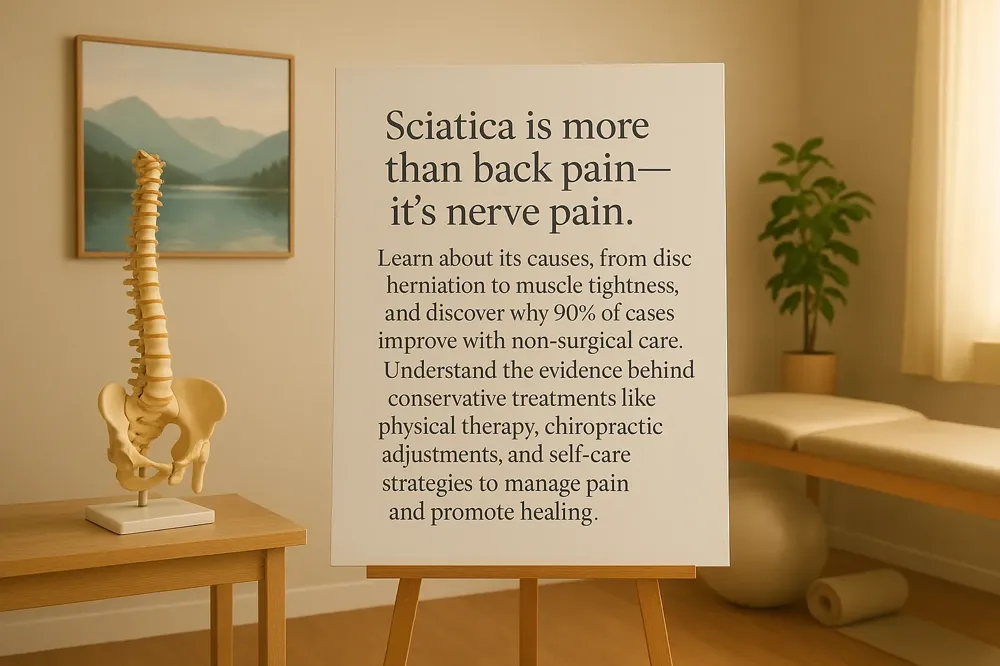
Sciatica refers to the pain that occurs when the sciatic nerve is irritated or compressed. As the largest nerve in the body, it runs from the lower back, through the hips and buttocks, and down each leg. Symptoms are typically felt on one side and can include a sharp, burning, or electric shock-like pain that radiates down the leg, often accompanied by numbness, tingling, or muscle weakness. These sensations may worsen with actions like coughing, sneezing, or prolonged sitting.
The vast majority of cases—approximately 90%—are linked to a lumbar disc herniation, where the soft inner material of a spinal disc pushes out and presses on a nerve root. Other common structural causes include spinal stenosis (a narrowing of the spinal canal), bone spurs from osteoarthritis, and spondylolisthesis (where one vertebra slips over another). In some instances, muscle tightness, particularly in the piriformis muscle of the buttock, can irritate the nerve, a condition known as piriformis syndrome.
Why is conservative care the recommended first step for sciatica?
International clinical guidelines and a substantial body of evidence support a conservative, non-surgical approach as the initial and primary strategy for managing sciatica. This is because most people experience significant improvement without needing an operation. Studies indicate that up to 90% of patients with sciatica due to a herniated disc improve with non-surgical care. Conservative treatment minimizes risks, avoids the potential complications of surgery and anesthesia, and typically involves little to no recovery downtime, allowing patients to maintain their daily activities.
A key reason for this approach is that sciatica often improves on its own over time, particularly in the first several weeks. The goal of conservative care is to support this natural healing process by reducing inflammation, alleviating pressure on the nerve, and addressing the underlying biomechanical issues that contributed to the problem. This holistic pathway not only manages current pain but also focuses on strengthening the body to prevent future episodes.
What are the most effective non-surgical treatments for sciatica?
Effective conservative care is not a single solution but a personalized combination of therapies. The most successful plans often integrate several modalities to address pain, function, and long-term health.
Physical Therapy and Targeted Exercise: This is a cornerstone of treatment. A physical therapist or chiropractor can design a program to correct posture, strengthen core and spinal support muscles, and improve flexibility. Specific exercises like the cat-cow, bridges, and gentle nerve glides can mobilize the spine and reduce pressure. Consistency with a home exercise program is crucial for sustained recovery.
Chiropractic Spinal Manipulation: Research, including randomized controlled trials, shows that spinal adjustments performed by experienced chiropractors can be significantly more effective than simulated treatments for relieving sciatic pain, especially when related to disc issues. Manipulation aims to restore proper joint motion and alignment, potentially reducing nerve irritation.
Medication Management: Over-the-counter non-steroidal anti-inflammatory drugs (NSAIDs) like ibuprofen can help reduce pain and inflammation. For more severe pain, a doctor may prescribe a short course of oral corticosteroids, muscle relaxants, or other nerve-pain medications. These are generally used as a temporary bridge to facilitate participation in physical therapy.
Interventional Pain Procedures: Epidural steroid injections (ESIs) deliver anti-inflammatory medication directly to the area around an irritated nerve root. They can provide weeks to months of relief, which can be pivotal for allowing a patient to engage effectively in rehabilitation exercises.
Self-Care and Lifestyle Modifications: Simple, accessible strategies form a critical part of management:
- Heat and Cold Therapy: Use ice packs for 15-20 minutes during the first 48-72 hours to reduce inflammation. Afterward, switch to heat to relax muscles and improve blood flow.
- Activity Modification: Avoid prolonged sitting or bed rest. Gentle movement like short walks is encouraged to prevent stiffness and promote healing.
- Ergonomics and Posture: Using lumbar support, setting up an ergonomic workstation, and practicing proper lifting techniques can significantly reduce strain.
How do physical therapy and chiropractic care work together for sciatica?
These two disciplines are highly complementary within a conservative care plan. Chiropractic care often focuses on diagnosing the root cause of nerve irritation and using hands-on techniques like spinal adjustments and soft tissue therapy to improve joint function, reduce inflammation, and alleviate acute pain. This can create a better environment for healing and movement.
Physical therapy then builds upon this foundation by prescribing a tailored exercise regimen. The focus shifts to rehabilitation: strengthening the core and gluteal muscles, improving flexibility in the hamstrings and hips, and retraining proper movement patterns. The therapist provides education on body mechanics for daily activities. Together, this combination addresses both the immediate pain source and the underlying muscular weaknesses or imbalances, offering a comprehensive path to recovery and prevention.
When should someone consider surgery for sciatica?
Surgery is typically considered a last resort and is reserved for specific, serious circumstances. The overwhelming recommendation is to pursue a thorough course of conservative management for at least 6 to 12 weeks before considering surgical options.
Immediate surgical consultation is warranted for symptoms indicating a medical emergency, such as:
- Progressive severe weakness in the leg or foot.
- Loss of bowel or bladder control (cauda equina syndrome).
- Severe, unremitting pain that does not respond to any conservative measures.
For non-emergency cases, surgery might be discussed if a patient has persistent, debilitating leg pain from a confirmed herniated disc that has not improved after an adequate trial of comprehensive non-surgical care. Even in these scenarios, shared decision-making between patient and surgeon is essential, weighing the potential for faster pain relief against the inherent risks of any surgical procedure.
What can I do at home to manage sciatica pain?
Proactive self-management is a powerful component of recovery. Here are key, evidence-based steps you can take:
| Strategy | How to Do It | Key Benefit |
|---|---|---|
| Initial Cold Therapy | Apply an ice pack wrapped in a thin towel to the painful area for 15-20 minutes, several times a day for the first 2-3 days. | Reduces initial inflammation and numbs acute pain. |
| Follow-up Heat Therapy | After the first few days, use a heating pad or take a warm bath for up to 20 minutes at a time. | Relaxes tight muscles, improves circulation, and eases stiffness. |
| Gentle Movement | Take short, frequent walks. Avoid sitting or lying down for prolonged periods. | Prevents joint stiffness and promotes nutrient flow to spinal discs. |
| Key Stretches | Perform gentle stretches like knee-to-chest or seated piriformis stretches. Hold each for at least 30 seconds without bouncing. | Gently mobilizes the nerve and relieves muscle tension around it. |
| Posture Awareness | Use a lumbar roll in your chair, keep feet flat on the floor, and take breaks to stand and stretch every 30 minutes. | Minimizes ongoing pressure on the lower spine and sciatic nerve roots. |
| Sleep Positioning | If you sleep on your side, place a pillow between your knees. Back sleepers can place a pillow under their knees. | Helps maintain neutral spinal alignment overnight. |
Remember, while these home strategies are effective for management, they work best when guided by a professional diagnosis. If your symptoms do not improve within a few weeks, are severe, or are accompanied by weakness or numbness, it is important to seek an evaluation from a healthcare provider such as a chiropractor or physical therapist.
First Steps at Home: Smart Self-Care and Pitfalls to Avoid
What common mistakes make sciatica pain worse?
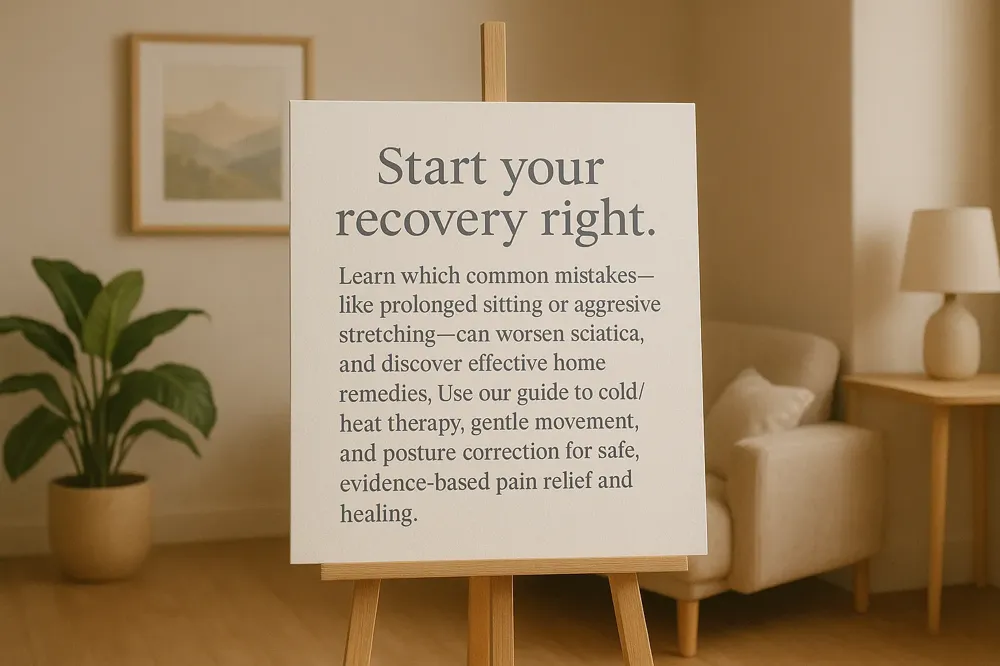
When sciatica strikes, certain well-intentioned actions or common habits can inadvertently worsen pain and inflammation. The goal of early care is to create a calm, healing environment for the irritated nerve. Common missteps often work against this goal by increasing pressure on the sciatic nerve.
Perhaps the most frequent mistake is maintaining a sedentary lifestyle or prolonged sitting. Sitting for long periods, especially on soft couches or in poor ergonomic chairs, compresses the lower back and the sciatic nerve. Similarly, poor posture, whether slouching at a desk or standing with an arched back, misaligns the spine and places uneven stress on discs and nerves.
Ignoring proper body mechanics is another pitfall. Lifting heavy objects by bending from the waist instead of the knees and hips can trigger or aggravate a disc issue. Twisting while lifting adds significant strain. For individuals with a condition called piriformis syndrome, a tight buttock muscle can pinch the nerve.
Everyday habits like carrying a thick wallet in a back pocket can directly compress the sciatic nerve where it passes through the buttocks. Wearing unsupportive footwear, such as high heels, alters spinal alignment and tightens the hamstrings and hip muscles, potentially increasing nerve irritation.
While activity is key, the wrong type of exercise can be counterproductive. During a flare-up, high-impact activities like running, intense sports, or heavy weightlifting can jar the spine. Overly aggressive or bouncing stretches, particularly for the hamstrings, may further irritate the nerve. Conversely, a complete cessation of all movement and adopting bed rest for more than a day or two can lead to muscle stiffness and weakness, often making symptoms more pronounced.
| Common Mistake | How It Worsens Sciatica | Safer Alternative |
|---|---|---|
| Prolonged Sitting | Compresses lower spine and sciatic nerve | Take breaks; stand and walk every 30 min |
| Poor Lifting Form | Risks disc herniation, spikes nerve pressure | Bend at knees, keep back straight, no twist |
| High-Impact Exercise | Jars spine, inflames irritated nerve | Choose walking, swimming, or gentle yoga |
| Complete Bed Rest | Causes stiffness, muscle weakness, slows healing | Short rest periods, then gentle movement |
| Aggressive Stretching | Can over-stretch and irritate the nerve | Hold gentle stretches for 30 sec without bounce |
What home remedies and self-care tips can help ease sciatica pain?
Most sciatica cases improve significantly with simple, consistent self-care measures. The core principle is to manage inflammation and gently mobilize the area without aggravating the nerve. A strategic approach combining temperature therapy, movement, and posture correction forms the foundation of effective at-home care.
Start with temperature therapy. In the first 48 to 72 hours of a flare-up, apply an ice pack wrapped in a thin towel to your lower back for 15 to 20 minutes at a time, several times a day. This reduces local inflammation and numbs acute pain. After this initial period, switch to heat therapy using a heating pad or warm bath to relax tense muscles, improve blood flow, and promote healing. For ongoing discomfort, some find alternating between warm and cold packs provides the best relief.
Movement is medicine, even for sciatica. Contrary to prolonged rest, gentle activity helps prevent stiffness and promotes circulation. Short, frequent walks are excellent. Begin with 5–10 minute strolls on level ground and gradually increase duration as tolerated. Incorporate specific, gentle stretches into your daily routine. Focus on stretches that relieve tension in areas connected to the sciatic nerve.
Key stretches include the knee-to-chest stretch (lying on your back, gently pulling one knee toward your chest), the seated piriformis stretch, and the cat-cow pose (on hands and knees, alternately arching and rounding your back). Always hold stretches for at least 30 seconds without jerking or bouncing to allow muscles to release safely.
Posture and ergonomics are critical for both relief and prevention. When sitting, use a chair with good lumbar support or place a small cushion behind your lower back. Keep your feet flat on the floor and avoid crossing your legs. Set up your workstation so your computer monitor is at eye level. For side sleepers, placing a pillow between your knees helps maintain spinal alignment.
Over-the-counter pain relievers like ibuprofen or naproxen can be used as directed for short-term pain and inflammation relief. It is crucial to balance these active strategies with adequate rest during the initial acute phase, but limit strict bed rest to a day or two at most.
| Self-Care Strategy | Primary Benefit | Key Application Tip |
|---|---|---|
| Cold Therapy (Ice) | Reduces initial inflammation and pain | Use for first 2–3 days, 15–20 min per session |
| Heat Therapy | Relaxes muscles, improves circulation | Apply after initial phase or for muscle tightness |
| Gentle Walking | Maintains mobility, prevents stiffness | Start with short, frequent walks on flat surfaces |
| Targeted Stretching | Relieves nerve pressure, improves flexibility | Hold each stretch for 30+ seconds, avoid bouncing |
| Posture Correction | Reduces spinal strain, prevents aggravation | Use lumbar support when sitting, keep screen at eye level |
| OTC NSAIDs | Manages pain and inflammation short-term | Use as directed on label, consult doctor for long-term use |
Conservative Care for Sciatica: What Really Works Without Surgery
For the vast majority of individuals, sciatica is successfully managed with non-surgical, conservative care. Evidence and clinical guidelines consistently support starting with a comprehensive conservative plan, as up to 90% of patients experience improvement without needing an operation. This approach targets the root causes of nerve irritation—like inflammation, muscle tension, and poor spinal mechanics—through a combination of professional therapies and active patient participation.
Physical therapy forms a cornerstone of effective conservative treatment. A physical therapist designs a personalized program that typically includes exercises to strengthen core and spinal supporting muscles, stretches to improve flexibility in the hamstrings and hips, and techniques to correct posture. The goal is to create a stable, well-aligned spine that takes pressure off the sciatic nerve. Research shows that consistent physical therapy, paired with a dedicated home exercise program, can lead to meaningful improvement within weeks.
Chiropractic care offers another evidence-based, non-invasive path. Chiropractors focus on the relationship between spinal alignment and nervous system function. Through precise spinal adjustments and manual therapy, they aim to restore proper joint movement, reduce nerve irritation, and alleviate pain. Studies, including randomized controlled trials, have found spinal manipulative therapy to be significantly more effective than simulated treatments for reducing sciatica pain, especially when related to disc issues. Chiropractors often complement adjustments with soft tissue work, lifestyle advice, and rehabilitative exercises.
For more persistent inflammation, interventional pain management techniques like epidural steroid injections (ESIs) can be part of a conservative plan. These injections deliver anti-inflammatory medication directly to the area around the irritated nerve root. They are not a cure but can provide significant pain relief for weeks or months, creating a valuable window of opportunity to engage more effectively in physical therapy and exercise.
A holistic conservative plan integrates multiple modalities. This may include acupuncture to stimulate pain-relieving endorphins, therapeutic massage to release tight muscles in the back and hips, and mindfulness practices to help manage the stress of chronic pain. The underlying principle is to use the least invasive methods necessary to reduce pain, restore function, and empower patients with strategies to prevent future episodes through strength, flexibility, and smart body mechanics.
| Conservative Treatment Modality | How It Works | Typical Goals & Outcomes |
|---|---|---|
| Physical Therapy | Strengthens core, improves flexibility, corrects posture | Reduce nerve pressure, build stability, prevent recurrence |
| Chiropractic Adjustments | Restores spinal alignment and joint mobility | Alleviate nerve irritation, reduce pain, improve function |
| Epidural Steroid Injections | Delivers anti-inflammatory meds to nerve root | Provide pain relief window to enable active rehab |
| Acupuncture | Stimulates nerves, may release natural painkillers | Reduce pain perception, promote relaxation |
| Therapeutic Massage | Releases muscle tension, improves circulation | Relieve tight muscles that compress the nerve pathway |
| Lifestyle & Ergonomic Coaching | Modifies daily habits to support spinal health | Create long-term environment for a healthy back |
Moving Through the Pain: The Role of Targeted Exercise
Conservative Care for Sciatica: What Really Works Without Surgery
For the vast majority of individuals experiencing sciatica, a non-surgical path is not only possible but is the recommended starting point. Conservative care aims to reduce inflammation, alleviate pressure on the sciatic nerve, and restore function through a combination of self-management, professional guidance, and structured movement. Evidence supports that up to 90% of patients with sciatica can see significant improvement with conservative measures.
This approach prioritizes avoiding the risks associated with surgery, such as infection or anesthesia complications, and emphasizes preserving your natural spinal anatomy. The goal is active recovery, where gentle movement and targeted therapies work together to promote healing and build resilience against future episodes.
Starting with Self-Care: Immediate Pain Management
When sciatica pain first flares, a few simple, at-home strategies can provide crucial early relief and set the stage for recovery. Contrary to old advice, prolonged bed rest is counterproductive and can worsen symptoms; short periods of rest (a day or two) may help, but staying inactive leads to muscle weakness.
Instead, focus on gentle activity modification. Applying cold packs wrapped in a towel to the lower back for 15 to 20 minutes several times a day in the first 48 to 72 hours can help reduce initial inflammation and pain. After this period, switching to heat therapy with a heating pad or warm bath can relax tense muscles and improve blood flow. Some find alternating between warm and cold packs effective for ongoing discomfort.
Over-the-counter pain relievers, such as ibuprofen or naproxen sodium, may be used as directed to help manage pain and swelling. These initial steps are about calming the acute phase to allow you to begin more active rehabilitation safely.
What are the most effective exercises and stretches for sciatica relief?
For effective sciatica relief, a consistent routine of gentle, targeted stretches and low-impact exercises is key. Highly recommended movements include the Glute Bridge, which strengthens the core and glutes to stabilize the lower back, and the Cat-Cow pose to promote spinal mobility and relieve pressure on the nerve. The Piriformis stretch is also crucial, as a tight piriformis muscle in the buttocks can directly irritate the sciatic nerve. Additionally, exercises like the Knee-to-Chest stretch and gentle Pelvic Tilts can help decompress the lower spine. It’s essential to perform these movements carefully, focus on deep breathing, and stop immediately if any exercise increases your pain, as the goal is to mobilize and soothe the nerve without aggravation.
Building on this foundation, a comprehensive exercise program goes beyond simple stretches. The core principle is to strengthen the muscles that support your spine—particularly the abdominals, glutes, and lower back—while improving overall flexibility. Exercises like the Bird-Dog (extending opposite arm and leg while on all fours) are excellent for core stability. Low-impact aerobic conditioning, such as walking, swimming, or gentle cycling, is highly recommended to maintain circulation and loosen the sciatic nerve without high-impact jarring.
Remember, consistency and proper form are more important than intensity. Holding stretches for at least 30 seconds without jerking or bouncing is advised. A physical therapist or chiropractor can tailor a home exercise program to your specific condition, ensuring you are targeting the right muscle groups and moving correctly to support healing.
Professional Conservative Treatments: Beyond Home Care
When self-care and general exercises are not enough, or if pain is moderate to severe, several professional non-surgical interventions can be highly effective. These treatments are often used in combination to address different aspects of sciatica.
- Physical Therapy: This is a cornerstone of professional conservative care. A physical therapist will design a personalized program that not only includes the stretches and strengthening exercises mentioned but may also incorporate manual therapy, posture retraining, and techniques like the McKenzie Method to centralize pain.
- Chiropractic Care: Chiropractors focus on the relationship between the spine and nervous system. Through spinal adjustments and manipulations, they aim to restore proper alignment and joint mobility, which can reduce nerve irritation. Studies have shown spinal manipulation to be effective for pain relief in acute sciatica. Chiropractors often combine adjustments with soft tissue therapy, lifestyle advice, and corrective exercises for a holistic approach.
- Epidural Steroid Injections (ESIs): For persistent inflammation, an injection of corticosteroid medication around the affected nerve root can provide significant pain relief, often within days. This is not a cure but an interventional tool to reduce pain and inflammation enough to allow a patient to participate fully in physical therapy. Typically, up to three injections may be administered per year.
- Other Modalities: Acupuncture, massage therapy, and spinal decompression therapy are other options within the conservative care toolkit. Massage can help release tight muscles in the back and hips, while acupuncture may stimulate the body's natural pain-relieving responses.
When to Seek Professional Guidance and Consider Next Steps
It is important to know when to transition from purely self-managed care to seeking professional evaluation. You should consult a healthcare provider, such as a chiropractor, physical therapist, or physician, if:
- Your pain does not improve within a few weeks of consistent conservative care.
- Symptoms are severe or steadily worsening.
- You experience weakness, numbness, or tingling in your leg or foot.
Certain symptoms require immediate medical attention and indicate a potential surgical emergency. These include loss of bowel or bladder control, severe muscle weakness, or sciatica accompanied by fever. For most, however, a structured conservative plan yields excellent results. Surgery, such as a microdiscectomy, is typically reserved only for cases where significant neurological deficits are present or where comprehensive non-surgical treatment has failed after a reasonable trial (often 6 to 12 weeks).
| Conservative Treatment Modality | Primary Mechanism of Action | Typical Goals & Benefits |
|---|---|---|
| Targeted Exercise & Stretching | Improves flexibility, strengthens core/spinal support muscles. | Reduces nerve pressure, prevents stiffness, long-term stability. |
| Physical Therapy | Personalized rehab with manual therapy and education. | Restores functional movement, addresses muscle imbalances, prevents recurrence. |
| Chiropractic Adjustments | Restores spinal alignment and joint mobility. | Reduces nerve irritation, improves function, drug-free pain relief. |
| Epidural Steroid Injection | Delivers anti-inflammatory meds to nerve root. | Rapid pain reduction, enables participation in active rehab therapies. |
| Heat/Cold Therapy | Cold reduces inflammation; heat relaxes muscles. | Manages acute pain and muscle spasms, simple home-based symptom relief. |
The Conservative Care Toolkit: Beyond Basic Stretching
What are non-surgical and conservative treatment options for sciatica?
Non-surgical care for sciatica involves a range of therapies designed to reduce pain, address inflammation, and promote healing, with the goal of helping you return to your activities without an operation. These treatments start with core rehabilitative strategies and can be enhanced with advanced technologies and targeted interventions for comprehensive relief. While basic stretching is a helpful component, a full toolkit is more effective.
A well-structured program begins with professional physical therapy for sciatica. A therapist will design exercises tailored to your specific condition, which might focus on core strengthening for sciatica, improving posture, and enhancing flexibility in areas like the hamstrings and piriformis muscle. This targeted approach helps take pressure off the sciatic nerve and stabilize the spine. The McKenzie Method, for example, uses specific movements to centralize pain. Gentle, low-impact aerobic activities like walking or swimming are also encouraged to promote circulation without aggravating the condition.
Beyond exercise, interventional pain management techniques play a key role. Epidural steroid injections for sciatica deliver anti-inflammatory medication directly to the inflamed nerve root, often providing significant relief within days that can last for months. This can reduce pain enough to allow you to participate more fully in your physical therapy program. For muscular causes of sciatica, trigger point injections can release tight knots that may be compressing the nerve.
Modern clinics often incorporate advanced technologies to accelerate healing. Class IV laser therapy uses deep-penetrating light to reduce inflammation, decrease pain, and stimulate cellular repair at the site of nerve irritation. Dry needling, a technique using thin needles to release muscular trigger points, can effectively reduce tension in the lower back, glutes, and hips that contributes to sciatic pain.
Regenerative medicine offers promising options aimed at healing the underlying issue. Platelet-rich plasma (PRP) injections harness your body's own growth factors to promote tissue repair in damaged discs or ligaments. Ozone therapy, an injection of medical-grade ozone, can reduce inflammation and stimulate an anti-inflammatory response around compressed nerves.
Effective self-care measures for sciatica relief are a crucial part of the plan. In the first 48-72 hours of a flare-up, applying an ice pack wrapped in a towel for 15-20 minutes several times a day helps reduce swelling. After this initial period, switching to a heating pad can relax tight muscles and improve blood flow. Many find alternating warm and cold packs for ongoing sciatica effective for ongoing pain. Most importantly, balance short periods of rest with gentle movement, like short walks, to prevent stiffness and maintain strength.
Your daily habits and environment also need attention. Ergonomic adjustments, such as using a supportive chair with lumbar support and ensuring your computer monitor is at eye level, can reduce strain. Maintaining a healthy weight lessens pressure on the spine, and learning proper lifting techniques—bending at the knees, not the waist—helps prevent re-injury. Using a medium-firm mattress and placing a pillow between your knees if you sleep on your side can support spinal alignment overnight.
For persistent pain, a range of medications may be considered as a bridge to other therapies. These can include over-the-counter anti-inflammatories like ibuprofen, prescription muscle relaxants for spasms, or specific nerve pain medications. These are typically used for short-term relief while longer-term rehabilitative treatments take effect.
Manual therapies are a cornerstone of holistic care. Chiropractic adjustments for sciatic nerve pressure aim to restore proper joint movement and alignment, potentially reducing nerve irritation. Therapeutic massage helps loosen tight muscles in the back and hips, improves circulation, and promotes relaxation, complementing other treatments.
When is conservative treatment not enough?
While a vast majority of sciatica cases improve with dedicated conservative sciatica care, there are specific situations where surgery may become a necessary consideration. Conservative treatment is strongly recommended as the first-line treatment for sciatica, but its limits are important to understand.
Surgery for sciatica is typically reserved as a last option after a thorough trial of conservative methods, usually lasting 6 to 12 weeks without sufficient improvement. The decision to consider surgery is not based on pain alone but on the presence of specific neurological warning signs or structural issues that do not respond to other care.
You should seek immediate medical evaluation if you experience any of the following "red flag" symptoms, as they may indicate severe nerve compression requiring urgent attention:
- Progressive or severe weakness from sciatica in the leg or foot
- Loss of bowel or bladder control (incontinence)
- Numbness in the saddle area (around the genitals and buttocks)
Furthermore, if diagnostic imaging confirms a significant structural problem—like a large herniated disc or severe spinal stenosis—and your debilitating pain, numbness, or weakness does not improve after a comprehensive conservative program, a surgical consultation may be warranted. The goal of surgery, such as a microdiscectomy, is to directly relieve pressure on the nerve. It’s important to know that even in studies comparing surgery to conservative care for chronic sciatica, a significant portion of patients in the conservative group did improve without needing an operation.
How do professionals diagnose the cause before treatment?
An accurate diagnosis is the critical first step in any effective treatment plan. Sciatica is a symptom, not a final diagnosis, so identifying the precise underlying cause—whether it’s a herniated disc, spinal stenosis, or piriformis syndrome—guides which conservative tools will be most effective.
The process begins with a detailed discussion of your medical history and symptoms. Your provider will ask about the nature of your pain (burning, shooting, aching), what activities make it better or worse, and if you have any associated numbness or weakness. This conversation helps narrow down potential causes.
Next, a thorough physical and neurological examination is conducted. This isn't just about finding the pain; it's about assessing function. Your provider may have you walk on your toes and heels to check calf strength, perform a straight leg raise test to see if it reproduces your sciatic pain, and test reflexes, muscle strength, and sensation in your legs. These tests help determine which nerve root might be involved and the severity of the irritation.
While not always immediately necessary, imaging tests can provide a clear picture of the spinal structures. An X-ray can show bony changes or instability. An MRI for sciatica is the gold standard for viewing soft tissues like discs, nerves, and ligaments, and can clearly reveal a herniated disc or spinal stenosis. A CT scan for sciatica, sometimes with a contrast dye, offers another detailed view of the bone and spinal canal. These tools are typically used if your pain is severe, doesn't improve with initial care, or if red flag symptoms are present.
In some cases, nerve function tests like electromyography (EMG) are used. This measures the electrical activity in your muscles and the speed of nerve signals, helping to confirm nerve compression and assess the extent of any nerve injury. By combining your history, physical exam findings, and any necessary imaging or tests, your healthcare team can pinpoint the cause of your sciatica and build a targeted, effective conservative care strategy just for you.
| Treatment Category | Specific Interventions | Primary Mechanism of Action | Typical Treatment Context |
|---|---|---|---|
| Rehabilitative Exercise | Physical Therapy, McKenzie Method, Core Strengthening | Improves stability, reduces nerve pressure, corrects posture | Foundation of most plans, for both acute & chronic pain |
| Manual Therapy | Chiropractic Adjustments, Therapeutic Massage | Restores joint motion, releases muscle tension, improves alignment | Used alongside exercise for holistic pain relief |
| Interventional Pain Relief | Epidural Steroid Injections, Trigger Point Injections | Reduces inflammation at nerve root, releases muscular knots | For moderate-severe pain to enable participation in rehab |
| Advanced Modalities | Class IV Laser Therapy, Dry Needling | Reduces inflammation, stimulates healing, releases trigger points | To accelerate recovery and address stubborn muscular pain |
| Regenerative Medicine | Platelet-Rich Plasma (PRP), Ozone Therapy | Promotes tissue repair, modulates inflammation | For addressing underlying disc or ligament degeneration |
| At-Home & Lifestyle | Heat/Cold Therapy, Ergonomic Adjustments, Activity Modification | Manages daily symptoms, prevents aggravation, supports healing | Essential adjunct to all clinical treatments for long-term success |
| Pharmacological | NSAIDs, Nerve Pain Medications, Muscle Relaxants | Provides short-term pain relief, reduces nerve sensitivity | Bridging therapy during initial phases of more definitive care |
Why Choose Chiropractic? Aligning the Spine to Soothe the Nerve
What are the benefits of chiropractic care for sciatica?
Chiropractic care provides a non-invasive, holistic approach to managing sciatica, aiming to relieve pain by addressing its underlying physical causes. The core benefit lies in restoring spinal alignment to reduce sciatica pain, which can relieve direct pressure on the sciatic nerve caused by misalignments, herniated discs, or tight muscles. This approach can reduce the characteristic pain, tingling, and numbness that radiates down the leg.
Beyond spinal adjustments, a comprehensive chiropractic plan often includes targeted soft tissue therapies to relax tight muscles in the lower back and hips, which may be pinching or irritating the nerve. For sciatica related to disc problems, spinal decompression therapy may be used to gently stretch the spine, creating space and promoting disc healing. Chiropractors also provide personalized exercise routines for sciatica flexibility and postural advice to strengthen supportive core muscles and improve flexibility, contributing to long-term stability and preventing sciatica recurrence.
This multi-faceted strategy offers a clear path toward recovery without the risks or downtime associated with surgery or the potential side effects of long-term medication use. The goal is not just temporary pain relief but the restoration of proper function and mobility, empowering patients to return to their daily activities.
Is chiropractic treatment safe and effective for sciatica?
Yes, when performed by a licensed and experienced chiropractor, chiropractic treatment is widely considered a safe and effective conservative option for sciatica. Research supports its use; for example, one study on patients with acute back pain and sciatica from disc protrusion found that active chiropractic manipulation for acute back pain and sciatica study results led to a significantly higher rate of patients becoming pain-free compared to a simulated treatment, with no reported adverse events. This underscores its efficacy and safety profile for appropriate candidates.
The safety of chiropractic care stems from its non-invasive, drug-free nature. The most common side effects are temporary, mild soreness or discomfort, which is typically minor compared to risks associated with surgery or long-term use of certain medications like opioids. The American College of Physicians even lists spinal manipulation for sciatica as a recommended first-line treatment for lower back pain, before considering medication.
Effectiveness is achieved by targeting the biomechanical root of the problem. By correcting spinal misalignments, reducing inflammation around the nerve, and improving joint mobility, chiropractic care for sciatica pain relief can alleviate nerve compression and facilitate the body's natural healing process. For many individuals, this approach provides substantial and lasting relief, making it a cornerstone of conservative sciatica management.
Conservative Care for Sciatica: What Really Works Without Surgery
Most cases of sciatica, even chronic ones lasting over three months, respond well to structured, non-surgical care. This conservative treatment reduces leg pain better than surgery for many, prioritizing minimizing risk and promoting natural healing through a combination of therapies tailored to the individual.
Core Components of an Effective Conservative Plan
The foundation of successful conservative treatment is active rehabilitation. Contrary to prolonged bed rest, which can worsen symptoms, guided movement is key. Physical therapy for sciatica and chiropractic care often work in tandem, focusing on:
- Corrective Exercises: Core strengthening for back support and strengthening the core, glutes, and back muscles to support the spine.
- Targeted Stretching: Gentle stretches for sciatica pain relief to improve flexibility in the hamstrings, piriformis, and lower back to relieve nerve tension.
- Posture and Ergonomics: Retraining movement patterns and optimizing workstations to reduce strain.
Supportive and Interventional Therapies
Several other evidence-based options can be integrated into a conservative plan:
- Heat and Cold Therapy: Using ice packs for sciatica inflammation initially to reduce inflammation, then heat packs after 2-3 days to relax muscles and improve blood flow.
- Manual Therapies: Chiropractic care for sciatica, massage therapy for sciatica, and myofascial release to improve alignment and relax tight tissues.
- Medical Management: Short-term use of anti-inflammatory drugs for sciatica or muscle relaxants to manage pain and enable participation in rehab.
- Injection Therapies: Epidural steroid injections for sciatica pain relief can provide significant temporary relief by reducing inflammation around the irritated nerve, creating a window for effective physical therapy.
Evidence and Outcomes
Research supports this conservative-first approach. A meta-analysis on chronic sciatica treatment found that conservative treatment was associated with significant reductions in leg pain and improvements in both physical and mental health quality-of-life scores compared to surgery. While surgery may provide faster relief for specific issues like severe back pain, conservative care offers comparable long-term benefits for many patients without the associated risks.
| Primary Goal | Key Methods | Typical Timeframe for Improvement | Supporting Evidence |
|---|---|---|---|
| Reduce Nerve Pressure | Chiropractic adjustments for sciatica relief, Decompression | Relief often begins within weeks | RCTs show pain reduction vs placebo |
| Decrease Inflammation | Cold packs applied for up to 20 minutes several times a day, Epidural steroid injections for sciatica, Anti-inflammatories | Days to weeks for noticeable effect | ESIs provide weeks-months of relief |
| Restore Function & Strength | Physical therapy for sciatica, Corrective Exercise | 4-6 weeks for significant improvement | Core strengthening prevents recurrence |
| Promote Long-Term Health | Posture Training, Lifestyle modifications | Ongoing benefit with consistency | Reduces frequency of future flare-ups |
Setting Realistic Expectations: The Timeline for Healing
Understanding the Foundation of Conservative Care
Conservative care refers to non-surgical treatments aimed at managing pain, reducing inflammation, and promoting the body's natural healing. For sciatica, which is pain caused by irritation or compression of the sciatic nerve, this is almost always the recommended first-line treatment for sciatica. A robust body of evidence supports this approach. A meta-analysis on sciatica treatments found that conservative treatment was associated with a significant reduction in leg pain relief for sciatica and significant improvement in SF-36 scores in sciatica treatment compared to surgery for chronic sciatica without neurological deficits. Up to 90% of patients with sciatica improve with conservative management of sciatica.
What Are the Limitations of Seeking Instant or Permanent Cures for Sciatica?
The idea of an instant or permanent cure for sciatica is appealing, but it comes with significant limitations. First, sciatica is often a symptom of an underlying structural issue, like a herniated disc or spinal stenosis sciatica, which typically requires time and targeted care to heal. Quick-fix solutions may mask pain without addressing the root cause, leading to recurring issues. While some severe cases may benefit from surgical intervention, research indicates that long-term benefits of conservative care are often similar, meaning an irreversible procedure isn't always a guaranteed "cure." Ultimately, a sustainable recovery usually involves a gradual process of reducing inflammation, improving mobility, and strengthening supportive muscles, rather than a single instant solution.
The Multi-Faceted Conservative Treatment Toolkit
Effective conservative care is rarely a single therapy but a coordinated plan combining several evidence-based strategies. The goal is to reduce nerve pressure, manage inflammation, and restore function.
- Chiropractic Spinal Adjustments: These manual manipulations aim to restore spinal alignment to reduce sciatica pain. A randomized trial comparing active vs simulated manipulation for sciatica found that chiropractic spinal manipulation pain relief in acute back pain was significantly more effective than simulated treatments in providing pain relief for patients with sciatica and disc issues, with 55% of patients becoming pain-free from radiating pain.
- Physical Therapy and Therapeutic Exercise: This is a cornerstone of long-term recovery. A physical therapist or chiropractor designs a program to correct posture, strengthen core muscles, and improve flexibility. Exercises like bridges, cat-cow pose for sciatica, and piriformis stretch for sciatica are common. Staying active with low-impact activities like walking is crucial, as staying inactive can worsen symptoms.
- Manual and Soft Tissue Therapies: Techniques like massage therapy, myofascial release, and trigger point therapy help loosen tight back and hip muscles that may be compressing the nerve, improving circulation and reducing tension.
- Heat and Cold Therapy: This simple at-home strategy involves using cold packs for sciatica initially to reduce inflammation, then switching to hot packs after 2-3 days to relax muscles and promote blood flow. Alternating between the two can be effective for ongoing pain.
- Interventional Pain Management: For persistent pain, epidural steroid injections (ESIs) or nerve root blocks for sciatica can deliver corticosteroids injected around the affected nerve root. These are not permanent fixes but can provide weeks to months of relief, enabling patients to participate more fully in physical therapy.
- Medication: Over-the-counter pain relievers like ibuprofen for sciatica can help manage pain and swelling. Prescription medications, including muscle relaxants or specific anti-seizure medications for sciatica, may be used short-term under medical supervision.
- Complementary Therapies: Acupuncture for low back pain and yoga are often integrated into holistic plans. Acupuncture may help with back pain, while yoga improves flexibility and core strength.
A Realistic Timeline for Improvement
Healing from sciatica is a process, not an event. Understanding the typical stages can help manage expectations and encourage consistency with treatment.
| Phase | Typical Timeframe | Key Goals & What to Expect |
|---|---|---|
| Acute Pain Management | First few days to 2 weeks | Focus is on reducing severe pain and inflammation. Strategies include short-term rest for sciatica, cold therapy for sciatic nerve pain, and possibly medication to enable comfortable movement. |
| Active Rehabilitation | 2 weeks to 6 weeks | Pain begins to subside. Core work begins with physical therapy for sciatica, chiropractic adjustments, and gentle stretches for sciatica pain relief to address root causes and restore mobility. |
| Strengthening & Functional Recovery | 6 weeks to 3 months | Significant improvement often seen. Exercise intensity increases to build lasting strength in core and supporting muscles, correct movement patterns, and prevent sciatica recurrence. |
| Long-Term Maintenance | 3 months and beyond | Focus shifts to maintaining gains through consistent home exercise program for sciatica, ergonomic habits, and periodic check-ins with your care provider to sustain spinal health. |
While some interventions like steroid injections for sciatica can provide relief within days, most patients undergoing a comprehensive conservative plan notice meaningful improvement within 4 to 6 weeks. Complete resolution, especially for chronic sciatica, may take several months of consistent effort.
When Is Surgery Considered?
Conservative care is prioritized because it is effective, low-risk, and preserves natural anatomy. Surgery, such as a microdiscectomy for chronic sciatica, is typically a last resort. Guidelines generally recommend it only after 6 to 12 weeks of unsuccessful conservative treatment, or immediately if specific severe symptoms appear. These "red flag" symptoms include progressive neurological deficits like severe weakness from sciatica, loss of bowel or bladder control, or pain that is completely unresponsive to other treatments.
The Role of Patient Commitment in Recovery
The success of conservative care hinges on active patient participation. A healthcare provider can offer expert guidance and treatment, but long-term results depend on daily choices. This includes performing prescribed exercises consistently, applying ergonomic principles at work and home, maintaining a healthy weight, and avoiding activities that aggravate symptoms. Recovery is a partnership where patient commitment to the process is as important as the clinical interventions themselves.
Key Elements of a Successful Conservative Care Plan
| Treatment Modality | Primary Action | Common Examples | Expected Role in Timeline |
|---|---|---|---|
| Chiropractic Adjustments | Restore spinal alignment to reduce sciatica pain | Spinal manipulation, mobilization | Early phase for pain relief, ongoing for maintenance |
| Therapeutic Exercise | Strengthen muscles, improve flexibility | Core strengthening for sciatica, piriformis & hamstring stretches | Core of active rehabilitation and long-term maintenance |
| Manual Therapy | Release muscle tension, improve circulation | Massage therapy to loosen tight back and hip muscles, trigger point therapy | Supports pain relief and enhances mobility during rehab |
| Interventional Injections | Reduce local inflammation rapidly | Epidural steroid injections for sciatica | May be used in acute/subacute phase to enable therapy |
| Self-Care Strategies | Manage symptoms, support healing | Heat and cold therapy for sciatica, over-the-counter pain relievers for sciatica, activity modification | Used throughout all phases, especially early on |
Knowing When to Seek Professional Help

When should you see a doctor or chiropractor for sciatica?
Sciatica often starts as a nagging ache but can escalate into sharp, shooting pain that radiates from your lower back down one leg. While many cases improve with simple home care, knowing when to seek professional guidance is crucial for recovery and preventing complications.
You should consider consulting a doctor or chiropractor if symptoms persist for more than a week or two despite using ice, heat, and gentle stretches. This is especially important if you experience numbness, tingling sensations, or noticeable weakness in your leg or foot. These signs suggest ongoing nerve irritation that may benefit from targeted treatment.
Certain symptoms demand immediate medical attention. A sudden loss of bowel or bladder control, significant weakness in one or both legs, or numbness in the "saddle" area (inner thighs, buttocks, and groin) are red flags. These could indicate cauda equina syndrome, a rare but serious condition requiring urgent surgical evaluation to prevent permanent nerve damage.
The Role of Professional Evaluation in Sciatica Care
A thorough assessment helps identify the root cause of your pain, which is essential for choosing the right treatment. Sciatica is a symptom, not a standalone diagnosis. It can stem from various underlying issues like a herniated disc, spinal stenosis, or piriformis syndrome.
Professionals use a combination of methods to pinpoint the problem:
- Patient History: Discussing your symptoms, activities, and any recent injuries.
- Physical Exam: Testing muscle strength and reflexes, and range of motion. You might be asked to walk on your toes or heels or perform a straight-leg raise while lying on your back.
- Neurological Exam: Checking for sensory changes like numbness and assessing motor function.
Imaging tests like an X-ray to assess changes affecting nerve root exit holes, CT scan with dye injection, or MRI to view soft tissues like herniated disks and pinched nerves are typically reserved for severe sciatica pain, persistent, or worsening pain. They provide a detailed view to confirm issues like a herniated disc pressing on a nerve root.
Conservative Care for Sciatica: What Really Works Without Surgery
For the vast majority of people, sciatica responds well to non-surgical, conservative treatments. This multi-faceted approach aims to reduce inflammation, relieve pressure on the nerve, and restore function.
Immediate Self-Care and Activity Modification
Contrary to old advice, prolonged bed rest can worsen sciatica. The current recommendation is to limit strict rest to a day or two during an acute flare-up, then gradually reintroduce gentle movement.
| Therapy Type | Primary Goal | Application & Notes |
|---|---|---|
| Cold Therapy | Reduce initial inflammation & numb pain | Apply ice pack (wrapped in towel) for 15-20 mins, several times daily for first 48-72 hrs. |
| Heat Therapy | Relax tight muscles & improve blood flow | Use heating pad or warm bath after initial few days, for up to 20 minutes at a time. |
| Gentle Movement | Prevent stiffness & promote circulation | Short walks, light housework, or water-based activities like swimming are highly encouraged. |
Professional Conservative Treatment Modalities
If self-care isn't enough, several evidence-based options can provide significant relief.
Physical Therapy & Corrective Exercise: Once acute pain lessens, a tailored exercise program becomes the foundation of recovery. A physical therapist or chiropractor can design routines to strengthen your core, improve posture, and increase flexibility. Common beneficial exercises include pelvic tilts, the cat-cow stretch, glute bridges, and hamstring stretches. Consistency with a home program is key for long-term success.
Chiropractic Care: Chiropractors focus on the relationship between your spine and nervous system. Through spinal adjustments and manipulations, they aim to restore proper alignment and joint mobility, which can reduce pressure on an irritated sciatic nerve. Studies show spinal manipulation can be significantly more effective than simulated treatment for pain relief in cases involving disc issues. Chiropractors often combine adjustments with soft tissue therapy, lifestyle advice, and prescribed stretches.
Medications: Medications are typically used as a short-term bridge to manage pain so you can participate in rehabilitation.
| Medication Class | Common Examples | Primary Use in Sciatica |
|---|---|---|
| NSAIDs | Ibuprofen, Naproxen | Reduce inflammation & provide mild-to-moderate pain relief. |
| Oral Corticosteroids | Prednisone | Short-term use to reduce severe nerve inflammation. |
| Muscle Relaxants | Cyclobenzaprine | Alleviate painful muscle spasms in the lower back or hips. |
| Neuropathic Agents | Gabapentin, Pregabalin | Target nerve pain signals for burning or shooting sensations. |
Opioids are generally not recommended for long-term management due to risks of dependence and side effects.
Interventional Pain Management: For persistent pain, injections can offer more targeted relief.
- Epidural Steroid Injections (ESIs): A corticosteroid and local anesthetic are delivered near the inflamed nerve roots in the spine. This can reduce swelling and pain, often providing relief for several months to allow for effective physical therapy.
- Nerve Blocks: Similar to ESIs but targeting a specific nerve, these injections can both treat pain and help diagnose its precise source.
Complementary Therapies: These can be valuable parts of a holistic plan.
- Acupuncture: Thin needles inserted at specific points may stimulate nerves and promote the body's natural pain-relieving chemicals.
- Massage Therapy: Techniques like deep tissue massage can loosen tight muscles in the back and hips, relieving tension that may aggravate the sciatic nerve.
Surgery: A Last Resort
Surgical options like a microdiscectomy (removing part of a herniated disc) are typically considered only after 6-12 weeks of comprehensive conservative care has failed, or if severe neurological deficits are present. Most international guidelines reinforce this conservative-first approach.
Building Your Recovery Plan: Key Considerations
Choosing between a chiropractor, physical therapist, or medical doctor often depends on your primary goal. Chiropractic care may focus more on immediate pain relief through spinal adjustment, while physical therapy emphasizes long-term strength and mobility. You do not need a referral to see a chiropractor, making them an accessible point of entry for musculoskeletal care. Many plans integrate elements from both disciplines.
A successful conservative treatment plan is almost always multi-modal. It might combine chiropractic adjustments with specific home exercises, judicious use of heat/ice, and perhaps a short course of anti-inflammatory medication. The goal is not only to relieve current pain but to equip you with the strength, knowledge, and habits to prevent future episodes.
| Treatment Focus Area | Primary Actions | Expected Outcome & Timeline |
|---|---|---|
| Pain & Inflammation | Ice/heat, medications, injections | Initial relief often within days; allows participation in rehab. |
| Mobility & Function | Chiropractic adjustments, physical therapy, stretching | Improved movement and reduced pain typically seen within 4-6 weeks. |
| Strength & Stability | Core strengthening, posture correction, low-impact exercise | Builds resilience; key for long-term prevention of recurrence. |
| Lifestyle Integration | Ergonomic adjustments, weight management, activity pacing | Supports spinal health and reduces strain on the sciatic nerve long-term. |
Beyond the Quick Fix: A Realistic Path to Sciatica Relief
A Foundation of Conservative Care
For the vast majority of individuals with sciatica, a surgical approach is not the first or best option. Medical evidence consistently supports beginning with a comprehensive program of non-surgical, or conservative, care. This approach is designed to reduce pain, promote healing, and restore function while avoiding the risks and extended recovery associated with surgery. The goal is to address the underlying cause of nerve irritation, not just mask the symptoms, through a multi-faceted and patient-centered plan.
Understanding Your Starting Point
Before initiating any treatment, a proper assessment is crucial. Sciatica itself is a symptom, often caused by issues like a herniated disc, spinal stenosis, or muscle imbalances such as piriformis syndrome. A healthcare professional, such as a chiropractor or physical therapist, will perform a thorough evaluation. This typically includes discussing your medical history, a physical exam to assess posture, range of motion, muscle strength, and reflexes, and may involve specific tests like observing your walk or performing leg raises. This foundational step ensures the chosen therapies are appropriately targeted to your specific condition.
The Core Elements of an Effective Non-Surgical Plan
Conservative care is not a single treatment but a coordinated strategy. Effective plans often integrate several of the following evidence-based approaches, tailored to the individual's needs, severity of symptoms, and lifestyle.
Active Rehabilitation and Physical Therapy Contrary to prolonged bed rest, which can worsen symptoms, gentle movement and structured exercise are cornerstones of recovery. A physical therapist or chiropractor can design a personalized program focusing on core strengthening, posture correction, and improving flexibility. Key exercises often include bridging to strengthen glutes, cat-cow poses for spinal mobility, and targeted stretches for the hamstrings and piriformis muscles. The aim is to build stability around the spine, alleviate pressure on the nerve, and prevent future flare-ups.
Manual Therapies: Chiropractic and Soft Tissue Work Spinal manipulation, a primary chiropractic technique, aims to restore proper alignment and movement to the joints of the spine. This can help reduce nerve irritation and improve function. Research, including randomized controlled trials, has shown spinal manipulation to be significantly more effective than simulated treatments for providing pain relief in cases of acute sciatica with disc involvement. Complementary soft tissue therapies, such as massage or myofascial release, work to relax tight muscles in the lower back and hips, improve circulation, and reduce tension that may be contributing to nerve compression.
Medication and Injection Therapies Medications can play a supportive role in a conservative plan, primarily to manage inflammation and severe pain to allow participation in rehabilitative exercises. Options may include over-the-counter anti-inflammatories (e.g., ibuprofen), prescription muscle relaxants, or nerve-specific medications. For more persistent pain, epidural steroid injections (ESIs) or nerve blocks deliver anti-inflammatory medication directly to the inflamed nerve root. These can provide significant short-to-medium-term relief, creating a therapeutic window to engage more effectively in physical therapy.
Practical At-Home Management Strategies Patients are active partners in their recovery. Effective self-care includes:
- Temperature Therapy: Applying ice packs to the lower back for 15-20 minutes several times a day during the initial 48-72 hours to reduce inflammation. After this period, switching to heat therapy can help relax muscles and improve blood flow.
- Ergonomics and Posture: Using lumbar support cushions, setting up an ergonomic workstation, and practicing proper lifting techniques (bending at the knees) can significantly reduce daily strain on the spine.
- Lifestyle Modifications: Maintaining a healthy weight reduces mechanical load on the spine. Incorporating regular, low-impact activities like walking or swimming strengthens supportive musculature and promotes overall spinal health.
Setting Realistic Expectations and Knowing When to Seek Further Care
Improvement with conservative care is typically seen within 4 to 6 weeks, though some interventions like injections may provide relief more quickly. A meta-analysis of studies on chronic sciatica found that conservative treatment was associated with significant reductions in leg pain and improvements in quality-of-life measures compared to surgery for many patients. It's important to stay consistent with the prescribed plan. However, conservative care is not always sufficient for everyone. It is critical to consult a healthcare provider immediately if you experience severe or worsening pain, progressive leg weakness, or loss of bowel or bladder control, as these may indicate a need for surgical evaluation.
A Summary of Key Conservative Treatment Modalities
| Therapy Category | Primary Goal | Common Examples & Techniques | Typical Timeframe for Initial Relief |
|---|---|---|---|
| Active Rehabilitation | Strengthen support muscles, improve flexibility, correct posture. | Physical therapy, core stabilization exercises, tailored stretching routines (e.g., piriformis, hamstring). | Gradual improvement over 2-6 weeks with consistent practice. |
| Manual Therapy | Restore joint mobility, reduce muscle tension, alleviate nerve pressure. | Chiropractic spinal adjustments, massage therapy, myofascial release, trigger point therapy. | Some relief possible in early sessions; full course often involves multiple visits over weeks. |
| Pharmacological & Injection | Reduce inflammation, manage severe pain to enable rehabilitation. | Oral anti-inflammatories, muscle relaxants, epidural steroid injections (ESIs), nerve root blocks. | Medications: hours to days. ESIs: relief often within days, lasting weeks to months. |
| Self-Management & Lifestyle | Support healing daily, prevent recurrence, reduce aggravating factors. | Ice/heat therapy, ergonomic adjustments, low-impact aerobic exercise, maintaining healthy weight. | Immediate symptomatic relief from temperature therapy; long-term benefits from sustained lifestyle changes. |