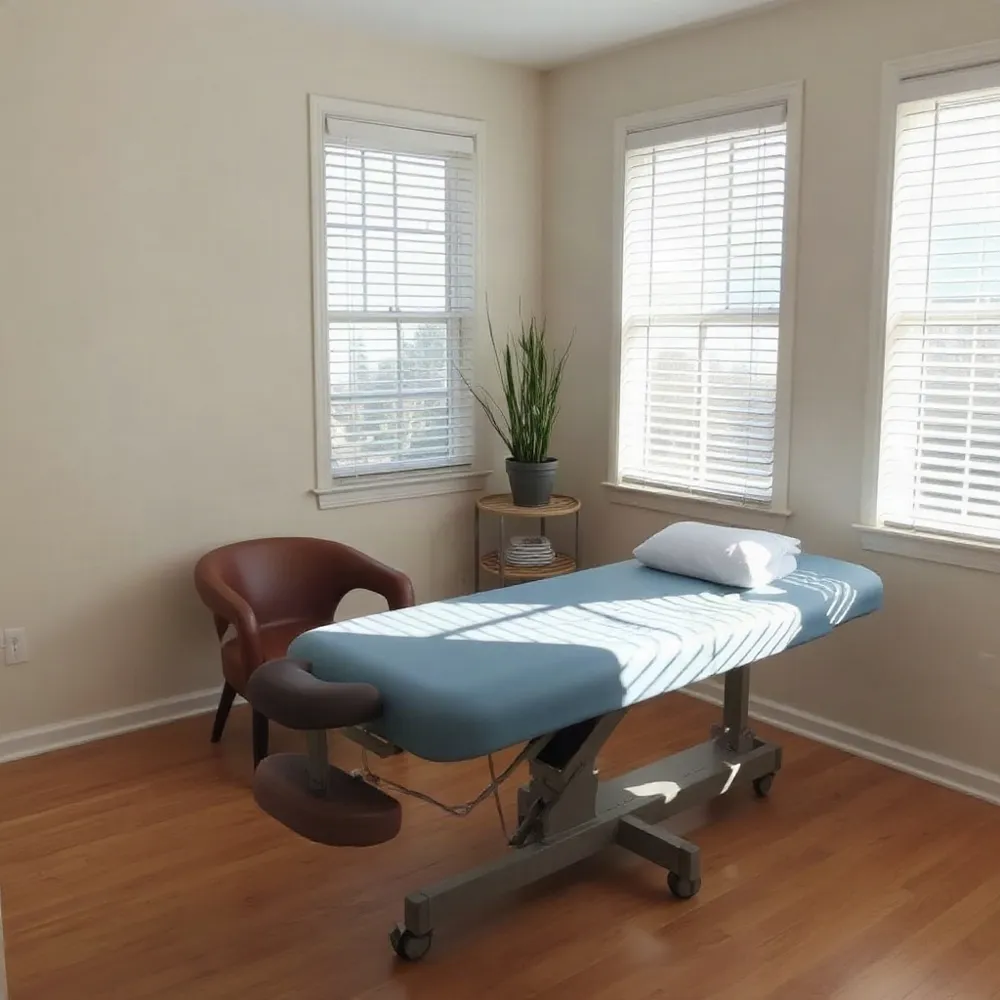
Rethinking the Path to Pain Relief
Many people assume surgery is the only effective answer for chronic back pain, neck pain, or joint discomfort. This belief is being challenged by a growing body of evidence showing that non-invasive approaches often deliver comparable or better results without the risks and recovery time of an operation. Conditions such as herniated discs, spinal stenosis, and chronic back pain can be effectively managed without going under the knife.
Conservative care is a philosophy that prioritizes the body's natural healing abilities over invasive procedures. It begins with a thorough evaluation of the whole person, not just a checklist of symptoms, to understand the root cause of discomfort. A 2019 American Academy of Family Physicians review found that spinal manipulation, exercise, and other non-invasive therapies produce small to moderate improvements in pain and function for chronic low back and neck pain, supporting the use of these methods as a first-line approach.
This article explores the mindset behind conservative care, the evidence-based treatments that make it effective, and how it empowers patients to make informed choices about their health. By starting with the least invasive options, individuals can often avoid unnecessary surgery and achieve lasting relief.
A Philosophy of Less Is More
 A Philosophy of Less Is More:
Conservative care is a cautious, safe approach to treatment that prioritizes non-invasive methods before considering surgery or medication. Instead of masking symptoms with quick fixes, this philosophy focuses on finding and treating the root cause of pain.
A conservative-first approach begins with a thorough evaluation of the whole person to understand the "why" behind their symptoms. This comprehensive assessment considers lifestyle, movement patterns, and overall health history, not just a medical checklist.
Surgery is considered only as a last resort, when conservative options have failed or there is a risk of permanent functional loss. Most orthopaedic conditions, from chronic back pain to sports injuries, can be effectively managed through non-operative care first.
Even when surgery is ultimately needed, starting with conservative care puts the body in a better position to heal and recover. By strengthening supporting structures and addressing underlying issues first, patients who do require surgery tend to have better outcomes.
Being a "medical conservative" means being skeptical of new medical advances until unbiased evidence shows a clear benefit. As the Lown Institute explains, this skepticism acts as a protective measure against medical hubris, helping patients avoid interventions that may later be found ineffective or harmful.
At Glenwood Chiropractic, this philosophy guides every patient interaction. The clinic's focus on non-invasive musculoskeletal care means patients can explore chiropractic adjustments and rehabilitative therapies before considering more aggressive options. This approach gives patients the chance to resolve their pain naturally, keeping surgery on the table only if conservative methods prove insufficient.
Real Tools for Real Relief
 A wide range of non-surgical treatments can effectively manage common conditions like back pain, neck pain, and sports injuries. At Glenwood Springs Chiropractic, the focus is on providing evidence-based chiropractic and complementary treatments that emphasize a holistic, patient-centered approach. These tools target the root cause of discomfort while avoiding the risks and recovery time associated with surgery.
Key Non-Surgical Modalities
Physical therapy is the most common non-surgical treatment for back pain, involving a personalized program of strengthening exercises, flexibility training, and posture correction. It is considered a first-line approach for chronic pain and is supported by strong clinical evidence from sources like the AAFP review of chronic musculoskeletal pain. Additional conservative treatments include chiropractic adjustments, therapeutic injections, manual therapies (such as massage), and lifestyle modifications like ergonomic improvements and nutritional counseling.
Other effective modalities include acupuncture, ultrasound therapy, and various physical therapy agents like heat, cold, and electrical muscle stimulation. A study from the Brain and Spine Neurosurgical Institute found that 94% of patients experienced relief through non-surgical treatments, underscoring the potential of these approaches.
| Modality | Primary Use | Key Benefits |
|---|---|---|
| Physical Therapy | Back pain, sports injuries | Strengthens support structures, improves mobility |
| Chiropractic Adjustments | Spinal alignment, neck pain | Non-invasive, restores joint function |
| Massage Therapy | Muscle tension, chronic pain | Improves circulation, reduces stress |
| Acupuncture | Chronic pain, headaches | Stimulates natural healing, minimal side effects |
| Lifestyle Changes | Ergonomics, nutrition | Prevents recurrence, supports overall health |
For lasting relief, these tools are most effective when combined into a multimodal plan. Patients at clinics like Glenwood Springs Chiropractic work with providers to select the therapies that match their specific condition, lifestyle, and goals, often reducing the need for more invasive interventions.
The Case for Starting with Chiropractic
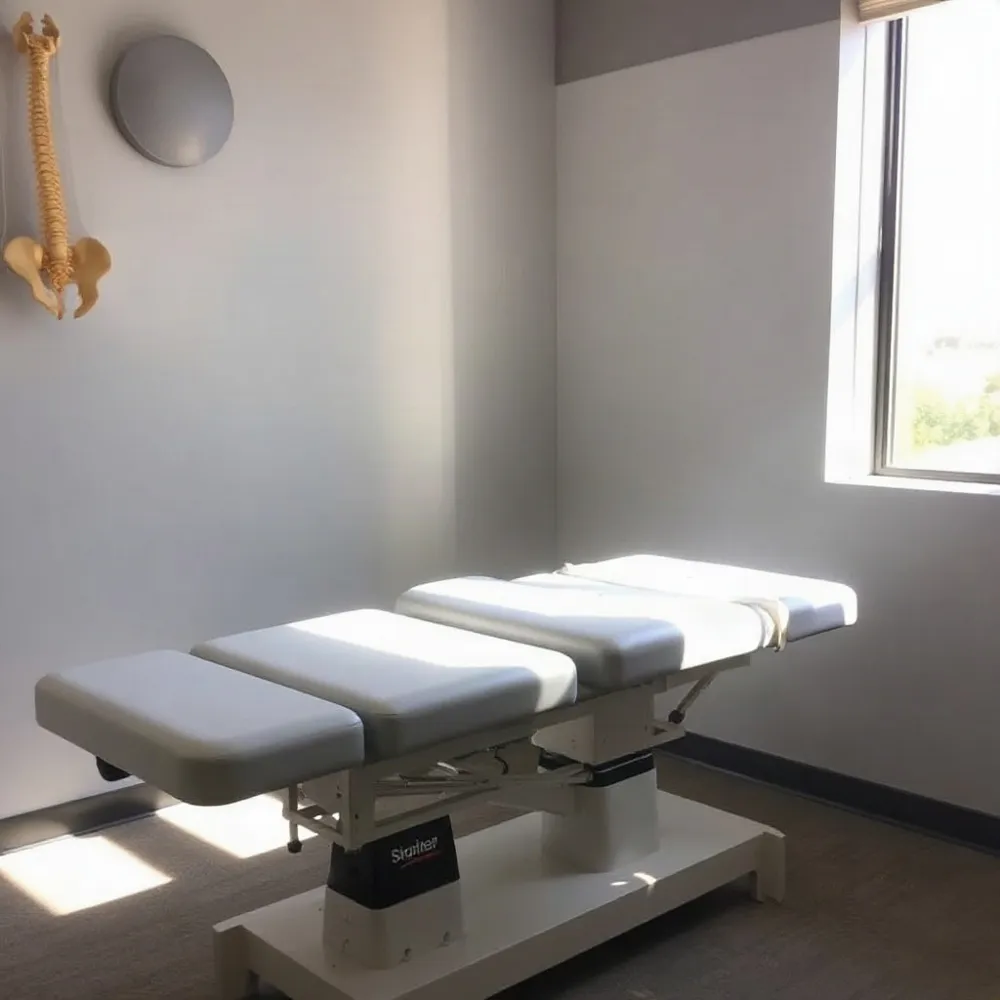 Chiropractic care is widely regarded as a model of conservative treatment. It is safe, holistic, drug-free, and non-invasive. Rather than relying on incisions, anesthesia, or medication, chiropractors use gentle spinal manipulation and other manual techniques to address the root cause of pain and movement dysfunction.
This approach is supported by extensive professional training. Doctors of chiropractic must complete a minimum of 4,200 hours of classroom, laboratory, and clinical internship through nationally accredited programs. This education equips them to treat a broad range of conditions, including back pain, neck pain, headaches, sciatica, and joint discomfort.
The effect on surgical rates is striking. A study of Washington State workers with back injury claims found that only 1.5% of those who first saw a chiropractor eventually had surgery, compared to 42.7% of those who first saw a surgeon. That data suggests the initial choice of provider strongly influences the likelihood of undergoing an invasive procedure.
The goals of chiropractic care go beyond symptom relief. Treatment aims to improve overall function, increase energy, and prevent future issues through better movement patterns and lifestyle guidance. At glenwoodchiro.com, patients receive a thorough evaluation and a personalized plan that prioritizes non-invasive methods before considering more aggressive options. The approach is grounded in evidence and designed to help the body heal on its own terms.
Surgery: When the Risks Outweigh the Rewards
Surgery carries significant risks: infection, anesthesia complications, blood clots, nerve damage, lengthy recovery times, and no guarantee of resolution. Some procedures are irreversible—once bone is removed or a joint is fused, the changes are permanent.
Starting with conservative care gives you the chance to avoid these risks entirely. If surgery is still needed later, you haven't lost anything by trying non-surgical options first. The Glenwood Springs chiropractic clinic at glenwoodchiro.com specializes in non-invasive musculoskeletal care, offering chiropractic adjustments and therapies that help patients manage pain and restore mobility without the downsides of surgery.
Research shows many surgeries are performed unnecessarily. Studies indicate 60% of spine surgeries and one in three knee replacements may not be needed. Over 229,000 coronary stents placed in U.S. hospitals between 2019 and 2021 were considered unnecessary, representing 22% of all stent procedures. These are often driven by misdiagnosis or financial incentives rather than patient need.
For many conditions like back pain and joint issues, non-invasive approaches can provide effective relief. Conservative care focuses on identifying and treating the root cause of discomfort, allowing patients to return to daily activities without invasive procedures.
When Conservative Care Works and When It Doesn't
Conservative care demands consistent effort over weeks or months, but research shows it works for a vast majority of patients. For example, clinical trials show that 90% of patients with heel spurs improve with conservative care alone, and 80% of those with Achilles tendinopathy see significant improvement with eccentric strengthening exercises.
Failed conservative treatment is a real possibility when there is underlying structural damage or degenerative changes that exceed the body's ability to heal. If pain persists or returns despite faithful effort, this is a signal to consider more advanced interventions. Even then, patients have lost nothing by trying conservative methods first—research shows long-term outcomes are the same whether surgery is performed immediately or after a trial of non-surgical care.
Surgery is typically considered when pain interferes with daily life or there is a risk of permanent functional loss. In cases where surgery is unavoidable, such as severe spinal instability or neurological deficits, chiropractic care can still play a supportive role in recovery. A study found that patients who saw a chiropractor after lumbar surgery were 45% less likely to require additional surgery for continuing pain.
Bridging the Gap Between Doctors and Chiropractors
Historically, skepticism between medical doctors and chiropractors has been common, stemming from differences in philosophy and training. However, this is changing. A 2025 study published in Scientific Reports found a 74.7% diagnostic agreement and an 82.0% management agreement between chiropractors and neurosurgeons for low back pain patients. This indicates that chiropractors have strong skills in triaging patients and identifying non-surgical cases.
This collaborative approach creates more efficient, patient-centered care pathways. When chiropractors and surgeons agree on diagnosis and management, they can prioritize the least invasive treatment first, reserving surgery for complex spinal conditions. At glenwoodchiro.com, this cooperative mindset means working alongside other healthcare professionals to ensure patients receive the right care at the right time.
Red flags exist in any field. Patients should be cautious of chiropractors who make exaggerated claims, promise cures for conditions outside the musculoskeletal system, or push one-size-fits-all treatment plans. A responsible chiropractor focuses on safe, evidence-based care and will collaborate with other professionals when needed.
Empowering the Conservative Patient
Choosing a conservative, non-surgical path requires active participation and patience, but it offers a route toward lasting wellness and prevention of re-injury.
A Washington State study of workers with back injury claims found that only 1.5% of those who first saw a chiropractor eventually had surgery, compared to 42.7% of those who first saw a surgeon. Real-world success stories further support this pattern. Danielle, for example, had rotator cuff surgery that left her unable to comb her hair. Through chiropractic care, she regained her range of motion without additional surgery.
Conservative Patient. A person who chooses non-surgical, non-invasive treatments to manage pain and restore mobility, focusing on the body's natural ability to heal. This approach prioritizes evidence-based therapies like chiropractic adjustments and physical therapy before considering more aggressive interventions.
Conservative Management. A comprehensive orthopedic and physiotherapy strategy that addresses musculoskeletal pain without surgery. It uses chiropractic care, physical therapy, and interventional injections to relieve pain, restore function, and improve quality of life while avoiding surgical risks and extended recovery times.
Spinal Stenosis. Chiropractic care offers non-surgical, holistic treatments for this condition, including spinal adjustments and decompression techniques to relieve nerve pressure and improve mobility. While it cannot cure the condition, it can significantly alleviate pain and enhance quality of life, often with noticeable improvements within weeks.
Choosing a Path of Empowerment and Healing
A conservative care mindset is not about being against surgery. It is about being an informed, proactive participant in your own health journey.
This path means partnering with healthcare providers, such as chiropractors, who prioritize the least invasive, most holistic approaches first. The result is better long-term outcomes with fewer risks, supporting a more fulfilling and independent life.