Golf’s Repeated Physical Demands
Golf is often described as low impact, but a swing combines repeated movement, trunk rotation, bending, and force. These demands involve the spine, muscles, tendons, and joints, and may contribute to discomfort or injury over time. The American Orthopaedic Society for Sports Medicine’s golf guidance describes how repeated swings and a bent-over posture can stress the back.
Symptoms may build gradually with overuse, changes in playing volume, poor mechanics, or inadequate warm-up. The cause is not the same for every golfer, so a careful assessment matters more than assuming one swing flaw explains the pain. At Glenwood Springs, Glenwoodchiro.com provides non-invasive musculoskeletal care, including chiropractic adjustments and therapies focused on pain relief and mobility.
The sections that follow examine common golf injuries, individualized assessment, conservative care options, and practical ways to prepare for play and return gradually after symptoms. Care should reflect each golfer’s condition and goals, with medical evaluation when symptoms warrant it.
Common Injuries Across the Swing
 Golf-related pain can affect the lower back, elbows, shoulders, wrists, and hands. Hip and knee discomfort may also arise as the body rotates, shifts weight, and walks the course. These problems do not all share one cause: playing volume, technique, mobility, and prior injuries can each matter.
Repeated rotation and a bent posture can load the spine, contributing to lower-back muscle or ligament strain. Elbow pain may involve golfer’s elbow, which affects the inner elbow, or tennis elbow, which affects the outer elbow. Repetitive gripping and swinging can stress either area, but a clinical assessment is needed to understand an individual’s symptoms. The American Orthopaedic Society for Sports Medicine’s golf injury guidance describes these common injury patterns and advises attention to pain and loss of motion.
Shoulder problems can include rotator cuff irritation or strains, sometimes associated with repeated movement or contact with the ground. Repeated gripping and impact may also contribute to wrist or hand strains and tendon irritation. Symptoms in any of these areas can have different contributing factors, so the body part alone does not identify the specific injury.
One study summarized in a source on golf injuries reported lower-back strain as its most frequently reported injury, at 23.5%, and wrist sprains as the second most common, at 17.5%. These figures describe that study’s findings, not universal rates for golfers. At Glenwood Springs, Glenwoodchiro.com provides non-invasive musculoskeletal care, including chiropractic adjustments and therapies aimed at pain relief and mobility restoration; care should be based on an individual evaluation.
A movement assessment may help identify mobility or strength limitations that contribute to discomfort, while a golf professional can assess swing mechanics. The Mass General Brigham overview of golf injuries also notes that treatment depends on the injury and the person’s needs.
Why Golfers’ Backs May Hurt
Lower-back pain is a common complaint among golfers, but it does not have one universal cause. Repeated trunk rotation, an extended bent-over setup, and swings that place uneven demands on the body can all contribute to symptoms.
Playing or practicing beyond your current capacity may add strain, particularly when fatigue builds or recovery is limited. Conditioning, swing mechanics, prior injuries, and other musculoskeletal issues can also affect how well the back tolerates repeated movement.
Mobility and strength elsewhere in the body matter, too. Mass General Brigham’s guidance on golf injuries explains that restricted hip or mid-back mobility can cause the lower back to compensate during a swing. Limitations in other areas may likewise change how a golfer moves, though the relevant factors differ from person to person.
At Glenwood Chiropractic, assessment can consider musculoskeletal symptoms and mobility before care is tailored to the individual. This patient-centered approach helps avoid assuming that every golfer’s back pain comes from the same movement or requires the same response.
Persistent or worsening pain deserves assessment by a qualified clinician rather than guesswork or continued play through symptoms. The American Orthopaedic Society for Sports Medicine’s golf injury guidance advises medical evaluation when back pain is intense, does not ease with warm-up movement, disrupts sleep, or radiates down the leg with numbness or tingling.
Assessment and Individualized Chiropractic Care
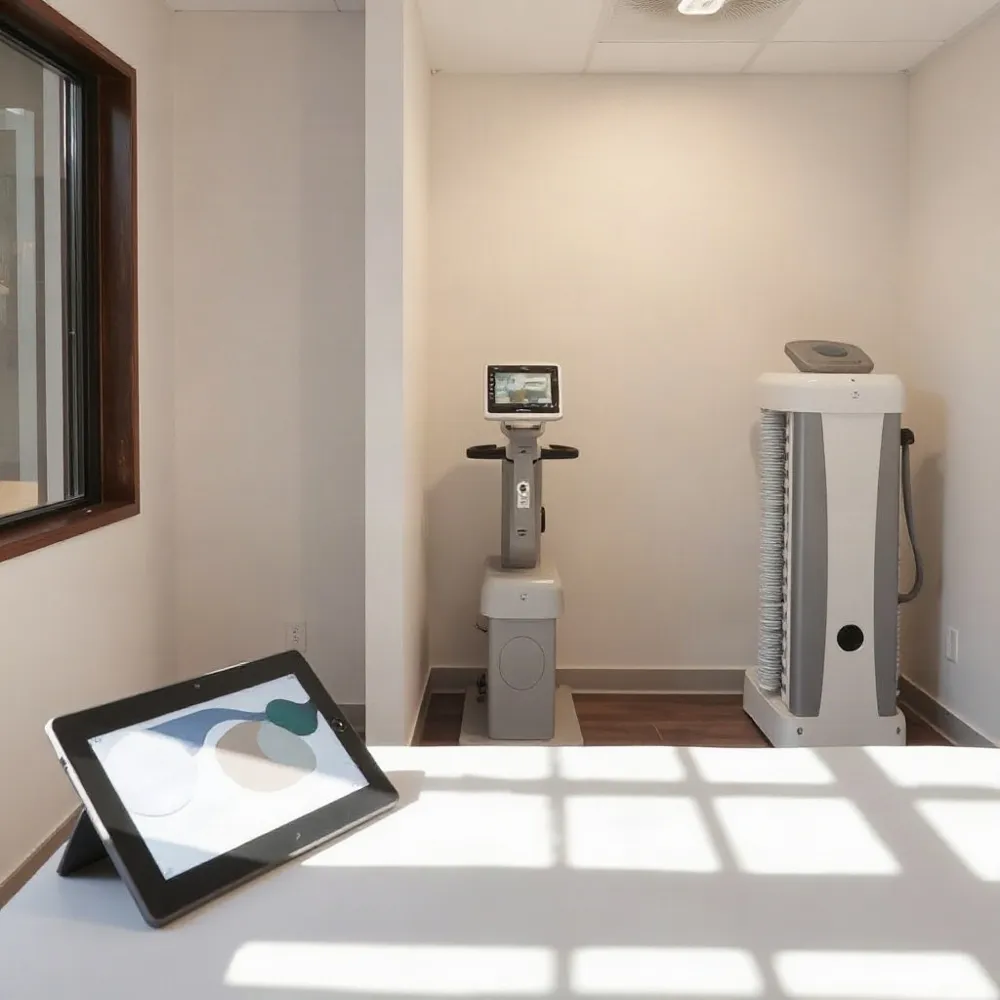 Can chiropractic care help with golf-related back pain or other musculoskeletal injuries? It may help some golfers manage symptoms as part of a conservative care plan, but results are not guaranteed. Pain can follow repeated swings, a sudden increase in play, limited recovery, or a change in technique, so its cause should be assessed rather than assumed.
At Glenwood Springs Chiropractic, non-invasive musculoskeletal care starts with understanding the person’s symptoms and needs. An initial conversation can cover where pain occurs, how long it has lasted, its severity, recent changes in playing or practice, and any prior injuries. The clinician may also ask which movements or stages of the swing reproduce symptoms.
An appropriate physical and movement examination can help identify limitations in mobility, strength, or function. A movement assessment may reveal factors related to discomfort or swing mechanics, but it does not by itself establish a specific structural injury. Mass General Brigham’s overview of golf injuries describes how an individualized movement assessment can guide an exercise plan.
Depending on the findings, a chiropractor may discuss manual therapy, such as adjustments or joint mobilization, alongside individualized exercises intended to support mobility and function. The choice of care should reflect the golfer’s condition, health history, and response, rather than follow a single routine. Glenwood Springs Chiropractic provides chiropractic adjustments and therapies as non-invasive options for musculoskeletal pain and mobility concerns.
Chiropractic care is not a proven cure for every golf injury and should not be presented as repairing tendon tears, meniscus tears, or other structural damage. If symptoms suggest a more serious injury, further medical evaluation or referral may be appropriate. The American Orthopaedic Society for Sports Medicine’s golf injury guidance advises medical evaluation for concerning symptoms, including intense pain, loss of sensation, or pain that radiates down the leg with numbness or tingling.
Seek prompt medical care for severe or worsening pain, a significant injury, numbness or weakness, or other concerning symptoms. A chiropractor can help assess whether conservative care may suit the situation, but this does not replace needed medical assessment.
Reducing Back Strain and Returning to Play
When a swing or practice movement aggravates back pain, pause or modify it rather than trying to play through the discomfort. Resume golf gradually as comfort and function improve, and stop if pain gets worse. A gradual return to play can help you gauge how your back responds as activity increases.
Before a round, start with light activity and comfortable movements for the trunk, hips, shoulders, and other areas that feel stiff. Then build from slow, easy practice swings toward swings at game speed. The American Orthopaedic Society for Sports Medicine’s golf warm-up guidance recommends a progressive warm-up and advises stopping play when symptoms warrant medical evaluation.
Between rounds, regular work on trunk and hip strength, flexibility, balance, and general conditioning can help prepare the body for golf’s demands. These measures may support movement and tolerance for activity, but they cannot guarantee that pain or injury will be prevented. A qualified golf professional can review swing mechanics, while an appropriately trained professional can help assess movement and equipment fit.
Individual advice matters, particularly if you have an existing injury or another medical concern. At glenwoodchiro.com, care includes non-invasive musculoskeletal treatment, such as chiropractic adjustments and therapies directed at pain relief and mobility. A healthcare professional can help determine whether activity changes, exercise, or other care is appropriate. Seek assessment for persistent or worsening pain, severe symptoms, or leg weakness, numbness, or tingling.
When Symptoms Need Medical Attention
 Stop playing and seek professional evaluation if pain is persistent, worsening, or interferes with swinging, walking, or daily activities. Swelling, loss of motion, or a joint that feels unstable also deserves attention. The American Orthopaedic Society for Sports Medicine’s golf injury guidance advises assessment for concerning symptoms rather than continuing through them.
Numbness, tingling, or weakness warrants prompt assessment, especially if back pain is intense or travels down a leg. Pain that does not ease with gentle warm-up movements is another reason to stop and seek care. At Glenwood Springs chiropractic care focuses on non-invasive musculoskeletal assessment, while a clinician can determine whether imaging, another type of treatment, or referral is appropriate.
Do not return to golf until symptoms and the underlying problem have been assessed. After an injury, a health care professional may need to clear you to resume sport, with activity increased gradually according to your recovery.
A Thoughtful Approach to the Next Round
Golf-related pain can arise from different tissues and movement patterns, so symptoms alone do not reveal the cause. A clinician can assess what movements are affected and whether conservative care, further evaluation, or referral is appropriate. The American Orthopaedic Society for Sports Medicine’s golf injury guidance also advises evaluation when symptoms are concerning.
For Glenwood Springs golfers, individualized chiropractic care may be one part of non-invasive musculoskeletal care when suitable, alongside modifying painful activity and building mobility and strength gradually. Prepare progressively before play, and seek medical attention for severe or persistent pain, loss of motion, or numbness and tingling. No single approach guarantees injury prevention or a particular recovery.