Introduction: A Gentle Revolution in Healing
Introduction: A Gentle Revolution in Healing
In the heart of modern chiropractic care, a quiet revolution is transforming injury recovery. Cold laser therapy, also known as low-level laser therapy (LLLT), stands as a cornerstone of non-invasive treatment. It offers a scientifically-grounded alternative for individuals in Glenwood Springs and surrounding communities who seek effective pain relief and accelerated healing without the risks of surgery or long-term medication.
This therapy represents a significant shift towards the future of rehabilitation. It works not by masking symptoms, but by engaging the body's innate repair mechanisms at the cellular level. By harnessing specific wavelengths of light, it stimulates a natural biological process called photobiomodulation, setting the stage for a fundamentally different approach to recovery—one that is gentle, precise, and deeply restorative.
For patients managing sports injuries, chronic back pain, arthritis, or everyday musculoskeletal strains, this technology offers a promising path. It aligns perfectly with a holistic, patient-centered philosophy, focusing on restoring mobility and function from within. The following table outlines core aspects of this therapeutic approach.
| Therapeutic Principle | Primary Mechanism | Key Patient Benefit |
|---|---|---|
| Photobiomodulation | Light energy stimulates cellular mitochondria | Accelerates the body's natural tissue repair processes |
| Non-Invasive Application | No heat, sound, or vibration during treatment | Eliminates surgical risks and lengthy downtime |
| Multi-Pathway Pain Relief | Blocks pain signals & reduces inflammatory chemicals | Provides drug-free pain management |
| Enhanced Circulation | Stimulates new blood vessel formation | Improves delivery of oxygen and nutrients for healing |
The Science of Light: How Cold Laser Therapy Works
How does cold laser therapy work?
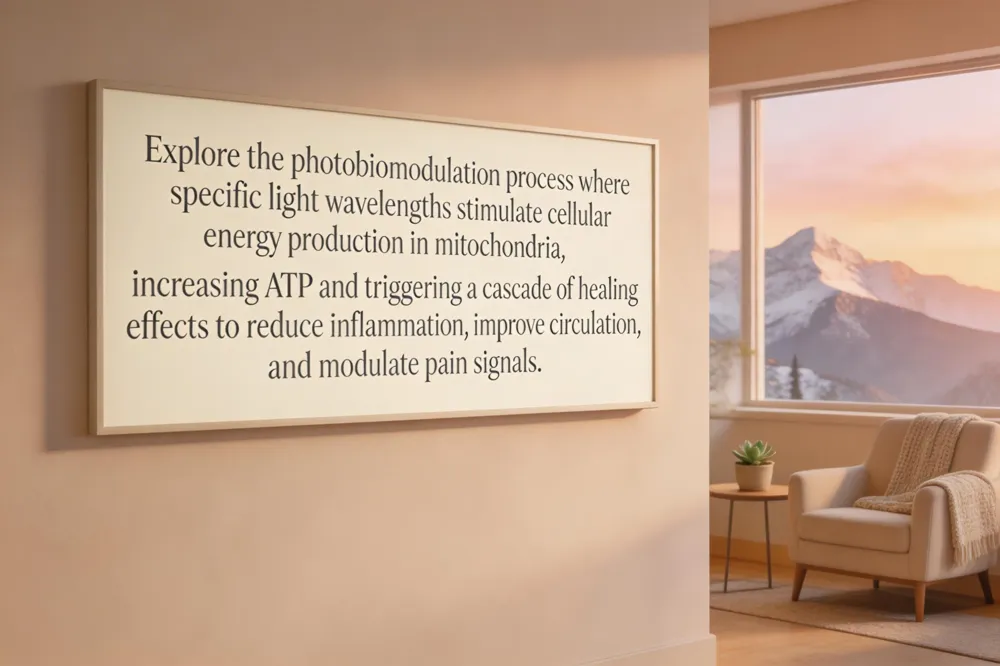
Cold laser therapy operates on a principle called photobiomodulation. This is a biological process where specific wavelengths of light, typically within the red and near-infrared spectrum, interact with cells to stimulate natural healing. Unlike surgical lasers that cut or burn tissue, cold lasers are non-invasive and non-thermal. They deliver low-intensity light that penetrates the skin without generating heat, sound, or vibration.
The Cellular Engine: Photons to Energy
At the heart of this process is the cell's powerhouse: the mitochondria. Photons of light are absorbed by a key enzyme within the mitochondria called cytochrome c oxidase. This absorption triggers a series of biochemical events. A primary result is a significant increase in the production of adenosine triphosphate (ATP). ATP is the fundamental energy currency that fuels all cellular activities.
With more ATP available, cells in injured or inflamed tissue can function more efficiently. Their metabolic rate increases, enabling faster repair and regeneration. This includes stimulating cellular repair and regeneration, synthesizing new proteins, clearing cellular debris, and rebuilding damaged structures like muscle fibers, tendons, and ligaments.
Cascade of Healing Effects
The initial boost in cellular energy production sets off a beneficial chain reaction throughout the injured area.
Improved Circulation and Angiogenesis: The therapy stimulates the release of nitric oxide, a compound that causes blood vessels to dilate (vasodilation). This enhances blood flow and microcirculation, delivering more oxygen and vital nutrients to the site. Furthermore, it can promote angiogenesis, the formation of new capillaries, enhancing blood flow for days after a treatment.
Reduction of Inflammation: Cold laser therapy helps modulate the body's inflammatory response. It can reduce the concentration of pro-inflammatory chemicals like prostaglandins and cytokines. By helping inflammatory cells complete their work more efficiently, it reduces inflammation and swelling without suppressing the immune system, which is crucial for proper healing.
Modulation of Pain Signals: Pain relief occurs through several simultaneous mechanisms. The light energy can interfere with the depolarization of pain-transmitting nerve fibers (like C-fibers), temporarily blocking signals to the brain. It also helps normalize nerve cell function. Additionally, the therapy can trigger an increased release of the body's natural pain-relieving chemicals, such as endorphins and serotonin.
Treatment Parameters for Precision
Effective application relies on specific technical parameters, which trained clinicians adjust based on the condition and tissue depth.
| Parameter | Typical Range | Key Detail |
|---|---|---|
| Wavelength | 600 - 1000 nm | Red (approx. 660 nm) and near-infrared (approx. 810-905 nm) light penetrate tissues effectively. |
| Power Output | 5 - 500 milliwatts (mW) | This low power level ensures the treatment is non-thermal and does not damage tissue. |
| Energy Density | 1 - 10 Joules per sq cm | The dose of energy delivered, crucial for the biphasic dose response (optimal lower doses). |
| Treatment Nature | Non-thermal | No heat is produced; the effect is photochemical, not thermal, ensuring patient comfort and safety. |
This scientific foundation explains how a gentle, non-invasive light treatment can accelerate the body's innate healing pathways, addressing pain and dysfunction at their source.
Proven Applications: From Arthritis to Sports Injuries
Broad Spectrum of Treatable Musculoskeletal Conditions
Cold laser therapy, clinically known as Low-Level Laser Therapy (LLLT), is a versatile modality used to manage a wide range of health issues. Its applications extend far beyond a single condition, making it a valuable tool in modern rehabilitation. The therapy's non-invasive nature and ability to stimulate cellular repair and regeneration allow it to address both localized injuries and systemic chronic disorders.
Treatment parameters, such as specific wavelengths and energy doses, can be adjusted to target different tissue depths and pathologies. This flexibility enables practitioners to customize therapy for individual patient needs, from surface-level wounds to deep joint pain. The broad applicability supports its integration into multidisciplinary care plans within chiropractic, physical therapy, and sports medicine settings.
Acute Injuries: Sprains, Strains, Tendonitis, Post-Surgical Wounds
For acute injuries, cold laser therapy aims to accelerate the body's natural healing timeline. It is effective for various injuries including sports injuries like soft tissue damage, ligament sprains, muscle strains, and tendonitis (e.g., tennis elbow). The therapy reduces inflammation through phototherapy and swelling, which helps control pain and may decrease overall recovery time, allowing for a quicker return to daily activities and sport.
In post-surgical care, LLLT can promote wound healing and minimize scar tissue formation. By stimulating fibroblast activity and collagen production, it supports stronger tissue repair at incision sites. Patients often report less post-operative pain and improved healing outcomes, making it a supportive adjunct therapy with LLLT.
Chronic Conditions: Osteoarthritis, Rheumatoid Arthritis, Chronic Neck/Back Pain, Carpal Tunnel Syndrome, Plantar Fasciitis, Fibromyalgia
Managing chronic pain is a primary strength of this therapy. For degenerative conditions like osteoarthritis and rheumatoid arthritis, LLLT helps reduce joint inflammation and alleviate stiffness. Clinical studies note improvements in pain scores and functional mobility, particularly for knee osteoarthritis, with effects sustained over time.
Neuropathic and compressive conditions, such as carpal tunnel syndrome and plantar fasciitis, also respond well. The therapy can decrease nerve compression symptoms and improve local blood flow. For chronic myofascial pain syndromes like fibromyalgia, LLLT, especially when combined with exercise, has been shown to reduce tender point sensitivity and overall pain intensity.
Other Applications: Wound Healing, Neuropathic Pain, Skin Disorders
The therapeutic light stimulates healing in non-musculoskeletal tissues. For wound healing, particularly in hard-to-heal diabetic foot ulcers and burn wounds, LLLT promotes granulation tissue formation and accelerates closure. Meta-analyses show a statistically significant greater reduction in wound size compared to control treatments.
Neuropathic pain, from conditions like diabetic neuropathy, is addressed through mechanisms that may include nerve regeneration and modulation of pain signals. Additionally, LLLT has applications in dermatology for skin disorders, leveraging its ability to reduce inflammation and stimulate cellular repair in conditions like psoriasis and for scar management.
How Effective is Cold Laser Therapy?
Cold laser therapy (LLLT) is effective for a wide array of musculoskeletal conditions. Clinical research, including randomized controlled trials and meta-analyses, supports its efficacy in reducing pain and inflammation and promoting tissue healing. Evidence is particularly strong for conditions like tendonitis, knee osteoarthritis, chronic neck pain, and wound healing (e.g., diabetic foot ulcers). Success rates are high, with many patients, including athletes, experiencing significant relief. Effectiveness depends on proper application, including correct wavelength, dose, and treatment protocol. It is considered a safe and effective component of a comprehensive rehabilitation plan.
Does Laser Therapy Work for Muscle Pain?
Yes, laser therapy is an established, effective treatment for muscle pain. It works by reducing inflammation and edema, promoting muscle cell regeneration, and alleviating pain through neural blockade and endorphin release. Studies show it can decrease pain intensity and improve function in conditions involving muscle pain, such as strains, myofascial pain, and fibromyalgia. Its non-invasive nature and lack of significant side effects make it a valuable tool within chiropractic and physical therapy for managing both acute and chronic muscular discomfort.
| Condition Category | Common Examples | Primary Therapeutic Action | Typical Treatment Focus |
|---|---|---|---|
| Acute Injuries | Ankle sprains, hamstring strains, tennis elbow | Reduce inflammation, accelerate repair | Injury site, pain relief, swelling reduction |
| Chronic Joint Disorders | Knee osteoarthritis, rheumatoid arthritis | Decrease pain, improve mobility, reduce stiffness | Joint line, surrounding soft tissues |
| Nerve & Compression | Carpal tunnel syndrome, plantar fasciitis | Alleviate nerve pressure, improve circulation | Nerve pathway, entrapment site |
| Wounds & Skin | Diabetic foot ulcers, surgical incisions, burns | Stimulate tissue granulation, promote closure | Wound bed, perimeter for healing |
| Chronic Pain Syndromes | Fibromyalgia, chronic low back pain | Modulate pain perception, reduce tenderness | Tender points, trigger points, affected muscles |
The Chiropractic Synergy: Integrating Cold Laser with Holistic Care
Do chiropractors use cold laser therapy?
Yes, many chiropractors actively integrate cold laser therapy into their personalized treatment plans as a modern, non-invasive therapeutic use of LLLT adjunct to traditional chiropractic adjustments. The therapy helps reduce pain and inflammation in soft tissues and joints, which can enhance the effects of spinal or joint manipulation. By targeting cellular repair and regeneration, it complements the structural focus of chiropractic care, leading to faster recovery, improved mobility, and more comprehensive treatment for conditions affecting the neck, back, shoulders, and extremities.
How do these treatments work together?
Chiropractic care and cold laser therapy address different yet interconnected aspects of musculoskeletal health. Adjustments primarily focus on restoring proper spinal alignment and joint function, which relieves nerve pressure and improves biomechanics. Concurrently, cold laser therapy promotes tissue repair and reduces inflammation at a cellular level through photobiomodulation. This dual approach targets both the structural causes and the local inflammatory symptoms of pain.
What are the main benefits of combining them?
Patients often experience faster and more pronounced pain relief when these modalities are used together. The reduction in soft tissue inflammation and swelling from laser therapy can make subsequent adjustments more comfortable and effective. This combination therapy with chiropractic adjustments synergistic effects typically leads to improved mobility and more lasting results, as the body heals from both a structural and cellular perspective.
How are treatment plans personalized?
Chiropractors customize treatment by assessing the individual's specific condition, pain levels, and health goals. The integration is not one-size-fits-all. A practitioner might adjust the laser's parameters—such as wavelength, power, and session duration—based on whether an injury is acute or chronic. The therapy might also be targeted to specific areas like injury sites, lymph nodes, or trigger points alongside spinal adjustments.
| Treatment Component | Primary Action | Clinical Benefit | Common Application Areas |
|---|---|---|---|
| Chiropractic Adjustments | Restores joint alignment/function | Improves nerve flow, biomechanics | Spine, pelvis, extremities |
| Cold Laser Therapy | Stimulates cellular repair | Reduces inflammation, eases pain | Soft tissues, joints, nerves |
| Combined Protocol | Addresses structure & physiology | Accelerates healing, enhances mobility | Back/neck pain, sports injuries |
Realistic Expectations: The Treatment Timeline
What to Expect During a Treatment Session
A cold laser therapy session is designed to be a comfortable, non-invasive experience. Most patients feel nothing at all, while others report a gentle warmth or slight tingling sensation. There is no pain, burning, or significant heat produced by the laser. The duration of a single treatment is typically short, ranging from a few seconds per application point to a full session lasting up to 15 or 20 minutes. Patients can resume their normal daily activities immediately afterward, as there is no downtime required.
Recommended Frequency and Course of Treatment
For optimal results, treatments are usually administered multiple times per week. A common initial protocol involves 2 to 3 sessions per week. The total number of sessions needed varies significantly based on the nature, severity, and chronicity of the condition. A standard treatment plan might span 6 to 12 visits over several weeks. Your practitioner will customize the frequency and duration based on your individual response and healing goals.
How Long Does It Take to See Results from Cold Laser Therapy?
The timeline for results varies. Some patients with acute issues may notice pain relief within the first few sessions. For chronic or more severe conditions, a series of treatments is typically needed—often 2-3 sessions per week for several weeks. Many patients report cumulative improvements after 2 to 4 sessions, but achieving lasting tissue repair and functional improvement usually requires completing a full treatment plan, which may involve 6 to 12 or more sessions. The therapy promotes actual healing, so while symptom relief can begin early, the full benefits develop over time.
Understanding the Cumulative Healing Process
Cold laser therapy works by stimulating the body's cellular repair mechanisms. Each session builds upon the last, creating a cumulative effect. This means benefits like reduced inflammation, improved circulation, and tissue regeneration continue to progress in the hours and days following treatment. It is crucial to complete the full prescribed treatment plan, even if you feel initial relief. Discontinuing sessions prematurely may limit the therapy's ability to achieve deeper, more sustainable healing and functional recovery.
| Aspect | Key Details | Patient Considerations |
|---|---|---|
| Session Experience | Painless, gentle warmth/tingling sensation, short duration. | No downtime required, resume activities immediately. |
| Typical Frequency | 2-3 times per week initially. | Based on practitioner assessment and condition. |
| Results Timeline | Early pain relief possible; full healing takes time. | A full series of sessions is key for outcomes. |
| Healing Process | Benefits are cumulative with each session. | Important to complete the prescribed treatment plan. |
Safety Profile and Important Considerations
General Safety and Side Effects
Cold laser therapy is a non-invasive, drug-free treatment with a robust safety profile. The most common side effect is minimal and transient, such as temporary skin redness at the application site. Clinical trials often report that adverse effects are statistically similar to those of a placebo treatment.
Because the therapy does not generate heat or vibration, there is no significant downtime or recovery period required. Patients can typically resume their normal daily activities immediately after a session. This makes it a highly convenient option for managing pain and accelerating healing.
Important Safety Precautions
A critical safety rule is the protection of the eyes. The concentrated light from the laser probe must not be directed into the eyes of the patient or the practitioner. Safety glasses are always worn during treatment to prevent any potential retinal damage.
There are several important contraindications to consider. The laser should not be applied directly over known carcinomas or areas of suspected cancer, except in specific palliative care situations. Application directly over the thyroid gland or over the abdominal area of a pregnant patient is also not recommended.
Practitioners exercise caution with patients who have photosensitive epilepsy, especially when using pulsed visible light. A temporary, mild aggravation of old pain symptoms is possible in some individuals as part of the body's natural healing response.
Practical Considerations and Drawbacks
While side effects are minimal, other factors should be considered. A full treatment plan usually requires multiple sessions, often 2-3 times per week for several weeks, representing a significant time commitment. Insurance coverage can be inconsistent, as some providers classify the therapy as experimental.
The effectiveness of treatment depends on precise application by a qualified practitioner who understands proper dosing parameters, as the therapy exhibits a biphasic dose response. This underscores the importance of seeking care from trained professionals like chiropractors or physical therapists.
| Aspect | Key Consideration | Important Detail |
|---|---|---|
| Side Effects | Minimal & transient | Temporary skin redness; symptom aggravation possible. |
| Major Precaution | Eye Safety | Use of protective eyewear is mandatory. |
| Key Contraindications | Areas to Avoid | Not over known cancers, thyroid, or a developing fetus. |
| Patient Experience | Downtime | None; immediate return to normal activity. |
| Treatment Course | Time Commitment | Often requires multiple sessions over weeks. |
Legitimacy and Evidence: Separating Hype from Hope
Is cold laser therapy a legitimate treatment?
Yes, cold laser therapy is a legitimate, scientifically studied treatment modality. It operates on the well-established principle of photobiomodulation. While research outcomes can be mixed due to variability in treatment parameters, substantial clinical evidence supports its efficacy for conditions like tendonitis, arthritis, chronic neck pain, and wound healing. Regulatory bodies like the FDA have cleared specific cold laser therapy devices for the temporary relief of muscle and joint pain. When applied by trained professionals using evidence-based protocols, it is a valid, non-invasive component of a comprehensive care plan for pain relief and accelerated healing.
Addressing the question of legitimacy through scientific and regulatory lenses.
The legitimacy of cold laser therapy is supported by both scientific research and regulatory oversight. The foundational science of photobiomodulation, where specific light wavelengths stimulate cellular energy production, is well-documented.
From a regulatory perspective, the U.S. Food and Drug Administration (FDA) has granted 510(k) clearance to numerous low-level laser therapy (LLLT) devices. This clearance is specifically for the temporary relief of pain associated with musculoskeletal conditions, such as neck and low back pain.
Body of evidence: thousands of studies, including RCTs and meta-analyses.
The clinical evidence base for cold laser therapy is extensive. More than 4,000 laboratory and clinical studies have been conducted, including over 400 randomized, double-blind, placebo-controlled trials.
Recent meta-analyses provide strong support for specific applications. A 2024 systematic review of 18 randomized controlled trials concluded that low-level laser therapy significantly improved wound healing and reduced pain compared to control groups.
Another meta-analysis published in The Lancet found it significantly reduced chronic neck pain, with benefits lasting several months.
Acknowledging mixed evidence and the need for standardized protocols.
It is important to note that evidence is not uniformly positive for all conditions. Outcomes for some applications, like low back pain or carpal tunnel syndrome, show more variability across studies.
Researchers attribute much of this inconsistency to a lack of standardized protocols for LLLT. Factors like wavelength, power output, energy dose, and treatment duration vary widely between studies, making direct comparisons difficult.
This highlights the critical role of a skilled practitioner who can tailor parameters to the individual's condition for optimal results.
Position within professional guidelines.
Professional medical bodies have begun to issue guidelines based on the available evidence. These recommendations reflect the nuanced nature of the research.
For instance, the American College of Physicians gives a weak recommendation for using photobiomodulation in treating chronic low back pain, citing low-quality evidence.
In contrast, the Multinational Association of Supportive Care in Cancer strongly recommends it for preventing oral mucositis in patients undergoing specific cancer treatments, based on higher-quality trial data.
Synopsis of Evidence and Recommendations
| Condition | Strength of Evidence | Typical Guideline Position | Key Supporting Data |
|---|---|---|---|
| Chronic Neck Pain | Moderate | Positive Recommendation | Meta-analysis shows significant pain reduction vs. placebo. |
| Knee Osteoarthritis | Moderate to High | Often Recommended | Multiple RCTs show improved pain and function. |
| Wound Healing | Moderate | Emerging Standard | 2024 meta-analysis confirms improved healing rates. |
| Low Back Pain | Low to Moderate | Weak or Insufficient | Mixed results; more research on protocols needed. |
| Carpal Tunnel Syndrome | Low | Insufficient | Cochrane review finds very low-quality evidence. |
The Economic and Market Landscape
What is the typical cost of cold laser therapy?
A single session of cold laser therapy typically costs between $75 and $200. The total investment for a patient depends heavily on the condition's severity and the prescribed treatment plan. For instance, managing a chronic issue like osteoarthritis might require a course of 10 to 20 sessions, whereas an acute sprain may need fewer treatments.
How does insurance coverage impact patient access?
A major financial hurdle is that most U.S. health insurance plans, including Medicare, classify low-level laser therapy as experimental or investigational for many musculoskeletal conditions. This often results in patients paying out-of-pocket. Some clinics may offer payment plans or package pricing to improve accessibility despite the limited coverage.
What does market growth indicate about its acceptance?
The global market for cold laser therapy is projected to grow significantly, from an estimated $356 million in 2024 to over $560 million by 2031. This growth, driven by rising demand for non-invasive pain management and an aging population, signals increasing integration into clinical practice and broader acceptance within healthcare.
Is cold laser therapy a cost-effective treatment option?
When viewed as an alternative to long-term medication or invasive surgery, cold laser therapy can be cost-effective. It avoids risks associated with pharmaceuticals, such as dependency or side effects, and eliminates surgical costs and lengthy recovery times. For chronic conditions, it may reduce overall healthcare utilization by addressing pain and improving function.
| Cost Factor | Typical Range | Key Considerations |
|---|---|---|
| Per Session Fee | $75 - $200 | Varies by clinic location and device technology used. |
| Total Treatment Cost | $300 - $2,000+ | Heavily depends on number of sessions (often 6-20) required. |
| Insurance Coverage | Often Not Covered | Many plans deem it experimental; verify with provider beforehand. |
| Comparative Value | High Potential | Can offset long-term medication or avoid surgical expenses. |
The Future is Now: Technological Advances in Laser Therapy
What new technologies are emerging in chiropractic care?
The field of cold laser therapy is rapidly evolving beyond simple, single-wavelength devices. Modern innovations include multi-wavelength laser systems, such as the Multiwave Locked System (MLS), which utilize specific, synchronized infrared wavelengths to penetrate tissue more effectively. These advanced systems can target various tissue depths and types—from superficial muscles to deeper joints—within a single, integrated treatment session.
How have devices evolved to enhance treatment?
Technological progression has moved therapy from stationary clinical units to more accessible and precise tools. A key development is the creation of portable and even home-use laser devices, which can support continued care between professional visits. Furthermore, new systems integrate smart features like real-time dosage control, remote monitoring capabilities, and AI algorithms that help customize treatment parameters based on individual patient response. These features aim to optimize the therapeutic dose, which is critical given the therapy's biphasic dose response, where lower doses are often more effective than higher ones.
What improvements do these advances offer for patient care?
The latest generation of laser therapy devices provides deeper and more selective tissue penetration, allowing practitioners to target compromised cells more precisely without affecting surrounding healthy tissue. Enhanced precision, combined with smart technology for dosing, leads to more consistent and reproducible treatment outcomes. For patients, this translates to potentially faster reductions in pain and inflammation, accelerated tissue repair, and more convenient treatment options. The integration of these technologies into chiropractic practice supports a holistic, patient-centered approach by offering a highly customizable, non-invasive tool for managing musculoskeletal pain and improving mobility.
| Technology Trend | Key Feature | Clinical Benefit for Patients |
|---|---|---|
| Multi-Wavelength Systems (e.g., MLS) | Uses synchronized red/infrared light | Targets multiple tissue depths simultaneously for comprehensive treatment. |
| Portable & Home-Use Devices | Compact, user-friendly design | Increases treatment accessibility and supports continuity of care at home. |
| Smart Features & AI Integration | Real-time dosage control, adaptive settings | Enhances treatment precision and consistency for improved, personalized outcomes. |
| Advanced Emission Parameters | Optimized pulse rates and power output | Enables deeper tissue penetration and more precise targeting of injured areas. |
From the Field: Applications in Sports and High Performance
Use by Professional Sports Teams and Athletes for Rapid Recovery
Cold laser therapy has become a staple in high-performance sports medicine. Professional teams, including many Olympic and major league organizations, utilize this non-invasive laser treatment to get athletes back in action faster. The primary goal is rapid recovery from intense training and competition, minimizing the downtime that can impact performance and team success.
A key reason for its adoption is its ability to accelerate the body's natural healing processes at the cellular level. Unlike treatments that simply mask pain, photobiomodulation stimulates mitochondrial activity, boosting cellular energy (ATP) production. This enhanced energy fuels tissue repair, reduces inflammation, and helps clear metabolic waste, allowing athletes to recover more efficiently between events.
Treating Common Athletic Injuries: Sprains, Strains, Tendonitis, and Post-Workout Soreness
This therapy is particularly effective for the soft tissue injuries commonly seen in athletics. It provides a non-invasive, drug-free option for managing:
- Acute injuries: Such as ligament sprains, muscle strains, and contusions.
- Overuse conditions: Including tendonitis (like tennis elbow or achilles tendinitis) and bursitis.
- Post-activity recovery: Helping to alleviate muscle soreness and stiffness after strenuous workouts.
Treatment is precise and targeted. A clinician will apply a handheld device to the injured area and often to nearby lymph nodes and nerves. Sessions are brief, typically lasting from 30 seconds per point to about 15 minutes, and are painless, with most athletes reporting only a gentle warmth or tingling sensation.
Benefits: Reduced Downtime, Pain Management Without Medication, and Performance Support
The benefits for athletes are multi-faceted, addressing both recovery and ongoing performance support.
| Benefit | Mechanism | Athletic Impact |
|---|---|---|
| Faster Healing | Stimulates cell repair & new blood vessel growth | Reduces recovery time from injuries |
| Non-Pharmacological Pain Relief | Blocks nerve signals & increases endorphins | Manages pain without medication side effects |
| Decreased Inflammation | Modulates inflammatory cytokines | Reduces swelling, improves mobility faster |
| Enhanced Circulation | Improves blood flow & lymphatic drainage | Delivers oxygen/nutrients, removes waste products |
By reducing inflammation and pain efficiently, the therapy helps athletes maintain training consistency. Some practitioners also use it to "prime" muscles before activity, potentially supporting better performance and reducing the risk of injury.
Testimonials and Case Studies from Sports Medicine
Evidence from the field underscores its practical impact. In one notable case, a professional footballer had a post-operative foot wound that failed to heal for 11 weeks. After introducing laser therapy, significant improvement was seen within a week, and the wound closed after two-and-a-half weeks of treatment.
Former Head Athletic Trainer for the Boston Celtics, Ed Lacerte, has described laser devices as a "go-to" tool for managing sprains, strains, and other musculoskeletal conditions, noting they help get players back on the court faster. Similarly, physical therapists report that since integrating deep tissue laser therapy, patient outcomes have improved, with individuals feeling better more quickly and specifically requesting the treatment.
Digest of Applications in Sports and High Performance
| Application Area | Common Conditions Treated | Primary Benefit for Athletes |
|---|---|---|
| Injury Rehabilitation | Sprains, strains, tendonitis | Accelerates tissue repair process |
| Pain Management | Acute & chronic musculoskeletal pain | Offers drug-free analgesic option |
| Recovery Enhancement | Post-workout soreness, muscle fatigue | Reduces downtime between sessions |
| Performance Support | Pre-activity muscle priming | May improve output & reduce injury risk |
Preparing for Treatment and Maximizing Outcomes
Starting with a Qualified Practitioner
Successful outcomes with cold laser therapy depend significantly on the expertise of the provider. Patients are encouraged to seek a qualified healthcare professional, such as a chiropractor or physical therapist, who has received specific training in low-level laser therapy (LLLT) protocols. Proper training ensures the practitioner understands the critical factors for effective treatment, including the precise application, appropriate dosing based on the biphasic dose response, and proper wavelength selection for the targeted tissue. Selecting a licensed professional in a reputable clinical setting helps maximize the therapy's benefits and ensures patient safety.
What to Expect in Your Initial Consultation
A thorough initial evaluation is the cornerstone of an effective treatment plan. During the first consultation, the practitioner will review your health history and conduct a physical examination, which may include an assessment of your pain, range of motion, and functional limitations. The goal is to determine if cold laser therapy is suitable for your specific condition, such as a sprain, chronic back pain, or tendonitis. The clinician will then explain the process, outline a personalized treatment schedule, and discuss realistic expectations for pain relief and healing based on clinical evidence for your condition.
Post-Treatment Care for Optimal Healing
Following each session, simple self-care steps can enhance the therapy's effects and support your body's natural healing processes. A primary recommendation is to stay well-hydrated by drinking plenty of water, as this aids cellular function and detoxification. It is also generally advised to avoid strenuous activity after therapy for approximately 24 hours after treatment. This allows the stimulated cellular repair mechanisms to work without interference. Patients typically experience no downtime and can resume normal daily activities immediately after the session.
The Role of Patient Commitment and Combined Therapy
Cold laser therapy is most effective when integrated into a comprehensive rehabilitation plan. Patient commitment to the prescribed series of treatments is crucial, as benefits are cumulative. Many conditions require a course of sessions, often 2-3 times per week for several weeks, to achieve optimal results. Furthermore, combining cold laser therapy with other evidence-based modalities significantly improves outcomes. A synergistic approach that includes prescribed therapeutic exercises, chiropractic adjustments, or physical therapy addresses both tissue repair and the underlying musculoskeletal dysfunction, leading to more complete and lasting recovery.
| Aspect of Care | Key Consideration | Why It Matters |
|---|---|---|
| Practitioner Choice | Look for specific LLLT training and experience. | Ensures correct dosing and application for your condition. |
| Initial Evaluation | Comprehensive exam and goal-setting. | Creates a personalized, targeted treatment plan. |
| Aftercare | Hydrate and rest for about a day post-session. | Supports cellular processes and minimizes strain on healing tissues. |
| Therapy Integration | Combine with exercise and other treatments. | Addresses root causes and enhances functional recovery long-term. |
Conclusion: Embracing a Brighter Path to Healing
A Safe and Effective Modern Treatment
Cold laser therapy has firmly established itself as a safe and effective tool within modern chiropractic and rehabilitation. Supported by a significant body of research, it offers a non-invasive, drug-free path to reducing pain and inflammation while accelerating the body's natural healing processes. Its minimal side-effect profile and gentle application make it a cornerstone of contemporary, patient-centered care.
The Core of a Holistic Chiropractic Approach
This therapy excels not as a standalone cure but as a powerful component of a comprehensive treatment plan. It synergizes with chiropractic adjustments, physical therapy, and rehabilitative exercises to address both symptoms and underlying tissue dysfunction. This integrated, holistic approach aims to restore mobility, improve function, and enhance overall quality of life.
Exploring Accelerated, Drug-Free Recovery
For individuals seeking alternatives to medication or surgery, cold laser therapy presents a compelling option. It empowers the body's own regenerative capabilities, often leading to faster recovery times and reduced downtime. We encourage patients dealing with persistent musculoskeletal pain or injuries to discuss whether this therapy could be a beneficial part of their personalized healing journey.
The Future of Musculoskeletal Care
As technology advances, cold laser therapy continues to evolve. Innovations in device portability, treatment precision, and protocol standardization promise to make this modality even more accessible and effective. Its integration into mainstream musculoskeletal care is poised to grow, offering a brighter, more efficient future for injury recovery and chronic pain management.
| Treatment Aspect | Key Benefit | Application in Care |
|---|---|---|
| Safety Profile | Minimal side effects, non-invasive | Suitable for most patients, no downtime |
| Mechanism | Stimulates cellular repair and energy | Reduces pain and inflammation at the source |
| Integration | Complements adjustments and exercise | Part of a holistic, multimodal treatment plan |
| Patient Outcome | Accelerated, drug-free recovery | Helps restore function and improve quality of life |