Understanding the Mechanics of Spinal Health and Disc Injury
The human spine relies on a complex system of vertebrae, ligaments, and intervertebral discs to provide structural support and flexibility. These discs act as essential shock absorbers, housing the spinal nerve pathway while allowing for fluid movement. Over time, factors such as age-related degenerative wear and tear or acute injuries can compromise these discs, causing them to bulge or herniate. When this happens, the cushion between vertebrae protrudes, often compressing nearby nerve roots and leading to symptoms like sciatica, numbness, or shooting pain.
Healthcare providers frequently adopt a stepped approach to managing these spinal conditions. This strategy prioritizes non-invasive, cost-effective interventions before considering surgical options like laminectomy or discectomy. While diagnostic tools such as MRI or CT scans help professionals determine the exact source of discomfort, many patients find significant relief through conservative care. At glenwoodchiro.com, we emphasize this holistic path, pairing standard chiropractic adjustments with advanced therapeutic modalities to address the root cause of nerve interference.
Integrating therapies is essential for long-term recovery. Where some clinics rely solely on manual traction, glenwoodchiro.com utilizes specialized non-surgical spinal decompression therapy to create precise negative pressure within the disc. This approach promotes the circulation of oxygen and nutrients, facilitating natural healing in a way that generalized traction often cannot match.
Evidence-Based Chiropractic Care for Disc Recovery
 Chiropractic care serves as a primary, non-invasive, and evidence-based approach for patients suffering from spinal disc conditions. Medical providers often utilize a stepped approach to treatment, prioritizing conservative options before considering surgical interventions. This patient-centered framework allows clinics to address the root causes of pain through targeted adjustments and therapeutic movement.
Can a chiropractor effectively treat a bulging or herniated disc?
Yes, chiropractic care is an effective, evidence-based method for managing the pain and functional limitations associated with bulging or herniated discs. By utilizing precise spinal adjustments, practitioners work to realign the vertebrae and reduce the mechanical pressure exerted on irritated nerve roots. This process alleviates localized inflammation and helps restore optimal spinal mobility, often assisting patients in avoiding more invasive surgical procedures like a discectomy.
At glenwoodchiro.com, we pair these adjustments with non-surgical spinal decompression therapy. Unlike standard traction, this advanced motorized approach allows for controlled, precise decompression that creates negative intradiscal pressure. This environment encourages the retraction of bulging material and facilitates the flow of vital nutrients to the damaged disc, supporting the body’s natural healing cycle.
- Comprehensive diagnostic assessment using imaging to pinpoint the injury source.
- Reduction of pressure on neural elements to minimize shooting pain and numbness.
- Integration of therapeutic exercises to strengthen support structures and maintain alignment.
- Development of personalized care plans that avoid the long recovery times linked to surgery.
How Non-Surgical Spinal Decompression Functions
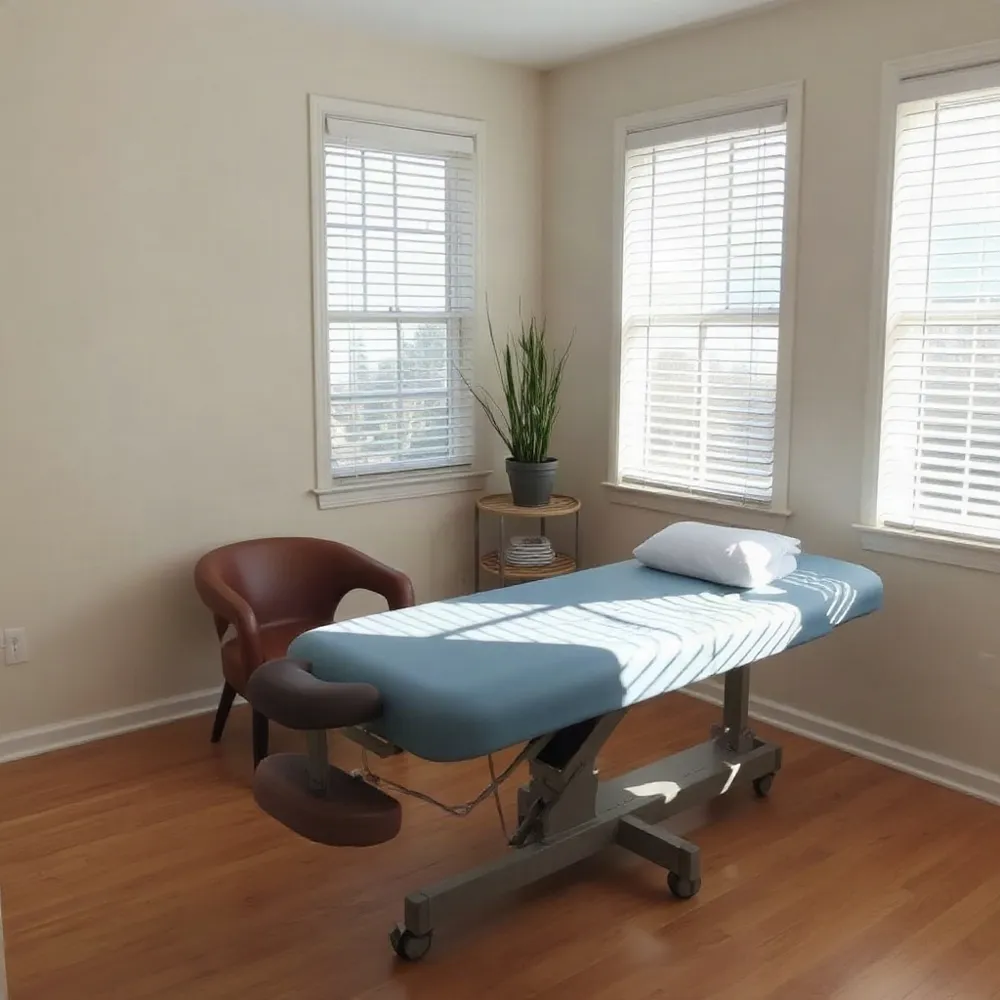
 Non-surgical spinal decompression utilizes a computer-controlled, motorized traction table to apply gentle, intermittent stretching forces to the spine. Unlike traditional traction methods, these systems incorporate feedback technology to monitor muscle response, allowing for a more controlled application of force. This precise movement is designed to create negative intradiscal pressure within the affected segments, which acts as a vacuum to potentially assist in the retraction of bulging or herniated disc material according to the University of Utah.
By relieving pressure on compressed spinal nerves, this therapeutic approach aims to reduce pain associated with conditions such as sciatica or degenerative disc disease. Furthermore, the decompression effect encourages the influx of water, oxygen, and nutrient-rich fluids into the disc space. This circulation is essential for the natural healing process, as it helps nourish tissues and reduce inflammation at the site of the injury per 2022 research.
At glenwoodchiro.com, we emphasize that this therapy is most effective when integrated into a comprehensive, patient-centered care plan. While generic traction tables are used in various settings, our approach combines spinal decompression with targeted chiropractic adjustments and rehabilitative exercises to address the root causes of pain rather than merely managing symptoms. This multidimensional strategy ensures that the improvements in pressure and nutrient flow are supported by a stronger, more resilient musculoskeletal structure.
Evaluating Benefits and Considerations of Decompression Therapy
 When comparing care options, patients often prioritize non-invasive treatments to address disc-related pain. Spinal decompression therapy serves as a conservative alternative to invasive procedures like spinal fusion or discectomy, which often require extensive recovery periods and higher costs per the University of Utah. At glenwoodchiro.com, we pair this mechanical relief with a neurologically-based chiropractic approach to ensure patient outcomes are supported by both structural and functional improvements.
What are the common pros and cons of undergoing spinal decompression therapy?
This therapy works by creating negative intradiscal pressure, which research suggests may assist in the retraction of herniated material and improved nutrient exchange within the disc. Clinical evidence, such as findings published in the International Journal of Clinical Practice, highlights that patients can see measurable reductions in herniation volume and improved functional scores over several months. Unlike surgery, which permanently alters spinal anatomy, these sessions focus on supporting natural tissue repair.
Success with this method depends on realistic expectations. While some patients report relief early, most protocols require a consistent series of visits to achieve cumulative benefits. Practitioners at glenwoodchiro.com emphasize that individual plans are tailored based on comprehensive assessments rather than a one-size-fits-all approach. By avoiding the trauma of surgery, patients often maintain their ability to engage in daily routines throughout the recovery cycle.
| Category | Clinical Consideration | Notes |
|---|---|---|
| Non-invasive | Avoids surgery | Lowered risk profile |
| Treatment | Multiple sessions | Cumulative progress |
| Suitability | Screening required | Contraindicated for fractures |
Safety remains the foundation of any treatment plan. As noted by scientific literature, practitioners must screen candidates thoroughly to exclude those with conditions such as advanced osteoporosis, spinal fractures, or previous surgical hardware. At glenwoodchiro.com, we ensure that your medical history and current imaging align with safe clinical protocols, providing a secure path toward mobility restoration.
Clinical Success and Long-Term Outcomes
Reported success rates for non-surgical spinal decompression vary in clinical literature, with some studies documenting positive outcomes in 71% to 89% of patients seeking relief from chronic low back pain. These findings suggest that many individuals experience significant reductions in pain scores and improvements in mobility after completing a multi-week treatment protocol. Clinical research highlights that Nonsurgical Spinal Decompression Therapy can yield measurable physiological changes, such as a reduced herniation index, which correlates with better functional recovery compared to control groups.
At glenwoodchiro.com, practitioners emphasize a personalized approach that pairs these decompression sessions with targeted chiropractic adjustments and therapeutic exercises to improve overall spine stability. Unlike generalized traction, this multidisciplinary model aims to address the root cause of nerve interference, which helps extend the longevity of treatment results.
Regarding sustainability, some retrospective studies have noted that patients reported consistent relief and continued improvement of symptoms up to one year following their initial care. Because scientific evidence remains nuanced, results vary based on individual injury severity and patient compliance with rehabilitation protocols. Long-term success is most effectively supported when decompression is integrated into a holistic health plan, including necessary ergonomic lifestyle adjustments.
Safety and the Role of Professional Oversight
The distinction between simple movement and clinical intervention is vital for spinal safety. While gentle stretches like cat-cow or child's pose can help mobilize the spine at home, these movements do not provide the therapeutic negative pressure of clinical spinal decompression therapy. Professional care at glenwoodchiro.com utilizes specialized, computer-controlled equipment to ensure force is precisely applied to the affected vertebral level.
Is it safe to attempt spinal decompression exercises at home?
Attempting traction using consumer-grade inversion tables or unmonitored devices introduces significant risks, particularly for those with underlying conditions like spinal stenosis, heart concerns, or prior surgical implants. A 2007 review highlighted that even clinical non-surgical spinal decompression requires careful oversight to avoid potential adverse events like disc protrusion progression. At glenwoodchiro.com, every session is preceded by a thorough diagnostic evaluation to confirm that treatment is appropriate for your specific health profile. Relying on professional oversight ensures your recovery plan remains evidence-based and personalized, protecting you from the complications often associated with self-managed spinal traction.
The Journey Toward Functional Recovery
Recovery from a disc injury is rarely a linear event. It requires patience and a commitment to a structured stepped approach that transitions the spine from a state of acute irritation to long-term functional stability. While many patients seek immediate relief, the true goal of spinal decompression therapy involves creating the physiological conditions necessary for tissue repair.
Does a bulging disc ever fully heal?
With appropriate conservative care and time, the symptoms of a bulging disc can resolve completely. While the physical structure of the disc may not look exactly as it did before the injury, most patients can return to normal, pain-free function. Clinical evidence shows that nonsurgical spinal decompression helps create negative pressure, which facilitates the retraction of disc material and promotes the influx of nutrients needed for natural regeneration. Unlike the risks associated with surgical procedures like a discectomy, this conservative path avoids lengthy recovery times.
At glenwoodchiro.com, we emphasize that healing extends beyond symptom management. By pairing decompression with targeted chiropractic adjustments and therapeutic exercise, we address the root cause of nerve interference. This multidisciplinary approach is essential because passive treatment alone often lacks the capacity to restore full range of motion. Consistent engagement with a personalized rehabilitation plan ensures that once pain subsides, the spine remains resilient against future injury.
Prioritizing Your Long-Term Spinal Health
Achieving lasting relief from disc-related pain requires more than just temporary symptom management. A comprehensive approach focuses on restoring function through evidence-based methods that address the structural and neurological roots of discomfort. Professional oversight ensures that treatment protocols, such as spinal decompression, are tailored to the specific biomechanical needs of the individual, rather than relying on one-size-fits-all interventions.
At glenwoodchiro.com, we prioritize a proactive stance on musculoskeletal health by combining precise diagnostics with targeted therapy. Unlike generalized traction that may fail to account for muscle guarding, our approach integrates specialized care to create the negative intradiscal pressure necessary for natural healing. This clinical rigor contrasts with passive options that offer limited objective improvement, providing a more reliable path toward reclaiming your mobility.
Recovery is an active partnership between the patient and the clinician. By maintaining a commitment to regular, supervised care, patients can significantly improve their functional outcomes and long-term health. We invite you to explore the lasting benefits of a personalized spinal decompression plan, ensuring your spine receives the structured support required for a healthy, active future.