Why Conservative Care Matters
Sciatica is a radiating pain syndrome caused by compression or irritation of the sciatic nerve—most often from a herniated lumbar disc, spinal stenosis, piriformis tightness, or degenerative changes. Non‑surgical, or conservative, strategies target the underlying inflammation and mechanical irritation without the risks of surgery. Evidence‑based approaches such as gentle stretching (cat‑cow, piriformis and and figure‑four), low‑impact aerobic activity (walking, swimming), heat/cold therapy, NSAIDs, and manual therapies—including chiropractic spinal adjustments, therapeutic massage, and acupuncture—provide rapid symptom relief and improve nerve mobility. This guide will walk readers through the science‑backed steps of a patient‑centered plan: how to assess symptoms, implement home‑based exercises and temperature modalities, integrate professional care (chiropractic, physical therapy, injections when needed), and set realistic expectations for recovery within weeks to months. By embracing conservative care, most patients experience meaningful pain reduction, restored function, and a lower likelihood of needing invasive procedures.
Understanding Sciatica and When to Seek Care
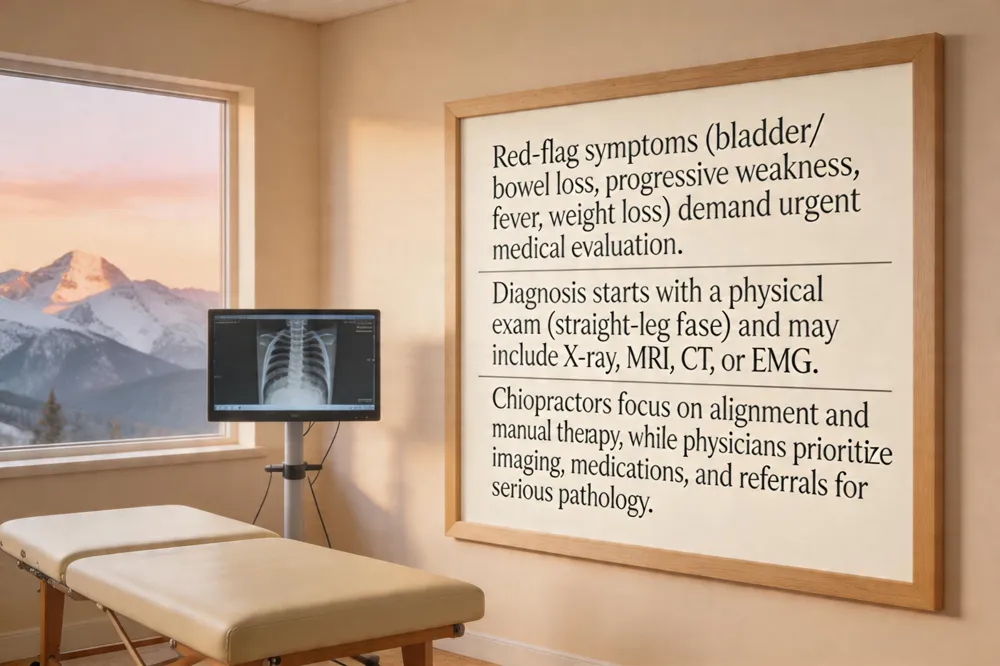
Typical diagnostic tools begin with a physical exam that may feature the Straight‑leg raise test reproduces pain for diagnosis, followed by imaging studies such as X‑ray, MRI, or CT when symptoms are severe or persistent. Electromyography (EMG) can assess the electrical activity of muscles and help confirm the severity of nerve root injury.
A chiropractor and a medical doctor approach sciatica differently. Chiropractors focus on spinal alignment, manual adjustments, and therapeutic exercises to relieve nerve compression without medication or surgery. Physicians prioritize ruling out serious pathology with imaging, prescribing anti‑inflammatory drugs, and, when needed, performing injections or referring for surgery.
Should I go to a doctor or chiropractor for sciatica? For most routine cases, a chiropractor can safely address spinal misalignments that irritate the sciatic nerve, offering pain relief and restored mobility without drugs or invasive procedures. If red‑flag symptoms appear—bladder/bowel dysfunction, severe weakness, fever, or worsening pain—seek a medical doctor immediately for urgent evaluation, possible imaging, and specialist referral. Once serious conditions are excluded, chiropractic care provides a non‑invasive, hands‑on option that includes adjustments, targeted stretches, and modalities to reduce inflammation and support healing.
Non‑Surgical Treatment Landscape: Best Options for Back Pain
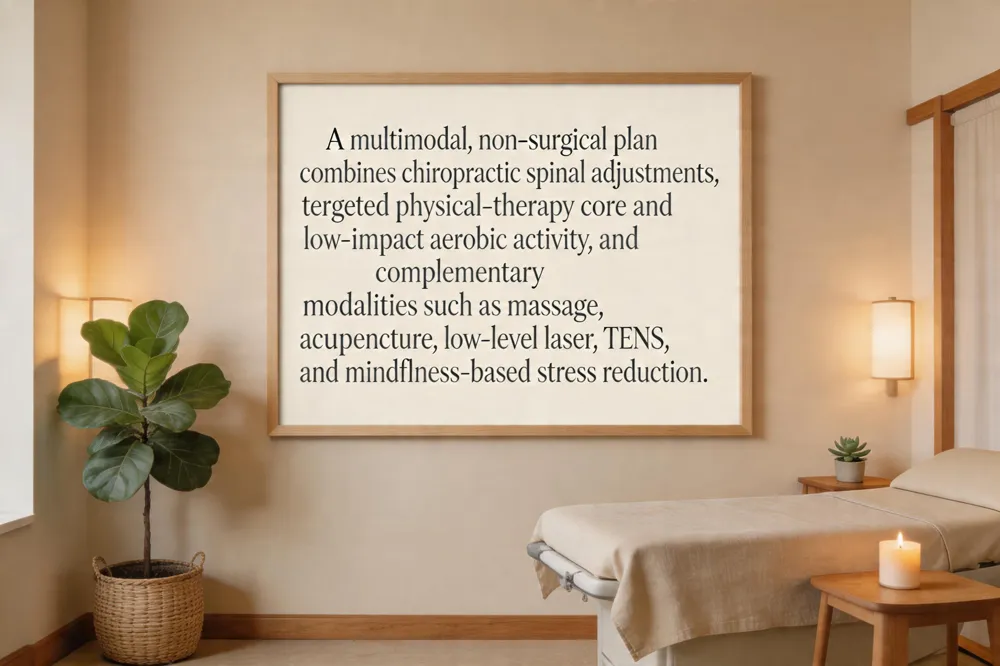 The most effective non‑surgical treatment for back pain is a multimodal program that blends spinal‑focused care with active rehabilitation. Chiropractic spinal adjustments realign vertebrae, relieve joint irritation, and reduce pressure on the sciatic nerve, while a tailored physical‑therapy regimen adds core‑strengthening exercises (bird‑dog, planks, pelvic tilts) and low‑impact aerobic activity (walking, swimming, stationary cycling) to improve spinal stability and circulation. Complementary therapies enhance these benefits: therapeutic massage or self‑massage tools relax gluteal and lumbar muscles; acupuncture stimulates endorphin release and may modulate pain signals; low‑level laser and TENS provide localized anti‑inflammatory and analgesic effects. Mind‑body practices such as mindfulness, meditation, or gentle yoga further address stress‑related muscle guarding. Together, these evidence‑based strategies target the root causes of pain, promote flexibility, and support lasting relief without surgery, aligning with holistic, patient‑centered care recommendations.
Finding a Chiropractor for Sciatica Near You
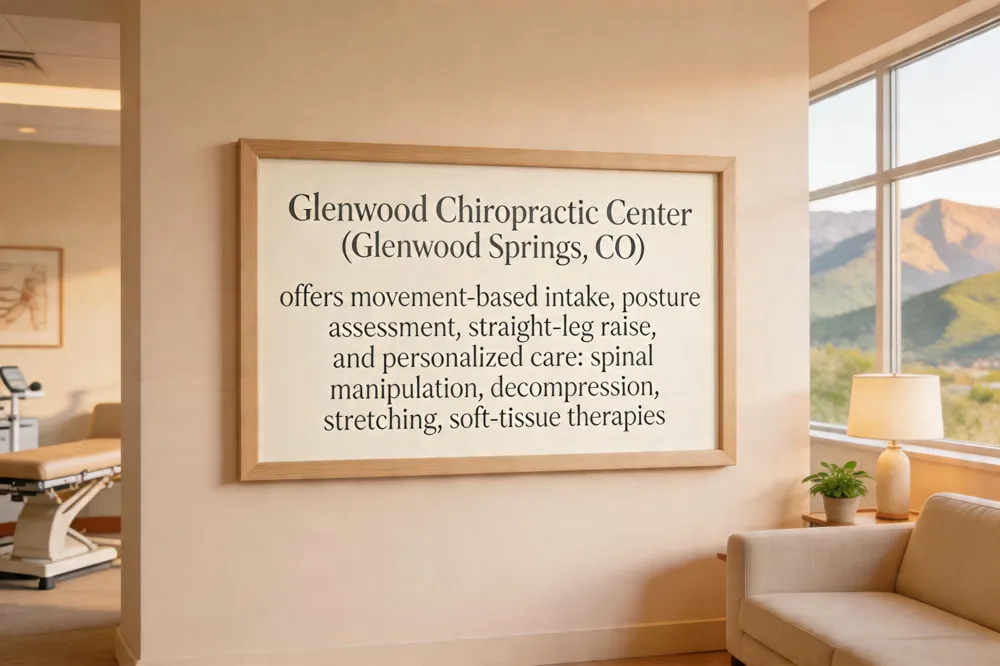 If you’re searching for a chiropractor for sciatica near you, the Glenwood Chiropractic Center in Glenwood Springs, Colorado, offers a convenient, evidence‑based option. The first visit begins with a comprehensive movement‑based evaluation that includes posture assessment, range‑of‑motion testing, muscle‑strength checks, and orthopedic maneuvers such as the straight‑leg raise to pinpoint nerve irritation. After this examination, the clinician designs a personalized care plan that typically combines spinal adjustments, targeted soft‑tissue work, and therapeutic exercises.
Key techniques used for sciatica relief at the center include:
- Spinal manipulation – precise adjustments restore vertebral alignment and reduce pressure on the sciatic nerve root.
- Spinal decompression – a low‑impact, motor‑driven stretch gently separates vertebral bodies, creating space for herniated disc material to retract.
- Piriformis and hamstring stretching – guided cat‑cow, bridge, and figure‑four stretches mobilize the nerve and release muscle tension.
- Soft‑tissue therapies – massage, myofascial release, and trigger‑point treatment relax gluteal and lumbar muscles that may be pinching the nerve.
Patients also receive home‑exercise instructions, posture coaching, and ergonomic advice to support long‑term recovery. Call (970) 945‑8466 or book online to start a personalized sciatica care program today.
Miracle Exercise and Other Relief Movements
 The "miracle" move for sciatica is the Figure‑4 stretch. Lie on your back, bend both knees, cross one ankle over the opposite thigh, and gently pull the uncrossed knee toward your chest. Hold for 2–3 minutes, then switch sides. This external hip rotation eases piriformis tension and unloads the sciatic nerve.
A short daily routine builds on this by adding a standing hamstring stretch, a seated spinal twist, and a few minutes of cat‑cow mobilizations. Begin with a knee‑to‑chest stretch (30 seconds each side), follow with a seated piriformis stretch, then perform cat‑cow for 1 minute, and finish with a gentle hamstring stretch. The sequence improves flexibility, spinal fluid flow and core stability, helping prevent nerve irritation.
Immediate at‑home relief combines temperature therapy and movement. Apply an ice pack for 15 minutes, then a heat pad for another 15 minutes. Follow with the knee‑to‑chest stretch and a short 10‑minute walk to keep muscles active. Over‑the‑counter NSAIDs can be used as directed. Consistent practice, paired with regular chiropractic adjustments, maximizes long‑term sciatica recovery.
Safety, Risks, and What Happens If Treatment Goes Wrong
 Extensive research shows that chiropractic care is a safe, first‑line option for most adults with sciatica. Large cohort studies report only rare adverse events when adjustments are performed by a licensed clinician who follows a thorough intake and red‑flag screening. Typical contraindications include severe osteoporosis, recent vertebral fracture, uncontrolled infection, active cancer, or cauda‑eina syndrome—conditions that require immediate medical referral rather than manipulation.
During the initial visit the chiropractor conducts a detailed history, physical exam (including straight‑leg raise and reflex testing), and, when needed, imaging to rule out these red flags. If a patient experiences an unexpected pain spike after an adjustment, the practitioner will pause the session, assess for increased inflammation or irritation, and may employ gentler modalities such as ice, heat, targeted soft‑tissue work, or nerve‑gliding stretches. Persistent worsening pain prompts a reassessment of the diagnosis and a prompt referral to a physician for imaging or alternative interventions.
Overall, when proper screening and individualized treatment planning are applied, chiropractic offers a low‑risk, drug‑free pathway to sciatica relief, with serious complications being exceedingly uncommon.
Natural Remedies and Lifestyle Hacks
 A comprehensive, drug‑free plan for sciatica begins with an anti‑inflammatory diet that targets the body’s own pain pathways. Foods rich in omega‑3 fatty acids—salmon, sardines, flaxseed, walnuts—along with colorful fruits and vegetables supply antioxidants that dampen inflammation. Supplements such as turmeric (curcumin), ginger, and boswellia have demonstrated modest analgesic effects in clinical studies and can be taken as capsules or teas. Herbal options extend to topical essential oils: a few drops of lavender, peppermint, or rosemary mixed with a carrier oil applied to the lower back or glutes produce a soothing, heat‑like sensation that may relax tight muscles and improve circulation.
Mind‑body practices further amplify chiropractic benefits. Gentle yoga sequences (cat‑cow pose, child’s pose, piriformis stretch) enhance spinal mobility while reducing muscular tension, and mindfulness meditation or guided breathing lowers stress‑induced muscle guarding. When combined with regular spinal adjustments that restore proper vertebral alignment, these natural strategies create a synergistic, patient‑centered approach that addresses both the mechanical and inflammatory components of sciatica without reliance on long‑term medication.
Typical Treatment Course and What to Expect
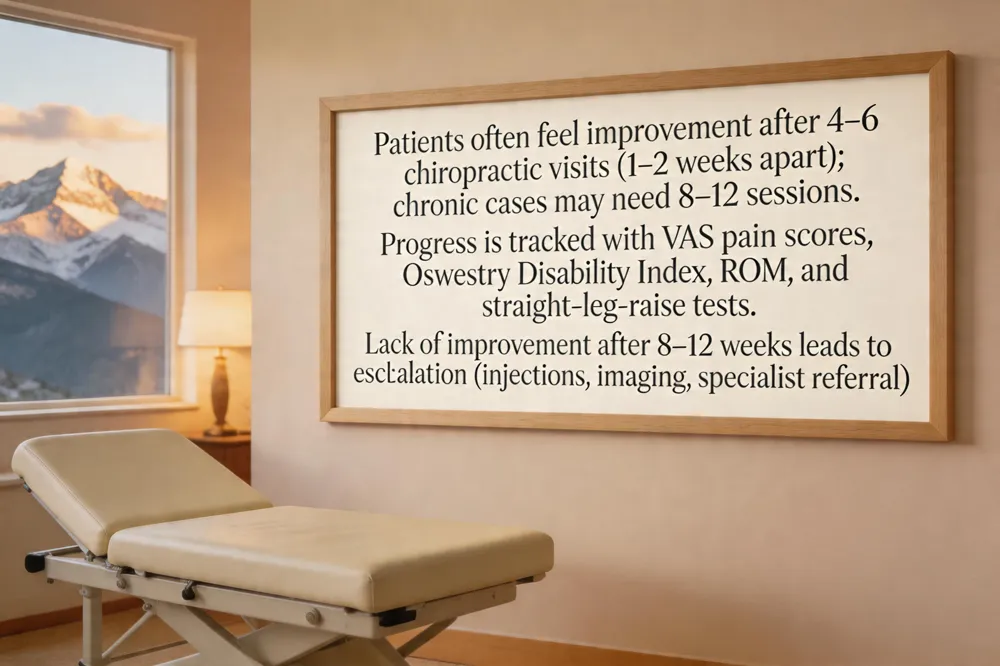 Most patients with sciatica begin to feel relief after 4‑6 chiropractic visits, each spaced 1‑2 weeks apart. chronic cases may require 8‑12 sessions as the clinician fine‑tunes adjustments, soft‑tissue work, and home‑exercise programs. Progress is tracked using pain‑rating scales (e.g., VAS), functional questionnaires such as the Oswestry Disability Index, and objective measures like range‑of‑motion and straight‑leg‑raise testing. When scores plateau or symptoms worsen, the chiropractor will modify the plan—adding targeted stretches, strengthening drills, or adjunctive modalities such as therapeutic ultrasound, acupuncture, or massage. If conservative care does not achieve meaningful improvement within 8‑12 weeks, or if red‑flag signs (progressive weakness, bowel/bladder changes) appear, additional interventions are considered. These may include referral for an epidural steroid injection, advanced imaging, or coordinated care with a physical therapist or pain specialist. The goal is to resolve nerve irritation while preserving spinal health, using the fewest invasive measures necessary.
Putting It All Together – Your Path to Pain‑Free Living
Conservative care for sciatica works best when it blends movement, temperature therapy, targeted stretching, and spinal alignment. Short walks or swimming keep circulation flowing, while 15‑20‑minute ice packs in the first two days cut inflammation and heat afterward relaxes muscles. Simple stretches such as cat‑cow, piriformis figure‑four, and knee‑to‑chest performed a few minutes each day decompress the nerve and improve flexibility. Chiropractic adjustments restore vertebral alignment, relieve pressure on the sciatic root, and support home exercises. Begin a program by consulting a qualified chiropractor who can tailor stretches, strength work, and ergonomics to your needs. Call Glenwood Chiropractic Center at (555) 123‑4567 to schedule your assessment and start your pain‑free journey.