
Exercise as Part of Symptom Management
Can exercise help when spinal disc changes are linked with pain or reduced mobility? For many people, appropriate movement can support strength, flexibility, and everyday function. A 2025 review of exercise-based rehabilitation for lumbar degenerative disc disease found improvements in pain and function across the studies it assessed, while noting that programs and results varied (systematic review of exercise-based rehabilitation).
Degenerative disc changes are common, but imaging findings do not necessarily explain a person’s symptoms. Exercise is best understood as a way to manage discomfort and maintain function, not as a means of restoring worn discs. The right approach depends on symptoms, mobility, health, and the spinal area affected.
General guidance can help readers understand possible options, but it is not a personal prescription. At Glenwood Chiropractic, care focuses on non-invasive musculoskeletal treatment, with chiropractic adjustments and therapies aimed at pain relief and mobility. A clinician can help determine whether an activity is suitable and how to adapt it; stop or modify movements that cause pain, as general exercise guidance for degenerative disc disease advises.
What Disc Changes Mean
 Degenerative disc disease is a term for age- or wear-related changes in the intervertebral discs, the cushions between the bones of the spine. These changes may occur in the neck, middle back, or lower back. The term does not, by itself, mean that a person has a disease causing pain or disability. For a plain-language explanation of what disc changes mean, see our related guide.
As a disc loses height or cushioning, the way it supports movement between the vertebrae may change. That finding on an image does not tell the whole story: some people have disc changes without symptoms, while others experience pain, stiffness, or limits on daily activities. Symptoms and function can also vary over time. An imaging label alone cannot show how much a person can move comfortably or what activities matter most to them.
There is no established, universal three-stage model in the supplied evidence that reliably maps disc changes to a specific treatment. Rather than assuming a person is in a fixed dysfunction, instability, or restabilization phase, care decisions should take account of symptoms, examination findings, health history, and functional goals.
Exercise research should also be interpreted in context. A 2025 systematic review of exercise-based rehabilitation for lumbar degenerative disc disease found that studied programs were generally associated with improvements in pain and function. The review focused on the lower back, and its varied study methods do not establish one routine for everyone or show that exercise reverses disc changes.
For someone considering activity or care, the practical question is how symptoms affect movement and daily life, not simply what an image calls the disc. A clinician can assess those factors and help set a plan that fits the person’s needs, including whether exercise should be adapted or supervised.
What Exercise Research Suggests
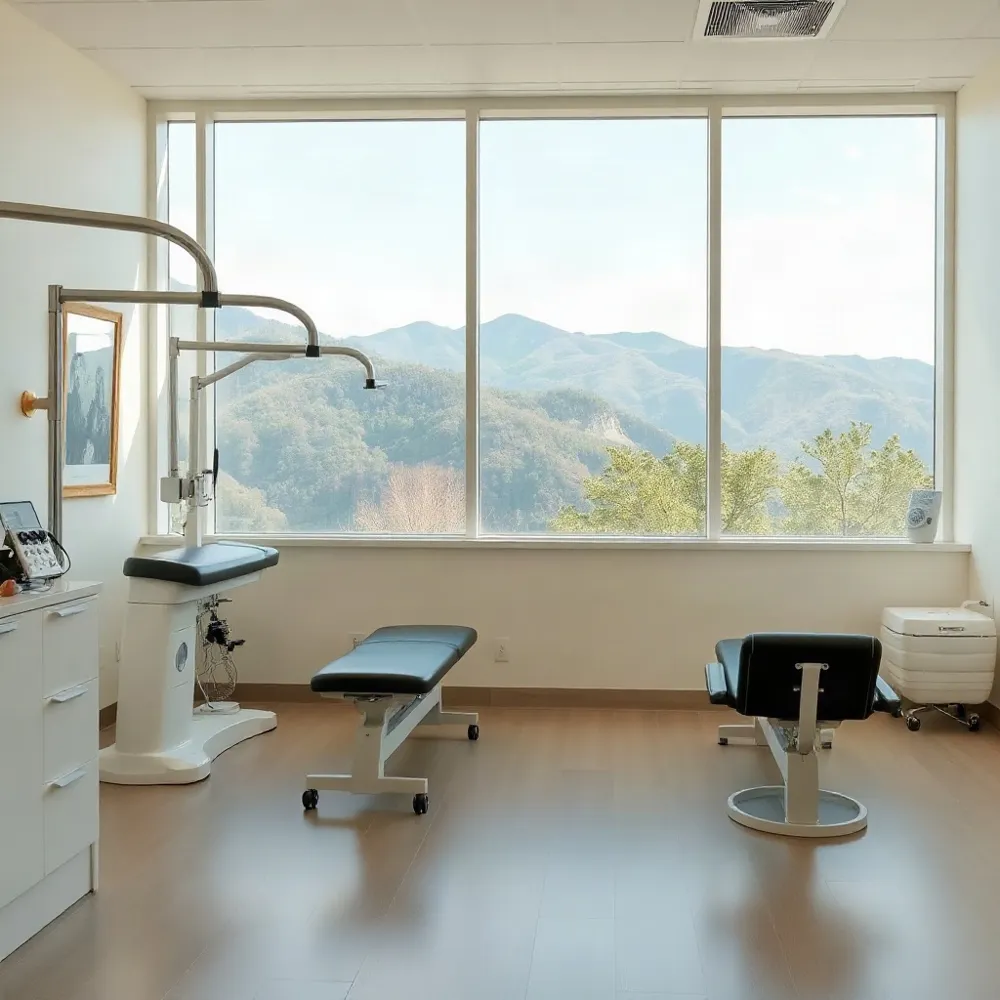 Evidence on exercise for degenerative disc disease is encouraging for symptom management, though it does not point to one routine that suits everyone. A 2025 systematic review of 20 studies on lumbar degenerative disc disease found that exercise-based rehabilitation generally improved pain and functional outcomes. The findings concern low-back conditions and should not automatically be applied to neck-related disc changes. The review supports discussing movement as part of care, not treating exercise as a cure.
Researchers examined several approaches, including core stability training, aquatic exercise, Pilates, suspension training, and yoga. These are options studied, not a ranking of treatments or a universal prescription. Water-based activity may suit some people because buoyancy reduces weight-bearing forces, while other patients may prefer land-based exercises or a method that fits their mobility, comfort, and goals.
The review found positive results across different forms of rehabilitation, but the programs and outcome measures varied. Because the studies were not sufficiently alike, the researchers did not combine results in a pooled meta-analysis. Many studies also had small samples, and long-term follow-up was limited. Taken together, the evidence supports short-term improvements in symptoms and function more clearly than it supports preventing future flare-ups or recurrence.
These limits matter when setting expectations. Exercise may help reduce discomfort and maintain or improve everyday function, but the review did not show that movement restores or repairs degenerated discs. A plan should be based on symptoms and physical capacity, rather than on the assumption that one research-tested approach is right for every person.
At glenwoodchiro.com, care focuses on non-invasive musculoskeletal treatment, including chiropractic adjustments and therapies intended to support pain relief and mobility. A clinician can help consider how exercise fits alongside other care and whether a person's symptoms call for movement modifications or further evaluation. The goal is a patient-centered plan that reflects what the individual can do comfortably, not a prescribed research protocol applied without adjustment.
For a closer look at rehabilitation and related nonsurgical options, see what exercise research suggests for rehabilitation. The available findings offer a reason to consider appropriate activity while keeping claims measured: benefits are possible, results vary, and exercise is one part of managing symptoms rather than a way to reverse disc changes.
Activities That Can Be Adapted
Yes, many people with degenerative disc changes can exercise. The goal is not to avoid movement or suddenly return to demanding workouts, but to find activity that feels manageable and build gradually. A 2025 systematic review of exercise-based rehabilitation found that exercise programs were generally associated with less pain and better function in people with lumbar disc degeneration, while also noting that programs and results varied.
Walking, swimming, and stationary cycling are low-impact options that some people find easier to tolerate. Walking can be adjusted by changing pace, route, or duration. Water-based activity may make movement more comfortable for some people because buoyancy reduces the load of supporting body weight. Stationary cycling can also offer a controlled way to move without the repeated impact of running.
For cycling, one educational source suggests starting with about 10 minutes two or three times a week, then adjusting according to symptoms and a clinician’s advice. This is an example, not a prescription. Shorter sessions or a different activity may be more appropriate if symptoms flare, and a healthcare professional can help determine what level is suitable.
Gentle movement and muscle-control exercises may also be considered. Cat-cow alternates between gently rounding and extending the back, from hands and knees or in a seated position. Lower-trunk rotations involve moving bent knees a small distance from side to side while lying on the back. Both should be done slowly and only through a comfortable range.
Bird dog works on trunk control: from hands and knees, extend one arm and the opposite leg while keeping the spine steady, then switch sides. A pelvic tilt is a small movement performed on the back with knees bent, gently engaging the abdomen and tilting the pelvis. The aim is controlled movement, not a large range or a strenuous effort.
Supported stretches may suit some people, too. A hamstring stretch can be performed seated with one leg resting on a chair, while a knee-to-chest stretch involves bringing one knee gently toward the chest while lying on the back. Neither is a universal choice: adjust the position and range to your comfort, and stop if pain increases. General exercise guidance likewise advises starting slowly and keeping movements within comfortable limits.
An exercise that feels fine for one person may be uncomfortable or unsuitable for another, particularly when symptoms, mobility, or the affected spinal area differ. At glenwoodchiro.com, chiropractic care is part of non-invasive musculoskeletal treatment focused on pain relief and mobility restoration; an assessment can help put movement choices in the context of a person’s symptoms and goals. A physical therapist or other qualified clinician can also recommend how to progress strengthening and mobility work, monitor form, and adapt the plan as ability changes.
Movements That May Need Modification
There is no universal list of exercises that everyone with degenerative disc changes must avoid. How a movement feels, and whether symptoms settle or worsen afterward, can help guide activity choices. A 2025 review of rehabilitation for lumbar disc degeneration found benefits across several exercise approaches, while noting that programs should be tailored to the individual (systematic review of exercise-based rehabilitation).
Some people find that high-impact activity, such as repeated jumping or running, heavy lifting, or repeated and forceful bending or twisting aggravates back pain. These activities are not automatically off-limits. At Glenwood Springs, Glenwoodchiro.com’s non-invasive musculoskeletal care includes chiropractic adjustments and therapies focused on pain relief and mobility, where a clinician can discuss how activity choices fit a person’s symptoms and goals.
What exercises or activities should be modified or avoided with degenerative disc disease?
Consider modifying or pausing an activity if it reliably increases pain, causes symptoms to spread, or leaves you feeling worse afterward. Options may include using a lighter load, reducing the range of motion, moving more slowly, or changing technique. Repeated bending and twisting may also need adjustment when they provoke symptoms. The right modification depends on the person and the activity, rather than on a blanket prohibition. Guidance on exercises to modify with degenerative disc disease likewise emphasizes individual symptoms and abilities.
Before exercise, warm up and use controlled movements. Stay within a comfortable or clinician-prescribed range, and do not push through pain. If a movement causes pain, stop or change it rather than forcing a deeper stretch or completing more repetitions. New numbness or weakness, worsening pain, or symptoms that spread should be discussed with a healthcare professional.
General cautions do not determine whether a particular person can return to running, lifting, or another preferred activity. A clinician can help assess the response to movement and advise whether to pause, modify, or gradually resume it. At Glenwoodchiro.com, chiropractic adjustments and complementary therapies are part of non-invasive care aimed at restoring mobility and relieving pain; an individualized discussion can help place exercise modifications in that broader context.
How Rehabilitation Can Help

How can physical therapy and chiropractic care support someone with degenerative disc disease?
Rehabilitation can help connect exercise to the movements that matter in daily life, such as walking, bending, or getting up from a chair. A physical therapist can assess symptoms, mobility, strength, and movement patterns, then adapt exercises and movement strategies to the person’s needs. The aim is to support function and confidence with activity, not to force progress through pain.
Research on lumbar degenerative disc disease has examined several rehabilitation approaches, including core-stability training and aquatic exercise. A recent systematic review found that exercise-based rehabilitation was generally associated with better pain and functional outcomes, but the programs and results varied, and the evidence does not identify one approach as right for everyone. Water-based activity may make movement more manageable for some people, while core exercises can be adjusted to a person’s ability and tolerance. A clinician can help decide whether either option fits an individual plan. The review of exercise-based rehabilitation also notes limits in the available evidence, including varied study methods and a lack of long-term follow-up.
Chiropractic care may also be considered as part of conservative, non-invasive symptom management. At glenwoodchiro.com, care focuses on chiropractic adjustments and therapies for pain relief and mobility restoration. Following an assessment, a practitioner can discuss whether an approach such as gentle mobilization or soft-tissue therapy is appropriate, alongside exercise and self-management. Treatment should be guided by how symptoms respond, rather than by a fixed routine.
Physical therapy and chiropractic care may be coordinated with one another or with other healthcare professionals when that best fits a person’s needs. The clinic’s discussion of rehabilitation for strength and mobility describes how tailored movement and strengthening can support function. Coordination can also help keep activity recommendations consistent, especially when symptoms affect more than one area or daily tasks remain difficult.
Neither rehabilitation nor chiropractic care reverses disc changes, and results vary. The goal is to address symptoms and support mobility and participation in everyday activities. If a movement causes pain, a clinician can help adjust its range, intensity, or form rather than assuming the same exercise is suitable for everyone.
Before starting a new exercise or care program, seek an individualized assessment and discuss relevant health concerns with a healthcare professional. New or worsening symptoms, including weakness, numbness, or changes in bladder or bowel control, should be assessed promptly instead of managed through self-directed exercise.
Daily Habits That Support Movement
Everyday routines can influence how manageable movement feels, even though they cannot reverse disc changes. For people with degenerative disc disease, regular activity that stays within a comfortable range may help maintain mobility; the right amount depends on symptoms and current ability.
Rather than making a large jump in exercise, begin at a manageable level and build gradually if symptoms remain steady. Walking, gentle stretching, or another familiar activity may be a starting point, but there is no single routine that suits everyone. Guidance on gradual, tolerable activity can help frame progression around a person’s response, not a fixed schedule.
A 2025 review of exercise-based rehabilitation for lumbar degenerative disc disease found improvements in pain and function across varied approaches, while noting differences in study methods and limited long-term evidence. Its findings support individualized activity, not a guarantee that a particular exercise will help every person or repair a disc. At Glenwoodchiro.com, non-invasive musculoskeletal care can include chiropractic adjustments and therapies aimed at pain relief and mobility restoration, with care shaped around the person’s presentation.
What lifestyle changes may help manage symptoms of degenerative disc disease?
Breaking up long periods of sitting can reduce the time spent in one position. Stand, take a short walk, or change posture when practical, and choose seating that feels supportive rather than forcing a rigid posture. Keep screens near eye level when possible, and adjust the chair and work surface so you can sit comfortably without leaning forward for long stretches.
When handling a load, bring it close to your body and turn by moving your feet instead of twisting at the waist. Reduce the load, use a cart, or ask for help if an object is difficult to carry. These practical adjustments may limit unnecessary strain, but they should not be treated as a way to prevent every flare or stop disc degeneration.
If excess weight is a concern, gradual weight management may be worth discussing with a healthcare professional. Individual circumstances matter, and weight alone does not explain why someone has disc changes or pain. A clinician can help set realistic goals while considering other health needs and activity tolerance.
Lifestyle measures work best as supportive parts of a broader plan, not as cures. Track which routines seem comfortable and which tend to aggravate symptoms, then discuss persistent or worsening problems with a qualified professional. Glenwoodchiro.com’s patient-centered approach to non-invasive care can place movement habits alongside assessment and treatment choices, rather than treating any single habit as a stand-alone solution.
Choosing Care for Your Symptoms
Care for degenerative disc disease is guided less by an imaging result alone than by how you feel and what you want to do. Disc changes do not always cause pain, and the same scan finding can affect people differently. A clinician can consider your symptoms, overall health, and daily activities when discussing options.
What treatments can help relieve pain from degenerative disc disease?
Conservative care may include staying active, guided exercise or physical therapy, and pain-relief medication when appropriate. The choice depends on your symptoms and functional goals, and a clinician can help weigh potential benefits and risks. Rehabilitation plans often combine strengthening, mobility work, and practical movement advice rather than relying on one exercise or treatment alone.
A 2025 systematic review of exercise-based rehabilitation for lumbar degenerative disc disease found that the approaches studied were generally associated with reduced pain and better function, though programs and results varied. The review supports individualized rehabilitation, not a single routine for everyone. Glenwood Springs care at glenwoodchiro.com focuses on non-invasive musculoskeletal treatment, including chiropractic adjustments and therapies intended to support pain relief and mobility; an assessment can help determine whether chiropractic care fits within a broader conservative plan. Benefits vary, and chiropractic treatment does not restore worn discs to their original condition. Read the systematic review of exercise-based rehabilitation.
Medication may be one option for symptom relief, but the right choice depends on your health history and other medicines. Discuss its use with a healthcare professional rather than starting or changing treatment based only on an imaging report. If pain or reduced mobility is interfering with daily life, an assessment can help clarify suitable next steps. New bowel or bladder problems, numbness around the groin or inner thighs, or worsening weakness require urgent medical evaluation.
Can degenerative disc disease be cured?
Treatment generally cannot reverse disc wear or return a disc to its original condition. That does not mean symptoms are fixed: disc changes may be painless, and an individualized plan can help some people manage discomfort and maintain or improve mobility. Outcomes differ, so care should be reviewed in light of changes in symptoms and function.
Seek clinical advice if pain worsens, numbness or weakness develops, or everyday tasks become harder. A clinician can assess the whole picture and help distinguish routine symptom management from concerns that need prompt attention. For more on how non-surgical care may focus on symptom management rather than reversing disc changes, see guidance on managing degenerative disc disease without surgery.
A Personal Plan for Staying Active
Exercise can help manage symptoms and support everyday function, but it does not cure disc degeneration. There is no single routine that suits everyone, so a useful plan begins with movements that feel manageable and can be adjusted as your needs change.
Start gently, then pay attention to how you feel during activity and afterward. If a movement causes pain or symptoms worsen, stop or reduce the effort rather than pushing through. Keep track of which activities feel comfortable and what tasks you hope to make easier. This information can help a healthcare professional guide your exercise choices and progression.
An individualized assessment can connect movement recommendations to your symptoms, mobility, and daily goals. At Glenwoodchiro.com, care includes non-invasive chiropractic adjustments and therapies aimed at pain relief and restoring mobility. A clinician can help determine whether these approaches, alongside suitable activity, fit your situation.
Seek prompt medical evaluation for new bowel or bladder problems, numbness in the groin or inner thighs, worsening weakness, or other serious or rapidly worsening symptoms. These changes should not be managed by continuing a home exercise routine. For less urgent but persistent discomfort, ask a qualified healthcare professional for guidance before making major changes to your activity. A plan that respects your symptoms can help you remain engaged in daily life while keeping safety in view.