
Exploring Conservative Care for Back Pain and Mobility
Modern musculoskeletal care is increasingly prioritizing non-invasive strategies to address chronic discomfort and restore function. Rather than immediate surgical intervention, practitioners often utilize a stepped approach, starting with the least invasive methods to stabilize spinal health and resolve pain. At glenwoodchiro.com, patients receive personalized treatment plans that combine spinal decompression and targeted chiropractic adjustments to alleviate pressure on nerves and spinal discs.
This commitment to conservative management is supported by clinical guidelines, which emphasize that surgical procedures like laminectomy or fusion should typically be considered only after nonsurgical interventions have failed. A comprehensive, patient-centered approach ensures that lifestyle factors, movement patterns, and rehabilitation needs are integrated alongside therapy. As noted by the Cleveland Clinic, these conservative alternatives offer a way to manage pain while minimizing the risks associated with anesthesia, infection, or prolonged surgical recovery.
Defining Differences Between Non-Surgical Decompression and Surgery
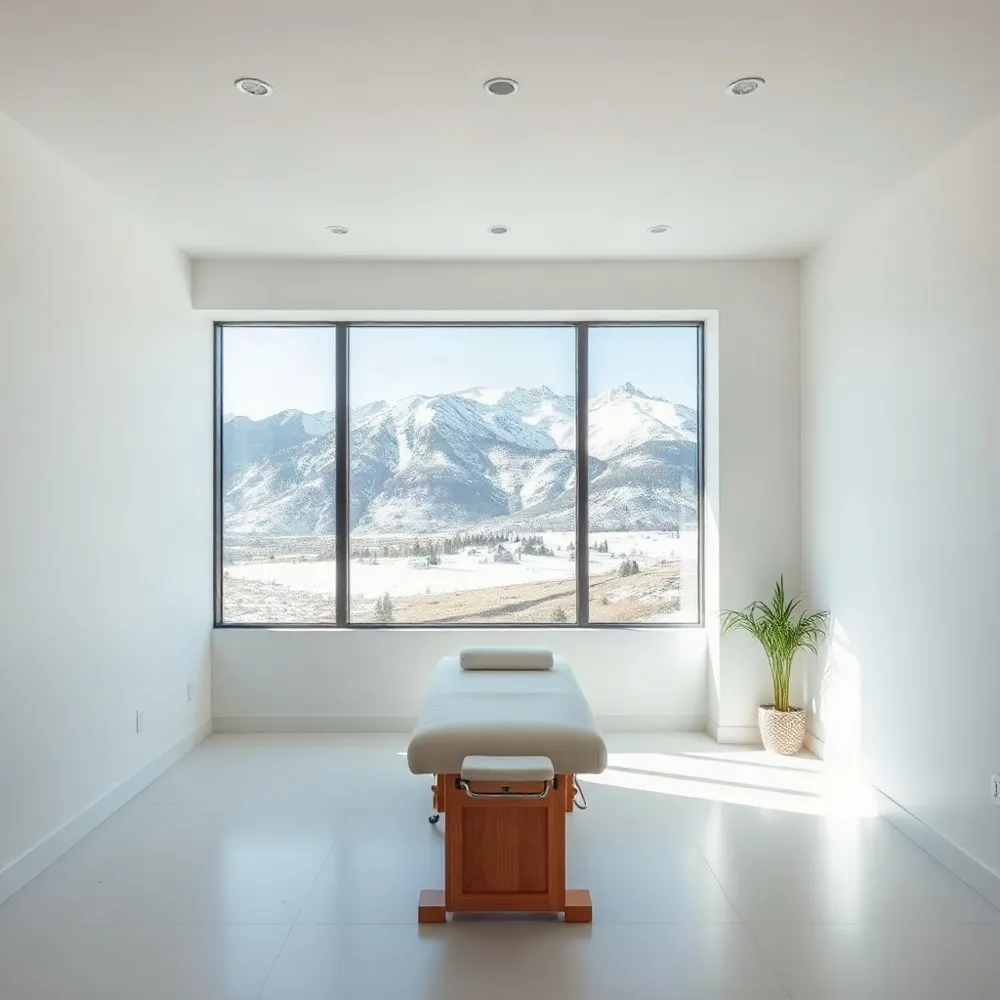 Understanding the distinction between non-surgical spinal decompression therapy and clinical surgery is fundamental to selecting an appropriate path for back pain management. Non-surgical decompression is a conservative, non-invasive method that uses a specialized table to gently stretch the spine and create negative pressure within spinal discs. This approach aims to reduce nerve irritation and facilitate healing without the risks associated with anesthesia, incisions, or hospital stays.
In contrast, spinal decompression surgery is an invasive medical intervention utilized for severe conditions such as structural instability or significant neurological impairment. Common surgical techniques include a discectomy, which involves removing part of a herniated disc, and spinal fusion, a process where vertebrae are permanently connected using bone grafts or hardware to stabilize the spine.
| Feature | Non-Surgical Therapy | Surgical Intervention |
|---|---|---|
| Invasiveness | Non-invasive | Invasive |
| Downtime | Minimal to none | Weeks to months |
| Primary Goal | Pain relief/healing | Structural stabilization |
Recovery timelines highlight the shift from conservative care to surgical necessity. Many patients pursuing non-invasive care at glenwoodchiro.com return to their daily routines immediately, as the therapy avoids the physical trauma inherent in operating rooms. Conversely, surgery frequently demands an extensive recovery period, often ranging from two weeks to several months depending on whether the procedure involves a simple decompression or a complex fusion. Clinicians typically adopt a stepped approach, reserving surgical consultations for when conservative, non-invasive strategies like those offered at glenwoodchiro.com fail to provide lasting relief.
Identifying Your Candidacy for Spinal Decompression Therapy
 Determining if you are a suitable candidate for spinal decompression therapy requires a clear understanding of the mechanical nature of your symptoms. This non-invasive, drug-free approach is primarily designed for individuals dealing with chronic issues like herniated or bulging discs, degenerative disc disease, sciatica, and spinal stenosis.
How do I know if I am a candidate for spinal decompression therapy?
You may be a candidate for spinal decompression therapy if you suffer from chronic back pain caused by conditions such as herniated or bulging disks, degenerative disk disease, sciatica, or spinal stenosis. These conditions often lead to nerve compression, which manifests as persistent pain, tingling, numbness, or heaviness in the extremities. Because spinal decompression aims to relieve pressure on your spinal nerves, it is frequently considered when conservative home-care measures for musculoskeletal pain have not provided adequate relief. To determine your candidacy, a professional clinical evaluation is essential to assess your specific symptoms and medical history. We prioritize a patient-centered approach to ensure that non-invasive therapies are appropriately tailored to your unique mobility needs and pain management goals.
Recognizing specific warning signs is critical when navigating your options. If you experience radiating limb pain, persistent numbness, muscle weakness, or changes in gait, these may be indicators of nerve-related complications that demand clinical attention. While some patients consider spinal decompression therapy as an alternative to surgical paths, it is vital to remember that professional diagnostic tools such as MRI or CT imaging are often required to confirm structural stability. Seeking a thorough evaluation ensures that your care plan aligns with your specific physiological requirements rather than broad assumptions.
Contraindications and When Therapy is Not Recommended
 Safety is the foundational principle of any clinical approach at glenwoodchiro.com, where practitioners prioritize a thorough evaluation to ensure that spinal decompression therapy is an appropriate intervention for your unique health profile. Because the treatment involves mechanical force to stretch the spine, certain systemic or structural conditions create risks that make non-surgical traction unsuitable.
When is spinal decompression therapy not recommended?
Spinal decompression therapy is generally contraindicated for individuals with conditions that compromise the structural integrity of the spinal column. This includes patients with advanced osteoporosis, bone fractures, spinal tumors, or active infections. Furthermore, those who have undergone previous spinal fusion surgery or possess surgical hardware such as metal plates, screws, or artificial discs should avoid this therapy, as the applied tension may cause instability or damage to the surgical site.
Beyond structural concerns, systemic health factors also influence candidacy. The physical nature of the treatment is unsafe for pregnant patients and those diagnosed with an abdominal aortic aneurysm. Other disqualifying factors include severe spondylolisthesis, ankylosing spondylitis, or the long-term use of blood-thinning medications that could increase the risk of internal complications during stretching. As noted in research regarding safety profiles and contraindications, patients who experience any increase in pain or neurological symptoms during a session must discontinue treatment immediately. At glenwoodchiro.com, our commitment to holistic care ensures that if decompression is not the safest path for your recovery, we identify alternative conservative methods to address your mobility and nerve pain.
Scientific Evidence and Clinical Success Rates
Evaluating the clinical efficacy of non-surgical spinal decompression therapy requires a nuanced view of available data. While some pilot studies and retrospective reports suggest success rates between 71% and 89% for patients with chronic lumbar disc issues, clinical literature often emphasizes the necessity for more rigorous, high-quality, randomized controlled trials. As noted in a 2007 NIH assessment, many existing studies lack the methodological depth of independent, large-scale research.
What is the evidence-based efficacy and success rate of non-surgical spinal decompression?
Current evidence remains a mix of cautious observation and clinical optimism. Research frequently highlights significant discrepancies between manufacturer marketing claims and independent verification. At glenwoodchiro.com, we emphasize that spinal decompression is most effective when utilized as part of a comprehensive, patient-centered approach rather than a standalone solution. This includes integrating core strengthening, postural adjustments, and rehabilitative exercises to address the root causes of musculoskeletal discomfort.
Patients should approach this therapy as one option within a broader, evidence-based care plan. Because many back pain cases resolve through natural healing over time, distinguishing treatment impact from natural recovery is vital. We recommend discussing your specific clinical profile with our practitioners to determine if this therapy aligns with established standards of care and your unique health goals.
Understanding Mechanics and Financial Considerations
The mechanical efficacy of spinal decompression therapy relies on the use of specialized tables that deliver targeted, motorized traction. Unlike basic manual traction, these tables employ computer-modulated sensors to apply precise, variable tension to specific vertebral levels. By gently stretching the spine, the equipment creates negative intradiscal pressure, which facilitates the retraction of bulging or herniated disc material and encourages the inward flow of oxygen, nutrients, and fluids necessary for natural tissue healing.
How does specialized spinal decompression equipment function to aid in patient recovery?
When the spine undergoes this controlled expansion, it reduces nerve root compression and calms the irritation associated with conditions like sciatica and degenerative disc disease. At glenwoodchiro.com, this spinal decompression therapy is often integrated into a comprehensive non-surgical plan to help patients restore function and mobility without the risks of infection or lengthy downtime inherent in surgical interventions.
What is the typical cost of non-surgical spinal decompression sessions, and is it generally covered by insurance?
Investment for these treatment programs varies based on the severity of the injury and the length of the care plan, typically ranging from $30 to $250 per session. As many insurance providers currently label this treatment as experimental or investigational, coverage is often limited or unavailable. To manage these expenses, many patients opt to utilize Health Savings Accounts (HSA) or Flexible Spending Accounts (FSA) to fund their care. For those seeking a predictable path to recovery, discussing bundled service options with a qualified practitioner can provide a clearer picture of the total financial commitment required.
Managing Recovery Expectations and Long-Term Wellness
Recovery from spinal care is rarely a linear process. At glenwoodchiro.com, practitioners emphasize that spinal decompression therapy functions most effectively when part of a holistic, patient-centered plan. While some patients report improvements after a few sessions, the journey toward lasting wellness relies on both the mechanical treatment and a patient's commitment to self-care protocols.
What are the potential risks and drawbacks of spinal decompression therapy?
While non-surgical spinal decompression is generally considered a safe, low-risk, and non-invasive procedure, some patients may experience mild side effects as their body adjusts to the therapy. The most common drawback is a temporary sensation of dull aches or muscle soreness, similar to what one might feel following a strenuous workout. In some instances, patients may also experience mild muscle spasms or brief, radiating pain in the arms or legs during or after the session. These sensations are typically transient and resolve as the muscles adapt to the gentle stretching forces. A comprehensive evaluation by your chiropractor ensures that the therapy is appropriately tailored to your specific musculoskeletal needs, minimizing any potential discomfort.
How long does it typically take to see results, and how long do the benefits of spinal decompression last?
Patients often begin to experience relief after just a few sessions of non-invasive spinal decompression, though the timeline for significant improvement varies based on individual conditions. While many individuals report substantial pain relief that can last for up to a year or longer, the duration of these benefits is highly dependent on the patient's specific spinal issue and overall health. Consistency is key; completing the full recommended course of treatment is essential to optimizing and extending your results. Furthermore, the longevity of these benefits is strongly supported by long-term lifestyle adjustments, including proper posture, targeted core strengthening exercises, and the avoidance of repetitive strain. By integrating these holistic, patient-centered habits, you can better maintain your mobility and support the lasting health of your spine.
Commitment to Holistic and Patient-Centered Spinal Health
Effective spinal care relies on a comprehensive strategy rather than isolated interventions. While surgical procedures like spinal decompression surgery remain necessary for severe structural issues, most patients benefit significantly from conservative, non-invasive paths. At glenwoodchiro.com, our practitioners prioritize personalized spinal decompression plans that integrate functional movement and precise chiropractic adjustments to restore mobility without the downtime of invasive methods.
Choosing the right path requires careful evaluation of your unique anatomy and symptom history. By focusing on root causes rather than temporary relief, you can often preserve long-term spinal health. We encourage you to visit glenwoodchiro.com to discuss your diagnostic results and determine how a holistic, patient-centered approach can support your recovery goals.