The Science Behind Spinal Decompression Therapy
Spinal decompression therapy represents a conservative, non-invasive approach to managing musculoskeletal conditions such as chronic back pain and radiculopathy. By utilizing mechanical traction to create negative pressure within the intervertebral disc, this method targets the underlying structural compression often associated with herniated or bulging discs. As noted by Cleveland Clinic, healthcare providers often prioritize these cost-effective strategies before considering surgical alternatives like a laminectomy.
The primary objective of these sessions is to restore spinal mobility and alleviate nerve-related pain by drawing herniated material back toward the center of the disc and promoting the influx of hydrating, nutrient-rich fluids into the tissue. Research suggests this mechanical decompression supports the body's natural healing process by reducing intradiscal pressure, which can reach levels below -100 mm Hg in clinical settings. At glenwoodchiro.com, we emphasize a patient-centered recovery plan that assesses individual posture and range of motion to ensure each intervention effectively addresses the specific source of discomfort.
Unlike invasive surgical procedures which carry risks such as infection and prolonged recovery times, non-surgical decompression allows for an immediate return to daily activities. Clinical evidence consistently highlights the benefits of incorporating manual or mechanical decompression into a broader treatment plan to improve physical function and reduce long-term dependency on more aggressive interventions.
Mechanics of Decompression Therapy
Non-surgical spinal decompression therapy is a specialized, motorized treatment designed to alleviate chronic back pain and restore mobility without invasive procedures. The process works by gently stretching the spine in a controlled manner, which creates negative pressure within the intervertebral discs. This decompression encourages bulging or herniated disc material to retract, thereby relieving pressure on sensitive spinal nerves. Beyond immediate pain relief, the therapy promotes natural healing by improving blood circulation and facilitating the flow of essential nutrients, oxygen, and water into damaged tissues. This non-invasive approach effectively addresses the root causes of conditions like sciatica and spinal stenosis, helping patients achieve long-term spinal health and improved quality of life.
Targeting Disc Health Through Controlled Traction
At glenwoodchiro.com, we utilize advanced motorized traction to manage disc-related symptoms that might otherwise be addressed through invasive surgical procedures like a discectomy. While some clinics rely on rigid, manual-only equipment, our methodology leverages computer-controlled sensors to monitor a patient's muscle resistance in real time. This technical adjustment is critical for bypassing the body's natural 'proprioception response' or muscle guarding, where the body reflexively tightens in reaction to stretching, which can otherwise blunt the therapeutic outcome.
By maintaining steady, optimized pull forces, the treatment environment facilitates a measurable reduction in intradiscal pressure, often reaching levels below -100 mm Hg according to clinical research. This mechanical environment does more than provide comfort. It drives a restorative influx of water and oxygen into the disc space, supporting the recovery of degenerative structures. This stands in contrast to the MILD procedure, which requires physical tissue removal to decompress the spinal canal; our approach focuses on enhancing the disc's own biological environment to facilitate healing.
Comparing Surgical and Non-Surgical Approaches
 Healthcare providers commonly adopt a stepped approach to spinal care, prioritizing conservative therapies before evaluating surgical alternatives. This methodology seeks to restore mobility using non-invasive protocols instead of immediate reliance on invasive interventions.
- Non-surgical decompression utilizes mechanical traction to create negative intradiscal pressure, which encourages the natural retraction of herniated material.
- Surgical decompression involves physical procedures such as discectomy or laminectomy to remove bone or tissue, which may be required when structural damage or severe neurological symptoms are present.
- Recovery timelines differ significantly between the two, as non-surgical care often allows for immediate return to daily activities, whereas surgery requires a structured rehabilitation period.
At glenwoodchiro.com, we emphasize conservative, patient-centered care for musculoskeletal conditions, focusing on evidence-based spinal decompression therapy as a primary option. This approach helps patients avoid the inherent risks of surgery, such as infection, tissue damage, or prolonged recovery times often cited in HSS clinical literature regarding invasive procedures.
| Feature | Non-Surgical | Surgical |
|---|---|---|
| Invasiveness | None | High |
| Healing Goal | Natural retraction | Physical removal |
| Recovery | Immediate | Weeks to months |
Targeting Herniated Discs and Chronic Pain
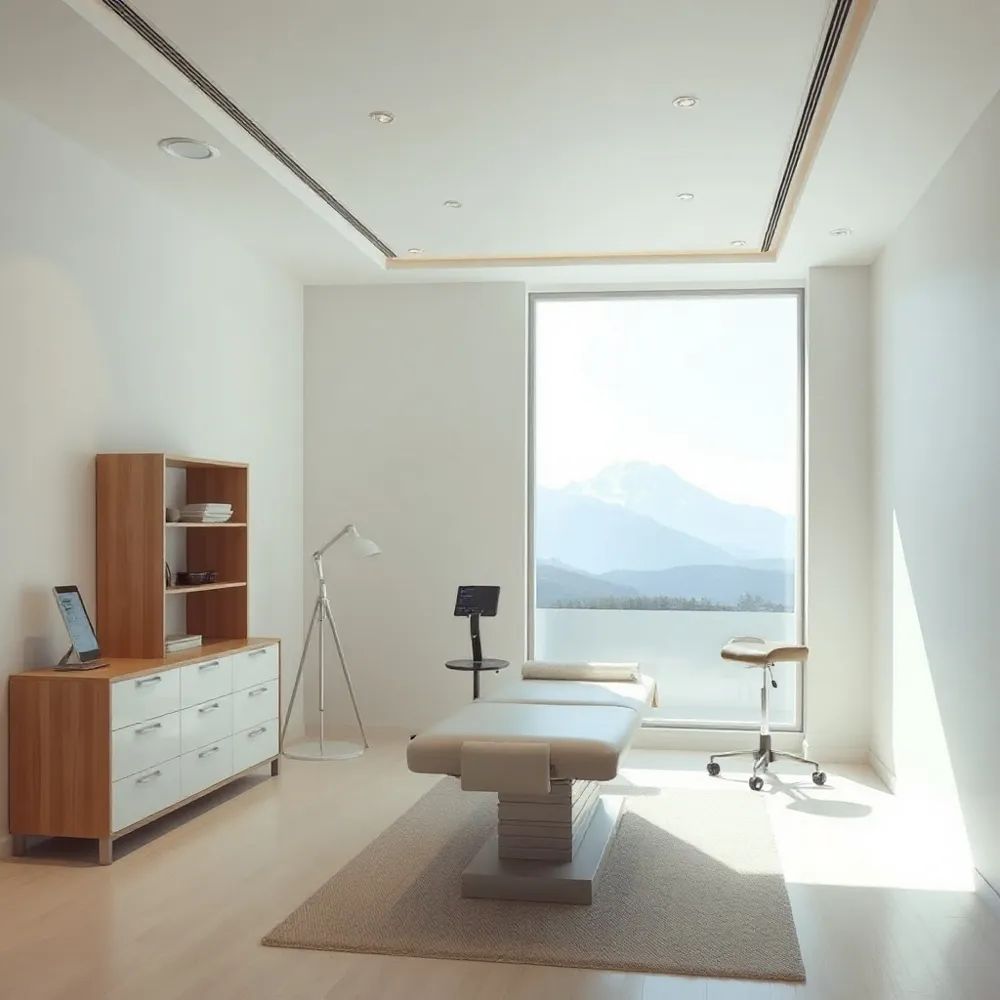 Evidence-based research indicates that non-surgical spinal decompression therapy can be an effective, non-invasive treatment option for patients suffering from herniated discs. By utilizing motorized distraction to gently stretch the spine, the therapy aims to alleviate pressure on the affected intervertebral discs. Clinical studies have demonstrated that this process may contribute to significant pain reduction and functional improvement for many patients. Furthermore, some research involving follow-up MRI imaging has provided evidence of decreased herniation volume and restored disc height following a consistent treatment protocol.
At glenwoodchiro.com, our team uses this mechanical approach to treat degenerative disc disease and sciatica with the goal of encouraging the retraction of bulging material and boosting the flow of oxygen and nutrients to damaged tissues. While surgical interventions like a laminectomy or microdiscectomy might be necessary for rare, severe cases, we prioritize conservative strategies, which can help patients avoid invasive recovery periods. Many individuals report relief from radiating pain, tingling, and numbness, allowing them to restore function without the risks inherent in surgery.
Addressing symptoms like tingling and radiating pain
Symptoms of nerve compression, such as radiculopathy or 'pins and needles,' often stem from the pressure exerted on spinal nerve roots. By creating negative pressure within the disc, decompression therapy serves as a targeted solution for those struggling with chronic conditions. This allows for a more holistic, patient-centered approach to mobility restoration compared to temporary solutions that only mask systemic pain.
Safety and Patient Comfort Considerations
 Spinal decompression therapy is generally considered a safe, non-invasive treatment option for many patients with conditions such as lumbar radiculopathy. At glenwoodchiro.com, practitioners emphasize patient comfort through customized protocols, ensuring the stretching force adapts to individual physiology to help prevent the muscle guarding sometimes encountered with generic traction equipment. Many patients report undergoing therapy without adverse side effects, though individual experiences vary.
While rare, some individuals may feel temporary muscle soreness or dull aches, similar to the sensation following a strenuous workout, as the body adjusts to the gentle stretching. Less commonly, patients might report localized muscle spasms or minor, fleeting sensations in the arms or legs during the initial stages of care. These responses are typically managed by adjusting the specific load or duration during follow-up visits.
The typical patient experience during sessions is often described as relaxing, allowing many to return to their daily routines soon after a session. By prioritizing a conservative approach that avoids the risks of spinal decompression surgery, patients avoid the complications of anesthesia or invasive tissue manipulation. This commitment to non-surgical care makes the therapy a well-tolerated alternative for those seeking to restore mobility and reduce chronic pain.
Benefits and Limitations of Treatment
Spinal decompression therapy serves as a non-surgical treatment approach for patients dealing with chronic back pain, herniated discs, and sciatica. By utilizing mechanical traction to create negative pressure within the disc, this method relieves nerve compression and stimulates the natural flow of healing nutrients into the spine. Unlike surgical interventions such as a laminectomy, this non-invasive strategy avoids the risks of infection, scarring, or prolonged recovery periods. At glenwoodchiro.com, patients receive a comprehensive evaluation to ensure that this treatment effectively addresses their unique musculoskeletal concerns.
What are the common pros and cons associated with spinal decompression therapy?
The primary advantage of this therapy is its ability to restore mobility and reduce radiculopathy symptoms without invasive procedures. Outcomes remain dependent on individual patient history and the severity of the spinal condition, as supported by medical literature. Patients must recognize that some issues, such as fractures, tumors, or severe structural instability, function as absolute contraindications for motorized traction. A careful clinical review is necessary to identify if a patient qualifies for treatment or if they require a referral for specialized surgical consults instead.
| Attribute | Clinical Advantage | Limitation |
|---|---|---|
| Invasiveness | Non-surgical | Requires multiple sessions |
| Recovery | Immediate activity return | Not a permanent fix |
| Healing | Promotes nutrient influx | Contraindicated for fractures |
Maintaining Long-Term Spinal Health
Is non-surgical spinal decompression a permanent fix for back pain? Non-surgical spinal decompression therapy serves as a highly effective, evidence-based intervention for alleviating chronic back pain and improving functional outcomes, but it is not typically considered a permanent cure in isolation. Because musculoskeletal conditions often stem from a combination of factors, including lifestyle, posture, and underlying physical mechanics, long-term success requires a patient-centered, multimodal approach. While decompression therapy successfully reduces disc pressure and promotes healing, maintaining these results necessitates integrating strengthening, flexibility training, and ongoing postural awareness into your daily routine.
By addressing the root causes of pain through comprehensive care, patients can manage their condition effectively and prevent future flare-ups. At glenwoodchiro.com, we focus on providing this holistic recovery path to ensure you maintain long-term mobility and sustained relief. Unlike solitary treatments that may leave patients vulnerable to recurring symptoms, our clinical strategy emphasizes the synergistic relationship between decompression, rehabilitative exercise, and core stabilization. This integrated care model helps rebuild the supportive musculature needed to protect the spine, much like the findings reported by the University of Utah Health, which highlight the importance of combining mechanical treatment with targeted stabilization for optimal patient outcomes.
- Prioritize core strengthening to provide a stable foundation for your spine.
- Maintain proper ergonomic habits during work and rest to preserve postural integrity.
- Engage in consistent flexibility routines to support the range of motion restored during treatment.
- Schedule regular wellness check-ins to monitor spinal alignment and prevent minor issues from becoming chronic.
Navigating Administrative and Financial Aspects
Navigating Administrative and Financial Aspects
Understanding the financial side of spinal care is important for patients exploring non-surgical spinal decompression therapy. Insurance coverage varies depending on your provider and policy. Some plans cover the therapy when deemed medically necessary, but many carriers classify it as elective or experimental, which may result in limited or no coverage.
Before beginning treatment, contact your insurance carrier directly to verify your benefits and ask whether they require a referral or specific medical documentation. Our team at glenwoodchiro.com is ready to help you navigate this process by reviewing your coverage eligibility and providing clear information about direct costs.
For patients facing out-of-pocket expenses or high deductibles, we strive to make restorative, non-invasive musculoskeletal care accessible. We offer flexible payment options and structured treatment packages designed to support your recovery without unexpected financial burdens. Speaking with our clinic staff early allows us to provide a transparent breakdown of costs tailored to your specific needs.
Taking the Next Step Towards Holistic Recovery
Selecting a path for back pain relief requires balancing immediate comfort with long-term structural health. Non-surgical spinal decompression therapy serves as a conservative, evidence-based strategy for those managing herniated discs or chronic nerve compression, offering an alternative that avoids the risks of infection or prolonged recovery associated with surgical interventions like laminectomy.
At glenwoodchiro.com, we prioritize a patient-centered approach that views mechanical relief as one component of a broader restorative model. Our team integrates targeted spinal adjustments with personalized care plans to ensure that your recovery addresses the root cause of your mobility concerns rather than just the surface symptoms. Unlike high-volume clinics that may use one-size-fits-all protocols, we evaluate your unique medical history, physical alignment, and pain triggers to develop a path tailored specifically to your body.
Taking charge of your spinal health begins with a professional assessment to determine if these non-invasive techniques align with your specific clinical needs. We invite you to schedule a consultation with our experienced team to discuss your pain and explore how individualized, conservative care can restore your quality of life. Discovering the right balance for your recovery starts with understanding your options, and we are here to guide that process with precision and care.