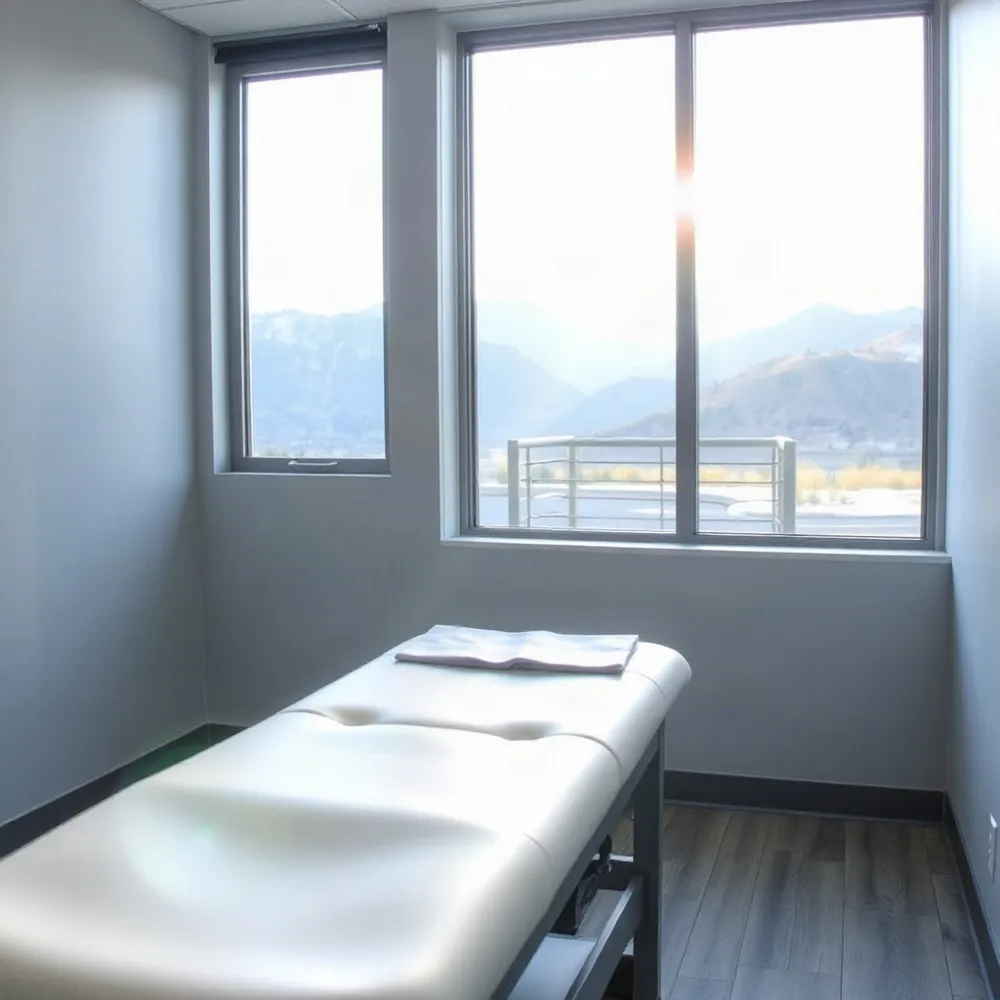
Recovery Starts With Careful Assessment
A collision can strain muscles and ligaments, limit joint movement, or affect the spine. Pain and stiffness may not be obvious at first, so how you feel at the scene may not show the full extent of an injury.
Start with an appropriate medical evaluation, especially after a serious crash or if you have concerning symptoms. Chiropractic care may be one part of an individualized recovery plan, but it is not a substitute for urgent or medical care, and it cannot be assumed to speed healing for everyone.
At Glenwood Springs, glenwoodchiro.com provides non-invasive musculoskeletal care, including chiropractic adjustments and therapies aimed at pain relief and mobility. A clinician can consider your symptoms and needs before discussing whether these approaches fit. The sections that follow cover practical steps after a collision, delayed symptoms, and cautious choices about rehabilitation.
Take Practical Steps After a Collision
 After a crash, first check yourself and others for injuries. Move to a safer place if you can do so without risk, and call 911 if anyone may need urgent help. These immediate steps come before paperwork or decisions about treatment. For a fuller checklist, see practical steps after a collision.
When it is safe, exchange contact, driver’s license, vehicle, and insurance details with the other driver. Ask witnesses for their contact information, and photograph the vehicles, visible damage, road conditions, and scene if doing so is safe. Report the crash to law enforcement when required and notify your insurer. Describe what you observed, and avoid guessing about fault.
What should you do after a car accident, even if it wasn’t your fault? Take the same practical steps: protect people at the scene, collect information, report the collision as required, and seek medical evaluation for new or worsening symptoms. Some symptoms may not be apparent right away, so note changes and follow a qualified clinician’s recommendations.
Keep records of symptoms, appointments, treatment, medications, medical reports, bills, and related expenses. Organized notes can help you and your care team track changes and understand what care you have received.
A chiropractor can assess musculoskeletal symptoms and discuss whether chiropractic care fits your needs. At glenwoodchiro.com, care focuses on non-invasive musculoskeletal treatment, including adjustments and therapies intended to support pain relief and mobility. A visit should start with your symptoms and findings, not an assumption that one treatment suits everyone.
Watch for Delayed Symptoms
 Whiplash happens when the neck moves rapidly back and forth, potentially straining muscles and ligaments. Other soft-tissue injuries can affect muscles, ligaments, or tendons. Symptoms may be subtle at first or appear later, so feeling well immediately after a collision does not rule out injury.
Possible symptoms include neck stiffness or pain, back pain, headaches, dizziness, shoulder pain, and difficulty moving the neck. Tingling or numbness may also occur and deserves prompt attention. These symptoms can have different causes, however, and a list of possible signs is not a diagnosis. Vehicle damage alone cannot reliably show how seriously someone may be injured.
Arrange an evaluation after a collision if symptoms develop, and seek urgent medical attention for severe or worsening symptoms or other concerning changes. Numbness or tingling warrants prompt assessment, particularly if it is new or progressing. Emergency or medical care should take priority when symptoms suggest a serious injury.
An assessment may include a health history, discussion of symptoms, range-of-motion checks, and neurological or other physical examinations as appropriate. Findings help determine whether chiropractic care is suitable or whether medical evaluation is needed. At Glenwood Springs, Glenwood Chiro's non-invasive musculoskeletal care includes chiropractic adjustments and therapies, with the approach guided by the patient's condition and needs.
Because symptoms can emerge after the initial assessment, note changes and share them with a qualified healthcare professional. For more on how whiplash can affect the neck and surrounding soft tissues, see an introduction to modern whiplash management.
Build Rehabilitation Around Individual Needs
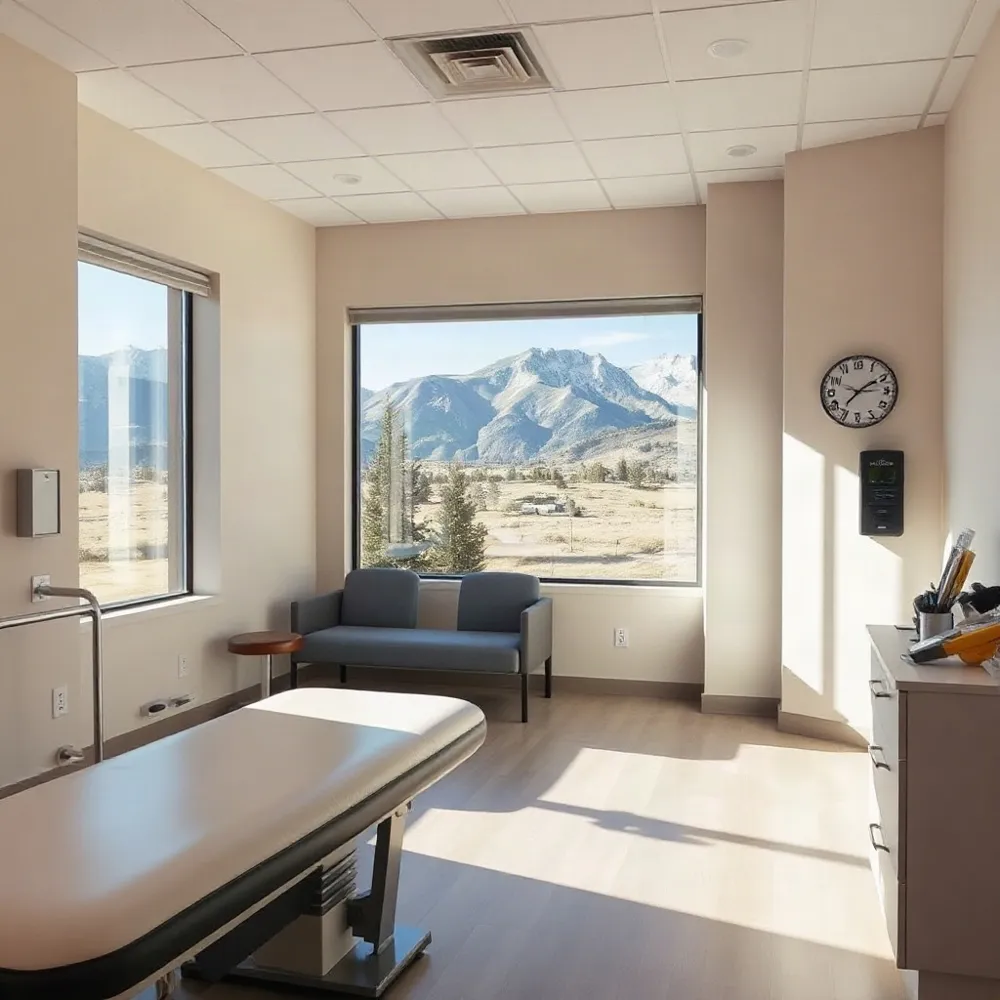 Chiropractic care addresses musculoskeletal problems, especially those involving the spine. At Glenwood Chiro in Glenwood Springs, an initial assessment can help shape care around a person’s symptoms and mobility concerns rather than applying the same approach to every collision injury.
A first visit may include a review of health history and symptoms, along with a physical examination or diagnostic assessment when appropriate. The findings help guide decisions about whether chiropractic care fits the situation and what other clinical evaluation may be needed.
What might an individual plan include?
Depending on the person’s condition, a plan may include spinal or joint adjustments, soft-tissue therapy, and rehabilitation exercises. Posture education and lifestyle guidance can also support daily movement and recovery. These options are considered in relation to the patient’s needs, not as a fixed package.
Some clinics also describe electrical stimulation for discomfort or muscle spasms, and ultrasound for discomfort or inflammation. These modalities are options, not guaranteed solutions, and should be considered only when appropriate to a patient’s findings and preferences.
At Glenwood Chiro, care centers on non-invasive musculoskeletal treatment, with choices shaped by individual assessment. Comfort and safety matter: a technique that may suit one person may not be appropriate for another, particularly after a significant collision or when symptoms are severe.
Recovery varies, and the information available here does not establish that starting chiropractic care early speeds healing for every auto-injury patient. Chiropractic treatment may complement other care, but it should not replace emergency or medical evaluation when needed. Treatment decisions are best made with appropriate healthcare professionals, based on the injury and the person’s overall health.
Patients preparing for a first visit can review advice for a first chiropractic appointment to understand the kinds of history and assessment that may inform an individualized plan.
Choose Whiplash Care With Caution
Choose Whiplash Care With Caution
Can chiropractic treatment make whiplash worse? Yes, in some circumstances. Treatment may temporarily increase soreness or stiffness, and forceful or unsuitable techniques could aggravate an injury. That is why assessment should come before treatment.
At Glenwood Chiropractic in Glenwood Springs, care focuses on non-invasive musculoskeletal treatment, with the approach guided by each patient’s condition. Before recommending care, a clinician should consider your symptoms, medical history, and how the collision occurred, and decide whether medical evaluation is needed to check for a more serious injury.
If chiropractic care is appropriate, ask about possible risks and alternatives. A plan may include gentle movement or soft-tissue approaches instead of neck manipulation, depending on the findings and your comfort. No single technique is right for everyone, and treatment should be adjusted if symptoms worsen or a method does not feel suitable.
Seek prompt medical care for severe or worsening pain, weakness, numbness, or other concerning symptoms. These signs warrant assessment rather than assuming they are routine whiplash discomfort. For more on weighing treatment choices and possible soreness, see safety considerations for whiplash care.
Let Findings Guide the Next Step
A timely assessment can help identify concerns and guide appropriate care, but it cannot promise faster healing. After a collision, keep track of changing symptoms and share them with a qualified clinician, especially if pain, numbness, or movement problems worsen.
Follow recommendations based on your examination and health history. At Glenwood Chiro in Glenwood Springs, care focuses on non-invasive musculoskeletal treatment, including adjustments and therapies selected to address each patient’s needs. Rehabilitation should reflect individual findings, not a one-size-fits-all promise.