Understanding the Musculoskeletal Origins of Headaches
Headaches are a pervasive health concern, with approximately 90 to 95 percent of the American population experiencing them at some point. The vast majority of these cases are classified as primary headaches, such as tension, migraine, or cluster types, which are not caused by underlying disease but rather by functional factors like muscle tension per the American Chiropractic Association.
Tension-type headaches often present as a dull, band-like pressure, whereas cervicogenic headaches originate from dysfunction within the cervical spine. Modern, sedentary lifestyles frequently exacerbate these issues, as long hours spent in fixed postures at a computer create repetitive strain on the neck, shoulders, and jaw 6 ways chiropractic care can help manage headaches.
At glenwoodchiro.com, we prioritize treating these underlying mechanical drivers rather than merely masking symptoms with medication. Unlike approaches that rely on pharmaceutical interventions, which may lead to rebound headaches, our cervical spine adjustments are designed to restore normal joint motion and alleviate nerve pressure. By correcting spinal alignment and addressing postural habits, patients can often achieve long-term relief without the risks associated with chronic drug therapy Integrating Chiropractic Care Into the Treatment of Migraine.
Evidence-Based Efficacy for Tension and Cervicogenic Headaches
 Frequent headaches often have a musculoskeletal origin, particularly when involving tension or misalignment within the cervical spine. Research published in the Journal of Manipulative and Physiological Therapeutics indicates that spinal manipulation may be effective for both tension-type and cervicogenic headaches. While tension headaches frequently present as a dull, band-like pressure, cervicogenic headaches originate from neck dysfunction, with pain often radiating upward.
What does evidence-based research say about the efficacy of chiropractic care for various headache types?
Evidence-based clinical guidelines highlight spinal manipulative therapy as a reliable, non-invasive option for managing primary headaches. Studies suggest that patients suffering from cervicogenic or tension-type pain may achieve significant improvement through these interventions. By aiming to restore proper spinal function, practitioners may address the mechanical triggers of chronic discomfort. At glenwoodchiro.com, we integrate these manual therapies into a patient-centered plan to help individuals decrease their dependence on pharmaceutical solutions while potentially improving long-term quality of life.
How can chiropractic treatment specifically address cervicogenic headaches?
Cervicogenic headaches arise when irritated joints or muscles in the neck refer pain directly to the head. Chiropractic care may utilize a multimodal approach to reduce nerve irritation at its source, as supported by 2011 JMPT research showing improved outcomes for these specific conditions. In contrast to medication-based therapies that merely mask symptoms, clinical adjustments may help restore essential mobility to the cervical spine.
Effective treatments often combine precise spinal adjustments with soft tissue mobilization to help stabilize the neck. Clinics like glenwoodchiro.com focus on identifying specific biomechanical irregularities to offer a drug-free pathway to relief. Regular maintenance may help prevent the recurrence of symptoms by addressing spinal health before minor misalignments escalate into persistent pain.
Managing Chronic Tension and Daily Headaches
 Chronic tension headaches often arise from complex physical stress responses. Many individuals unconsciously hold tension through repetitive behaviors like clenching the jaw or habitual shoulder shrugging, which creates long-term structural strain. As the Journal of Manipulative and Physiological Therapeutics notes, approximately 95 percent of headaches classified as primary are driven by factors like muscle tension in the neck rather than underlying disease. At glenwoodchiro.com, our approach pairs targeted spinal adjustments with ergonomic education to interrupt these cycles of physical strain.
To address the underlying muscle tightness, practitioners utilize myofascial release techniques and instrument-assisted therapies. By manually mobilizing soft tissues, these treatments target specific trigger points that cause referred pain. Beyond these maneuvers, identifying lifestyle modifications is essential for sustainability. Research published in JMPT highlights that spinal manual therapy is an effective strategy for managing tension-type headaches, offering a drug-free, non-invasive alternative for those seeking to reduce their total medication burden.
A critical component of long-term relief involves avoiding rebound headaches. These occur when chronic reliance on over-the-counter pain relievers becomes a new source of pain as the body adapts to the medication. Data from the American Chiropractic Association emphasizes that professional care helps patients taper their dependence on such medication while restoring normative cervical function. By replacing frequent pharmaceutical usage with chiropractic care, patients can avoid the cycle of rebound symptoms that often accompany long-term analgesic overuse.
Can chiropractic care provide relief for tension headaches and daily chronic headaches?
Chiropractic care offers an evidence-based, non-invasive approach to managing both tension-type and chronic daily headaches by addressing their root musculoskeletal causes. Through precise spinal adjustments, chiropractors can improve cervical spine alignment and reduce the nerve irritation that often triggers referred head pain. In addition to adjustments, targeted soft tissue therapy helps release hypertonic muscles in the neck and upper back that contribute to tension buildup. By restoring proper range of motion and addressing joint dysfunction, this holistic approach decreases the frequency and intensity of headache episodes. Patients often find meaningful relief through these patient-centered treatments without the need for long-term reliance on pain medication.
Migraine Care and Vestibular Symptom Management
Distinguishing between primary headaches and migraines is essential for effective treatment. While primary headaches like tension-type are often linked to muscle tightness, migraines frequently present as one-sided pain accompanied by nausea or sensory sensitivities 6 ways chiropractic care can help manage headaches. Research published in the Journal of Manipulative and Physiological Therapeutics indicates that chiropractic care and spinal manipulation can improve both migraine and cervicogenic headaches.
The upper cervical spine, particularly the atlas (C1) and axis (C2) vertebrae, plays a critical role in migraine and vestibular presentation. Structural variations or misalignments in this region may influence the dura mater or disrupt nerve signaling Integrating Chiropractic Care Into the Treatment of Migraine. At glenwoodchiro.com, clinicians utilize targeted adjustments to restore proper motion in these specific segments. By addressing these areas, practitioners work to reduce nerve interference and support healthy blood flow, which is necessary for clear communication between the inner ear and the brain.
What is the role of chiropractic care in managing migraine symptoms and associated dizziness?
Chiropractic care offers a non-invasive, evidence-based approach to managing vestibular migraines by addressing potential structural misalignments in the upper cervical spine. Specifically, professional adjustments to the atlas and axis vertebrae help alleviate nerve interference and improve blood flow, both of which are essential for supporting the vestibular system. By targeting these specific cervical regions, chiropractic care works to reduce the frequency and severity of migraine episodes and associated symptoms like vertigo and spatial disorientation. This approach serves as a valuable complementary treatment for patients seeking to minimize reliance on medications and restore better balance and mobility. When integrated into a holistic care plan, these precise adjustments help the body better regulate the signals between the inner ear and the brain, providing meaningful relief for long-term health.
Patient-Centered Treatment Plans and Long-Term Prevention
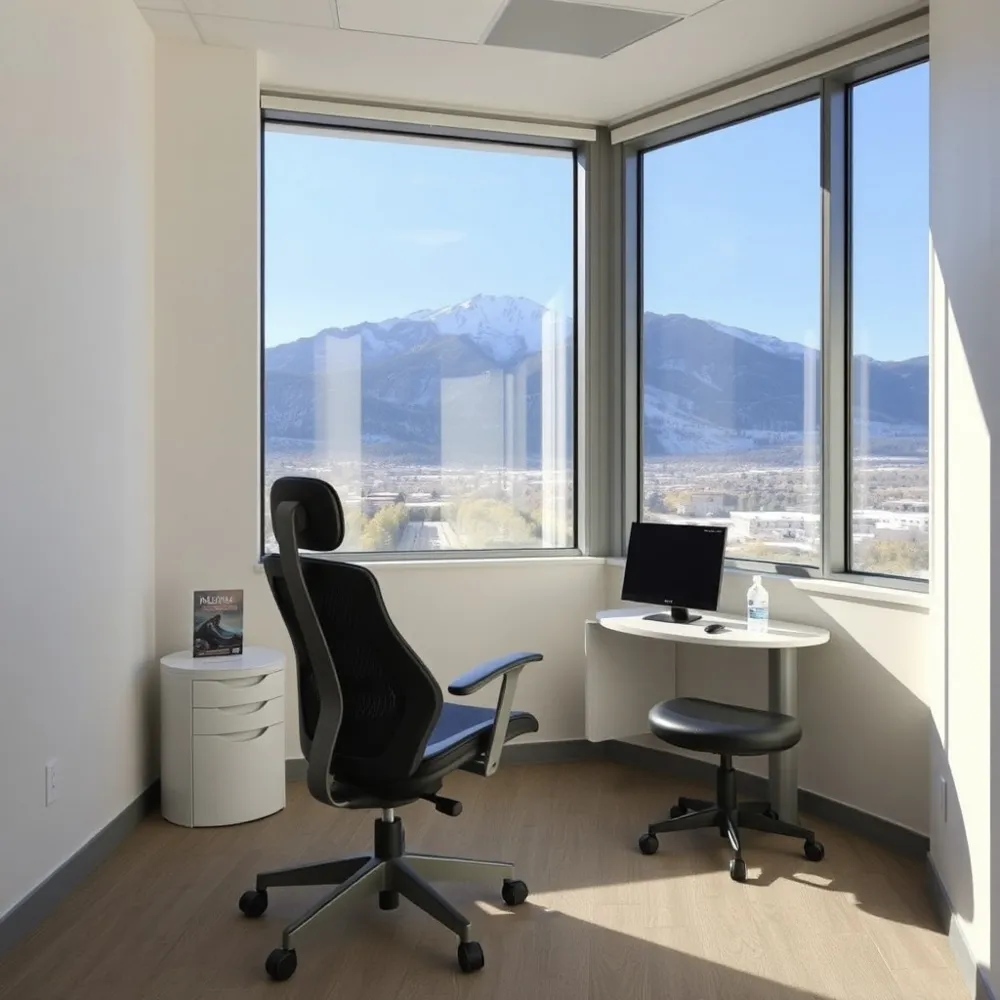 Your initial visit at glenwoodchiro.com begins with a comprehensive clinical assessment to identify the specific root causes of your headache patterns. Practitioners examine spinal alignment, muscle tension, and posture to craft a tailored path toward relief. This process prioritizes understanding your unique triggers, moving beyond symptomatic masking to address underlying musculoskeletal dysfunction.
The importance of ergonomic and nutritional counseling cannot be overstated in a robust prevention strategy. Guidance often includes setting up your workspace to keep monitors at eye level and ensuring proper seat height, which prevents the chronic strain of forward head posture. Nutritional support, such as increasing intake of magnesium-rich foods or B complex vitamins, helps sustain nerve and muscle function, per the American Chiropractic Association.
Self-care also relies on consistent daily habits. Maintaining hydration with at least 64 ounces of water daily and performing gentle neck stretches every 30 to 60 minutes during static tasks significantly reduces muscle contracture. Integrating low-impact activities like walking into your routine helps support overall wellness and minimizes tension accumulation.
What should a patient expect regarding the frequency of chiropractic visits for migraine management?
Treatment frequency for migraine management is highly individualized, typically beginning with a thorough clinical assessment to identify the underlying triggers and specific patterns of your condition. Most patients start with a more intensive schedule to address acute symptoms and stabilize the musculoskeletal system, often involving sessions over several weeks. As you demonstrate a positive symptomatic response and improved mobility, your care plan is adjusted to a less frequent, maintenance-based schedule designed to prevent recurrence. This patient-centered approach ensures that chiropractic interventions remain focused on reducing migraine frequency, duration, and disability over the long term. Throughout this process, your progress is continuously evaluated to ensure the therapeutic plan remains aligned with your personal health goals.
Taking Proactive Steps Toward a Headache-Free Future
Moving beyond temporary relief requires addressing the structural triggers of recurring pain. Chiropractic care offers a drug-free, non-invasive path to long-term wellness by correcting spinal misalignments and reducing chronic muscle tension. Early intervention is essential to prevent patterns of discomfort from becoming persistent conditions.
Regular maintenance chiropractic adjustments at glenwoodchiro.com help restore mobility and improve nervous system function. By focusing on root causes rather than just masking symptoms, a personalized assessment can identify the specific ergonomics or lifestyle adjustments needed to stop headaches before they begin. You can take control of your health today by reaching out for a professional evaluation.