Introduction
Unlocking the Power of Two Therapies for Lasting Relief
For those struggling with chronic lower back pain, recurring headaches, or persistent neck tension, combining acupuncture with chiropractic care offers a powerful, drug-free path to relief. These non-invasive therapies work synergistically by targeting the root causes of pain from two complementary angles.
Chiropractic care focuses on the mechanical structure of the body, using precise spinal adjustments to realign the vertebrae, reduce nerve pressure, and restore joint mobility. In contrast, acupuncture stimulates the body’s neurological and energetic systems. By inserting fine needles into specific meridian points, it triggers the release of endorphins, reduces inflammation, and calms pain signals in the brain.
At the Glenwood Springs clinic, this integrated approach provides holistic, whole-body healing. By addressing both the physical misalignment of the spine and the neurological and emotional components of pain, patients often experience faster, more sustainable relief than with either therapy alone.
| Therapy | Primary Focus | Key Mechanism | Conditions Commonly Treated |
|---|---|---|---|
| Chiropractic Care | Mechanical structure (spine, joints, muscles) | Realigns spine, reduces nerve pressure, restores mobility | Back pain, neck pain, headaches, sciatica |
| Acupuncture | Neurological system & energy meridians | Stimulates endorphins, reduces inflammation, calms pain signals | Lower back pain, migraines, chronic pain, stress |
| Combined Approach | Holistic: physical & energetic | Addresses root causes from multiple angles for faster relief | Complex musculoskeletal & neurological pain conditions |
Understanding the One-Two Punch: How Acupuncture and Chiropractic Work Together for Pain Relief

What is the difference between acupuncture and chiropractic care for back pain?
Acupuncture and chiropractic care both offer non-invasive relief for back pain but differ fundamentally in their approach. Chiropractic care focuses on the musculoskeletal system, using manual adjustments to correct spinal misalignments, restore joint mobility, and relieve nerve pressure. Acupuncture, rooted in traditional Chinese medicine, targets the neurological system by inserting thin needles at specific points along energy meridians, triggering the release of endorphins and reducing inflammation.
How Do They Work Together for Pain Relief?
The synergy lies in their complementary actions. Chiropractic adjustments mechanically realign the spine and joints, reducing pressure on nerves and restoring proper function. Acupuncture addresses the neurological and inflammatory aspects of pain by stimulating the nervous system, releasing natural painkillers, and calming stress responses. This combined approach tackles both the physical structure and the neurological signaling associated with pain.
Can Acupuncture Enhance Chiropractic Adjustments?
Yes. When acupuncture is performed before a chiropractic adjustment, it relaxes tense muscles and connective tissue. This creates a more receptive environment for the adjustment, making it easier to perform and often leading to longer-lasting results. The reduction in muscle guarding allows the chiropractor to achieve a more effective realignment.
What Common Conditions Benefit from This Combined Approach?
This integrative method is particularly effective for several common conditions:
| Condition | Chiropractic Role | Acupuncture Role |
|---|---|---|
| Neck Pain | Realigns the spine, reduces nerve pressure, and restores function | Releases endorphins and modulates pain signal processing in the brain |
| Tension Headaches & Migraines | Alleviates tension in the neck and upper back | Addresses neurological components to reduce headache frequency and intensity |
| Lower Back Pain | Corrects lumbar misalignments, improves posture, and relieves nerve irritation | Stimulates specific points to reduce inflammation, promote healing, and reset pain thresholds |
By targeting different mechanisms—mechanical and neurological—the duo offers a comprehensive path to faster and more sustainable pain relief.
What to Expect: Your First Combined Acupuncture and Chiropractic Session
Does Acupuncture Hurt? Understanding the Sensation
A common concern for new patients is the fear of needles. Acupuncture needles are FDA-approved, sterile, and single-use. They are also extremely thin—much thinner than a typical injection needle. Most patients feel little to no pain upon insertion. You may experience a brief, mild sensation like a slight tingling, dull ache, or warmth, but this usually fades quickly. Many find the 20-40 minute session deeply relaxing, and some even fall asleep during treatment.
Can Acupuncture and Chiropractic Be Done on the Same Day?
Yes, these therapies can be combined on the same day for enhanced benefits. A typical integrated session lasts 45-60 minutes. Your chiropractor may perform a spinal adjustment first to realign the spine and reduce nerve pressure, followed by an acupuncture treatment to calm the nervous system, release muscle tension, and reduce inflammation. This synergistic approach often makes the adjustment feel more effective and longer-lasting.
What Is the Initial Treatment Plan?
Most providers begin with a trial period of 4-6 visits over 4-6 weeks to monitor your response. Some patients experience immediate relief after the first few sessions due to eased nerve pressure and reduced muscle tension. Others see a more gradual improvement over time. Your provider will track progress using pain scales and range-of-motion tests, adjusting the plan as needed.
Why Is Aftercare Important?
Aftercare is critical to maximize the benefits of your combined session. Key recommendations include:
- Hydration: Flush out toxins released during treatment.
- Gentle Activity: Light walking or stretching helps maintain mobility.
- Mindfulness: Deep breathing, meditation, or yoga supports relaxation.
- Anti-Inflammatory Diet: Incorporate foods that reduce inflammation.
- Follow-Ups: Regular visits help sustain long-term results.
Quick Guide to Your First Visit
| Aspect | What to Expect |
|---|---|
| Duration | 45-60 minutes for a combined session. |
| Chiropractic | Spinal adjustments to realign structure and relieve nerve pressure. |
| Acupuncture | Fine needles placed at specific points to reduce inflammation and calm the nervous system. |
| Sensation | Minimal to no pain; most describe a tingling or heavy sensation. |
| Initial Plan | 4-6 sessions over 4-6 weeks to assess progress. |
| Expected Relief | Some experience immediate relief; others see gradual improvement. |
| Aftercare | Hydrate, gentle activity, mindfulness, anti-inflammatory foods, and follow-ups. |
Targeted Points for Faster Relief: Key Acupuncture Points That Enhance Chiropractic Care

Is it better for lower back pain to see an acupuncturist or a chiropractor?
For lower back pain, both chiropractic care and acupuncture can be effective, but the best choice depends on the underlying cause. Chiropractic adjustments specifically target spinal alignment and joint function, making them ideal for structural issues like misalignments or restricted mobility. Acupuncture, by contrast, focuses on stimulating energy pathways to relieve muscle tension and reduce inflammation, which may be more suitable for pain without obvious structural problems. Since chiropractic care directly addresses the musculoskeletal framework, it is often preferred for lower back pain related to spinal or joint dysfunction. A thorough evaluation by a chiropractor can help determine if your pain stems from a structural imbalance that would respond best to manual adjustments.
Acupuncture Points for Lower Back Pain
Specific points are selected based on factors like inflammation, anxiety, and muscle spasm. For lower back pain, UB-40 is considered the command point for the low back and effectively increases local circulation. GB-30 helps reduce nerve inflammation in the lumbar spine and relieves pain-induced anxiety. For acute back sprains, Du-26 can be used with strong stimulation.
Acupuncture Points for Neck Pain and Headaches
For neck pain and headaches, points that affect the spine and neurological triggers are targeted. SI-3 has a significant influence on the spine and is commonly used for restricted lower back mobility as well as neck strain. GB-34 increases circulation and can address depression and anxiety often linked with chronic pain.
A licensed acupuncturist will choose the best points for each individual, considering overall health, sleep quality, and mobility restrictions. This personalized approach ensures the acupuncture sessions complement your chiropractic adjustments for faster, more comprehensive pain relief. Techniques like dry needling may also be used to directly target muscular trigger points.
| Condition | Acupuncture Point | Function | Benefits |
|---|---|---|---|
| Lower back pain | UB-40, GB-30, Du-26 | Reduces inflammation & nerve pressure | Increases circulation, relieves anxiety |
| Neck pain & headaches | SI-3, GB-34 | Improves spine mobility & circulation | Eases stiffness, addresses neurological triggers |
| Acute back sprain | Du-26, KI-2 | Strong stimulation for rapid relief | Reduces pain from acute injury |
| Chronic pain & stress | Yintang, LI-4, Liv-3 | Calms nervous system, reduces anxiety | Reduces overall pain intensity |
Beyond Pain: The Holistic Benefits of the Combined Approach
Addressing Pain on All Levels: Physical, Neurological, and Emotional
The dual approach of chiropractic and acupuncture is not just for symptom relief; it addresses the whole person. Chiropractic adjustments correct structural imbalances and relieve mechanical pressure on the nervous system. Acupuncture, meanwhile, targets the neurological components of pain, reducing inflammation and soothing irritated nerves. Together, they also tackle the emotional aspects often linked with chronic pain, such as anxiety and stress. This comprehensive strategy recognizes that pain is a complex experience influenced by physical, neurological, and emotional factors.
Stress Reduction and a Calmer State
Acupuncture sessions, typically lasting 20–40 minutes, can lower cortisol levels and ease muscle tension, promoting a state of deep relaxation. Chiropractic adjustments complement this by releasing trapped nerve energy, which can further reduce mental tension and foster calm. This combination directly helps manage the stress that often accompanies and exacerbates chronic pain.
Enhanced Athletic Performance and Everyday Mobility
For athletes and active individuals, the synergy of chiropractic and acupuncture is powerful. Acupuncture enhances circulation and targets tight muscles, while chiropractic care ensures proper joint alignment. This leads to greater range of motion, reduced stiffness, and faster recovery from training or injuries. Regular integrative sessions not only boost athletic performance but also improve flexibility and posture for daily activities, making tasks like sitting at a desk or moving around easier.
A Drug-Free Path to Pain Relief
A primary benefit of this combined approach is the potential to reduce or eliminate reliance on medications like opioids and NSAIDs. By naturally reducing pain and inflammation, acupuncture and chiropractic offer a safe, non-pharmaceutical alternative for managing conditions such as lower back pain, headaches, and neck pain. Many patients find they can achieve significant relief without the risks associated with long-term drug use.
Safety and Scientific Backing
Both chiropractic care and acupuncture are supported by substantial research. Acupuncture is recognized by the World Health Organization (WHO) as effective for over 100 conditions, and it is one of eight complementary health practices recognized by the U.S. Department of Veterans Affairs. The American College of Physicians recommends non-pharmacologic treatments like spinal manipulation and acupuncture as first-line options for low back pain. A 2019 study on chronic musculoskeletal pain found superior pain relief and improved function when both therapies were used together compared to each alone.
Frequently Asked Questions
| Question | Answer | Recommendation |
|---|---|---|
| Can acupuncture help with pancreas function? | Some studies suggest it may support islet cell function and improve insulin sensitivity, potentially benefiting conditions like diabetes. | Use as a complementary therapy alongside standard medical care, not as a standalone treatment. |
| What's the worst thing you can do for back pain? | Ignoring it and delaying proper treatment. Pushing through pain can turn a minor issue into a chronic, debilitating condition. | Seek early evaluation from a chiropractor or physiatrist to prevent long-term damage. |
| Can chiropractic care help with ALS? | Research is limited, but it may offer palliative relief for musculoskeletal symptoms. | Care should be tailored to the individual's needs and coordinated with their medical team. |
Key Benefits of the Combined Approach
| Aspect | Chiropractic Focus | Acupuncture Focus | Combined Benefit |
|---|---|---|---|
| Pain Relief | Mechanical realignment, reducing nerve pressure | Neurological modulation, releasing endorphins | Comprehensive pain management from multiple angles |
| Stress & Anxiety | Releases trapped nerve energy, reduces muscle tension | Lowers cortisol, promotes deep relaxation | Enhanced calm and emotional well-being |
| Mobility & Performance | Improves joint range of motion, corrects alignment | Increases circulation, targets muscle tightness | Greater flexibility, faster recovery, improved athletic output |
| Non-Pharmacologic Care | Drug-free, conservative approach | Natural pain relief without medication | Reduced or eliminated need for opioids and NSAIDs |
| Evidence & Regulation | Widely accepted, with high patient satisfaction (59% for back pain) | Recognized by WHO & VA; proven effective for chronic pain | Well-supported, safe, and evidence-based integrative care |
Finding the Right Care in Glenwood Springs
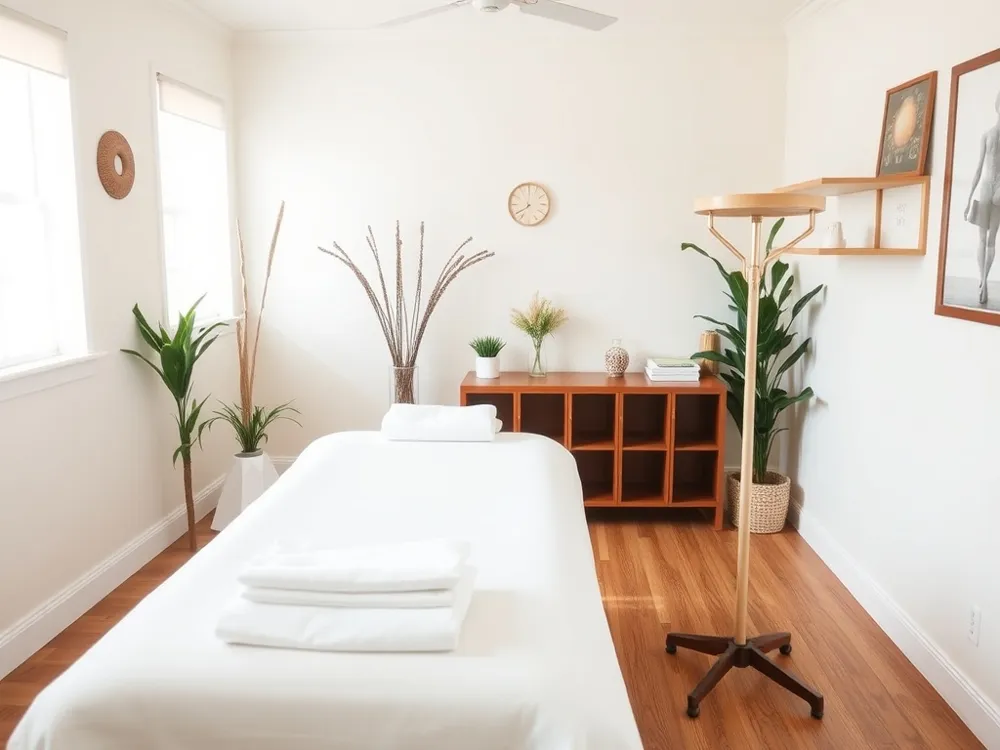
Are Chiropractors and Acupuncturists Available in Glenwood Springs?
Yes, residents of Glenwood Springs have access to practitioners who provide integrative, non-invasive care. For a combined approach, Dr. Anna Bernstein's clinic at 900A Cooper Avenue offers both chiropractic adjustments and acupuncture in one location. This allows patients to address the mechanical and neurological aspects of pain simultaneously, without needing to visit separate offices.
Choosing an Integrative Provider
Selecting a provider who emphasizes a holistic, drug-free philosophy is important. At Dr. Bernstein's clinic, the focus is on whole-body healing through personalized treatment plans that may include chiropractic adjustments, acupuncture, and nutritional counseling. This comprehensive strategy aims to correct underlying imbalances, not just mask symptoms.
Start Your Journey to Relief
Do not wait for pain to become chronic. Early, combined care can lead to faster, longer-lasting results. Schedule a consultation to explore the potential of chiropractic and acupuncture for your specific condition.
Contact Dr. Anna Bernstein's clinic at (970) 928-0757 to book your appointment today.
| Service | Focus | Benefit of Integration |
|---|---|---|
| Chiropractic Care | Spinal alignment & joint function | Corrects structural imbalances; relieves nerve pressure |
| Acupuncture | Nervous system & energy flow | Reduces inflammation; releases endorphins for pain relief |
| Combined Approach | Physical & neurological aspects | Addresses root causes for comprehensive, long-term wellness |
Conclusion
Combining these approaches creates a comprehensive, drug-free pathway to faster pain relief and improved well-being. Chiropractic care addresses the musculoskeletal structure, while acupuncture supports the neurological and energetic systems, creating a powerful synergy that treats the whole person.
Evidence confirms the safety and effectiveness of this combined approach for back pain, neck pain, headaches, and other common conditions. If you are ready to explore how this integrative approach can help you, contact our Glenwood Springs clinic today to discuss a personalized treatment plan.