Walking In Prepared
The first appointment at Glenwood Chiropractic is built around one idea: find the source of your discomfort and address it, rather than just turning down the volume on the pain. That means the session starts with a conversation, not a treatment table. You will talk through your symptoms, medical history, daily habits, and any previous injuries, then move into a physical examination to see how your spine and joints actually move.
This intake-focused approach sets the tone for the whole visit. Unlike a quick adjustment and goodbye, the goal is to connect what you are feeling today with what may have been building for months or years. Whether you are dealing with back pain, a sports injury, or stiffness that has limited your mobility, the provider looks for the underlying driver behind those symptoms. That is what makes the care root-cause focused rather than a temporary patch.
Because the visit is collaborative, you will be asked questions about your work setup, sleep patterns, stress levels, and activity choices. All of these give context to what the examination reveals. For many patients, the first visit ends with a clear explanation of what is going on and a recommendation for a care plan tailored to their specific needs.
History. You will discuss current symptoms, past injuries, chronic conditions, and lifestyle factors like diet and sleep that might be feeding the problem.
Examination. The provider assesses posture, range of motion, and joint function to see how your body compensates and where movement is restricted.
Plan. You leave with a recommended treatment strategy that reflects your goals, whether that means faster recovery from a sports injury or long-term mobility support.
Expect the first visit to feel more like a thorough consultation than a procedure. You are there to get answers, and that requires an open exchange. The more you share about your habits and history, the more precise the care can be. If you are unsure what to bring or how to prepare, a guide to what to expect at a first chiropractic appointment can walk you through the practical details ahead of time.
What to Bring to Your First Appointment
 Walking into your first chiropractic appointment with a little preparation can make a real difference in how smoothly the visit goes and how quickly you start feeling results. While the chiropractor handles the adjustments, your job is to show up ready to share your story clearly and comfortably. A little forethought takes the guesswork out of the experience and helps your care team focus on what matters most: getting you out of pain and back to your normal routine.
Start by gathering the essentials that give your chiropractor a complete picture of your health. That means bringing your photo ID, insurance card, and a list of current medications and supplements. If you have recent imaging like X-rays, MRIs, or CT scans from other providers, bring those along or have them sent ahead. A written summary of your medical history, including past injuries, surgeries, and chronic conditions, is just as valuable as the imaging. According to our guide on preparing for a first chiropractic appointment, arriving with these documents means fewer questions and a more focused evaluation.
What you wear also matters more than you might think. Loose, comfortable clothing like athletic pants, a t-shirt, and sneakers lets your chiropractor access the areas being treated without awkwardness. Tight denim, restrictive skirts, or dresses can get in the way of a thorough exam. If you have long hair, tie it back so it stays out of the way. The goal is to make movement easy and the adjustment uncomplicated. For a deeper look at the logistics, check out what to bring to your first chiropractic appointment for a detailed checklist.
What to Expect at Your First Visit
Your first appointment typically involves more conversation than adjustment. The chiropractor will ask about your symptoms, lifestyle, work habits, and any recent accidents or repetitive strain. This consultation is your chance to mention what makes the pain better or worse, how long it's been going on, and what activities you're hoping to return to. Being specific speeds up the process and gives the doctor the details needed to tailor the care plan. Many first-timers are surprised at how thorough the history-taking is, but it's a crucial step in ruling out red flags and understanding the root cause rather than just treating the symptom.
After the discussion, the physical exam begins. Expect posture analysis, range-of-motion checks, and orthopedic tests that help pinpoint the source of your discomfort. You might also receive simple neurological tests to check reflexes, strength, and sensation. If the chiropractor suspects a disc problem or nerve involvement, they may recommend imaging. However, not every first visit ends with an adjustment. The practitioner might need time to review your history and findings before deciding on the safest next step. A complete guide to your first chiropractic appointment explains this process in detail, including why some visits pause before any hands-on work begins.
Practical Preparation Tips
Beyond the paperwork, a few practical steps can improve your experience. Hydrate well in the days leading up to your visit, and have a glass of water before you arrive. Being well-hydrated supports your spinal discs and helps your body respond better to care. Avoid heavy meals right before your appointment; a light snack is fine, but a full stomach can make certain positions uncomfortable. Arrive 10 to 15 minutes early to complete any last-minute forms without rushing. If you're nervous, that's normal. Let the front desk know it's your first time, and they'll walk you through the steps.
Also, think about what you want to tell your chiropractor. Jot down a few notes about when the pain started, what triggers it, and what you've tried so far. This simple habit turns a vague "it hurts here" into a clear picture that guides better decisions. For more ideas on how to get ready, our first-time patient prep checklist offers a step-by-step rundown of what to bring and expect.
| Item | Purpose | Example |
|---|---|---|
| Photo ID | Check-in and verification | Driver's license |
| Insurance card | Coverage verification | Health plan card |
| Medication list | Avoid interactions | Blood thinners, supplements |
| Imaging results | Informs diagnosis | X-ray, MRI, CT scan |
| Medical history | Context for care | Past injuries, surgeries |
| Comfortable clothing | Ease of exam | Athletic pants, t-shirt |
Arrive Early and Dress to Move
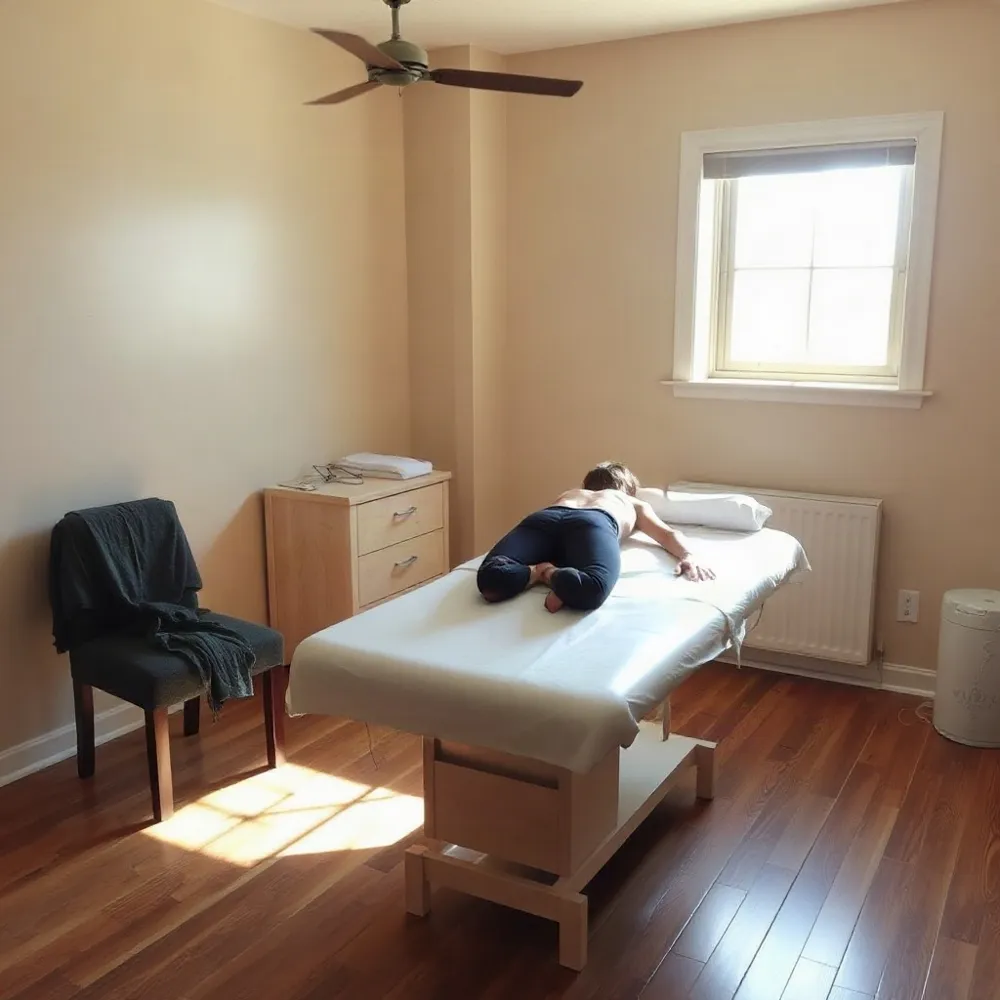 Leaving enough time to arrive 10 to 15 minutes early gives you space to complete new patient and insurance paperwork without rushing, as covered by the first chiropractic consultation process. Some clinics, such as Glenwood Chiropractic, offer online forms on their website for first-time patients, helping you skip the clipboard and go straight to the exam.
Wear loose-fitting, comfortable clothing such as leggings, sweatpants, or a soft shirt. The chiropractor needs to observe your posture and range of motion, and you may be asked to move into different positions on the table or to adjust clothing for X-rays. Heavy meals before the appointment can make lying down uncomfortable, so a light snack one to two hours ahead is a better choice.
What to Expect During the Consultation
The consultation is the core of your first visit, where the chiropractor gathers the information needed to understand your condition. You will discuss the details you provided on your intake forms: when and how your pain started, its location and description (sharp, dull, or throbbing), and what activities make it better or worse. Lifestyle habits such as your diet, sleep patterns, and exercise routine are also reviewed, as they can directly affect your musculoskeletal health. At glenwoodchiro.com, patients are encouraged to share openly so the care team can build a complete picture.
The Physical Examination
After the consultation, the chiropractor performs a focused physical exam. This includes general health checks such as blood pressure and reflexes, along with specific orthopedic and neurological tests to assess your range of motion, muscle strength, and posture. You may be asked to perform simple movements or stand in specific positions so the chiropractor can identify areas of restriction or imbalance.
X-rays are not automatic — they are only taken when medically necessary, such as after a recent injury, trauma, or if a spinal deformity is suspected. For soft-tissue issues like disc problems or muscle tears, an MRI may be recommended instead. The focus of the first exam at clinics like Glenwood Chiropractic is diagnosis, not rushing to treatment.
Building a Personalized Treatment Plan
Based on the findings from the consultation and exam, the chiropractor develops an individualized treatment plan. This plan outlines the recommended care approach, expected frequency of visits, and the anticipated length of treatment. For some conditions, such as soft-tissue damage or non-complex misalignments, care may begin immediately. For others, the chiropractor may postpone the first adjustment until the full treatment plan is established. The goal is to create a strategy that addresses the root cause of the problem rather than just treating symptoms.
Questions to Ask Your Chiropractor
 Walking into your first chiropractic appointment with a clear list of questions can turn a nerve-wracking experience into a confident step toward better mobility. The right questions do more than satisfy curiosity; they give you the information needed to decide whether this practitioner is the right fit for your body and your goals. Asking about the chiropractor's specialty and experience is a smart place to start, and a great conversation naturally flows from there.
When you prepare questions ahead of time, you also signal that you are an engaged partner in your own care. This matters because chiropractic treatment works best when both you and your chiropractor are on the same page. For a deeper look at how to frame your first visit, our guide on what really happens at your first chiropractic appointment walks through the entire process, from the initial consultation to the creation of a personalized plan.
What to Ask About Your Chiropractor's Training and Experience
Not all chiropractors are the same. Some focus on acute back pain, others specialize in sports injuries or pediatric care, and many have decades of hands-on experience. Asking about your chiropractor's training and background is a practical way to ensure they have the skills relevant to your specific condition. You might ask how many years they have practiced, what conditions they treat most often, and whether they have pursued additional certifications in areas like spinal decompression or pediatric chiropractic.
A straightforward question like, "What is your approach to treatment?" can reveal a lot. Some practitioners use a more traditional, manual adjustment style, while others incorporate complementary therapies such as therapeutic exercises or soft-tissue work. Understanding this helps you set expectations and decide if their philosophy aligns with your preferences. For a helpful overview of the kinds of questions worth asking, our article on questions to ask your chiropractor offers a solid foundation.
Questions About Your Treatment Plan and Timeline
A quality chiropractor will never rush you into a long-term plan without first explaining the reasoning. Ask about the estimated number of visits, the expected timeline for improvement, and how progress will be measured. Questions like, "How soon should I expect to feel relief?" and "What happens if I don't notice improvement after a few sessions?" are completely reasonable and show that you are thinking critically about your care.
Your chiropractor should also be transparent about what is involved in each visit. Whether it involves gentle adjustments, soft-tissue techniques, or rehabilitative exercises, knowing what to expect reduces anxiety. Our guide on preparing for your first chiropractic appointment includes practical tips on bringing your medical history and asking about the practitioner's experience, which naturally leads into treatment planning conversations.
Clarifying Payment, Insurance, and Policies
Money matters deserve a straight answer before you commit to a course of care. Ask about the cost per visit, whether the clinic offers packages or discounts, and whether they accept your insurance. It is also wise to ask about cancellation policies and what happens if you need to reschedule. Being clear about these details up front prevents awkward surprises later and helps you plan financially.
Chiropractic care is an investment in your long-term mobility, so it pays to understand the logistics. For more guidance on what to expect regarding fees and insurance, the what to expect at your first chiropractic consultation resource outlines common questions about payments and preparations. Knowing these answers also helps you compare how different clinics handle billing, giving you confidence that you are making an informed choice.
What to Expect During the Physical Exam and Diagnostic Process
The physical exam is a core part of your first visit, and it is reasonable to ask what it will involve. Many chiropractors begin with a review of your health history, followed by orthopedic, neurological, and postural assessments. Asking, "Will you take X-rays or perform other tests?" is a valid question, since not every condition requires imaging. Understanding the diagnostic process helps you feel more comfortable and prepared for what is to come.
You might also ask about the specific techniques your chiropractor will use during the adjustment. Some patients prefer a gentler approach, while others respond well to a more direct technique. Our article on what really happens at your first chiropractic appointment breaks down the exam and treatment phases, so you know exactly what to expect before you arrive.
Red Flags and How to Evaluate the Answers
While most chiropractors are honest and patient-centered, it still pays to be alert. Watch for practitioners who guarantee a specific outcome, pressure you into signing up for many visits upfront, or dismiss your concerns without explanation. A good chiropractor will take time to explain their reasoning, answer your questions fully, and adjust the plan if something is not working.
Trust your instincts. If you leave the first appointment feeling rushed or unheard, that is a significant signal. On the other hand, if your questions are welcomed and answered thoroughly, that is a strong indication you have found a partner in your health. For additional preparation tips, the 7 preparation tips for your first chiropractic appointment guide offers practical advice on what to bring and how to get the most out of your visit.
| Question Topic | Example Question | Why It Matters |
|---|---|---|
| Training and experience | "How many years have you practiced?" | Confirms the chiropractor has relevant skills for your condition. |
| Treatment approach | "What techniques do you typically use?" | Helps you decide if their style matches your comfort level. |
| Visit frequency | "How many sessions will I likely need?" | Sets realistic expectations for timeline and costs. |
| Payment and insurance | "Do you accept my insurance?" | Avoids billing surprises and helps with financial planning. |
| Diagnostic process | "Will you order X-rays or tests?" | Clarifies what is involved and why it is necessary. |
Spotting Red Flags in Chiropractic Care
While most chiropractors provide excellent, ethical care, it is wise to know which warning signs suggest a practice may not be focused on your well-being. A trustworthy chiropractor will base their approach on sound clinical reasoning and your specific needs, not on fear or rigid sales pitches.
Pressure tactics. Be cautious of a practitioner who pushes for a costly, long-term treatment plan or an expensive prepaid package during your first visit, especially before a full diagnosis has been completed. A responsible provider will explain the recommended care, how it relates to your findings, and the anticipated duration, but will not pressure you to commit financially upfront.
Unrealistic claims. Avoid a chiropractor who claims to 'cure' conditions beyond the scope of musculoskeletal care, such as infections or organic diseases. Similarly, watch for those who discourage you from seeing your medical doctor or other specialists — this can be a sign that the patient's total health is not the priority. A quality provider, like the team at glenwoodchiro.com, will coordinate care with your broader healthcare team.
Lack of holistic view. A red flag is a chiropractor who treats only one specific issue without considering your overall health. A holistic, whole-body philosophy that seeks the root cause of pain — whether from back pain, sciatica, sports injuries, or pregnancy discomfort — indicates a more patient-centered and comprehensive approach to care.
Your First Step to Natural Healing
A first chiropractic appointment follows a familiar pattern: paperwork, a consultation, a physical exam, and often a gentle adjustment. The value of the visit depends on what happens in between — how well you communicate your health history, how freely you ask questions, and how closely the chiropractor listens.
The preparation steps — gathering your medical records and insurance cards, arriving 15 minutes early, wearing loose-fitting clothing, and describing your symptoms openly — each serve a purpose. They allow the chiropractor to build a complete picture of your condition without guesswork. At Glenwood Springs Chiropractic, that shared understanding is the foundation for a treatment plan that targets the root cause rather than just the symptoms.
Documents. Bring a list of current medications, prior imaging (X-rays or MRIs if available), and a written summary of when your pain started, what makes it better or worse, and any patterns you have noticed.
Attire. Choose loose-fitting pants (sweatpants, leggings) and a stretchy top. An underwire bra may need to be removed if X-rays are taken, so a sports bra is a practical alternative.
Communication. Share details about your lifestyle, exercise habits, sleep quality, and any previous injuries. The more context you provide, the more precisely the chiropractor can adjust your care.
Asking questions turns a passive appointment into an active partnership. Inquire about the chiropractor's training, the type of adjustment techniques they use, whether diagnostic imaging is medically necessary for your case, and what your treatment timeline looks like. A good provider will welcome these questions and explain their reasoning in clear terms.
Chiropractic care recognizes that lasting pain relief comes from treating the whole person, not just the spot that hurts. The posture and exercise education you receive, the at-home stretches recommended, and the follow-up schedule are all part of a holistic recovery plan. Patients who take an active role in that plan — tracking their progress, sticking with aftercare instructions, speaking up if something feels wrong — consistently report better outcomes and shorter recovery times.
For more detailed guidance on what to bring and how to prepare, Glenwood Chiropractic offers a comprehensive guide on preparing for your first chiropractic appointment.