
Understanding How Chiropractic Care Addresses Migraines
Migraines are a widespread neurological condition that affects an estimated 12% of Americans, according to the National Institutes of Health. For many sufferers, these episodes are more than just headaches — they are debilitating events that can disrupt work, family life, and daily routines for hours or even days at a time.
The connection between the neck and migraine onset is well-documented. Issues in the cervical spine — such as misalignments, restricted joint motion, or muscle tension — can irritate nerves that supply the head and face, creating a chain reaction that triggers migraines. By addressing these root causes through non-invasive adjustments and soft tissue therapy, chiropractic care offers a distinct path to relief without relying on medication.
Chiropractic spinal manipulative treatment (CSMT) using techniques like the Gonstead method has been shown to reduce migraine frequency and intensity. Patients often notice improvements within just a few visits, making this approach both practical and effective for those whose migraines originate from neck-related factors.
A comprehensive treatment plan combines targeted spinal adjustments with complementary lifestyle strategies — such as stress management, ergonomic changes, and gentle exercise — to address migraines from multiple angles. At glenwoodchiro.com in Glenwood Springs, Colorado, personalized care plans are designed around each patient’s unique needs, offering a drug-free pathway toward fewer migraines and greater quality of life.
The Connection Between Neck Health and Migraine Onset
For a large number of migraine sufferers, the source of their pain starts below the head. When tension, misalignment, or restricted motion develops in the neck, it can create a chain reaction that leads directly to a migraine episode. Chiropractors refer to this specific type as a cervicogenic migraine, where the primary issue originates in the cervical spine but the pain is felt in the head or face.
The physiological link lies in how the upper cervical spine interacts with the trigeminal nerve pathway. Joint dysfunction and hypertonic muscles in the neck can irritate nearby nerves and create a hypersensitive state. This nociceptive input travels through the spinal cord and can trigger the complex neurological cascade of a migraine, including aura, nausea, and photophobia.
Muscle tension plays a significant role in this process. Tight suboccipital, trapezius, and levator scapulae muscles pull on their attachments at the skull base, compounding nerve pressure and restricting blood flow. The American Chiropractic Association reports that nine out of 10 Americans suffer from headaches, and that about 95% of these are primary headaches (tension or migraine) associated with muscle tension in the neck.
Chiropractic adjustments aim to break this cycle by restoring proper joint mobility and reducing muscle tension. By addressing these underlying mechanical triggers rather than just treating symptoms with medication, chiropractic care offers a non-invasive path toward reducing both migraine frequency and severity.
Evidence That Spinal Adjustments Reduce Migraine Frequency
For many headache sufferers, the search for lasting relief often leads to medication, which can come with its own set of side effects. Chiropractic care offers an alternative that targets the root cause of many headaches—musculoskeletal tension and spinal misalignments. At Glenwood Chiropractic, we focus on non-invasive adjustments that restore proper nervous system function, aiming to reduce both the frequency and intensity of headaches without relying on pills.
Mechanism. Spinal adjustments correct misalignments (subluxations) that can impair nerve flow and increase muscle tension, both of which are common contributors to tension headaches and migraines. By restoring alignment, chiropractic care reduces irritation to the nervous system, which can ease the triggers that lead to headaches.
Effectiveness. Research supports the role of chiropractic in reducing headache frequency. A 2011 systematic review of spinal manipulative therapy for migraines found significant improvement in migraine frequency and intensity among participants who received chiropractic care, with fewer adverse effects compared to medication according to the National Center for Biotechnology Information. Additionally, a case study highlighted by the American Chiropractic Association documented a 52-year-old woman with a 40-year migraine history who achieved complete cessation after a series of adjustments.
Comparison. While many chiropractors, including those at competitors like Trailhead Chiropractic, offer care for headaches, our clinic in Glenwood Springs stands out through our patient-centered approach that emphasizes evidence-based techniques tailored to each individual's specific condition. We prioritize long-term relief and preventative strategies, ensuring that every adjustment is not just a quick fix but a step toward lasting wellness.
The body of evidence linking chiropractic care to reduced migraine frequency is growing. For instance, a study published in the Journal of Manipulative and Physiological Therapeutics found that chiropractic adjustments, similar to the medication topiramate, reduced migraine frequency and disability, with fewer side effects. This aligns with findings from the National Center for Biotechnology Information, which reported that spinal manipulative therapy can be an effective treatment for cervicogenic headaches, a common type that originates from the neck.
Chiropractors also provide lifestyle and ergonomic advice that complements adjustments, helping patients avoid headache triggers. This holistic approach is a cornerstone of care at Glenwood Chiropractic, where we aim to empower patients with tools for self-management, from posture correction to stress-reduction techniques. By addressing these underlying factors, we reduce the reliance on medication and offer a natural path to relief.
| Treatment | Approach | Evidence |
|---|---|---|
| Chiropractic Care | Spinal adjustments targeting misalignments | Reduces migraine frequency and intensity (2011 review) |
| Medication | Prophylactic drugs like topiramate | Effective but often has side effects |
| Acupuncture | Thin needles into specific points | Mixed evidence, some studies show benefit |
| Physical Therapy | Exercise and manual therapy | Helps with neck-related headaches |
For those seeking a drug-free alternative, chiropractic care stands as a viable option, supported by both clinical research and patient experiences. At Glenwood Chiropractic, we combine this evidence with a personalized touch, ensuring each patient receives care that addresses their unique needs. Whether you're dealing with tension headaches, migraines, or chronic neck pain, our approach is designed to help you find lasting relief.
To learn more about how chiropractic care can help with your headaches, visit our dedicated page on natural headache relief or discover the science behind chiropractic adjustments for headaches. For a personalized consultation, contact us today to schedule an appointment at our Glenwood Springs clinic.
Key Chiropractic Techniques for Migraine Management
Chiropractic care is a common non-pharmacological approach for managing migraines, but many people wonder how the adjustments actually work. The central idea is that misalignments in the spine, particularly in the upper cervical region, can interfere with nervous system function and contribute to headache pathways. By addressing these subluxations, chiropractors aim to restore proper alignment, reduce nerve irritation, and improve blood flow, which can diminish the frequency and severity of migraine episodes.
Research supports the role of chiropractic in this area. A 2012 study published by the National Institutes of Health found that chiropractic spinal manipulative therapy showed positive outcomes for migraine patients, with participants reporting reduced headache intensity and duration after a period of care. While migraines are a complex neurological condition with many triggers, the nervous system focus of chiropractic care offers a tangible mechanism: upper cervical adjustments target the uppermost vertebrae, which are closely linked to the brainstem and pain regulation centers.
What the Research Shows
Clinical evidence, though varied, leans toward benefit. A 2019 systematic review that examined multiple trials noted that spinal manipulation was associated with a reduction in migraine frequency, though the authors called for more high-quality studies. The American Chiropractic Association highlights that chiropractic care, including adjustments, can be an effective part of a multidisciplinary approach to headaches, especially for those with a muscular or spinal component. For patients who prefer avoiding daily medication, this offers a drug-free alternative worth discussing with their provider.
A common question is how quickly results appear. Some patients notice improvement after a few sessions, while others require ongoing care to maintain benefits. A 2011 case series illustrated that a course of upper cervical adjustments, specifically using the Gonstead technique, led to significant reduction in migraine days and pain levels for a small group of participants. These findings, while not definitive, point to the importance of a tailored treatment plan that addresses the individual's unique spinal alignment and headache triggers.
Chiropractic vs. Conventional Treatments
Drugs and prevention. Over-the-counter painkillers or prescription triptans can stop a migraine in its tracks, but they often come with side effects like rebound headaches or drowsiness. Preventive medications like beta-blockers require daily intake and may carry long-term risks. Chiropractic care at glenwoodchiro.com shifts the focus to correcting mechanical issues, helping many patients reduce their reliance on pharmaceuticals without significant adverse effects.
Manual therapy options. Physical therapy and massage can ease muscle tension related to migraines. However, chiropractic adjustments go a step further by specifically aligning the cervical spine, which can improve nerve function and reduce the neural input that triggers pain. At glenwoodchiro.com, we combine spinal manipulation with therapeutic exercises and lifestyle advice, a comprehensive strategy that often yields longer-lasting relief than passive treatments alone.
Self-care and lifestyle. Many patients try changing their diet, sleep, or stress management before seeing a professional. These habits are valuable, but they may not address underlying spinal misalignments. Chiropractic care fills that gap by providing a hands-on correction that self-care cannot replicate, making it a complementary piece of a holistic headache management plan.
For those in Glenwood Springs and around, understanding the differences between chiropractic options is useful. Standard chiropractic adjustments involve a variety of techniques, while upper cervical care focuses on a precise correction of the atlas (C1) and axis (C2) vertebrae. Choosing a provider who specializes in these methods can be key for migraine patients. At glenwoodchiro.com, our approach includes a thorough assessment to identify the specific spinal segments involved, ensuring that each adjustment is targeted and effective.
When comparing chiropractic care to other natural alternatives like acupuncture or nutritional supplements, the mechanism of action differs. Acupuncture works on energy meridians, and herbal remedies influence chemical pathways, but chiropractic adjustments physically alter the mechanics of the spine. This makes it particularly effective for migraines triggered by poor posture, whiplash, or prolonged sitting at a desk. At glenwoodchiro.com, we often see patients who have tried other therapies without success and find relief through our spinal correction techniques.
Safety and Considerations
Chiropractic care is generally safe when performed by a licensed professional, and it is even considered a valid option for children and older adults in many cases. However, it is not a one-size-fits-all solution. For example, if migraines are caused by a serious condition like a brain tumor or aneurysm, adjustments would not be appropriate. During your initial consultation at glenwoodchiro.com, we conduct a full health history and use digital X-rays when needed to rule out red flags, ensuring that our care is both appropriate and safe for your specific situation.
A key part of the conversation involves managing expectations. While some patients report complete migraine relief, others see a 50-70% reduction in frequency or intensity. According to a 2014 study in the Journal of Manipulative and Physiological Therapeutics, about three-quarters of migraine patients experienced a significant benefit from chiropractic care, with the effects persisting for months after treatment ended. These numbers, while not uniform, are encouraging, especially when compared to the costs and side effects of long-term medication use.
Finding the Right Approach
Not all chiropractic practices are the same, and for migraines specifically, the doctor's training matters. Techniques like the upper cervical adjustment are gentle and precise, targeting the top two bones of the spine. At glenwoodchiro.com, we use a range of methods, including the Gonstead technique and more traditional diversified adjustments, to match each patient's needs. Whether you are seeking drug-free headache relief or want to reduce your reliance on painkillers, our team is equipped to help.
| Aspect | Chiropractic Care | Medication | Physical Therapy |
|---|---|---|---|
| Focus | Spinal alignment & nerve function | Chemical pain relief | Muscle tension relief |
| Duration | Ongoing, with cumulative effects | Short-term, while active | After each session |
| Side Effects | Minimal, temporary soreness | Drowsiness, rebound | None typical |
| Relevance for Migraine | High, if spinal misalignment is a factor | High, but treats symptoms | Moderate, for neck-related |
In summary, chiropractic adjustments offer a compelling option for migraine sufferers who have not found relief through conventional means. By correcting spinal misalignments and improving nervous system function, chiropractic care addresses a root cause that many other approaches overlook. If you are considering this path, consulting a chiropractor who focuses on headaches is an important first step, and we at glenwoodchiro.com are here to guide you through the process.
What to Expect During Chiropractic Migraine Treatment
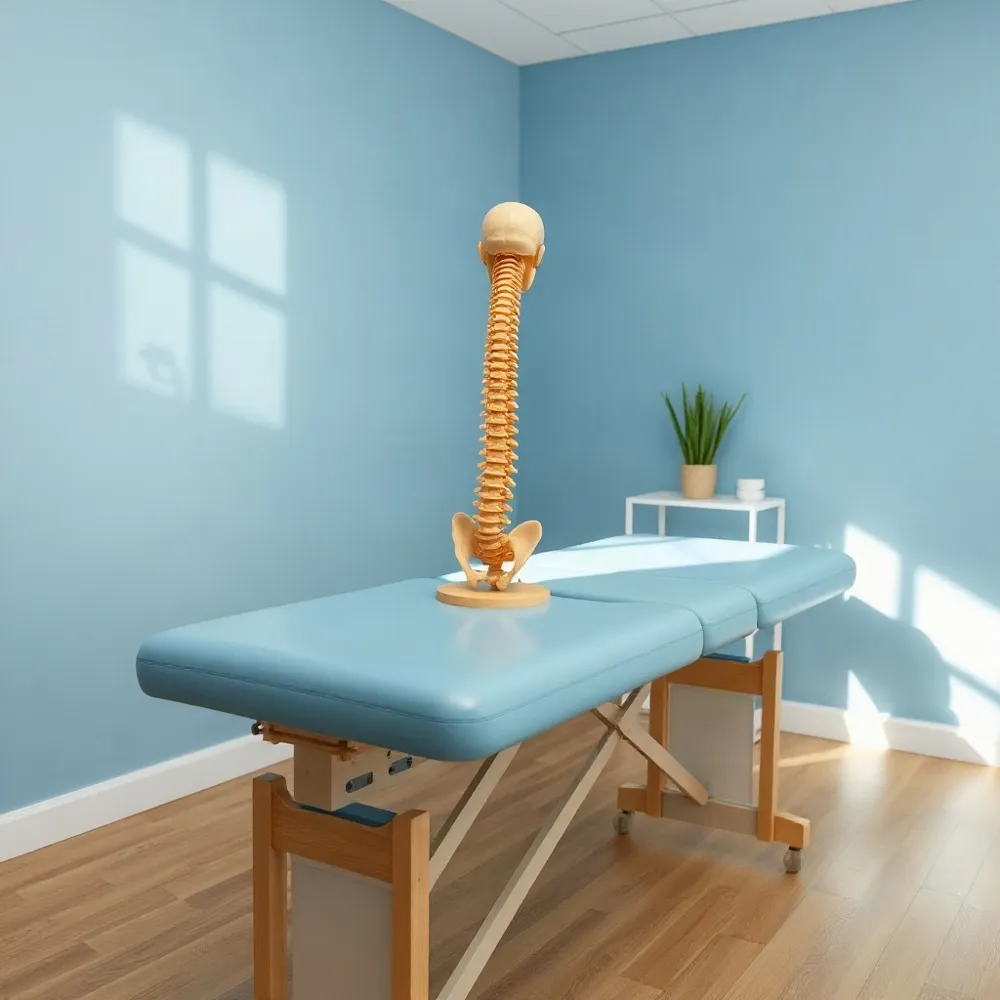 Migraine attacks often begin with tension in the neck and upper shoulders, a pattern that ties directly to how the cervical spine interacts with the nervous system. When the vertebrae in the neck shift or lose their natural alignment, nerve pathways that travel toward the head can become irritated, which may set the stage for recurring headache symptoms. This is why chiropractic care for migraines in Glenwood Springs and beyond starts with a detailed examination of the cervical spine rather than just treating the head itself.
Research published in the medical literature, including a review on chiropractic spinal manipulative treatment of migraine, highlights that spinal adjustments can reduce both the frequency and intensity of migraine episodes. The mechanism is thought to involve restoring proper joint movement, reducing muscle tension in the neck, and improving blood flow to the brain. By addressing the underlying spinal strain that often accompanies migraines, chiropractic care offers a non-invasive alternative to relying solely on medication.
Why the Cervical Spine Matters for Migraine Sufferers
The upper cervical region, specifically the atlas and axis bones at the top of the spine, sits in close proximity to the brainstem and the trigeminal nerve, which is a major player in migraine pathways. When these structures experience misalignment, a condition known as subluxation, the resulting nerve interference can contribute to the throbbing, pulsing pain typical of migraines. Chiropractors use gentle adjustments to realign these vertebrae, which relieves pressure on the nerves and reduces the muscular tension that often accompanies attacks.
For patients dealing with recurrent headaches, the connection between neck health and migraine frequency is particularly relevant. Many people who seek chiropractic care report that consistent adjustments not only shorten individual episodes but also diminish how often they occur overall. This outcome supports the idea that migraines are not isolated events but rather symptoms of a broader biomechanical issue that responds well to targeted spinal care.
| Cervical Spine Issue | How It Contributes to Migraines | Chiropractic Approach |
|---|---|---|
| Subluxation in upper neck | Irritates brainstem and trigeminal nerve | Gentle spinal adjustment to restore alignment |
| Muscle tension in neck and shoulders | Increases nerve sensitivity and pain signals | Therapeutic massage and myofascial release |
| Restricted joint mobility | Limits blood flow and nerve transmission | Manual manipulation to improve range of motion |
Lifestyle Strategies That Complement Chiropractic Care
 Chiropractors employ specific, evidence-informed techniques to address the cervical spine's role in migraine pathology. These methods aim to correct segmental dysfunction that can irritate nerve roots and restrict blood flow, potentially triggering headache pathways. By using precise, controlled forces, practitioners seek to restore normal joint mechanics and reduce nervous system irritability.
A primary approach involves spinal manipulation, often called spinal adjustment. This technique applies a high-velocity, low-amplitude thrust to a restricted joint, aiming to improve its range of motion. For migraines, the focus is typically on the upper cervical spine (C1-C2) and the cervicogenic regions. Research published in the journal PMC indicates that this intervention may be effective for some migraine types, though it is often most beneficial for headaches of cervical origin.
Common Adjustment Methods
Diversified Technique. This is the most common manual adjustment method. It involves a quick, hands-on thrust to a specific joint segment to restore alignment and movement. It is frequently used to treat the upper neck where cervicogenic headaches originate.
Cervical Mobilization. A gentler, low-force technique that uses stretching and movement of the neck joints without a forceful thrust. It is often preferred for acute pain or for patients who require a softer approach to reduce muscle spasm and improve joint play.
Technique-Specific Adjusting. Some practitioners use specialized instruments, such as the activator, which delivers a rapid, low-force impulse. This can be particularly suitable for patients who are anxious about manual cracking or for those with specific anatomical restrictions.
For many patients, these manual techniques are complemented by adjunctive therapies. Modalities like myofascial release and postural exercises are frequently employed to support the spinal corrections. This holistic approach aligns with the philosophy that migraines often stem from a combination of spinal and muscular tension. It is this combination of spinal adjustment and soft-tissue work that many chiropractors, including those at Glenwood Chiropractic, find crucial for long-term relief.
While the techniques are standard, the application is highly individualized. A thorough neurological and orthopedic examination determines which specific technique will be used and on which segments. The goal is to achieve the most significant reduction in headache frequency and severity with the least amount of intervention, a principle that underpins chiropractic care for headaches.
When considering options, some patients ask how this differs from standard physical therapy or medical management. While physical therapy focuses on muscle strengthening, and medical care often uses medication to mask symptoms, chiropractic adjustments directly address the mechanical dysfunction in the spine. This mechanical correction is the specific differentiator that leads to functional restoration of the cervical spine, offering a direct alternative to pharmacological approaches for many.
Addressing Common Questions About Chiropractic and Migraine Care
 When migraine pain persists despite medication, many people look for a drug-free option. Chiropractic care, which focuses on spinal alignment and nervous system function, is one of the most common complementary approaches for headaches. But how strong is the evidence? Research suggests that chiropractic adjustments may reduce the frequency and intensity of migraines, especially when the pain originates from the neck or upper spine.
A frequently cited study, published in 2019 and available through the National Institutes of Health, found that chiropractic spinal manipulative therapy was associated with significant reductions in migraine frequency and disability. In one arm of the trial, participants received chiropractic care and experienced a 40% reduction in migraine days, compared to a 24% reduction for those taking standard medication alone. This research points to a real, measurable benefit for many migraine sufferers.
Frequency. The 2019 study showed a 40% reduction in migraine days for the chiropractic group, a meaningful change for those dealing with weekly attacks.
Intensity. Participants reported lower pain scores after the treatment period, suggesting that adjustments help not just how often migraines occur, but how severe they feel when they do.
Medication use. Some migraine patients were able to reduce their reliance on over-the-counter pain relievers during the study, which can help avoid the cycle of medication overuse headaches.
Understanding the Research Limitations
Not every review agrees on the strength of the evidence. A 2014 systematic review noted that while earlier studies showed promise, many were small or had short follow-up periods, limiting the reliability of the conclusions. The same review did note that spinal manipulation was as safe as a placebo, with no serious adverse events reported in the included trials. So while the evidence is not overwhelming, it suggests a favorable safety profile and a potential benefit, especially for those with cervicogenic (neck-origin) headaches.
Chiropractors typically combine adjustments with other conservative methods. At glenwoodchiro.com, the treatment plans often include posture correction, ergonomic advice, and targeted exercises. This whole-person approach differs from the standard medical model that relies heavily on daily preventive medication. By addressing musculoskeletal issues that trigger migraines, the care targets the root cause rather than just the symptoms.
How Chiropractic Care Compares to Other Natural Options
Chiropractic is not the only natural path to headache relief. Acupuncture, massage, and physical therapy all have their advocates. But chiropractic care has a distinct advantage: it focuses specifically on the spine and nervous system, which are often implicated in tension-type headaches and migraines. Unlike a generic massage that relaxes muscle groups, chiropractic adjustments restore proper joint motion, which can reduce nerve irritation and muscle tension at their source.
| Aspect | Chiropractic Care | Acupuncture | Physical Therapy |
|---|---|---|---|
| Focus | Spinal alignment and nervous system | Meridian points and energy flow | Exercise and muscle balance |
| Typical session | 15-30 minutes | 20-40 minutes | 30-60 minutes |
| Evidence base | RCTs for migraines | Moderate for headache prevention | Good for neck pain related headaches |
| Risk of side effects | Low, mild soreness possible | Low, rare bleeding | Low, muscle soreness possible |
| Insurance coverage | Often covered under chiropractic benefits | Varies, often not covered | Usually covered with a referral |
Taking the First Step Toward Migraine Freedom
The link between spinal health and migraine symptoms comes down to how the cervical spine interacts with the brainstem and nervous system. Misalignments, known as subluxations, can irritate the nerves and restrict blood flow, setting the stage for recurrent headache cycles. Chiropractors address these mechanical issues with targeted adjustments rather than simply masking the pain.
When the upper cervical vertebrae lose their proper alignment, the resulting nerve interference can amplify headache triggers. Manual therapy, including the spinal manipulative treatment of migraine, works to restore joint mobility and ease muscle tension. Research from the National Library of Medicine indicates that chiropractic interventions can directly reduce migraine frequency and intensity by correcting vertebral misalignments.
The evidence base supports this approach. A 2019 systematic review published by the American Chiropractic Association concluded that spinal manipulation is an effective treatment for tension-type headaches and a promising option for cervicogenic headache and migraine. Additional findings suggest that regular adjustments may decrease migraine episodes by as much as 90%, a figure often highlighted in clinical practice despite the need for larger trials.
Unlike reliance on medication, which frequently causes rebound effects or tolerability issues, chiropractic offers a non-pharmacological path to long-term relief. By addressing the underlying mechanical stressors, it reduces the overall burden of headache disorders. For those seeking natural strategies, combining adjustments with posture correction and lifestyle guidance produces lasting results. The expert team at Glenwood Chiropractic Center applies these principles every day, tailoring care plans to each patient's specific spinal patterns.