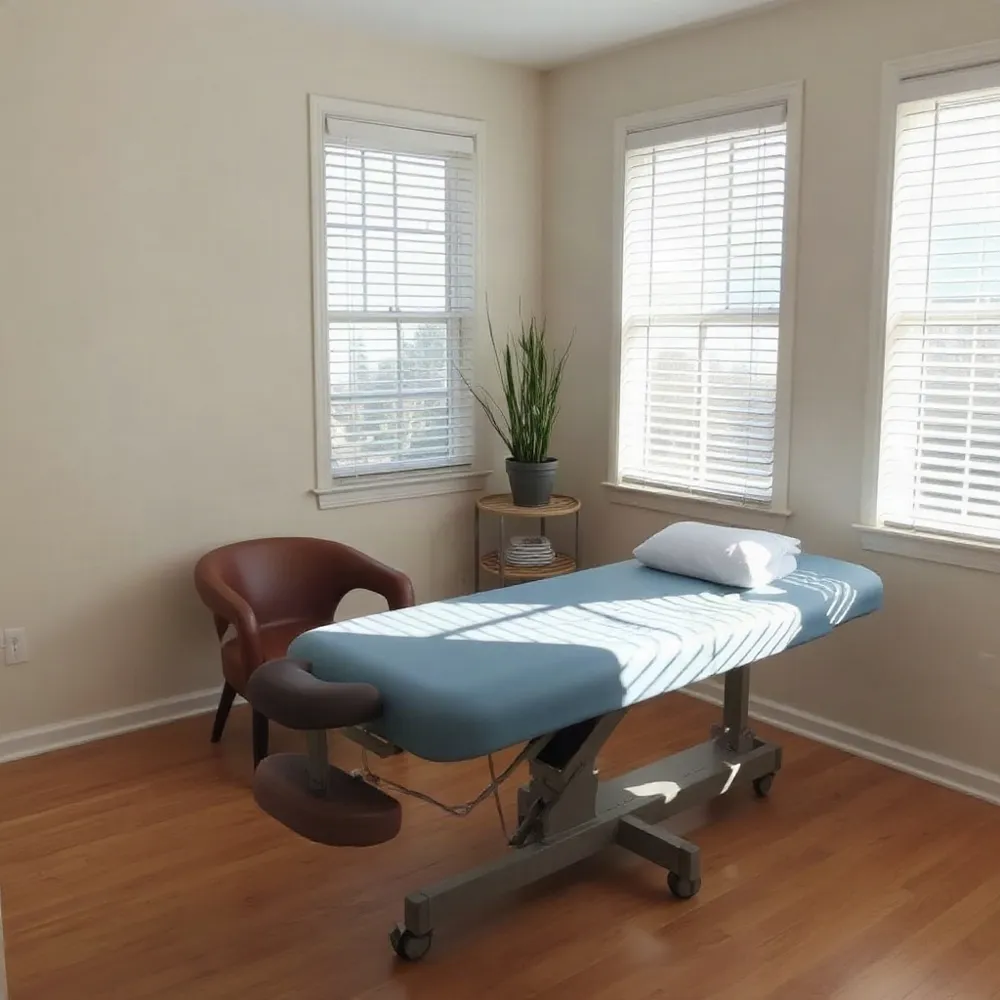
Welcome to Your First Visit
Your first chiropractic appointment is a comprehensive experience designed to establish a solid foundation for care. You will begin by completing a brief health questionnaire that captures medical history, current symptoms, and lifestyle factors. The chiropractor then conducts a focused physical exam—posture analysis, range‑of‑motion testing, muscle strength checks, and basic neurological screening—to pinpoint areas of dysfunction. Imaging such as X‑rays is ordered only when clinical findings suggest a need, such as recent trauma or suspected structural issues. Based on the exam, the practitioner discusses findings, answers questions, and outlines a personalized treatment plan, which may include a gentle adjustment, soft‑tissue work, and home‑care recommendations. The visit typically lasts 45–60 minutes, allowing time for education, consent, and a relaxed, collaborative atmosphere.
What Happens During Your First Chiropractic Visit?
 When you walk into a Glenwood Springs chiropractic clinic, the visit starts with a brief intake and a detailed health‑history questionnaire that captures your symptoms, past injuries, daily habits, and wellness goals. The chiropractor then conducts a physical assessment—posture analysis, range‑of‑motion tests, muscle tone checks, and orthopedic or neurological evaluations—to locate any functional imbalances. Imaging such as X‑rays is ordered only when the exam indicates a clear need, for example after recent trauma or when structural issues are suspected.
What will a chiropractor do on your first visit at a Glenwood Springs clinic? The clinician reviews your history, performs the exam, may order imaging if required, and then creates a personalized treatment plan that outlines adjustments, supportive therapies, and home‑care recommendations.
Will a chiropractor perform an adjustment on the first visit? Often a gentle introductory adjustment is offered after the assessment, but only if the findings support it and you feel comfortable. If the case is more complex, the first appointment may focus on diagnostics and planning, with adjustments scheduled for a later session.
Safety and the Science of Cervical Adjustments
 Cervical (neck) adjustments are performed by licensed chiropractors using controlled, low‑force techniques or instrument‑assisted methods. When a practitioner first reviews your health history, screens for red‑flag conditions (e.g., recent trauma, severe osteoporosis, vascular disease), and conducts a thorough physical exam, the procedure is generally safe. The most common sensation is a brief “popping” sound caused by gas release in the joint, followed by mild soreness that usually resolves within 24‑48 hours. Serious adverse events, such as arterial dissection leading to stroke, are exceedingly rare—studies estimate a risk well under one in a million adjustments. Chiropractors also consider risk factors like uncontrolled hypertension, bleeding disorders, or known cervical instability before proceeding. If those contraindications are absent, allowing a chiropractor to adjust your neck is a low‑risk, evidence‑based option for relieving neck pain, improving range of motion, and reducing headache frequency. Always discuss any health concerns with your practitioner to ensure the treatment aligns with your individual needs.
Preparing for Your Appointment and What to Wear
 When you arrive for your first chiropractic visit, wear comfortable, flexible clothing that allows easy movement—loose‑fitting, stretchy clothing such as yoga pants, athletic shorts, leggings, or a soft T‑shirt—so the practitioner can easily assess posture and perform adjustments. Avoid stiff jeans, heavy sweaters, or tight undergarments that restrict movement; remove jewelry, watches, and belts, and pull long hair back. Choose slip‑on shoes or supportive flats, and consider thin socks for table grip.
Pre‑appointment checklist: bring photo ID, insurance information, and relevant medical records or prior imaging. Arrive 10‑15 minutes early to complete paperwork and review your symptom history. Stay well‑hydrated before and after the visit, but skip heavy meals and vigorous exercise right before the appointment. A light snack e.g., a piece of fruit or a small yogurt a a few hours prior is ideal.
What should you wear to a chiropractic appointment? Wear loose, comfortable clothing that allows the chiropractor to access your back and joints without restriction.
How should you prepare for a chiropractic appointment? Arrive early with identification, insurance, and medical records; stay hydrated, eat lightly, and be ready to discuss your pain and goals.
Understanding Costs, Side Effects, and Maximizing Benefits
 A first‑time chiropractic appointment in Glenwood Springs typically runs between $80 and $130, with most clinics pricing the comprehensive evaluation at around $100‑$120. New‑patient specials can bring the fee closer to $75, while practices that include imaging or specialized therapists may approach $150. Insurance may cover a portion, but out‑of‑pocket costs usually stay within this range.
Common short‑term effects after the initial adjustment include mild soreness or stiffness in the treated muscles and joints, which usually eases within 24‑48 hours. Some patients report temporary fatigue, mild headache, or a brief light‑headed sensation—particularly after neck work—yet these symptoms are harmless and resolve quickly with well‑hydrated before and after the visit, rest, and gentle movement.
To get the most out of your adjustment, stay well‑hydrated before and after the visit, follow the prescribed stretch and strengthening routine, and maintain good posture throughout the day. Complementary therapies such as soft‑tissue massage can improve circulation, and attending follow‑up appointments as recommended helps build on each adjustment for lasting pain relief and improved mobility.
Chiropractic Philosophy and Broader Health Impacts
 What are the 3 T's in chiropractic philosophy?
In chiropractic philosophy, the “3 T’s” stand for thoughts, trauma, and toxins. Trauma includes major injuries and repetitive micro‑traumas like prolonged sitting. Toxins cover inflammatory foods, environmental pollutants, and mold. Thoughts refer to chronic mental stress that keeps the nervous system in a sympathetic state, disrupting hormonal balance. Addressing these three factors through nutrition, movement, and stress‑reduction restores nervous system function and overall health.
What are the 3 T's in chiropractic philosophy?
In chiropractic philosophy, the “3 T’s” stand for thoughts, trauma, and toxins. Trauma includes major injuries and repetitive micro‑traumas like prolonged sitting. Toxins cover inflammatory foods, environmental pollutants, and mold. Thoughts refer to chronic mental stress that keeps the nervous system in a sympathetic state, disrupting hormonal balance. Addressing these three factors through nutrition, movement, and stress‑reduction restores nervous system function and overall health.
Does chiropractic care affect cortisol levels? Research indicates that regular spinal adjustments can lower cortisol , the primary stress hormone, leading to reduced anxiety, better mood, and a calmer nervous system response.
Can a chiropractor address neck crepitus (crackling)? Yes. A chiropractor evaluates joint mechanics, identifies dysfunction, and uses targeted adjustments and therapeutic exercises to reduce the audible neck crepitus (crackling) by restoring proper joint motion and decreasing irritation.
Your Path to Trust and Comfort
Your first chiropractic visit is a collaborative process: a detailed health history, a gentle physical exam, and, when needed, imaging provide the foundation for a personalized care plan. The clinician will explain findings in plain language, discuss whether an adjustment is appropriate, and outline realistic goals for pain relief, mobility, and overall wellness. Throughout the appointment you will hear the characteristic popping of joint cavitation, but any discomfort should be mild and short‑lived. Remember that you control the pace—always feel free to pause, decline, or request alternative techniques. Open dialogue is the cornerstone of trust; ask about the adjustment method, expected sensations, post‑visit care, and any concerns you have. Your questions help the chiropractor tailor treatment to your comfort level and ensure the best possible outcome.