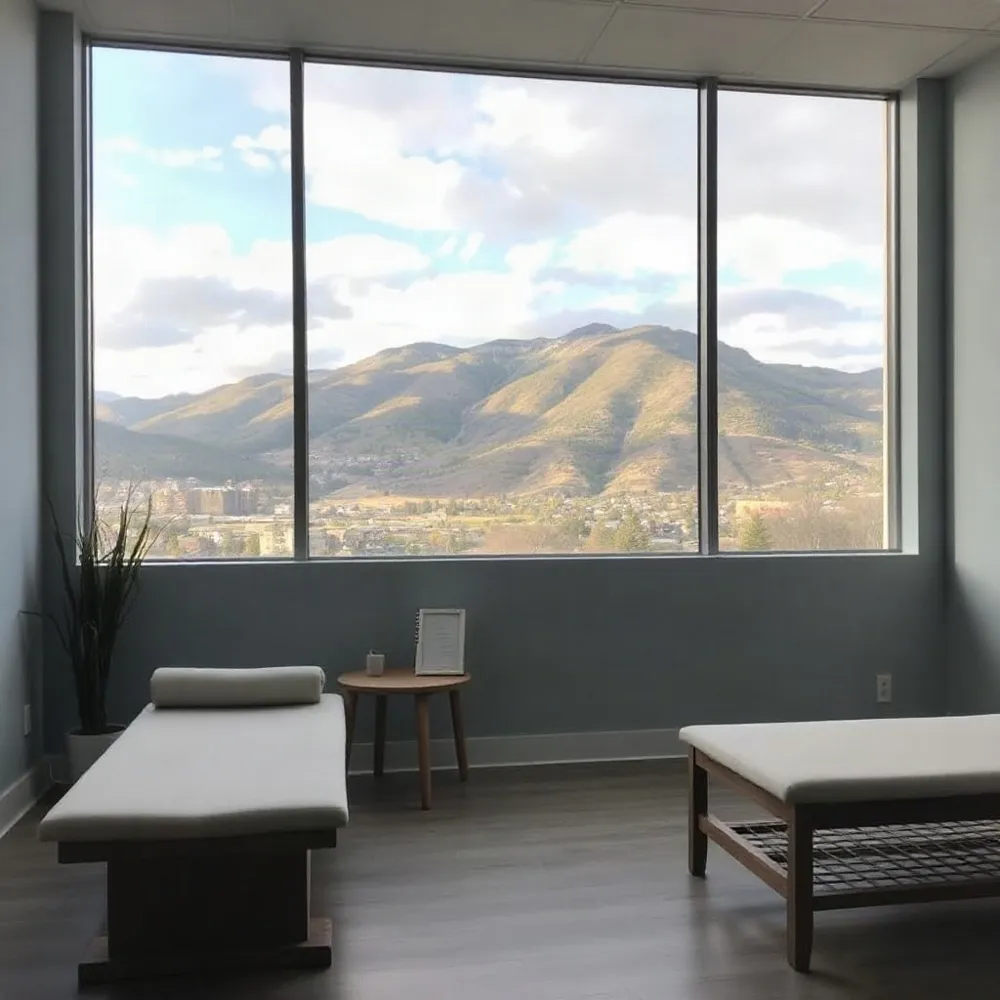
Why Rehabilitation Is Critical Following Any Musculoskeletal Injury
Many patients view surgery or the stabilization of a trauma as the final step in their recovery. In reality, these interventions mark only the beginning of the healing process. While medical procedures address immediate damage, rehabilitation is the essential component of care required to regain long-term strength, flexibility, and mobility.
At glenwoodchiro.com, we emphasize that true functional independence requires a systematic transition from acute care to targeted movement. Unlike passive recovery at home, which often leads to the development of scar tissue and muscle atrophy, structured programs provide the necessary oversight to correct faulty movement patterns. This professional guidance ensures that each stage of healing builds upon the last, helping patients safely navigate the path from protection to full activity.
It is also common for individuals to underestimate the time required for complete recovery. Clinical research confirms that consistent, multidisciplinary engagement is the only way to avoid the complications of sedentary behavior, such as chronic pain or joint stiffness. By staying committed to a personalized plan at glenwoodchiro.com, patients can actively prevent the secondary issues that often follow an initial musculoskeletal injury.
Integrative Approaches to Musculoskeletal Healing
 Musculoskeletal rehabilitation is a comprehensive, patient-centered process designed to restore function, alleviate pain, and optimize biomechanical health following injury or chronic conditions. At glenwoodchiro.com, we recognize that true healing requires addressing the systemic nature of an injury rather than focusing on a single affected site. While traditional clinical pathways often isolate interventions, an integrated approach synchronizes Physical Therapy (Physiotherapy) with Chiropractic Adjustment care to provide complete support for both the musculoskeletal and nervous systems.
Chiropractic care plays a vital role by focusing on spinal and joint adjustments to improve mobility, restore healthy biomechanical relationships, and support the body's natural healing mechanisms. Complementing this, structured rehabilitation utilizes targeted exercises to enhance muscle control, strength, flexibility, and neuromuscular coordination throughout the kinematic chain. By combining these evidence-based modalities, patients can effectively resolve functional deficits, prevent muscle atrophy, and reduce the risk of future injury or chronic disability.
Systemic Support. Integrating chiropractic adjustments for spinal health with physical therapy for functional movement ensures that both the structural alignment and the underlying strength are addressed simultaneously. This dual focus improves proprioception and reduces the development of compensatory movement patterns that lead to long-term pain.
Preventing Complications. Holistic care aims to identify and correct faulty biomechanics early, preventing secondary complications like excessive scar tissue buildup, muscle weakness, or joint stiffness. Consistent attendance at a clinic like glenwoodchiro.com transforms recovery from a series of disjointed visits into a coherent, phase-based progression toward peak performance.
Evidence-Based Advantages of Professional Care
 Professional care transitions the recovery process from passive symptom management to active functional restoration. While temporary relief is often the initial focus, the primary goal of physical therapy is to address the underlying structural imbalances that contribute to persistent pain. By utilizing targeted manual techniques and therapeutic exercises, clinicians help patients move beyond superficial comfort to reach sustainable, long-term health.
Non-invasive, drug-free treatments provide an effective alternative for managing chronic musculoskeletal issues. For instance, research indicates that patients utilizing chiropractic care as a primary intervention for lower back pain are significantly less likely to rely on long-term opioid use. At glenwoodchiro.com, we emphasize this proactive approach, ensuring that every adjustment and therapeutic exercise serves to correct biomechanical flaws rather than simply masking discomfort.
Integrating these professional methods creates a synergy that improves overall biomechanical performance. Where some traditional approaches might focus solely on a single injured site, a holistic rehabilitation program addresses the entire kinetic chain. This method ensures that joints are properly supported by surrounding musculature, which is critical for restoring peak movement and preventing future complications. Consistently attending physical therapy sessions allows for real-time adjustments to your treatment plan, ensuring that your recovery remains both safe and efficient.
- Restoring joint alignment and improving nervous system signaling through spinal manipulation.
- Strengthening stabilizing muscles to reduce strain and prevent secondary injury patterns.
- Correcting faulty movement habits that can lead to chronic inflammation.
- Facilitating faster recovery from sports-related trauma using specialized soft-tissue therapies.
The Physiology of Chiropractic Adjustments
 At glenwoodchiro.com, a chiropractic adjustment involves a practitioner applying controlled, precise force to a spinal joint, often using a specialized table or handheld instrument. This manual joint manipulation aims to restore proper alignment and improve joint mobility. Patients often hear a popping sound during this process, which is simply the release of gas bubbles from within the joint fluid, a normal mechanical byproduct of restoring motion.
What should patients expect during and after a chiropractic adjustment?
After the procedure, it is common for patients to feel immediate relief and increased range of motion. Some may experience mild, temporary soreness, much like the muscle ache felt after a new workout. This sensation usually fades within 24 to 48 hours as the body adapts to improved structural alignment. While common myths suggest this soreness results from releasing toxins, it is actually a standard physiological response to improved joint function and muscle recruitment, as detailed in Chiropractic Adjustment Care, Treatment & Benefits.
Consistent follow-up care is necessary to reinforce these neural and structural gains. By regularly visiting glenwoodchiro.com, patients ensure that surrounding muscles properly support the restored joint position, preventing the body from reverting to old, harmful movement patterns. Much like the structured approach recommended for physical therapy, chiropractic care provides a path to long-term health rather than just short-term symptom relief, helping maintain consistent gains in coordination and nervous system regulation.
Comparing Chiropractic and Physical Therapy Techniques
While both chiropractic care and physical therapy are non-invasive disciplines aimed at restoring function and alleviating pain, they utilize distinct primary methodologies. At glenwoodchiro.com, we focus on neuromusculoskeletal health, frequently employing manual joint manipulation to correct misalignments and address chronic pain. In contrast, standard physical therapy often emphasizes the restoration of movement by guiding patients through targeted therapeutic exercises and functional training to improve strength and agility.
How do physical therapy and chiropractic care compare in their treatment approaches?
Beyond these primary techniques, both professions may utilize complementary modalities to manage inflammation and support tissue healing. Chiropractors commonly integrate soft-tissue therapies like myofascial release, as noted by SCUHS, to improve blood flow and reduce muscle tension. Physical therapists may similarly employ electrical stimulation or ultrasound to facilitate recovery. By combining these approaches, patients can access a holistic strategy that addresses both joint mechanics and muscular stability.
Consistent attendance is vital for success in any regimen. According to Hackensack Meridian Health, failing to adhere to professional recovery schedules can delay healing and limit progress in range of motion. At glenwoodchiro.com, we ensure that your recovery plan evolves to meet your specific functional goals, bridging the gap between clinical intervention and everyday performance.
The Critical Nature of Early Intervention
Healing timelines for musculoskeletal injuries vary significantly based on the severity of the damage, the specific tissue involved, and an individual’s overall health status. The recovery process moves through overlapping phases, including inflammation, proliferation, and remodeling, each requiring different clinical approaches to ensure proper tissue repair.
How does the timeline for injury recovery vary, and when should rehabilitation begin?
Because soft tissue healing transitions dynamically between these stages, initiating rehabilitation as soon as medically appropriate is essential to reduce pain, prevent muscle atrophy, and avoid long-term dysfunction. While some patients believe that absolute rest is the best approach to healing, guided movement is superior to sedentary recovery. Static inactivity often results in the buildup of disorganized scar tissue, which restricts flexibility and limits range of motion. Physical therapy and structured movement programs are designed to prevent these complications by fostering healthy collagen alignment during the repair phase.
Waiting too long to begin treatment carries significant risks. When injury sites are neglected, the body develops compensatory movement patterns to bypass pain, which frequently leads to secondary strain in healthy areas of the body. Professionals at glenwoodchiro.com emphasize that clinical oversight allows for the identification of these unsafe habits early. Consistent engagement with a recovery plan minimizes the risk of complications like chronic pain or future injury, ensuring a more stable and functional return to activity.
Consequences of Neglecting Prescribed Rehabilitation
Neglecting a structured recovery plan often creates a cascade of physiological issues that extend far beyond the initial injury. When patients fail to follow through with prescribed physical therapy or necessary chiropractic interventions, the body frequently develops suboptimal compensation patterns. These poor movement habits occur as the body attempts to work around stiffness or weakness, placing undue stress on healthy, unaffected joints. This biomechanical imbalance often leads to the development of secondary injuries in previously healthy areas of the musculoskeletal system.
What are the risks of skipping or refusing prescribed physical therapy and chiropractic care?
Skipping or refusing prescribed physical therapy and chiropractic care can lead to significant clinical setbacks, including delayed recovery, the development of chronic pain, and permanent limitations in range of motion. When rehabilitation is neglected, patients often fall into a cycle of compensatory movement patterns, which places undue stress on unaffected joints and tissues, potentially triggering new secondary injuries. Furthermore, non-adherence undermines the foundational goal of restoring musculoskeletal health, leaving the body vulnerable to recurring issues that could have been prevented through a consistent, evidence-based treatment plan. From a risk management perspective, failing to follow professional guidance may also complicate a patient’s legal and clinical standing should complications arise from an improperly healed condition. Ultimately, consistent participation in your prescribed care plan is essential for achieving long-term functional stability and maintaining optimal physical independence.
At glenwoodchiro.com, our approach emphasizes that recovery is a progression rather than a single event. Missing appointments often results in the accumulation of scar tissue, which can significantly reduce flexibility and lead to chronic discomfort per 5 Reasons to Avoid Skipping Physical Therapy Appointments. Beyond the physical toll, neglecting these sessions can increase overall long-term costs. Patients who do not address underlying dysfunction often find that simple, preventable issues evolve into permanent disability or require intensive medical interventions that could have been avoided with consistent professional guidance.
Collaborating for Your Long-Term Health
Effective recovery requires a dynamic partnership between the patient and the clinician. At glenwoodchiro.com, providers tailor care plans based on functional milestones rather than fixed timelines, ensuring each adjustment and exercise aligns with your current mobility needs. Consistent attendance is vital for long-term health, as documented in studies showing that consistent physical therapy directly correlates to better agility and strength outcomes.
If logistical barriers like transportation or scheduling impede your progress, communicate these challenges immediately. Your clinic can adjust frequencies or provide home-based support to maintain momentum. By remaining an active participant and providing honest feedback on your pain and exertion levels, you ensure the rehabilitation process stays productive, efficient, and focused on your specific goals.