Embracing A Comprehensive Approach to Musculoskeletal Health
Overview of Whole-Person Care in Musculoskeletal Health
Whole-person care addresses physical, emotional, and environmental factors influencing musculoskeletal health. This approach views the body as an interconnected system, aiming for overall wellness rather than isolated symptom treatment.
Importance of Integrative Therapies
Integrating chiropractic care, rehabilitation, acupuncture, massage, and shockwave therapy creates a multidisciplinary strategy. Chiropractic adjustments restore spinal alignment and enhance nervous system function. Acupuncture supports pain relief and reduces inflammation. Rehabilitation focuses on functional recovery, while massage and shockwave therapies promote tissue healing and relaxation.
Client-Centered Personalized Treatment
Personalized care plans are tailored to individual needs, goals, and lifestyle. Thorough assessments guide treatment selection, emphasizing education, self-care, and prevention. This holistic approach supports faster recovery, sustained pain relief, and long-term wellness by addressing root causes and empowering patients toward healthier living.
Chiropractic Care: Foundations and Functional Benefits

What is chiropractic care and how does it help with musculoskeletal issues?
Chiropractic care is a non-invasive, drug-free health discipline focused on diagnosing and managing musculoskeletal disorders, especially those involving the spine. Licensed chiropractors perform precise manual adjustments to realign spinal joints and restore proper function. These adjustments reduce nerve pressure and improve joint mobility, addressing conditions like back and neck pain, headaches, sciatica, and muscular stiffness. Beyond symptom relief, Chiropractic care emphasizes preventive health through posture correction and lifestyle guidance to support lasting musculoskeletal wellness.
How do chiropractic adjustments work to alleviate pain and improve function?
Chiropractic adjustments apply controlled forces to specific spinal joints, correcting misalignments or subluxations that disrupt normal biomechanics and nerve communication. The stimulation of joint mechanoreceptors during adjustment modulates pain signals, often explained by pain inhibition theories such as the Gate Control Theory. This process reduces muscle spasms and joint stiffness while supporting the nervous system’s role in pain processing. By restoring normal joint motion and easing nerve irritation, chiropractic care enhances mobility and facilitates the body's inherent healing.
What types of therapies are commonly used in chiropractic clinics to restore mobility and relieve pain?
In addition to spinal adjustments, chiropractic clinics often utilize complementary therapies including:
- Soft tissue therapies (massage) to relax muscles and improve circulation.
- Laser and ultrasound treatments to reduce inflammation and promote tissue healing.
- Dry needling targeting muscle trigger points for pain relief.
- Therapeutic exercises designed to strengthen muscles and maintain joint function.
- Nutritional counseling to support anti-inflammatory responses and overall recovery.
Is chiropractic care safe, and who can benefit from it?
Chiropractic care is generally very safe when delivered by qualified professionals. Minor side effects such as temporary soreness or mild headaches may occur but are short-lived. People ranging from children to older adults benefit from chiropractic treatments, particularly for back pain, neck issues, and headache management. It offers an effective alternative to medication, supporting holistic health. Nevertheless, individuals with certain health issues like severe osteoporosis or stroke history should consult healthcare providers before treatment to ensure safety.
| Aspect | Details | Notes |
|---|---|---|
| Definition | Non-invasive, manual spinal and musculoskeletal care | Focuses on realignment and nervous system health |
| Mechanism of Adjustment | Controlled force to correct joint subluxations | Modulates pain and improves joint function |
| Common Conditions | Back pain, neck pain, headaches, sciatica | Also supportive for muscular stiffness |
| Complementary Therapies | Massage, laser therapy, dry needling, exercises | Nutrition guidance included |
| Safety Profile | Generally safe with minimal, temporary side effects | Contraindications require professional consultation (source) |
| Patient Benefits | Pain relief, improved mobility, preventive care | Suitable for diverse age groups |
The Synergistic Integration of Acupuncture with Chiropractic Care
Overview of Acupuncture Therapy and Its Mechanisms
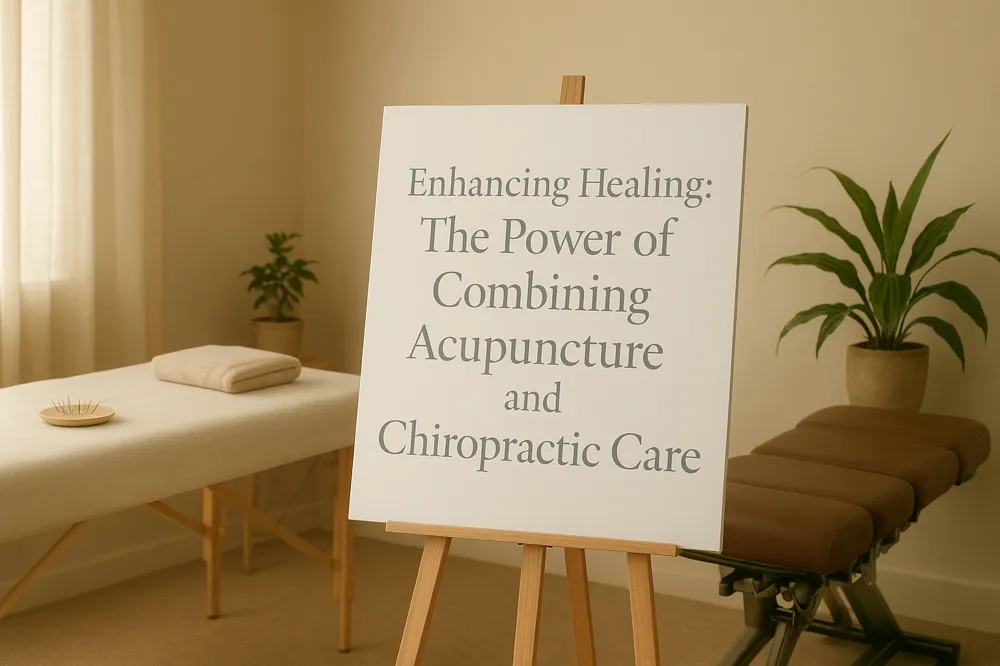
Acupuncture is a traditional therapy that involves the insertion of ultra-thin needles at specific points along energy pathways called meridians. Scientific studies have demonstrated that acupuncture therapy activates the central nervous system, promoting the release of endorphins and enhancing blood circulation. This stimulation helps reduce inflammation, alleviate pain, and restore the natural flow of energy (Qi), supporting the body's healing processes.
How Acupuncture Complements Chiropractic Adjustments
Chiropractic care primarily targets musculoskeletal alignment through spinal adjustments, aiming to restore joint mobility and optimize nervous system function. Acupuncture complements these adjustments by relaxing muscle tension, reducing joint stiffness, and balancing the body's energetic pathways. Together, these therapies address both the mechanical and neurological causes of pain and dysfunction.
Combined Benefits on Pain Relief, Inflammation, and Nervous System Regulation
The integration of Integrating acupuncture with chiropractic care offers synergistic effects for pain management. Chiropractic adjustments correct spinal misalignments that can impede nerve communication, while acupuncture promotes endorphin release and improves circulation. This dual approach reduces inflammation, muscle spasms, and stress responses. Furthermore, it enhances nervous system regulation, which supports improved immune function, better sleep quality, and mental well-being.
Applications for Chronic Pain, Migraines, Stress, and Sports Injuries
Patients with chronic back and neck pain, tension headaches, migraines, and musculoskeletal sports injuries benefit from this combined approach. Acupuncture helps ease muscle tension and relieves anxiety, while chiropractic care improves physical alignment and joint function. Athletes often experience faster recovery, enhanced range of motion, and improved coordination through Integrative Occupational Therapy.
Clinical Evidence Supporting Integrative Approaches
Research has shown that patients receiving both acupuncture and chiropractic care report superior pain relief and functional improvements compared to those receiving either therapy alone. Studies indicate reductions in chronic pain symptoms, decreased medication use, and improved quality of life. These findings support multidisciplinary treatment plans that address multiple facets of health.
Safety and Patient Experience with Combined Modalities
Both acupuncture and chiropractic procedures are safe when administered by licensed, trained professionals. Patients typically experience minimal discomfort during treatments. The combination often leads to rapid alleviation of symptoms, improved relaxation, and a positive healing environment. Coordination between practitioners ensures personalized care tailored to individual needs, enhancing overall patient satisfaction and outcomes.
Rehabilitation Therapies Enhancing Recovery and Functionality

What is the role of rehabilitation in whole-person musculoskeletal care?
Rehabilitation plays a critical role in Integrative Musculoskeletal Care by addressing the complex interplay between physical function, pain, and overall well-being. It complements chiropractic and integrative therapies by focusing on restoring strength, flexibility, and coordinated movement, thus improving patients' quality of life through a Whole Person Care approach.
What are common rehabilitation therapies?
- Physical Therapy: Targets muscle strength, joint mobility, and functional movement through tailored exercises and manual techniques.
- Massage Therapy: Helps relax muscles, improve circulation, reduce pain, and promote tissue healing.
- Shockwave Therapy: A non-invasive method using high-energy sound waves to stimulate tissue repair, reduce inflammation, and minimize scar tissue formation.
Why is injury-specific assessment and personalized rehab planning important?
Thorough injury assessment—including physical exams, posture analysis, and diagnostic imaging—allows clinicians to understand the unique needs and root causes of the problem. Personalized rehab plans optimize recovery by addressing these specific factors, adjusting treatments as healing progresses, and empowering patients through patient education in self-care.
How does rehabilitation support sustained mobility, injury prevention, and pain reduction?
Rehabilitation enhances joint function and muscle balance, which reduces the risk of re-injury. It employs gradual return-to-activity protocols with strengthening and flexibility exercises. These strategies not only alleviate pain but reinforce long-term musculoskeletal health and functional capacity as part of a Multidisciplinary Approach.
How are nutrition, lifestyle modifications, and patient education integrated into rehabilitation?
Integrative rehabilitation includes guidance on anti-inflammatory nutrition, adequate hydration, and healthy lifestyle habits. Patient education emphasizes injury prevention, stress management, and self-care techniques such as Home Exercise Programs, which empower patients for sustained wellness beyond clinical treatment.
Patient Experience: What to Expect from Integrated Care

Initial Assessment Procedures Including History, Physical Exam, and Posture Analysis
Patients beginning integrated care involving chiropractic, acupuncture, and rehabilitation can expect a comprehensive initial assessment. This includes a detailed review of medical history, discussion of symptoms and lifestyle factors, and a thorough physical examination. Posture analysis and lifestyle evaluations help identify misalignments or muscular imbalances impacting function. Some cases may require imaging such as X-rays to better understand underlying issues.
Typical Treatment Session Processes Combining Chiropractic, Acupuncture, and Rehab
Treatment sessions often begin with chiropractic adjustments aiming to restore spinal alignment and improve joint mobility. Patients usually lie on specialized tables while practitioners apply gentle, controlled pressure, sometimes accompanied by an audible joint release. Acupuncture complements this by inserting thin needles at strategic points to promote healing, reduce inflammation, and balance energy flow. Rehabilitation exercises and manual therapies may be incorporated to support muscle function, flexibility, and long-term recovery.
Patient Education for Self-Care, Exercises, and Lifestyle Changes
An essential part of integrated care is empowering patients through education. Providers teach self-care techniques including specific exercises to maintain spinal health, posture corrections, and stress management strategies. Lifestyle advice on hydration, nutrition, and ergonomic adjustments encourages prevention and maintenance and supports sustained wellness.
Safety Considerations and Management of Side Effects
These therapies are generally safe and non-invasive, with minimal risks when administered by licensed professionals. Some patients may experience mild soreness or fatigue after sessions, which usually resolve quickly. Providers monitor any side effects closely and tailor treatments to individual health conditions to minimize discomfort. Information on safety of chiropractic care and acupuncture supports patient confidence.
Expected Timelines and Outcomes for Treatment Plans
Improvement is often noticeable within a few sessions, typically three to six treatments. Chronic or complex conditions may require longer, personalized plans spanning several weeks. The goal is not only symptom relief but also addressing root causes and promoting whole-body wellness, with ongoing assessments to adjust therapies for optimal results.
The Future of Musculoskeletal Care: Collaborative and Holistic Models

Benefits of Integrated Multidisciplinary Musculoskeletal Care Teams
Integrated musculoskeletal care teams bring together specialists across medical, surgical, rehabilitation, nutrition, and mental health disciplines. This coordination supports a patient-centered musculoskeletal strategies approach that addresses the complex physical, emotional, and environmental factors contributing to musculoskeletal conditions. Studies demonstrate improved patient satisfaction and functional outcomes through comprehensive management strategies, especially in complex cases such as rheumatoid arthritis. Collaboration reduces fragmentation of care, streamlines treatment paths, and enhances overall wellness.
Role of Chiropractors Collaborating with Rehab Therapists and Acupuncture Practitioners
Chiropractors play a pivotal role within multidisciplinary teams by providing nonpharmacologic, evidence-based spinal manipulative therapy and manual treatments. Their expertise in diagnosing musculoskeletal disorders complements physical rehabilitation and acupuncture’s pain modulation and energy balancing effects. Combining chiropractic adjustments with acupuncture has shown synergistic benefits including improved nerve communication, enhanced mobility, decreased inflammation, and accelerated healing. Such collaboration empowers patients with diverse modalities tailored to their unique needs, promoting sustainable musculoskeletal care.
Use of Digital Health Tools for Coordination and Patient Engagement
Digital platforms like HingeConnect enable seamless integration of medical records and facilitate communication among providers across virtual and in-person care settings. Wearable sensors and remote monitoring technologies allow real-time assessment of patient progress, enabling proactive interventions to prevent complications and guide individualized care. These innovations support continuous engagement, empower self-management, and reduce dependence on pharmacologic treatments, aligning with national efforts to combat opioid reliance.
Research Trends Highlighting Improved Outcomes and Cost-Effectiveness
Evidence increasingly supports integrated musculoskeletal care for enhancing patient outcomes while controlling healthcare costs. Chiropractic care initiated early in musculoskeletal conditions is linked to significantly lower overall treatment expenses compared with starting care through primary physicians or emergency departments. Additionally, combined therapies addressing both mechanical alignment and energetic balance demonstrate more sustainable relief from chronic pain and functional impairments than isolated interventions.
The Evolving Landscape Emphasizing Holistic Whole-Person Health Management
Modern musculoskeletal care transcends symptom treatment by embracing whole-person care models that incorporate lifestyle, nutrition, mental health, and environmental factors. This holistic approach recognizes the interconnectedness of body systems and prioritizes prevention through personalized education, stress management, and rehabilitation. Whole person care models are increasingly adopted by major health systems, driving a shift toward integrative therapies such as Holistic Chiropractic Care, Chiropractic care and acupuncture, Complementary Therapies, yoga, and mindfulness to optimize long-term wellness and quality of life.
Unlocking Wellness Through Synergy: The Path Forward with Integrative Musculoskeletal Care
Combining chiropractic care, rehabilitation, and acupuncture offers robust benefits for musculoskeletal health.
This integrative approach addresses physical alignment, nervous system function, muscle relaxation, and energy flow, promoting pain relief and improved mobility. It prioritizes a holistic, patient-centered treatment plan tailored to each individual's unique needs and lifestyle.
Collaboration among healthcare providers—including chiropractors, acupuncturists, physical therapists, and other specialists—is essential to optimize recovery and long-term wellness. Integrative care supports not only symptom management but also prevention and maintenance through positive lifestyle changes.
Patients are encouraged to explore these combined therapies to achieve comprehensive whole-body health, enhanced function, and improved quality of life through evidence-based, natural, and non-invasive methods.