What Happens During Your First Chiropractic Visit? A Step‑by‑Step Walkthrough
Getting Ready for Your Appointment
Your first chiropractic visit is designed to be thorough, typically lasting 45 minutes to an hour. To make the most of it, arrive 10–15 minutes early to complete any remaining paperwork. Bring your photo ID, insurance card, a list of current medications and supplements, and any prior imaging (X‑rays or MRIs) related to your condition.
Wear loose, comfortable clothing that allows free movement—think leggings, shorts, loose pants, and a t‑shirt. Avoid tight jeans, skirts, or restrictive attire, as you will be asked to move, bend, and lie down during the exam. If you have a detailed health history ready, including past injuries, surgeries, chronic conditions, and lifestyle factors like your job, exercise routine, and stress levels, the consultation can proceed more efficiently.
The Initial Consultation and Examination
Your visit begins with a one‑on‑one consultation. The chiropractor will ask about your primary concerns: where you feel pain, how it started (sudden injury or gradual onset), what the sensation is like (sharp, dull, burning, throbbing), what makes it better or worse, and how it affects daily activities such as work, sleep, and exercise. This two‑way conversation also gives you space to ask questions about the clinic, the doctor’s experience, and what chiropractic care can address.
After the consultation, a comprehensive physical examination follows. The chiropractor assesses your posture and gait to detect imbalances like uneven shoulders, a tilted pelvis, or unusual walking patterns. Range‑of‑motion tests have you bend, rotate, and move your neck and torso to identify restricted or painful movements. Palpation—using hands to feel the spine, joints, and soft tissues—helps locate tenderness, muscle tightness, misalignments (subluxations), swelling, or inflammation. Orthopedic and neurological tests may check your reflexes, muscle strength, and nerve function, helping to rule out serious conditions and confirm the source of the problem.
Diagnostic imaging (most commonly X‑rays) is used only when medically necessary—for example, after recent trauma, if a structural issue like scoliosis is suspected, or when symptoms like numbness or radiating pain suggest nerve involvement. X‑rays provide a clear view of bone alignment and can reveal degenerative changes or instability that affect treatment safety. If soft tissue damage such as a herniated disc is likely, an MRI might be recommended and arranged at an outside center.
The Adjustment Experience and Aftercare
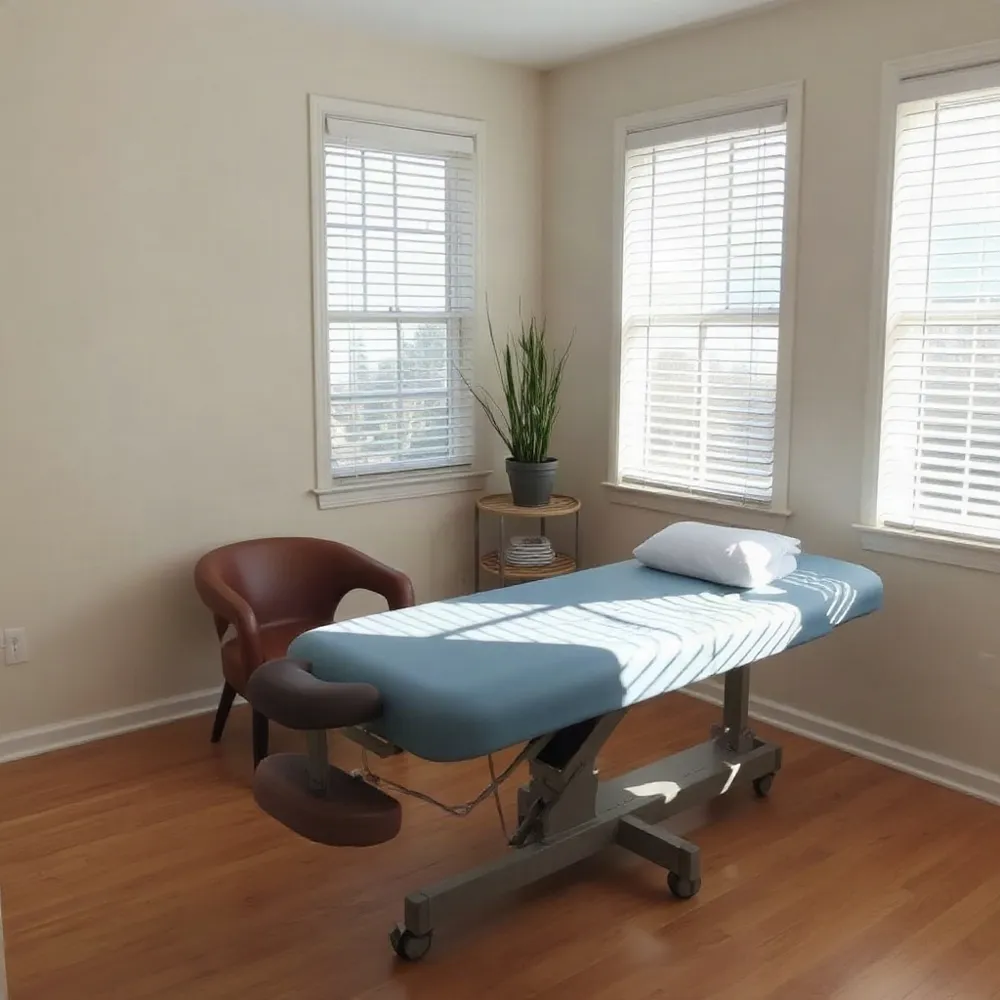
Once the examination is complete and if no red flags are present, many patients receive their first chiropractic adjustment on the same day. You will lie on a padded table, often face down, while the chiropractor uses their hands or a small instrument to apply a controlled, quick force to a specific spinal joint. The goal is to restore normal joint motion, reduce muscle tension, and improve nervous system function.
During the adjustment, you may hear a popping or cracking sound. This is the harmless release of gas (carbon dioxide, oxygen, nitrogen) from the joint fluid, similar to cracking your knuckles. The procedure is usually not painful; most people feel a sense of pressure followed by quick release and immediate relief. After the adjustment, some patients experience mild soreness or aching for a day or two—much like post‑workout muscle soreness—as the body adapts to its new alignment. Staying well‑hydrated helps flush out metabolic byproducts released during the adjustment and supports recovery.
The chiropractor will provide aftercare instructions tailored to your condition, which may include gentle stretches, posture reminders, and advice on applying ice or heat. Follow‑up appointments are typically much shorter (10 to 20 minutes) and designed to build on the progress made during the initial visit.
Benefits, Risks, and Specialized Services
Chiropractic care offers a drug‑free, non‑invasive approach to pain relief and improved mobility. Research shows spinal manipulation can effectively reduce low back pain, neck pain, headaches, and sciatica. Many patients also notice better posture, reduced muscle tension, and greater freedom of movement after regular adjustments. Alongside adjustments, your treatment plan may include complementary therapies such as soft‑tissue techniques (massage), therapeutic exercises, or ergonomic guidance to address underlying causes and prevent recurrence.
Chiropractic adjustments are safe when performed by a trained, licensed professional. Serious complications are rare but can include a herniated disk, nerve compression, or—very rarely—a type of stroke after a neck adjustment. You should not seek adjustment if you have severe osteoporosis, cancer involving the spine, numbness or loss of strength in an arm or leg, or an increased risk of stroke. Your chiropractor will screen for these conditions during the initial consultation and exam.
Costs and Treatment Duration
The cost of a first visit varies depending on your insurance coverage and the clinic’s used. Many health insurance plans cover chiropractic care, often requiring a copay or meeting a deductible. The clinic’s front desk can verify your benefits ahead of time. For uninsured patients, flexible payment options such as cash, credit card, or package discounts are typically available.
Treatment duration is personalized. Acute conditions may require two to three visits per week for the first few weeks, with frequency tapering as you improve. Chronic issues or long‑standing alignment problems may benefit from regular maintenance visits once or twice per month. Your chiropractor will outline a clear plan during the first appointment, including expected outcomes and the number of visits recommended to achieve lasting relief.
Getting Ready for Your First Visit: What to Wear and Bring

What should I wear to a chiropractic appointment?
Choose comfortable, stretchy clothing for your first visit. Items like yoga pants, leggings, shorts, or a soft t‑shirt allow easy movement and let your chiropractor assess your posture and range of motion. Avoid tight jeans, restrictive dresses, or heavy jackets. Thin, flexible fabrics make it easier for the chiropractor to palpate your spine and joints during the exam. Leave bulky jewelry at home and wear flat, comfortable shoes. You will remain fully clothed during the appointment; dressing for comfort helps everything go smoothly.
Bring your photo ID, insurance card, and a list of any current medications or supplements. If you have prior X‑rays or MRI reports related to your condition, bring those as well. Arriving a few minutes early gives you time to complete any remaining paperwork without feeling rushed.
The Comprehensive Examination: What Your Chiropractor Looks For
 Your initial chiropractic appointment begins with a consultation. Your chiropractor will review your medical history, discuss your current symptoms, and understand your health goals. This conversation helps identify the root cause of your discomfort and confirms that chiropractic care is a safe, appropriate choice for you.
Following the consultation, a thorough physical examination is performed. This includes a posture analysis, range‑of‑motion tests (bending, twisting, and rotating), and palpation—using hands to feel the spine for misalignments, muscle tightness, or tenderness. Orthopaedic and neurological tests, such as checking reflexes and muscle strength, may also be conducted. Depending on the findings, X‑rays may be taken to get a clear picture of your spinal structure. All of this information allows your chiropractor to create a precise, personalized treatment plan.
Will a chiropractor do an adjustment on the first visit?
In many cases, yes. If the examination and any required imaging show that it is safe and appropriate, your chiropractor will perform your first gentle adjustment on the same day. The goal is to restore joint motion, reduce tension, and support your body’s natural healing process.
However, if further evaluation is needed or X‑rays must be reviewed first, the adjustment may be scheduled for a follow‑up visit. Your chiropractor will explain every step of the plan before any treatment begins, ensuring you feel informed and comfortable.
Your First Adjustment: What to Expect During and After

What are the side effects of the first chiropractic adjustment first time?
Mild soreness or temporary achiness in the treated area is the most common reaction after a first adjustment. This feeling is similar to post-workout soreness and typically resolves within 24 to 48 hours. Less often, some patients experience a temporary increase in pain, mild headaches, or fatigue. These sensations are normal as the body adapts to improved spinal alignment, and they usually give way to increased mobility and relief. Serious complications are extremely rare when proper care is taken.
What toxins are released after a chiropractic adjustment?
Adjustments do not introduce or "release" toxins into the body. Rather, restricted joints and tight muscles trap metabolic waste products like lactic acid. Improved joint motion and circulation help flush these accumulated by-products into the bloodstream for natural elimination. This process can cause temporary tiredness or dull soreness, which is a normal part of the body's self-correcting response. Drinking plenty of water supports this natural clearance.
How can I relieve pain after a chiropractic adjustment?
Applying ice for 15–20 minutes to any sore areas can ease inflammation. Staying well-hydrated helps the body process metabolic waste. Gentle movement, such as short walks or light stretching, maintains mobility without strain. Avoid heavy lifting or intense exercise for 24 hours. Over-the-counter pain relievers can be used if needed, but most soreness is mild enough to resolve on its own with rest and good posture. Contact your chiropractor if discomfort persists beyond a few days.
Can a chiropractor help with neck crepitus (cracking/popping)?
Yes. Neck crepitus often results from joint restriction or muscle tension. Chiropractic adjustments can address the underlying spinal misalignments that contribute to the clicking sounds. While the sound itself is usually harmless, reducing joint dysfunction may decrease its frequency or any associated discomfort. Your chiropractor will assess whether the crepitus is linked to a specific issue and tailor the care plan accordingly.
The Full Picture: Benefits, Safety, and Specialized Services
What are the benefits and disadvantages of chiropractic care?
Chiropractic offers a non‑invasive, drug‑free approach to pain relief, improved mobility, and reduced reliance on medications for back pain, headaches, and sciatica. Many patients report noticeable improvement within six to ten visits. Disadvantages include the cost of multiple sessions and mild temporary soreness or fatigue after adjustments. Serious complications such as herniated disks or stroke are very rare and typically associated with unlicensed practitioners or pre‑existing contraindications. When performed by a trained, licensed chiropractor, the treatment is both safe and effective.
Is chiropractic safe for lower back pain?
Yes, chiropractic is widely considered a safe and effective option for lower back pain, especially when delivered by a licensed professional. Research supports it as a non‑opioid alternative, and a thorough health evaluation before treatment ensures safety. Temporary soreness similar to post‑workout discomfort may occur, but serious risks are minimal. Individuals with severe osteoporosis, spinal cancer, or increased stroke risk should avoid adjustments—your chiropractor will assess these factors during the first visit.
Is chiropractic pseudoscience?
While chiropractic’s historical roots include vitalistic theories, modern practice focuses on evidence‑based care for musculoskeletal conditions. Clinical studies confirm that spinal manipulation effectively treats certain types of lower back pain, neck pain, and headaches. Licensed chiropractors operate within a regulated framework, integrating manual therapy, exercise, and lifestyle counseling. Today, chiropractic is widely accepted as part of mainstream healthcare and is not considered pseudoscience when practiced within its evidence‑based scope.
Can a chiropractor perform lymphatic drainage?
Yes, some chiropractors are trained in lymphatic drainage techniques, using specialized massage methods or gravity‑assisted approaches such as inversion tables. This service is not offered by all practitioners, so it is advisable to ask about certification. It can be beneficial for conditions like lymphedema and complements the holistic, patient‑centered approach of chiropractic care.
Can chiropractic help with ALS symptoms?
Chiropractic does not treat ALS itself, but some patients report temporary relief from pain, improved range of motion, and better muscle control after gentle adjustments. Such care should always be coordinated with the patient’s medical team, as individual needs and safety considerations vary. Chiropractors may offer supportive therapies to enhance comfort and function within a broader care plan.
| Aspect | Benefits | Considerations |
|---|---|---|
| Pain relief | Non‑invasive, drug‑free | Cost of multiple visits |
| Safety | Safe with licensed practitioner | Rare serious risks; pre‑screening required |
| Evidence | Supported for low back pain, neck pain, headaches | Not all conditions respond |
| Specialized services | Lymphatic drainage, supportive care for ALS | Availability varies; consult medical team |
Planning Your Care: Costs and Treatment Duration
How much does a chiropractor appointment cost? (First visit and general)
Without insurance, a first visit typically ranges from $100 to $250, including the consultation and physical exam. Subsequent visits average between $50 and $100. Some clinics offer new patient specials as low as $29, and package deals can reduce the per‑visit cost to under $30. Insurance often covers a portion of care, though copays and deductibles vary. For uninsured patients, a single visit costs generally fall between $60 and $200.
How long does chiropractic treatment typically last?
Treatment duration depends on your specific condition. Acute issues often improve within 2 to 4 weeks, with visits occurring up to three times per week initially. Chronic problems may require 9 to 14 weeks, involving 18 to 24 adjustments. The relief from each adjustment can last from a few days to several weeks. Your chiropractor will create a personalized treatment plan and adjust the frequency of visits over time. Follow‑up appointments are typically much shorter, lasting 10 to 20 minutes, compared to the 45‑ to 60‑minute initial session.
Take the First Step Toward Better Health
Understanding what happens during a first chiropractic visit can help you feel at ease. The initial appointment is thorough, lasting about 45 to 60 minutes, and focuses on understanding your health history, performing a physical exam, and discussing your goals for care.
A welcoming and informative experience
Chiropractic care is a safe, non-invasive, and drug-free approach to pain relief and improved mobility. Your first visit is a collaborative process, where you and your chiropractor work together to identify the root cause of discomfort and develop a personalized treatment plan.
Scheduling that first appointment is the most important step toward restoring your body's natural function and long-term wellness. Whether you are dealing with back pain, neck pain, headaches, or simply want to improve your overall health, chiropractic care offers a holistic path forward.