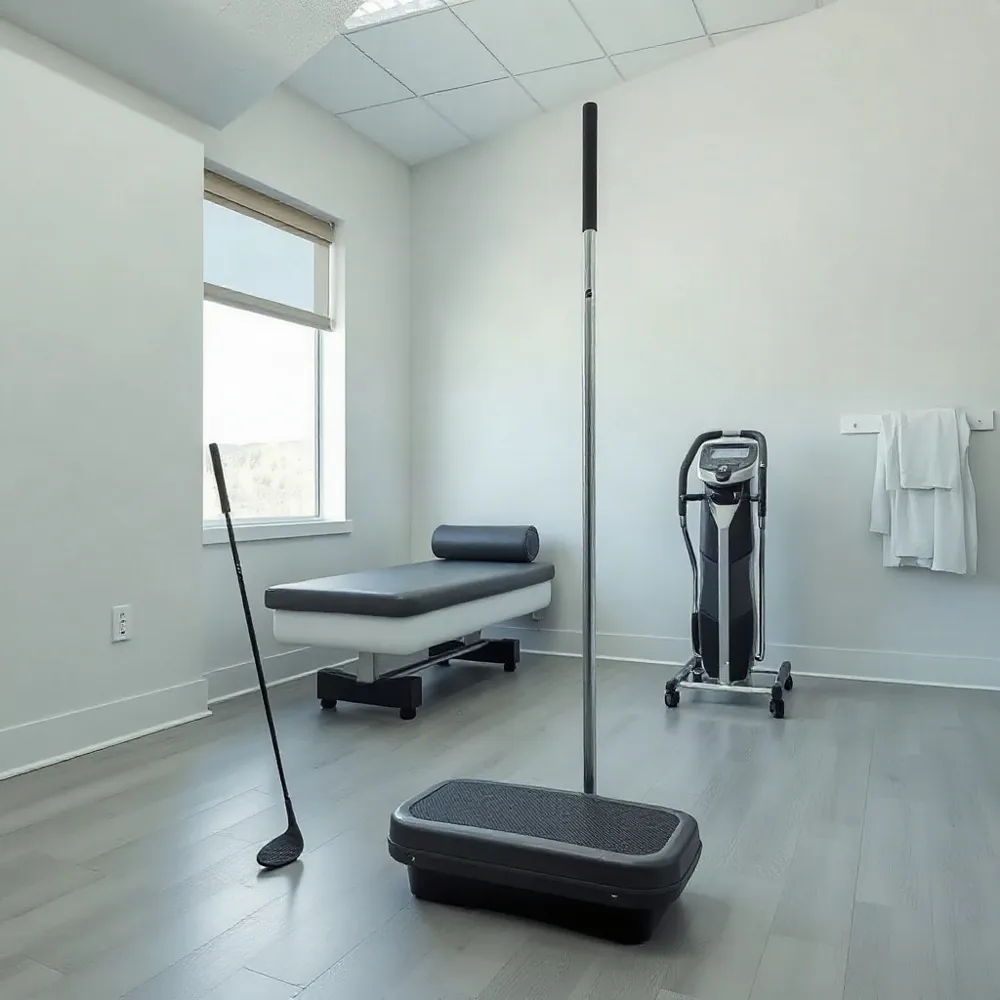
Introduction to TPI Assessments for Golfers in Glenwood Springs
What Are TPI Assessments?
TPI (Titleist Performance Institute) assessments are specialized evaluations designed to analyze the biomechanics and physical capabilities of golfers. These assessments break down the golf swing into fundamental movement patterns, helping to identify inefficiencies, limitations, and areas for improvement. By focusing on the connection between body mechanics and performance, TPI assessments provide actionable insights for both recreational and professional golfers.
Importance for Glenwood Springs Golfers
For golfers in Glenwood Springs, these assessments offer a data-driven approach to enhancing swing efficiency, power, and consistency. Local players often seek these services to address issues like mobility restrictions, imbalances, and injury risk. Many clinics in the area, such as those at Pinnacle Performance & Wellness and Gaylord Physical Therapy, offer TPI-certified evaluations tailored to the unique biomechanical needs of regional athletes.
Evaluation Components
The TPI assessments typically include a 16-point physical screen, swing video analysis, and movement pattern evaluations. Key areas analyzed include hip and thoracic mobility, core stability, shoulder flexibility, and balance. Advanced tools like high-speed cameras and force plates may be used to track weight shifts and rotational velocity, offering a comprehensive view of a golfer’s mechanics and potential for improvement.
Uncovering Strength Deficits with TPI Assessments
Role of Strength and Power in Golf Swing Efficiency
Strength and power are fundamental to a golfer's ability to maximize clubhead speed and driving distance. Research indicates that lower-body strength is particularly critical in the golf swing, as it provides the force generation necessary for an efficient weight transfer from the ground up. Elite golfers exhibit a higher capacity to produce and sustain force, which correlates with greater power output. For instance, studies show a direct relationship between the vertical jump test height and clubhead speed, emphasizing the need for explosive power in the lower body.
Specific Strength Tests Used in TPI Assessments
TPI assessments focus on identifying the strength profiles of golfers through targeted tests. The isometric mid-thigh pull (IMTP) and countermovement jump (CMJ) are two primary tests used to evaluate a golfer's strength and power. The IMTP measures maximal static force production, while the CMJ assesses explosive power and the ability to utilize stored elastic energy. These tests help identify imbalances and weaknesses that may hinder a golfer's performance on the course. Additional tests, such as eccentric control exercises and force-velocity profiles (e.g., weighted medicine ball throws), are also incorporated to assess movement efficiency and injury resilience.
Interpreting Strength Metrics for Performance Enhancement
Interpreting strength metrics allows physical therapists and trainers to tailor individualized programmes for golfers. For example, a golfer with a low CMJ score may struggle with generating the necessary explosive power, while a low IMTP score can indicate insufficient lower-body strength. By analyzing these results, practitioners can design interventions that focus on periodized strength and power development. This might include exercises like squats, unilateral strength training, and complex training regimes to optimize the transfer to on-course performance and enhance overall athletic capabilities. The TPI assessments provide a data-driven approach to strength training, ensuring that programmes are both effective and efficient for each golfer's unique needs.
| Strength Test | What It Measures | Example Exercise for Improvement |
|---|---|---|
| Isometric Mid-Thigh Pull | Maximal static force production | Barbell squats, deadlifts |
| Countermovement Jump | Explosive power and elasticity | Plyometric jumps, box jumps |
| Eccentric Control | Stability and injury resilience | Single-leg lunges, Romanian deadlifts |
| Force-Velocity Profile | Power output under resistance | Weighted medicine ball throws |
The Science Behind Performance Enhancement

What are the best methods to enhance golf performance?
To enhance golf performance, integrating golf-specific strength training—such as Olympic lifts, plyometrics, and medicine ball throws—improves power and explosiveness, as highlighted in biomechanical studies. Chiropractic care can optimize mobility and alignment through adjustments, addressing musculoskeletal imbalances that impact swing biomechanics. Swing analysis technology, supported by clinical research, identifies technical flaws, while video review and shot-tracking refine technique and strategy. Targeted physical conditioning programs, including rotational exercises and core stability work, boost endurance and accuracy by enhancing motor control. Regular therapy sessions with a focus on injury prevention and flexibility ensure sustained performance and reduce musculoskeletal strain during play.
Optimal Post-Adjustment Recovery Strategies
Can you golf after a chiropractic adjustment?
While light walking is encouraged, activities like golfing that involve repetitive twisting of the spine or sudden movements should generally be avoided for 24-48 hours after a chiropractic care for golfers adjustment to prevent strain on the recently adjusted areas. Golfing places torque on the lower back and requires coordinated body mechanics that could potentially disrupt realigned joints if done too soon. Your chiropractor may provide personalized guidance based on your specific treatment, but as a general rule, waiting 1-2 days allows the body to stabilize and reduces the risk of counteracting the adjustment's effects. If you experience any discomfort or tightness during the recovery period, delay high-mobility sports until cleared by your practitioner. Always prioritize gentle movement and follow your provider’s recommendations for returning to physical activities.
Chiropractic Care and Professional Golfers

Professional Golfers and Chiropractic Care
PGA golfers commonly integrate chiropractic care for golfers into their training regimen. Chiropractors on the PGA Tour focus on spinal alignment and joint mobility, which helps athletes maintain peak performance. Research from TPI-certified clinics shows that golfers who receive regular spinal adjustments report improved power and longer driving distances, highlighting the importance of joint mobility and neuromuscular function in golf biomechanics.
Do Pro Golfers Go to Chiropractors?
Yes, professional golfers, including PGA-level players, frequently seek chiropractic care for improved swing mechanics as a vital component of their training and injury prevention. Legends like Tiger Woods have openly credited chiropractic adjustments with enhancing their performance and longevity in the sport, stating it's 'as important to my training as practicing my swing.' Chiropractors on the PGA tour help golfers maintain spinal alignment, improve range of motion, and reduce injury risks from repetitive, one-sided movements like a golf swing. Research shows that consistent spinal adjustments address subluxations and nerve interference, directly improving mobility, power, and balance during swings. This non-invasive care not only aids top athletes but also benefits amateur golfers by reducing the 80% of U.S. golfers who experience back pain from the sport, restoring function and preventing chronic injuries.
Scientific Backing for Spinal Adjustments in Golf
Scientific studies back the efficacy of spinal adjustments in improving golf performance. Spinal misalignments can restrict neural pathways and cause muscle imbalances, negatively affecting swing mechanics. A TPI-certified case study demonstrated that regular adjustments, combined with mobility drills and core strengthening, led to a measurable increase in clubhead speed and improved swing symmetry. Moreover, spinal adjustments reduce inflammation and muscle tension in key areas like the lower back and hips, which are critical for generating rotational power during a swing.
Longevity and Performance Benefits
The impact of chiropractic care on a golfer’s longevity is substantial. Maintaining spinal and joint health is crucial for sustaining the high demands of competitive golf. Studies show that golfers who engage in routine spinal adjustments report fewer missed tournaments due to injury, with many noting increased endurance and recovery speed after long rounds. These benefits help athletes stay in top shape for longer, ensuring both performance and professional longevity.
The Process of TPI Level 1 Certification

Educational requirements for TPI Level 1
Professionals seeking TPI Level 1 certification must have a background in golf instruction, fitness training, or healthcare. The Titleist Performance Institute (TPI) emphasizes a multidisciplinary approach, requiring candidates to either hold a credential in one of these areas or complete an introductory course on biomechanics in golf as a prerequisite. This foundation ensures that participants can effectively interpret movement patterns and biomechanical data in the context of golf performance.
Curriculum focus and practical applications
The TPI Level 1 curriculum centers around understanding the Golfer's 16-Point Screen, swing mechanics, and the interplay between physical limitations and swing efficiency. Topics range from hip and shoulder mobility to core stability and balance. Practical application of the curriculum involves analyzing golfers’ physical capabilities to identify inefficiencies and design targeted interventions. The training is designed to be immediately applicable in a clinical or training setting.
Training professionals in biomechanical analysis and intervention
TPI Level 1 aims to equip professionals with the tools to analyze a golfer’s kinetic chain and develop customized golf fitness exercises. Emphasis is placed on correcting imbalances in golfers and enhancing performance without exacerbating pain or injury. Upon certification, participants gain access to TPI Golf Fitness Assessments and digital tools to monitor and adjust exercise and rehabilitation protocols for individuals or groups.
Conclusion: TPI Assessments for Enhanced Golf Performance and Pain Relief
Comprehensive Physical Insights
TPI assessments identify mobility, strength, and stability limitations, enabling targeted improvements. By analyzing swing mechanics and biomechanical efficiency, golfers receive actionable plans that reduce injury risk and enhance performance. Local golfers in Glenwood Springs can benefit from these data-driven evaluations, which highlight individual needs and guide corrective exercises.
Proactive Health and Performance Strategy
Regular assessments ensure sustained progress and injury prevention. Golfers who prioritize TPI-based physical conditioning gain long-term advantages through optimized body mechanics and movement patterns. This personalized, evidence-based approach supports both recreational and competitive players, promoting consistency and reducing pain.
Synergy Between Fitness and Swing Efficiency
Effective physical conditioning aligns with proper swing mechanics to elevate overall performance. Addressing imbalances and mobility restrictions enhances power, accuracy, and endurance, reinforcing a golfer’s ability to play pain-free and at peak potential. For continued improvement, integrating TPI assessments with targeted training remains essential.