Welcome to Your Sciatica Journey
Sciatica most often stems from a herniated lumbar disc that compresses the sciatic nerve, accounting for roughly 90% of cases. Conservative data show that about 60% of patients improve within three months, with many noticing relief within the first 10 days. During the initial 12‑week window, expect three recovery phases: (1) centralisation – pain retreats toward the lower back, (2) desensitisation – intensity and frequency drop, and (3) nerve rehabilitation – strength, mobility, and functional capacity return. Chiropractic care aligns perfectly with this timeline: early spinal adjustments and soft‑tissue work reduce inflammation and promote centralisation; decompression and targeted massage aid desensitisation; and progressive core‑strengthening exercises support nerve rehabilitation, allowing patients to resume normal activities by week 10–12.
Weeks 1‑2: Managing the Acute Flare
 During the first two weeks the sciatica flare is dominated by inflammation of the lumbar disc and surrounding soft tissue, which irritates the sciatic nerve. Pain may either centralise—moving back toward the hip and lower back—or peripheralise, radiating further down the leg. Centralisation is a positive sign, while peripheralisation suggests worsening irritation. Red‑flag symptoms that demand immediate evaluation include new or rapid loss of bladder/bowel control, bilateral leg weakness, severe numbness, or pain that abruptly intensifies with coughing, sneezing, or sudden movements.
Initial chiropractic and self‑care strategies focus on reducing inflammation and protecting the nerve. Gentle spinal adjustments and soft‑tissue work can create space for the disc, lessen muscle spasms, and promote early centralisation. Ice (15‑minute sessions) 1‑2 3 inflammation swelling, followed by heat after 48‑72 hours to improve circulation. Light walking and core‑activating exercises (e.g., pelvic tilts) maintain mobility without over‑loading the nerve.
Does sciatica pain get worse before it gets better? Yes—temporary flare‑ups are common as inflamed tissues react to treatment; pain often shifts inward (centralises) and becomes less frequent.
What are the signs that sciatica is getting worse? Increasing intensity, new numbness or weakness, peripheralisation toward the ankle, pain with cough/sneeze, bilateral symptoms, or loss of bladder/bowel control.
Can sciatica get worse after four weeks of treatment? Occasionally, a brief pain spike may occur during tissue remodeling, but persistent escalation, new sensory loss, or spreading pain warrants reassessment of the care plan.
Weeks 3‑4: Moving Toward Centralisation
 During weeks 3‑4 the sciatica repair process shifts from acute inflammation to the centralisation phase. Pain that once shot down the leg begins to recede toward the hip and lower back, a hallmark sign that the nerve is under less compression. At the same time, the intensity and frequency of radiating pain typically drop; coughing, sneezing, or prolonged sitting provoke far less discomfort than in the first two weeks. The straight‑leg‑raise test reflects this change as well—pain now appears at a higher degree of leg elevation (often beyond 30°), indicating reduced irritation of the sciatic root. Many patients also notice a pins‑and‑needles feeling, which the nerve is beginning to heal. While tingling can be a transient phenomenon during nerve adjustment, it is generally a positive signal when it accompanies other improvements.
Does pins and needles mean my sciatica is getting better? Experiencing occasional “pins‑and‑needles” can signal that the irritated sciatic nerve is decompressing and regaining normal signaling, but it is not a stand‑alone marker of progress. Look for the broader pattern of pain moving back toward the hip, reduced pain episodes, and greater mobility.
What does sciatic nerve healing feel like? Healing usually starts with sharp, electric‑like jolts that gradually soften into a duller ache. As inflammation resolves, the pain centralises, and you may feel intermittent tingling as the nerve decompresses. Walking, standing, and sitting become less painful.
What are the signs that sciatica is improving? Key indicators include a drop in pain intensity and frequency, fewer muscle spasms, centralisation of pain toward the hip or lower back, decreased numbness in the foot, and increased leg strength. Daily activities such as walking longer distances or climbing stairs become easier with minimal discomfort.
Weeks 5‑6: Rebuilding Strength and Mobility
 During weeks 5‑6 the focus shifts from pain control to restoring leg strength and functional mobility. Persistent leg weakness and mild muscle atrophy are common after weeks weeks of sciatic irritation; a graded program that combines chiropractic adjusts with targeted exercises can reverse this trend.
Leg weakness recovery – Gentle nerve‑glide drills (e.g., seated piriformis glides) and regular spinal decompression help keep the sciatic nerve free of compression. Once the straight‑leg raise test shows reduced pain, a progressive strengthening routine can begin. Core‑stability moves such as bird‑dog, planks, and pelvic tilts engage the deep lumbar stabilisers, while glute bridges and clamshells activate the glutes and hamstrings, providing the support needed to lift the leg without aggravating the nerve.
Recommended exercises – Low‑impact cardio (walking or swimming) maintains circulation. Hamstring stretches, standing hamstring curls, and knee‑to‑chest variations lengthen posterior chain tissues that often tether the nerve. Piriformis glides and gentle lumbar rotations improve hip mobility. Alternating heat (after the first inflammatory phase) and cold packs reduces residual inflammation and promotes tissue healing.
Patients who follow this multimodal plan typically report noticeable improvements in leg power and overall function by the end of week 6, paving the way for a return to normal daily activities.
Weeks 7‑8: Nerve Rehabilitation Phase
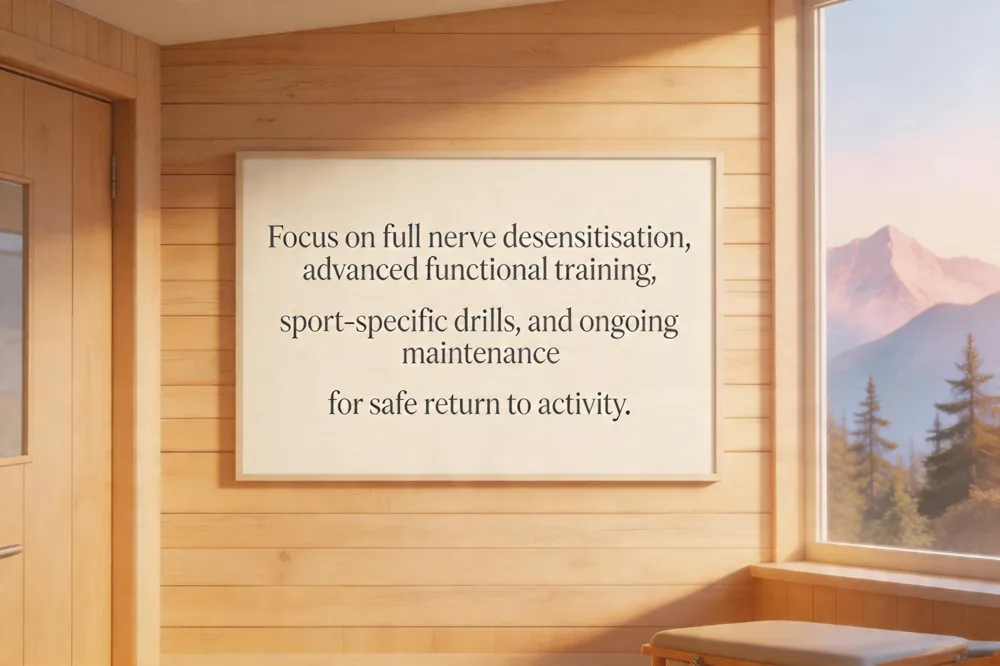 During weeks 7‑8 the sciatica recovery shifts into the nerve‑rehabilitation phase. Pain has largely receded, allowing the clinician to focus on full nerve desensitisation and advanced functional training. Targeted chiropractic adjustments continue to fine‑tune spinal alignment while soft‑tissue therapies reduce lingering muscle tension. At this stage patients progress from basic mobility drills to sport‑specific or activity‑specific exercises that restore strength in the glutes, hamstrings, and core, and improve proprioception. The goal is a safe return to normal daily activities—walking longer distances, sitting for extended periods, and performing light lifting—without triggering the sciatic nerve.
What are the last stages of sciatica treatment? In the final stage, low‑level pain and normalising nerve function become priorities. Rebuilding strength, flexibility, and stability in the lower back, hips, and legs is achieved through targeted chiropractic adjustments, therapeutic exercises, and core‑strengthening programs. Ongoing maintenance—regular check‑ins, ergonomic counseling, and gentle stretching—preserves progress and reduces recurrence risk.
Is it better to see a physiotherapist or a chiropractor for sciatica? Both are effective, but they address different aspects. Physiotherapists focus on movement patterns, strength, flexibility, and ergonomic advice, while chiropractors concentrate on spinal adjustments and joint mobilisation to correct misalignments that compress the nerve. A combined approach—starting with physiotherapy to correct muscle imbalances, followed by chiropractic adjustments for targeted spinal correction—often yields the best long‑term outcomes.
Preventing Recurrence and Lifestyle Optimisation
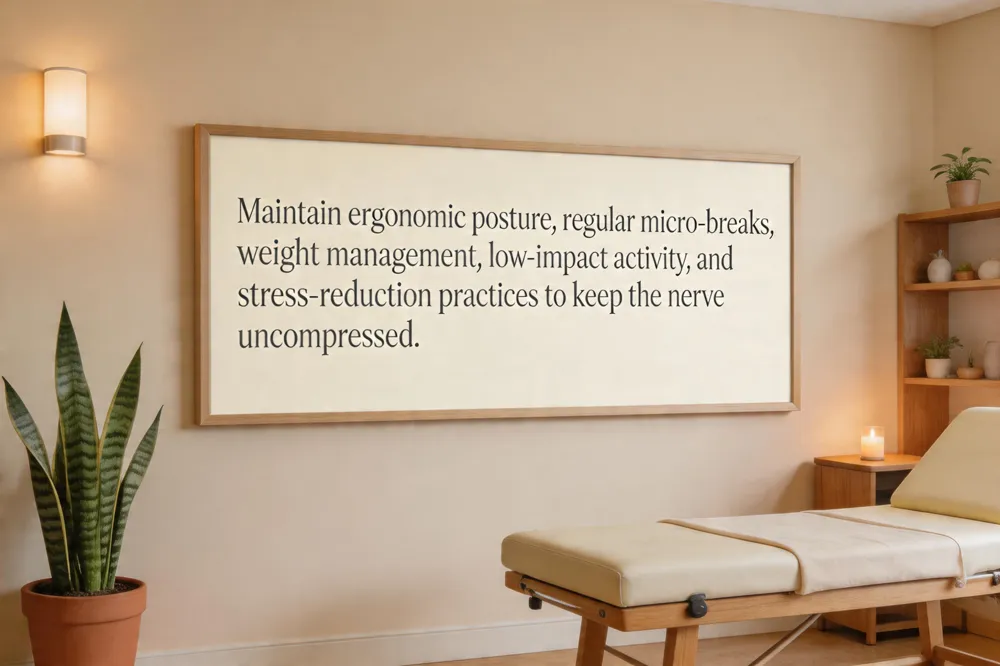 A sustainable sciatica recovery hinges on lifestyle habits that keep the sciatic nerve uncompressed and the supporting musculature strong. Proper posture and ergonomic lifting techniques are foundational; keeping the spine in a neutral position while bending at the hips and using the legs, not the back, reduces lumbar disc pressure. At home and work, ergonomic chairs with lumbar support, adjustable desks, and frequent micro‑breaks (standing or walking every 20‑30 minutes) help maintain spinal alignment. Smoking cessation, stress‑reduction practices (mindfulness, yoga, or breathing exercises) and weight management decrease systemic inflammation and lessen the mechanical load on the lower back. Regular low‑impact activity—such as brisk walking, swimming, or stationary‑bike sessions—promotes circulation, supports disc nutrition, and prevents muscle stiffness.
Should I see a doctor or a chiropractor for sciatica? If red‑flag symptoms appear (loss of bladder/bowel control, severe weakness, or sudden worsening pain), seek a medical doctor immediately for urgent evaluation and imaging. For typical mechanical sciatica without warning signs, a chiropractor can deliver non‑invasive, evidence‑based care—spinal adjustments, soft‑tissue therapy, and guided exercises—to address misalignments and muscle tension. A physician remains valuable for imaging coordination, medication prescription, or ruling out serious pathology, but most cases can be managed conservatively by a chiropractor.
Is sciatica 100 % curable? The majority of patients achieve full relief when the inciting factor—herniated disc, muscle spasm, or poor posture—is corrected early through chiropractic care, physical therapy, and targeted home programs. Acute episodes frequently resolve within six weeks, and many enjoy lasting remission without surgery. However, a minority develop chronic irritation or structural changes that may require ongoing maintenance, periodic adjustments, or adjunct therapies. Because individual anatomy, health status, and lifestyle vary, a blanket 100 % cure claim is not scientifically accurate.
Understanding the Recovery Timeline
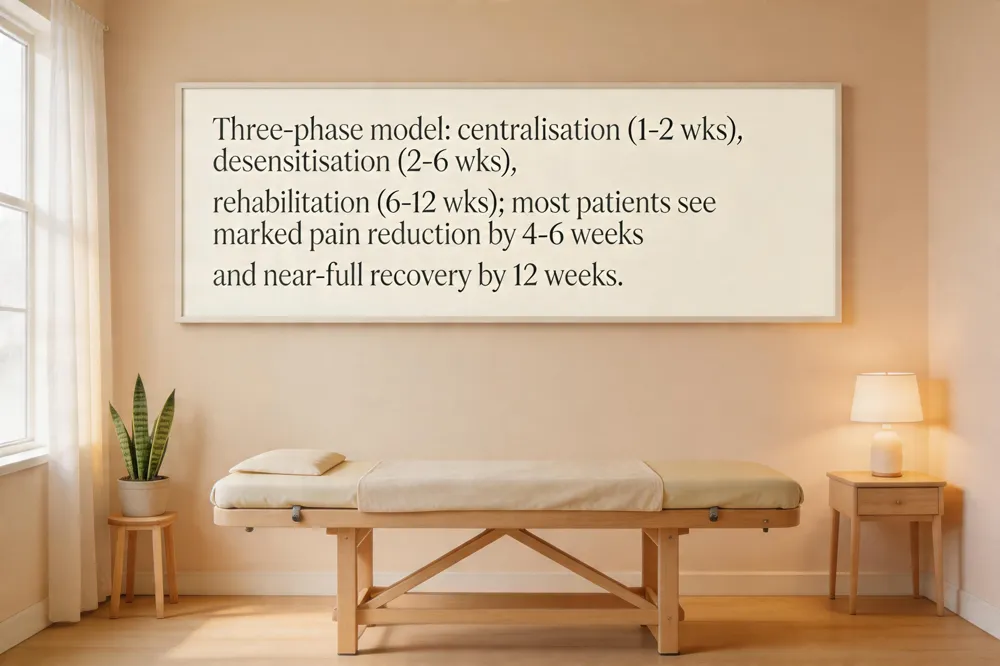 Sciatica recovery follows a three‑phase model: (1) Centralisation – pain moves from the lower leg back toward the hip and lower back, usually occurring in the first 1‑2 weeks; (2) Desensitisation – pain intensity and frequency decrease while the nerve becomes less irritable, spanning roughly weeks 2‑6; (3) Nerve Rehabilitation – strength, flexibility, and functional mobility return, often extending from week 6 through week 12. Typical duration of each phase varies, but most patients notice a marked reduction in pain by the end of the sub‑acute phase (≈4‑6 weeks) and achieve near‑full functional recovery by 12 weeks.
Chiropractic care often begins with 4‑6 adjustments over the first 2‑3 weeks, followed by reassessment and a tapering schedule of 1‑2 visits per month for maintenance. Physical‑therapy expectations include 2‑3 supervised sessions per week for the first month, emphasizing core strengthening, gentle stretching, and pain‑modulating modalities; many patients experience significant relief after 4‑6 weeks, with full symptom resolution commonly occurring within 2‑3 months for mild cases.
Can sciatica heal in three weeks? Mild episodes may start to improve within three weeks of aggressive, non‑invasive care, but the majority of patients report noticeable relief after four to six weeks, with research showing roughly 75 % improve within the first month.
Special Situations and Safety Considerations
 Pregnancy‑related sciatica is common because hormonal ligament loosening, weight gain and altered posture increase pressure on the sciatic nerve. A chiropractor can safely address it by using gentle, pregnancy‑specific spinal and pelvic adjustments performed on a padded table with pillows for support. These low‑force techniques realign the lumbar spine and pelvis, reduce nerve irritation, and improve mobility without medication, making them safe for both mother and baby.
A well‑trained chiropractor rarely makes sciatica worse, but a small subset of patients may experience a brief flare‑up after the first few adjustments. This temporary increase in pain or tingling reflects the nerve’s response to new movement and mild inflammation; it usually resolves within days as the tissue desensitises. Aggressive or improperly targeted manipulation can aggravate the condition, so a thorough assessment and individualized plan are essential.
Red‑flag emergencies, such as sudden loss of bladder or bowel control, severe bilateral leg weakness, or saddle‑area numbness, may signal cauda equina syndrome—a medical emergency that can become life‑threatening if untreated. While sciatica itself is not fatal, prompt evaluation by a qualified practitioner is crucial to rule out these serious complications and to initiate urgent care when needed.
Local Care in Glenwood Springs, CO
 Glenwood Chiropractic Center is conveniently located at 406 S Hyland Park Drive #C, Glenwood Springs, CO (just off Grand Avenue and Blake Avenue in the Roaring Fork Valley). You can reach the clinic by calling (970) 945‑8466 or by visiting https://glenwoodchiro.com to book online.
The practice offers a specialised sciatica program that follows the three‑phase recovery model supported by the literature: centralisation of pain, desensitisation, and nerve rehabilitation. Early non‑invasive treatments—spinal adjustments, soft‑tissue therapy, and massage—help reduce disc pressure and muscle spasm, accelerating the first 12‑week centralisation phase. As pain moves from the leg toward the hip, the program adds gentle mobilisations, myofascial release, and corrective exercises to improve mobility and strength.
A typical 12‑week plan begins with 2–3 chiropractic visits per week for the first 4‑6 weeks, focusing on adjustments and decompression to relieve nerve irritation. Weeks 5‑8 introduce core‑strengthening and hip‑stabilising drills, while weeks 9‑12 shift to functional training, ergonomic education, and a personalized home‑exercise regimen to prevent recurrence.
Is there a chiropractor for sciatica near me in Glenwood Springs, CO? Yes—Glenwood Chiropractic Center in Glenwood Springs, Colorado, offers specialised care for sciatica. Their team, led by Dr. Steven M. Peltzman and Dr. Patrick Hailey, uses non‑invasive chiropractic adjustments, acupuncture and physical‑therapy techniques to relieve nerve pain and restore mobility. The clinic is conveniently located at 406 S Hyland Park Drive #C, just off Grand Avenue and Blake Avenue in the Roaring Fork Valley. You can schedule an appointment by calling (970) 945‑8466 or visiting glenwoodchiro.com.
Your Path Forward
Over the past 12 weeks, you have moved from the acute inflammation stage (weeks 1‑2) through gradual functional restoration (weeks 3‑6) to strengthening and conditioning (weeks 7‑10) and finally maintenance and prevention (weeks 11‑12). Consistent attendance at chiropractic appointments, honest reporting of symptoms, and timely adjustments to the treatment plan are essential—your chiropractor relies on clear communication to fine‑tune spinal alignment, soft‑tissue work, and therapeutic exercises. Keep the momentum going by staying active: walk daily, perform prescribed core‑strengthening drills, and practice good posture and ergonomic habits. These healthy lifestyle choices not only support continued nerve recovery but also reduce the risk of future sciatica flare‑ups, helping you maintain long‑term mobility and well‑being.