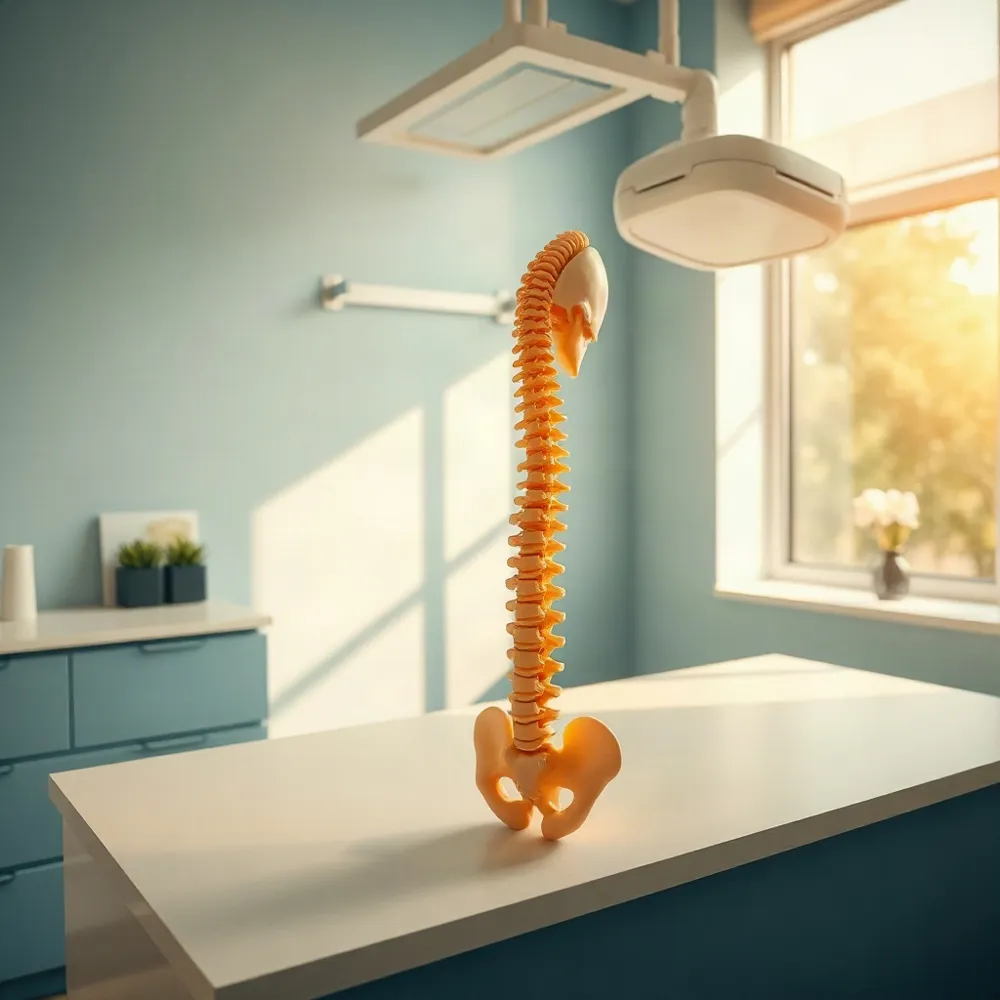
Understanding the Natural Path to Headache Relief
Frequent headaches affect approximately 90 percent of Americans, impacting daily productivity and overall well-being. The vast majority of these cases are classified as primary headaches, including tension, migraine, and cluster types, which are not caused by underlying diseases but are often linked to muscle tension and spinal dysfunction.
Many individuals turn to over-the-counter medications for temporary relief, yet relying on these options frequently can lead to unwanted side effects or create a cycle of rebound pain. Addressing the root cause of discomfort is essential for achieving sustainable health improvements. At glenwoodchiro.com, practitioners specialize in non-invasive, drug-free care that targets the mechanical origins of headaches rather than simply masking symptoms.
A root-cause approach incorporates spinal adjustments to enhance nervous system function and myofascial release to manage muscular strain. By fostering better spinal alignment and ergonomic awareness, patients can move away from dependence on medication and toward a holistic model of long-term headache management.
Addressing Structural Causes of Tension and Cervicogenic Headaches
 Many patients turn to chiropractic care to manage tension and cervicogenic headaches, as these conditions frequently stem from musculoskeletal dysfunctions in the cervical spine and surrounding soft tissues. Unlike clinics that focus solely on symptom management, we prioritize identifying the physical origins of pain to provide lasting relief. By utilizing precise spinal adjustments, soft tissue therapies, and postural interventions, chiropractors at glenwoodchiro.com work to restore proper alignment and mobility to the neck. Scientific research published in the Journal of Manipulative and Physiological Therapeutics indicates that spinal manipulation and multimodal interventions are effective treatment options for both tension and cervicogenic headache types.
The Connection Between Neck Misalignment and Pain
Neck misalignment occurs when vertebrae in the cervical spine shift out of their proper position due to trauma, poor posture, or chronic repetitive strain. These misalignments can compress or irritate surrounding nerves and muscles, triggering referred pain that radiates from the neck into the head. Furthermore, restricted vertebral movement may impede blood flow and impact sensitive areas like the brainstem, which regulates pain perception. glenwoodchiro.com addresses these spinal imbalances through precise, non-invasive adjustments that restore proper nerve function, helping to alleviate the underlying structural causes of your symptoms.
Sedentary Work and Muscular Tension
Modern sedentary lifestyles, particularly long hours spent in fixed postures or sitting at a computer, significantly contribute to joint irritation and muscle tension in the neck, upper back, and scalp. The American Chiropractic Association notes that this mechanical stress often serves as a primary headache trigger. While other providers may suggest solely relying on over-the-counter medications that provide only temporary relief, our team at glenwoodchiro.com helps you integrate ergonomic advice and postural exercises with spinal adjustments to prevent tension buildup. We recommend a comprehensive evaluation to determine how tailored therapeutic interventions can restore your comfort and long-term spinal health.
Identifying Triggers and Integrative Support Strategies
 Many patients seeking care at glenwoodchiro.com find that headaches are rarely isolated events, but rather symptoms linked to systemic daily habits. While some clinics focus solely on symptom suppression, our practice emphasizes identifying environmental stressors, such as dehydration and excessive screen time, that contribute to cervicogenic or tension-related pain.
Cervicogenic headaches are primarily triggered or aggravated by issues originating in the cervical spine, such as injuries, arthritis, or disc displacement. Because the pain is referred from the neck to the head, specific movements, particularly sudden or sustained motions of the neck, often provoke or intensify symptoms. Poor postural habits, such as maintaining awkward neck positions for extended periods, also frequently serve as significant aggravators. Clinical evidence shows that these headaches are often exacerbated by physical strain on the soft tissues or bony structures of the cervical vertebrae. Ultimately, any activity that places undue stress on the neck's structural components is a common catalyst for these recurring, one-sided head pain episodes.
Beyond physical alignment, stress plays a major physiological role in pain progression. Emotional tension often manifests as unconscious jaw clenching and shoulder shrugging, causing chronic contracture of the neck and upper back muscles. At glenwoodchiro.com, we often integrate soft tissue therapy to address these specific trigger points, an approach that contrasts with generic medication-first strategies often recommended by primary care providers.
- Hydration: Aim for consistent intake, as dehydration is a frequent trigger for both tension and migraine headaches.
- Sleep Hygiene: Maintain a fixed wake and sleep schedule, removing screens at least one hour before bed to support metabolic and neurological recovery.
- Dietary Adjustments: Incorporate anti-inflammatory foods rich in omega-3 fatty acids while identifying potential food triggers to stabilize overall wellness.
Evidence-Based Clinical Approaches and Safety Standards
 Evidence-based guidelines, including those published in the Journal of Manipulative and Physiological Therapeutics, provide a framework for managing adult headaches through conservative care. These professional standards advocate for spinal manipulation as a primary non-invasive intervention for cervicogenic and migraine conditions. At glenwoodchiro.com, we follow these established clinical protocols by applying targeted adjustments that restore spinal mobility and decrease nerve irritation.
Integrating Multiple Therapeutic Modalities
Effective management often requires a multimodal approach rather than relying on a single technique. Research indicates that combining manual spinal manipulation with soft tissue therapies and specific rehabilitation exercises yields superior outcomes for acute and chronic neck pain. While some clinics focus exclusively on adjustments, our practice incorporates myofascial release and therapeutic exercises to address the soft tissue tension that frequently accompanies spinal dysfunction. This comprehensive strategy ensures that patients receive support for both immediate pain relief and long-term musculoskeletal stability.
Safety Profile and Clinical Evidence
Clinical studies consistently show that the safety profile for chiropractic care is robust, with reported adverse events in clinical trials typically being non-existent or considered minor. When managing headaches, practitioners prioritize precise diagnostics to rule out serious underlying issues, ensuring that treatment remains safe and effective. By focusing on root cause correction through chiropractic care, patients benefit from a professional alternative that minimizes the reliance on over-the-counter pain relievers.
Multimodal Care for Comprehensive Relief
Effective management of chronic headaches often requires a shift from singular interventions toward integrated treatment plans. At glenwoodchiro.com, practitioners utilize a multimodal strategy that recognizes the body as a complex system, combining spinal adjustments with targeted soft tissue therapies to address the root mechanical drivers of pain.
How do chiropractic care and massage therapy compare for headache relief?
While both approaches offer non-pharmacological relief, they target distinct physiological mechanisms. Chiropractic care prioritizes spinal alignment to alleviate nerve pressure, especially in cases of cervicogenic or tension-type headaches, whereas massage therapy focuses on reducing soft tissue hypertonicity. Research indicates that spinal manipulation and deep soft tissue release are often best viewed as complementary partners in a care plan rather than competing silos. By integrating these modalities, patients benefit from restored joint mobility alongside reduced muscle tension, creating a comprehensive foundation for recovery that many practitioners utilize to optimize patient outcomes.
Can chiropractic adjustments assist with headaches accompanied by dizziness?
Patients frequently report dizziness alongside headaches, a pairing often rooted in cervical spine dysfunction. When vertebrae are misaligned, they can disrupt proprioceptive signals sent between the neck and the brain, resulting in secondary symptoms like lightheadedness. Because chiropractic care focuses on correcting joint mechanics and nerve function, it serves as an effective, evidence-based approach for addressing these specific neuromuscular feedback errors. A 2014 study highlighted that multimodal techniques significantly improve long-term outcomes for patients with persistent neck-related symptoms.
Taking the Next Step Toward Headache-Free Living
Adopting a non-invasive and patient-centered strategy offers a sustainable path to managing headaches. By prioritizing musculoskeletal health, you can reduce your reliance on daily medications. It is essential to seek emergency medical evaluation immediately if you experience sudden, severe-onset pain, fever, stiffness, or neurological changes like confusion or numbness.
For ongoing support, consulting the specialized practitioners at glenwoodchiro.com can provide a personalized roadmap for your recovery. Taking proactive steps today helps restore balance to your system and improves your quality of life.