Introduction to the Healing Potential of Massage Therapy
Overview of Massage Therapy and Its Holistic Benefits
Massage therapy employs a variety of techniques such as Swedish massage, deep tissue work, and myofascial release to manipulate muscles, soft tissues, and joints. This therapeutic approach not only reduces chronic pain and inflammation but also enhances mental well-being by lowering stress hormones like cortisol and boosting neurotransmitters such as serotonin and dopamine. It benefits a wide range of conditions including fibromyalgia, arthritis, anxiety, and sports injuries.
Connection to Circulation, Stability, and Recovery
One of the core benefits of massage therapy lies in its ability to improve circulation. Through muscle mobilization and lymphatic drainage, massage enhances blood flow, facilitating the delivery of oxygen and nutrients essential for tissue repair. Improved circulation also assists in flushing out metabolic waste, reducing muscle soreness, and accelerating recovery from injury or exercise. Furthermore, massage therapy supports postural stability and balance by stimulating mechanoreceptors in key areas like the feet and spine, which is especially important for older adults to reduce fall risk. These combined effects make massage an integral part of holistic, patient-centered care for musculoskeletal health, enhancing mobility, reducing pain, and promoting faster recovery.
How Massage Therapy Enhances Circulation for Optimal Health

Mechanisms by which massage improves blood flow and lymphatic drainage
Massage therapy enhances blood circulation primarily by mechanically stimulating soft tissues, muscles, and blood vessels. Techniques like effleurage technique and kneading physically propel blood through congested areas, improving oxygen and nutrient delivery to tissues. This rhythmic pressure also lifts restricted lymphatic vessels, promoting lymph fluid flow which helps remove metabolic waste and reduce inflammation. Furthermore, massage lowers stress hormones such as cortisol that constrict vessels, encouraging vasodilation and improved blood flow throughout the body.
Best techniques for circulation such as Swedish massage and lymphatic drainage
Swedish massage is widely regarded as the most effective massage type for boosting overall blood circulation due to its long, flowing strokes and gentle kneading that dilate blood vessels. Deep tissue and sports massages target deeper muscles and adhesions to further enhance localized blood flow. Manual lymphatic drainage is specialized in stimulating lymph movement, reducing swelling and improving immune support. Techniques like effleurage and wringing play key roles in elevating vascular function and accelerating muscle recovery.
Role of massage oils like warm sesame and Ayurvedic approaches in circulation
Ayurvedic massage practices incorporate warm sesame and mustard oils during procedures such as Abhyanga to support circulation and muscle relaxation. These warm oils help loosen tight muscles and improve blood flow to targeted areas. Additional therapies like Greeva Basti involve pouring medicated warm oils over the neck to relieve stiffness and boost local circulation. Marma therapy applies pressure to vital energy points, encouraging both vascular and nervous system regulation. Such integrative oil massages complement mechanical techniques to enhance tissue healing and detoxification.
Frequency and lifestyle considerations to maintain healthy circulation
Optimal massage frequency depends on individual needs; however, sessions once every two to four weeks are generally recommended to sustain improved circulation. For chronic muscle tension or poor blood flow, more frequent visits (weekly or biweekly) may be beneficial. Importantly, massage therapy works best alongside lifestyle measures like regular exercise, hydration, stress management, and balanced nutrition to support vascular health. Consulting healthcare providers ensures safe and tailored treatment schedules that maximize circulation benefits.
| Aspect | Details | Benefits |
|---|---|---|
| Massage Mechanism | Stimulates blood vessels and lymphatic flow | Enhances oxygen delivery and waste removal |
| Techniques | Swedish, deep tissue, manual lymphatic drainage | Boosts circulation and relieves muscle tension |
| Oil Use | Warm sesame and mustard oils, Ayurvedic methods | Supports relaxation and improves vascular function |
| Frequency | Typically every 2–4 weeks; more for chronic issues | Maintains circulation improvements and wellness |
Regular massage therapy combined with these evidence-based approaches promotes optimal vascular health, supporting tissue repair, reducing inflammation, and enhancing overall well-being.
Massage Therapy’s Role in Enhancing Stability and Balance
Can massage help with balance issues?
Yes, massage therapy can significantly improve balance, particularly in older adults who face a greater risk of falls. Research indicates that a single 60-minute full-body massage can reduce postural sway, enhancing both static and dynamic balance. This effect helps older individuals maintain better stability and reduces fall risk, a critical health concern in aging populations.
How does massage impact proprioception and postural control?
Massage stimulates sensory receptors in critical body regions like the soles of the feet, sacroiliac joint, and cervical spine. These mechanoreceptors play a pivotal role in proprioception—the body's awareness of position and movement—and postural control. By activating these receptors, massage promotes improved neural feedback to the brain, which enhances balance and coordination (Restoring Balance with Massage Therapy).
What scientific findings support massage in reducing fall risks?
Studies funded by the Massage Therapy Foundation demonstrate that massage therapy can lower motoneuron excitability as reflected by decreased H(max)/M(max) ratios, promoting muscle relaxation and refined neuromuscular control. Moreover, massage also lowers blood pressure and stress hormone levels, improving cardiovascular and neurological functions essential for maintaining balance (Massage therapy for balance improvement).
How is massage integrated with exercises for posture and balance?
Combining massage with targeted resistance exercises focusing on the feet, ankles, and core muscles offers enhanced postural stability. This dual approach improves ankle flexibility, strengthens proprioceptive feedback loops, and corrects muscle imbalances. Such integrated treatments foster long-term improvements in stability and functional mobility (Improving Stability from the Ground Up.
What are the neurophysiological benefits of massage related to balance?
Massage decreases motoneuron excitability, which helps in reducing muscle stiffness and spasticity. It also enhances neuromuscular coordination by promoting efficient communication between the nervous system and muscles. These neurophysiological effects translate into better postural control, a diminished risk of falls, and improved overall functional performance (Research by Massage Therapy Foundation on Stability.
Together, these evidence-based insights highlight massage therapy as a valuable, non-invasive intervention to improve balance and reduce fall risks, particularly in older adults, contributing to enhanced independence and quality of life.
Massage and Chiropractic Care: Integrating Therapies for Enhanced Healing
How is chiropractic massage different from massage therapy?
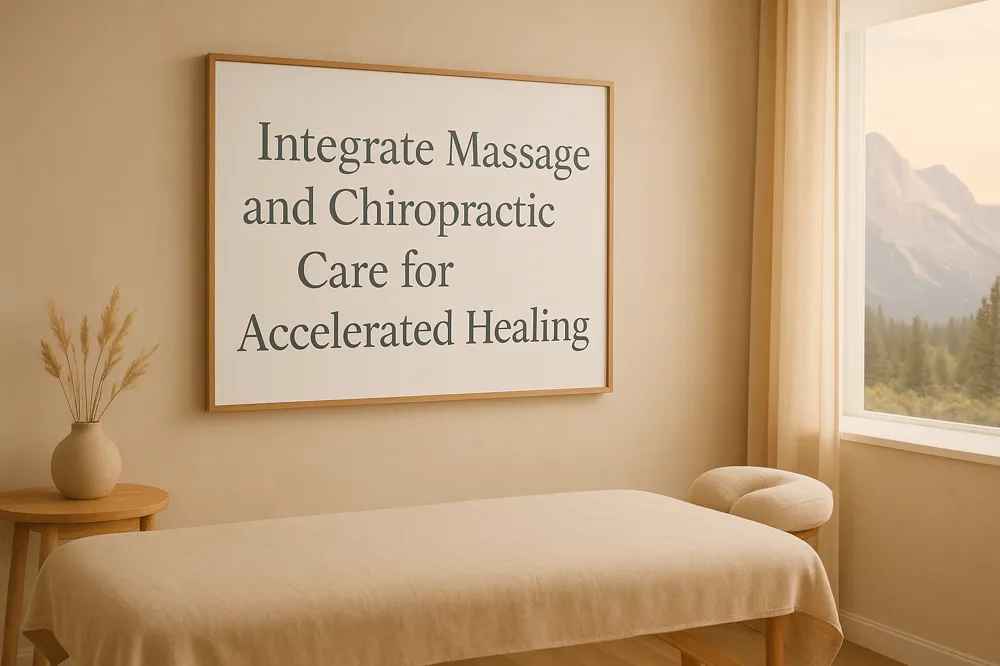
Chiropractic massage differs from traditional massage therapy mainly in its purpose and scope. While massage therapy focuses broadly on manipulating muscles, tendons, and ligaments to boost circulation, relieve stress, and ease inflammation, chiropractic massage centers specifically on supporting spinal adjustments. This approach targets soft tissues to reduce tension and improve spinal alignment, enhancing nervous system function. Chiropractors incorporate massage techniques such as trigger point therapy and muscle stretching as adjuncts to chiropractic adjustments, aiming to optimize structural correction alongside soft tissue health. In contrast, massage therapists emphasize soft tissue manipulation primarily for relaxation and symptomatic relief.
Can a chiropractor provide massage therapy?
Yes, chiropractors in the United States are trained and authorized to provide massage therapy techniques within their musculoskeletal care scope. Although chiropractors might not deliver full-body relaxation massages like licensed massage therapists, they use targeted soft tissue modalities, including instrument-assisted soft tissue mobilization, to decrease muscle tension, improve circulation, and facilitate pain management. Incorporating massage into chiropractic treatment plans helps enhance mobility, reduce soreness after spinal manipulation, and promote healing, especially for back pain, neck pain, and related conditions. Patients should verify insurance coverage for massage services offered by chiropractors, as policies differ.
Is it better to visit a chiropractor or a massage therapist first?
For optimal treatment outcomes, it is generally advisable to receive massage therapy before chiropractic adjustments. Massage therapy loosens and relaxes tight muscles, improving overall flexibility and making spinal manipulations more comfortable and effective. Once muscles are relaxed, chiropractic treatment can realign the spine more precisely, enabling muscles and joints to settle into healthier positions. This coordinated sequence enhances mobility, reduces pain, and supports long-term musculoskeletal wellness.
Combining chiropractic care with massage therapy offers a holistic, patient-centered approach to managing musculoskeletal conditions. This integrated strategy leverages the strengths of both therapies—soft tissue restoration and spinal alignment—to maximize pain relief, functional recovery, and overall well-being.
Accelerating Recovery with Targeted Massage Therapy
How does massage improve tissue repair and flush metabolic waste?
Massage therapy enhances blood circulation by boosting blood flow to injured and fatigued tissues. This increased circulation delivers essential oxygen and nutrients, which supports faster tissue repair. Concurrently, massage stimulates the lymphatic system, facilitating the removal of metabolic waste products like lactic acid that accumulate during exercise or injury. Clearing these substances reduces inflammation and muscle soreness, paving the way for improved healing and function.
What are the effective techniques for recovery?
Several specialized massage techniques optimize recovery:
- Lymphatic Drainage Massage: Targets the lymphatic system to decrease swelling, reduce inflammation, and support the immune response, especially valuable after surgery or injury.
- Deep Tissue Massage: Focuses on the deeper muscle layers and connective tissues to alleviate chronic tension, break down scar tissue, and restore mobility.
- Sports Massage: Combines various modalities aimed at releasing adhesions, improving circulation, and enhancing muscle performance and flexibility.
These therapies often incorporate gentle stroking, trigger point release, and myofascial release to restore soft tissue health.
How does massage reduce delayed-onset muscle soreness and promote flexibility?
Massage therapy effectively diminishes delayed-onset muscle soreness (DOMS) by improving waste clearance and easing muscular tightness. It also enhances flexibility by gently stretching muscle fibers and connective tissues, allowing greater range of motion and preventing stiffness. Regular therapeutic massage during recovery periods supports balanced muscle function and reduces the risk of re-injury through improved tissue elasticity.
Why is timing and frequency important to maximize recovery benefits?
Optimal recovery benefits are achieved by timing massage sessions ideally within 24 to 48 hours post-exercise or injury, when metabolic wastes are highest. Regular, consistent sessions—such as bi-weekly or monthly depending on condition severity—help maintain tissue health, promote ongoing healing, and prevent future injuries. Avoiding overly aggressive techniques immediately after intense workouts is critical to minimize inflammation. Professional guidance ensures that massage therapy is strategically incorporated into individualized recovery programs, maximizing patient outcomes.
Comprehensive Benefits: Mental Health, Mobility, and Safety Through Massage

How does massage improve overall mobility?
Massage therapy significantly enhances overall mobility by targeting muscles, tendons, ligaments, and fascia—soft tissues critical for movement. Techniques such as Deep tissue massage benefits and myofascial release for joint mobility increase blood flow and raise tissue temperature, which improves elasticity and flexibility. Massage breaks down adhesions and scar tissue that restrict joint motion, reduces inflammation and swelling, and alleviates muscle tightness. These effects collectively contribute to a greater range of motion, reduced stiffness, and improved posture. Regular treatments help prevent injury by maintaining muscle balance and tissue health.
What are the mental health benefits of massage including stress reduction and improved sleep?
Massage therapy promotes mental well-being by lowering stress hormones like cortisol and boosting relaxation neurotransmitters such as serotonin and dopamine. This biochemical shift reduces anxiety, depression, and enhances mood. Improved parasympathetic nervous system activity from massage also supports better sleep quality and duration by elevating melatonin levels through increased serotonin production. Patients often report decreased muscle tension related to emotional stress, increased energy, and an overall sense of calm and wellness following massage sessions. For more information, see Massage therapy for mental health.
Safety considerations and red flags before starting massage therapy
Massage is not advisable during active infections like fever, contagious illnesses, or cellulitis, to avoid worsening health or spreading germs. Individuals with blood clotting disorders or existing clots should avoid massage due to risks of dislodging clots and causing serious complications. Acute injuries, significant inflammation, recent fractures, or severe osteoporosis also contraindicate massage because of potential harm. Consulting a healthcare provider prior to massage is recommended when underlying health conditions or complex medical histories exist. Clear communication with the therapist about medical status ensures safe and effective treatment planning.
Is massage therapy safe during pregnancy?
Massage can be safe and beneficial during pregnancy if performed by trained prenatal therapists and with physician approval. It helps reduce stress, improve sleep, ease muscle pain, and promote relaxation. First trimester massage should be approached cautiously, and certain techniques or pressure on the abdomen are avoided to prevent stimulating contractions. Positions such as side-lying or supported postures improve comfort and safety. Pregnant clients should stay well hydrated and inform their therapists about their pregnancy status. Properly administered prenatal massage supports maternal well-being and eases discomforts associated with pregnancy.
Conclusion: Embracing Massage Therapy for Lasting Health and Vitality
Massage therapy offers comprehensive benefits that enhance circulation, improve balance and stability, and accelerate injury recovery. By boosting blood and lymphatic flow, it ensures optimal oxygen and nutrient delivery while aiding detoxification. It also helps reduce muscle tension, addresses posture imbalances, and promotes neuromuscular coordination, all contributing to better functional movement and injury prevention.
Integrating massage therapy with chiropractic care and adopting healthy lifestyle habits such as regular exercise and stress management amplify its positive effects. Personalized treatment plans, designed and monitored by qualified professionals, ensure therapies address individual needs and recovery stages effectively.
This holistic, evidence-based approach supports sustainable wellness, helping individuals maintain mobility, reduce pain, and enhance overall vitality throughout life.