Why Integrated Care Matters
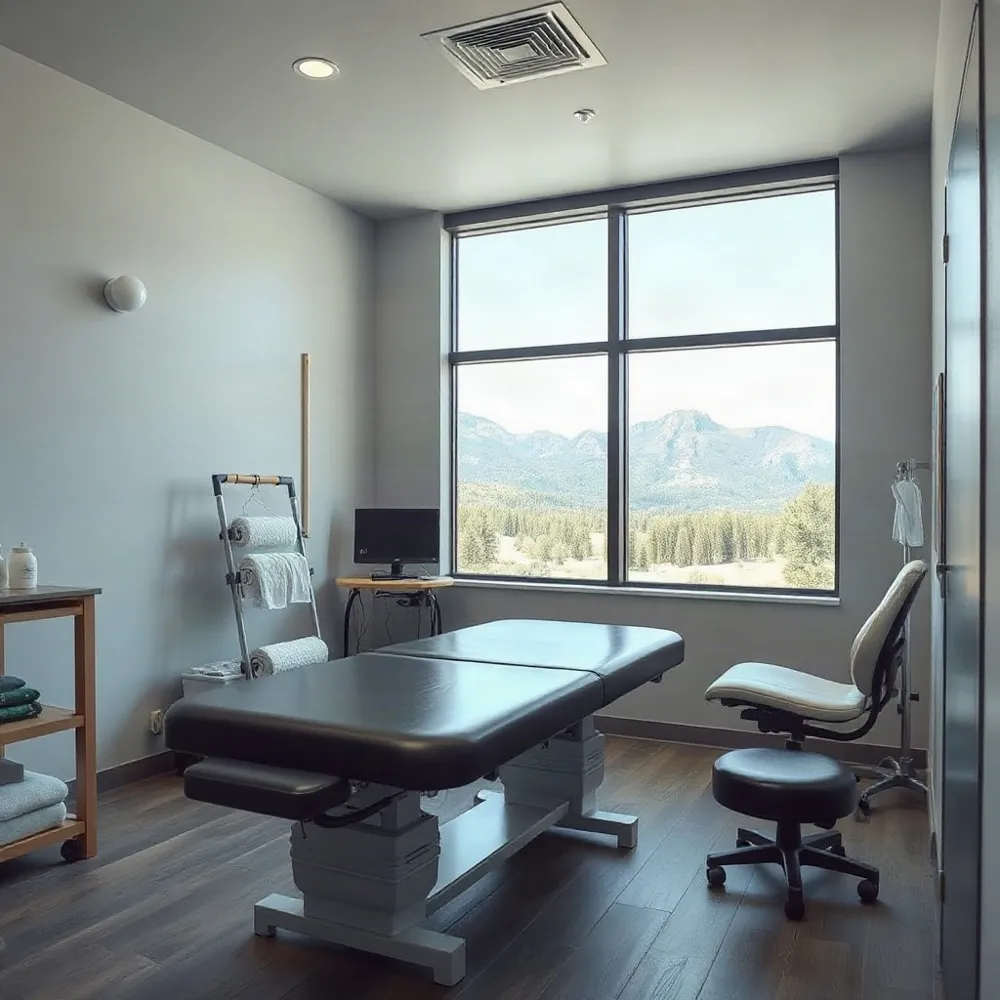
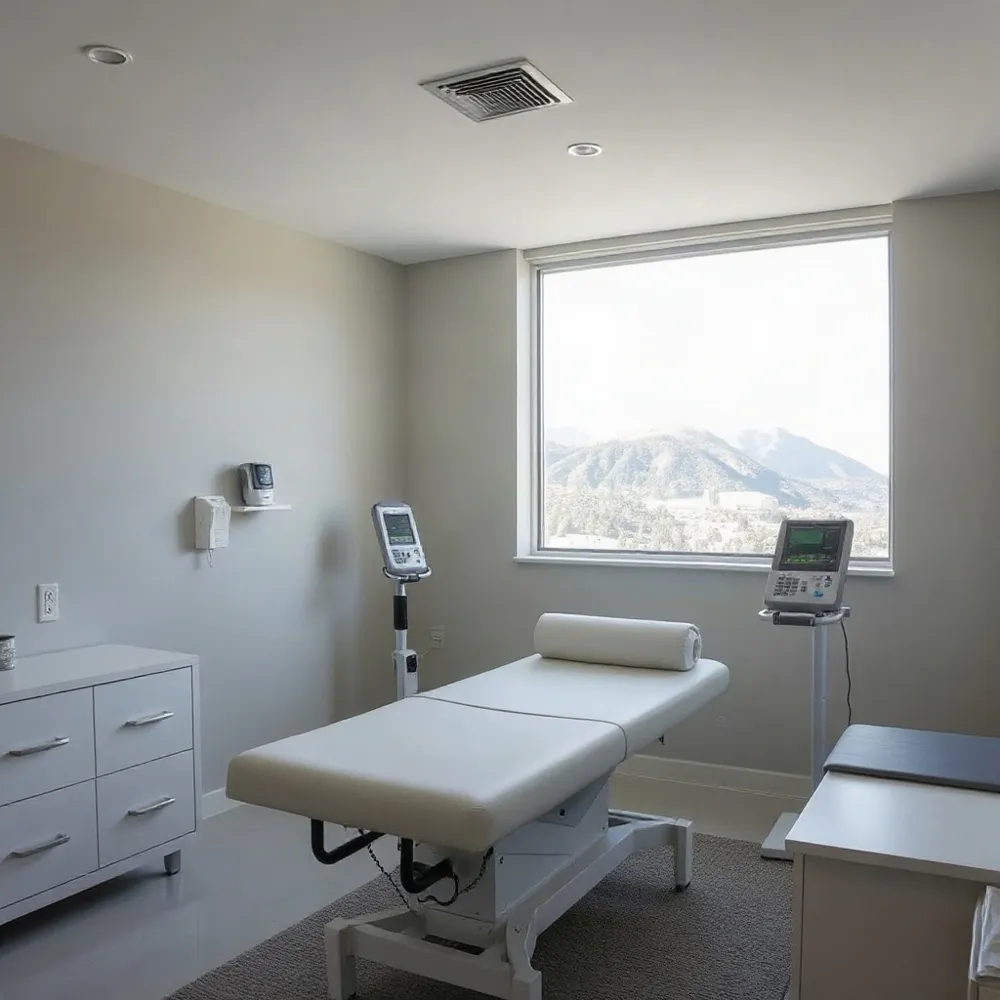
Combining massage therapy with physical therapy creates a synergistic, patient‑centered approach that tackles both soft‑tissue tension and functional movement deficits. Evidence from multiple U.S. studies shows that massage loosens tight muscles, boosts circulation, and reduces pain, allowing therapists to perform strengthening and mobility exercises with less discomfort and faster gains in range of motion. Bi‑weekly deep‑tissue sessions, for example, have been linked to significant improvements in flexibility and strength among athletes, while integrated protocols consistently shorten recovery timelines for low‑back pain and post‑surgical patients. For residents of Glenwood Springs, where outdoor recreation and high‑altitude living increase musculoskeletal stress, a coordinated plan—often offered by local chiropractic clinics—delivers quicker pain relief, better functional outcomes, and a lower risk of re‑injury.
The Science Behind Combined Therapy
 Physiotherapy restores joint mobility, corrects posture, and strengthens weak muscles through targeted therapeutic. progressive manual‑ancer joint mobilization, and active loading. Massage therapy, by contrast, manipulates soft tissues—muscles, fascia, tendons—to reduce tension, break down adhesions, and stimulate mechanoreceptors that release serotonin, dopamine, and endogenous opioids. Both modalities increase local blood flow; massage adds lymphatic drainage while physiotherapy directs the newly delivered oxygen and nutrients toward specific movement patterns.
What is a red flag in massage? A red flag is any sign that the therapist or setting is unsafe or unprofessional: lack of medical history intake, ignoring pressure requests, sexual jokes, obscured windows, cameras, poor hygiene, unlicensed practice, pressure to undress beyond comfort, or unsolicited contact after the session. Trust your instincts and stop the treatment if any appear.
Can a chiropractor help kidney disease? While a chiropractor cannot cure chronic kidney disease, spinal adjustments and soft‑tissue work can alleviate accompanying musculoskeletal discomfort, improve nerve signaling, and support better blood flow to the kidneys. Lifestyle guidance on hydration, diet, and stress reduction may complement medical management, but chiropractic care should remain an adjunct, not a replacement.
Does massage help recovery? Yes. Controlled pressure clears inflammatory cells, reduces cytokine buildup, and boosts circulation, delivering nutrients and removing metabolic waste. When paired with chiropractic adjustments, massage accelerates pain relief and restores mobility after injury or intense activity.
Does massage have long‑term benefits? Regular massage improves posture, range of motion, and stress management. Short‑term pain relief is well documented; repeated sessions can yield modest gains that persist for months. Evidence for lasting benefits in chronic conditions is moderate, and combining massage with chiropractic care and exercise helps maintain those gains over time.
Massage in Sports Performance & Recovery
 Sports‑specific massage techniques such as effleurage, petrissage, tapotement, and myofascial release are chosen to match the demands of each sport. A cyclist may receive long‑stroke strokes to improve leg circulation, while a football player benefits from deep‑tissue work that targets trigger points in the hamstrings and hip flexors.
Evidence from a randomized controlled trial of 150 athletes (age 18‑45) showed that bi‑weekly 40‑minute deep‑tissue massage for eight weeks significantly improved flexibility and muscle strength, especially in team‑sport athletes (F = 6.61, p = 0.004). The study also found that longer massage duration correlated with greater gains and that bi‑weekly sessions outperformed other frequencies (χ² = 9.41, p = 0.0243).
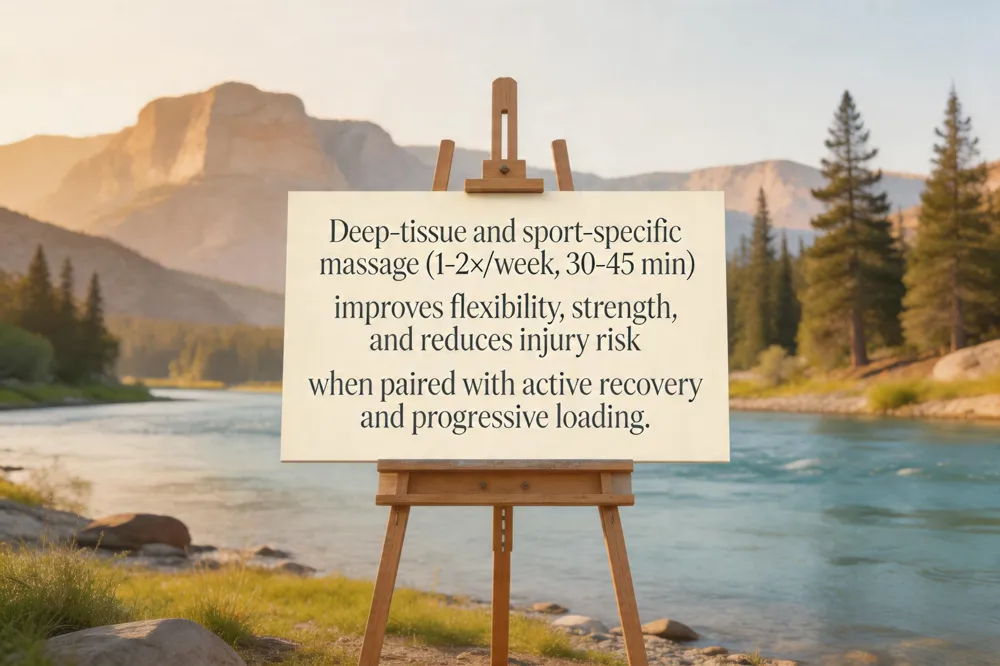
Practical recommendations: schedule deep‑tissue or sports‑massage sessions 1‑2 times per week, each lasting 30‑45 minutes, for a minimum of eight weeks during a training cycle. Combine massage with active recovery (light cycling, stretching) and progressive loading to maximize blood flow and reduce metabolic waste, and enhance neuromuscular performance. This integrated approach accelerates recovery, lowers injury risk, and supports peak performance on game day.
Pain Management, Chronic Conditions, and Special Populations
 Therapeutic massage has emerged as a robust, non‑pharmacologic tool for chronic pain management. Systematic reviews from 2018‑2023 consistently demonstrate significant reductions in pain intensity for lower‑back pain, fibromyalgia, osteoarthritis and similar musculoskeletal disorders, with effect sizes comparable to standard pharmacologic or physical‑therapy interventions. Importantly, these studies also report decreased opioid consumption when massage is integrated into a multidisciplinary plan, supporting opioid‑sparing strategies in veteran and civilian populations.
Massage and specific medical conditions
- Sjögren’s syndrome: Gentle, targeted massage of the neck, jaw, and affected joints can alleviate muscular tightness and stress‑related pain, enhancing comfort and range of motion. It does not modify the autoimmune process or dry‑eye/mouth symptoms, so coordination with a rheumatologist is essential, especially when patients are on anticoagulant or high‑dose NSAIDs.
- Aneurysm: Massage is permissible only after physician clearance. Light, non‑pressurizing techniques away from the aneurysm site may be used; deep‑tissue work over the abdomen or vigorous back pressure should be avoided to prevent rises in intra‑abdominal pressure.
- Kidney disease: Patients with chronic kidney disease benefit from low‑pressure massage that improves peripheral circulation and reduces edema, but therapists must monitor for fluid shifts and adjust session length.
Overall, the recent evidence base underscores massage as a safe, evidence‑based adjunct that reduces pain, lowers opioid reliance, and can be tailored to complex medical conditions when performed under appropriate medical supervision.
Safety, Red Flags, and Professional Standards
 Identifying unsafe practices is the first line of protection for anyone seeking massage or physiotherapy. Red flags include therapists who skip a medical history questionnaire, dismiss requests for lighter pressure, or make inappropriate sexual comments. Environmental clues—such as obscured windows, hidden cameras, or a cluttered, unsanitary treatment space—also signal risk. Unlicensed practitioners, pressure to disrobe beyond personal comfort, or unsolicited contact outside scheduled sessions should prompt immediate cessation of care.
Licensing, hygiene, and professional boundaries are non‑negotiable standards. In the United States, massage therapists must hold a valid state license and adhere to strict infection‑control protocols, including clean linens, sanitized equipment, and hand‑washing between clients. Clear, written consent outlines the scope of treatment, respects patient privacy, and defines acceptable touch. Therapists should maintain professional demeanor, avoid dual relationships, and promptly refer patients when a condition exceeds their expertise.
When to seek medical clearance: Any acute injury, unexplained pain, fever, or systemic symptoms warrants a physician’s evaluation before massage begins. Patients with cardiovascular disease, cancer, deep vein thrombosis, or recent surgery should obtain clearance to ensure that manual therapy will not exacerbate their condition.
What is a red flag in massage? A red flag in a massage is any sign that the therapist or setting is unsafe, unprofessional, or violates appropriate boundaries. It can include obvious indicators such as the therapist not asking for medical history, ignoring your request for lighter pressure, or making sexual jokes or comments about your body. Environmental clues like obscured windows, cameras or mirrors in the treatment room, and poor hygiene also signal a problem. Unlicensed or uncredentialed practitioners, pressure to undress beyond your comfort, and attempts to contact you outside of therapy are further red flags. If any of these occur, trust your instincts and stop the session.
Putting It All Together: A Practical Guide for Glenwood Springs
 A typical integrated treatment plan in Glenwood Springs begins with a comprehensive assessment by a chiropractor and a licensed massage therapist. The chiropractor addresses joint alignment and biomechanical deficits, while the therapist focuses on soft‑tissue restrictions. In the first week, patients receive a chiropractic adjustment followed by a 40‑minute deep‑tissue or sports massage to loosen tight muscles and improve circulation. Subsequent sessions alternate: a massage 1‑2 days after each adjustment, allowing the tissues to respond to the increased blood flow and reduced spindle sensitivity before the next therapeutic exercise session.
Scheduling frequency is usually bi‑weekly for the first four to six weeks, then weekly as progress stabilizes. Coordination is achieved through shared treatment notes and a joint care plan that outlines exercise prescriptions, massage techniques, and progression milestones.
Lifestyle tips to maximize benefits include staying well‑hydrated, performing gentle post‑massage stretching, maintaining a balanced protein intake, and getting adequate sleep to support cortisol reduction and tissue repair.
Massage benefits for muscles: Massage enhances muscle health by increasing blood flow, which delivers essential nutrients and oxygen needed for repair and energy production. It reduces muscle stiffness and breaks down trigger points, improving flexibility and range of motion. Regular sessions help decrease inflammation and soreness, allowing quicker recovery after workouts or injuries. Deep‑tissue and sports massage stimulate the breakdown of adhesions, preventing muscle weakness and supporting stronger, more functional muscles. Overall, massage promotes better muscle elasticity, reduced pain, and enhanced performance, making it a valuable complement to chiropractic care.
Your Path to Faster, Safer Healing
Combining physiotherapy, massage, and chiropractic care creates a synergistic healing environment. Massage loosens tight muscles, boosts circulation, and reduces cortisol, allowing targeted therapeutic exercises to work with less pain and greater range of motion. Physiotherapy then rebuilds strength, corrects movement patterns, and prevents future injury, while chiropractic adjustments restore joint alignment and nerve flow. This whole‑body approach shortens recovery time, lowers medication reliance, and improves long‑term functional outcomes for back pain, sports injuries, and mobility deficits. If you’re ready for a faster, safer return to activity, schedule an integrated evaluation at Glenwood Chiropractic. Call (719) 555‑1234 or visit www.glenwoodchiro.com to begin your personalized plan. Our team tailors each protocol to you.