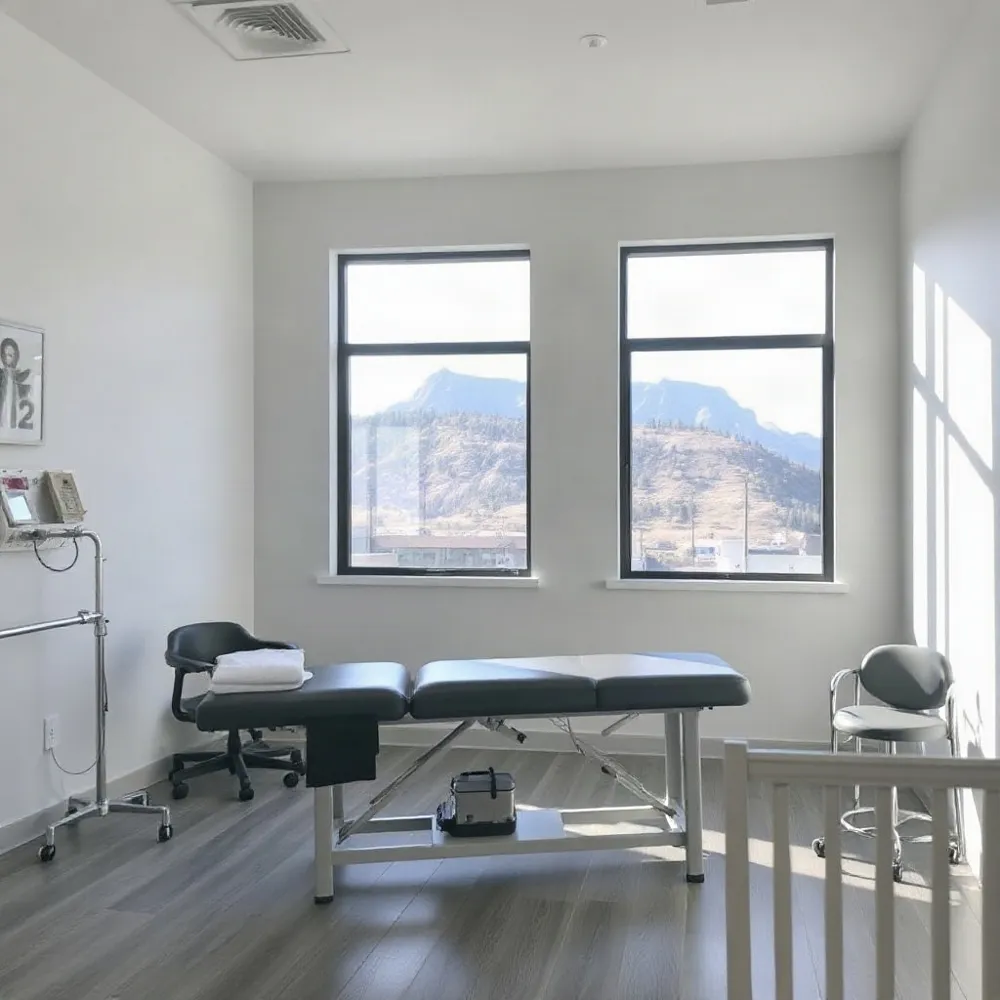
Understanding Sciatica and Its Impact
Definition and Causes of Sciatica
Sciatica is a condition characterized by irritation, inflammation, or compression of the sciatic nerve, which extends from the lower back through the hips and down each leg. It often arises due to issues like herniated discs, spinal stenosis, spondylolisthesis, degenerative spine changes, bone spurs, or piriformis syndrome. Other less common causes include tumors, cysts, or muscle spasms around the nerve.
Common Symptoms and Risk Factors
Symptoms include sharp, burning, or electric-shock-like pain radiating down one leg, often accompanied by numbness, tingling, muscle weakness, and sometimes difficulties with leg movement. Risk factors encompass age-related spinal degeneration, obesity, sedentary lifestyle, diabetes, smoking, poor posture, and occupations involving heavy lifting or prolonged sitting.
Impact on Daily Life and Quality of Life
Sciatica pain severity ranges from mild discomfort to debilitating pain that significantly restricts movement and daily activities, such as walking, sitting, or standing. Untreated sciatica raises the risk of nerve damage, potentially causing persistent numbness or muscle weakness. Effective management is essential to restore mobility, reduce pain, and improve overall quality of life for affected individuals.
Comprehensive Diagnosis: The Foundation of Effective Sciatica Care

How is sciatica diagnosed through physical and neurological exams?
Diagnosis begins with a detailed Physical examination for sciatica where clinicians assess muscle strength assessment, Reflex testing, posture, and range of motion. Tests such as walking on toes and heels test, rising from squatting test, and leg lifts for sciatica diagnosis help identify nerve involvement. Neurological assessments specifically evaluate the sciatic nerve's function and detect signs of nerve irritation or compression.
What is the role of imaging tests like MRI and X-rays in sciatica diagnosis?
Imaging is reserved for cases where symptoms are severe, persistent beyond 6-8 weeks, or where 'red flag' signs suggest serious underlying issues. MRI for sciatica diagnosis and CT scans in sciatica provide detailed images of soft tissues, nerve roots, and herniated discs to pinpoint nerve compression. X-rays for sciatica assist in identifying bone abnormalities such as bone spurs or spinal misalignments contributing to sciatica.
Why is early diagnosis important in preventing complications?
Early diagnosis allows for timely management, reducing the risk of permanent nerve damage, muscle weakness, or loss of bladder/bowel control in Bladder or bowel control loss in sciatica. Effective early intervention through Non-surgical sciatica treatments, Physical therapy for sciatica, chiropractic care for sciatica, and pain management can significantly improve outcomes and quality of life.
What should patients expect during their first visit to a chiropractic clinic?
At the initial chiropractic appointment, patients undergo a comprehensive evaluation including medical history review, Physical exams for sciatica, and possibly diagnostic imaging such as X-rays for sciatica. The chiropractor assesses posture correction exercises, joint function, muscle tone, and movement limitations. If clinically appropriate, chiropractic spinal adjustments may be performed to restore alignment and relieve nerve pressure. This visit typically lasts around 45 minutes and concludes with a personalized treatment plan. Some minor soreness after treatment is common but serious complications are rare when care is provided by licensed professionals.
Chiropractic Care: A Drug-Free Path to Sciatica Relief
What is chiropractic care and how does it help with musculoskeletal issues?
Chiropractic care is a non-invasive healthcare approach focused on diagnosing and treating musculoskeletal problems, especially those involving the spine. Licensed chiropractors perform chiropractic spinal adjustments—controlled, precise forces applied to joints—to realign the spine and improve nerve function. These adjustments help reduce pain and improve mobility in conditions such as sciatica, back pain, neck pain, and headaches. This drug-free treatment supports natural healing by decreasing nerve irritation and inflammation, promoting overall musculoskeletal health.
How do chiropractic adjustments work to improve patient health?
Chiropractic adjustments aim to correct spinal misalignments that may compress or irritate nerves, including the sciatic nerve. By restoring proper joint movement, these manual therapies relieve pressure on nerves, decrease muscle spasms, and reduce inflammation. The result is often immediate pain relief and enhanced movement. These adjustments stimulate the body's natural ability to heal, making chiropractic care a safe and effective option for many, especially when performed by trained professionals.
What types of therapies are typically offered in chiropractic clinics to relieve pain and restore mobility?
Chiropractic clinics provide various therapies beyond spinal manipulation to address pain and mobility issues, such as:
- Flexion-Distraction and Pelvic Blocking: Techniques that gently stretch and decompress the spine, helpful for herniated discs and lumbar conditions.
- Soft Tissue Therapy and Manual Joint Stretching: Target muscle tension and improve joint function, especially useful in osteoarthritis.
- Electrical Stimulation and Ultrasound Therapy: Promote tissue healing, reduce inflammation, and alleviate pain.
- Personalized Exercise Programs: Strengthen core muscles and improve flexibility to prevent injury recurrence.
These therapies are tailored for each patient to address the root causes of their discomfort in a holistic, non-invasive way. Learn more about chiropractic treatment for sciatica and related benefits.
What conditions can chiropractic care effectively treat?
Chiropractic care effectively manages a range of musculoskeletal problems including:
- Sciatica: Relieves nerve pain caused by sciatic nerve compression through spinal realignment.
- Lower Back and Neck Pain: Improves posture and reduces pain intensity.
- Headaches and Migraines: Lessens frequency when linked to vertebral misalignment.
- Joint and Muscle Pain: Addresses discomfort from osteoarthritis and injuries like whiplash.
By targeting the spine and surrounding tissues, chiropractic treatment for sciatica not only relieves pain but also enhances functional mobility and quality of life for patients.
Physical Therapy and Targeted Exercises: Building Strength and Flexibility
Role of physical therapy in sciatica management
Physical therapy is a cornerstone of Non-Invasive Sciatica Treatments, focusing on reducing nerve irritation and enhancing spinal function. Therapists develop tailored programs that address muscle imbalances and improve posture to alleviate sciatic nerve pressure. These programs include manual therapy and patient education to empower self-management and prevent symptom recurrence.
Specific exercises to relieve sciatic nerve pressure
Targeted exercises aim to stretch and strengthen muscles around the lower back, hips, and legs, which support spinal alignment and reduce nerve compression. Recommended exercises include Piriformis Stretch for Sciatica, hamstring stretches, knee-to-chest movements, and gentle back extensions. These help release tension on the sciatic nerve pathway, alleviating pain and improving mobility.
Benefits of core strengthening, posture correction, and stretching
Strengthening core muscles stabilizes the spine, diminishing the risk of further nerve irritation. Enhancing posture through exercises improves spinal mechanics and reduces undue stress on nerve roots. Stretching increases flexibility and circulation, promoting healing and decreasing sciatic symptoms. Collectively, these approaches improve function and quality of life.
How maintaining activity aids recovery and prevents recurrence
Staying active within pain limits supports muscle strength, flexibility, and circulation, which are essential for nerve healing. Gentle activities like walking, swimming, or yoga encourage mobility without exacerbating symptoms. Avoiding prolonged bed rest or sitting prevents muscle stiffness and promotes faster recovery, reducing the chance of future sciatica episodes.
Complementary Non-Invasive Therapies to Enhance Sciatica Recovery
How do heat and cold therapy help in managing sciatica?
Cold therapy, such as ice packs applied for 15-20 minute intervals, is effective in reducing inflammation and nerve irritation, especially during the initial days of acute sciatica. It helps in decreasing swelling and numbing pain. Following the acute phase, heat therapy using heating pads or warm baths promotes muscle relaxation, increases circulation, and aids tissue healing to relieve persistent muscle tightness. See more about Heat and cold therapy for nerve pain.
What role do alternative treatments like acupuncture and massage play?
Acupuncture involves inserting fine needles at specific points to stimulate natural pain relief mechanisms and reduce inflammation. Massage therapy improves blood flow, alleviates muscle tension, and supports nerve function, offering immediate comfort in sciatic nerve pain cases. Both therapies serve as valuable complements to traditional treatments, providing relief without drugs or surgery. Learn more about Alternative therapies for sciatica.
What minimally invasive pain management options exist?
Epidural steroid injections deliver anti-inflammatory medication directly around affected nerve roots, yielding targeted pain relief and reducing nerve inflammation. Nerve root blocks have a similar function, combining steroids and anesthetics to alleviate pain and facilitate physical therapy. These injections are typically administered under professional care and may be repeated as necessary, within safe guidelines. Refer to Sciatica treatment options for details on these treatments.
Are these complementary therapies safe and effective?
These non-invasive approaches are generally safe when used appropriately and under medical supervision. While analgesic medications and physical therapies remain mainstays, complementary treatments enhance symptom management, promote faster recovery, and reduce dependence on opioids. However, some evidence remains limited, necessitating personalized treatment plans based on individual health status and symptom severity. Explore more at Relieving Sciatica Non-Surgically.
When Surgery Becomes a Last Resort: Understanding Risks and Recovery
Indications for Considering Sciatica Surgery
Surgery for sciatica is typically proposed only after Sciatica treatment options—such as medications, physical therapy, and injections—have failed to provide adequate relief over several weeks to months. Key indications include persistent, severe pain unresponsive to Non-Invasive Sciatica Treatments, progressive muscle weakness, numbness, or loss of bowel or bladder control, which may signal nerve damage.
Common Surgical Procedures and Their Invasiveness
The most frequent surgeries include Microdiscectomy surgery and Laminectomy procedure. Microdiscectomy is minimally invasive, involving small incisions to remove herniated disc material pressing on the nerve, often allowing same-day discharge. Laminectomy entails removing part of the vertebral lamina to decompress nerves and usually requires a hospital stay and longer healing.
Additionally, newer minimally invasive techniques such as Transforaminal endoscopic lumbar decompression (TFELD) and the MEND procedure use small openings and preserve spinal integrity, promoting faster recovery.
Potential Risks and Complications of Surgery
Surgical intervention carries several risks, including infection, nerve injury, blood clots, and complications related to general anesthesia. Patients with conditions like smoking, diabetes, or hypertension may face increased risks. Moreover, approximately 25% of patients may require reoperation due to recurrence or complications. For details, see Risks of Sciatica Surgery.
Postoperative Recovery Expectations and Timelines
Recovery varies by procedure. Minimally invasive surgeries like microdiscectomy and MEND typically allow patients to walk the day after surgery, with return to regular activity in 2 to 12 weeks. More extensive surgeries such as laminectomy or spinal fusion require longer convalescence, sometimes up to a year, including avoidance of heavy lifting and focused physical therapy. For more information, see Recovery After Sciatica Surgery.
Why Non-Invasive Management Should Be Prioritized
Conservative approaches resolve symptoms in up to 80-90% of sciatica cases, making surgery a last resort. Non-Invasive Sciatica Treatments minimize risks, encourage natural healing, and improve function through strengthening and flexibility exercises. When properly managed, many patients experience significant pain relief without surgical intervention, affirming the importance of prioritizing conservative care before considering surgery.
Empowering Patients with Effective Non-Surgical Sciatica Solutions
Non-invasive Treatment Options for Sciatica
Sciatica pain commonly stems from nerve irritation or compression in the lower back and can be managed effectively with multiple conservative therapies. Key non-surgical approaches include physical therapy focused on strengthening the core, improving posture, and increasing flexibility to relieve nerve pressure. Heat and cold therapies help reduce inflammation and muscle tension. Medications such as NSAIDs and muscle relaxants provide short-term relief, while targeted injections like epidural steroid injections reduce nerve inflammation.
Complementary treatments, including chiropractic adjustments, acupuncture, massage therapy, and specific stretching exercises (e.g., piriformis stretch), have shown to improve symptoms and enhance quality of life without drugs or surgery. Maintaining an active lifestyle punctuated with tailored exercises and ergonomic modifications prevents recurrence and supports recovery.
A Personalized and Comprehensive Pain Management Strategy
Each patient’s experience with sciatica varies, underlining the importance of a personalized approach that incorporates medical history, lifestyle, and symptom severity. Assessment through physical exams and imaging guides individualized treatment plans. Combining therapies ensures better symptom control and functional restoration while minimizing risks.
Encouragement to Consider Conservative Therapies First
Given that approximately 80-90% of sciatica cases improve with non-invasive methods within weeks to months, exploring these options before considering surgery can be highly beneficial. Surgery remains reserved for persistent or severe cases exhibiting neurological deficits. Early conservative management empowers patients with safer, holistic, and evidence-based solutions to alleviate sciatica and enhance overall spine health.