Why Circulation and Stability Matter in Glenwood Springs
At 5,700 feet, Glenwood Springs’ thin air can diminish oxygen delivery and cause peripheral vasoconstriction, making efficient circulation essential for tissue health. Residents and visitors who hike, ski, mountain‑bike, or soak in hot springs place high demands on muscles and joints, so nutrient transport and waste removal become critical for performance and recovery. A holistic approach that pairs chiropractic adjustments with therapeutic massage addresses both spinal alignment and soft‑tissue health; massage stimulates blood and lymph flow, reduces muscle tension, and enhances feedback, while chiropractic restores joint mechanics. Together they support optimal circulation, stability, and mobility for active adults and seniors alike.
Circulation Boost: Full‑Body Massage and Vascular Health
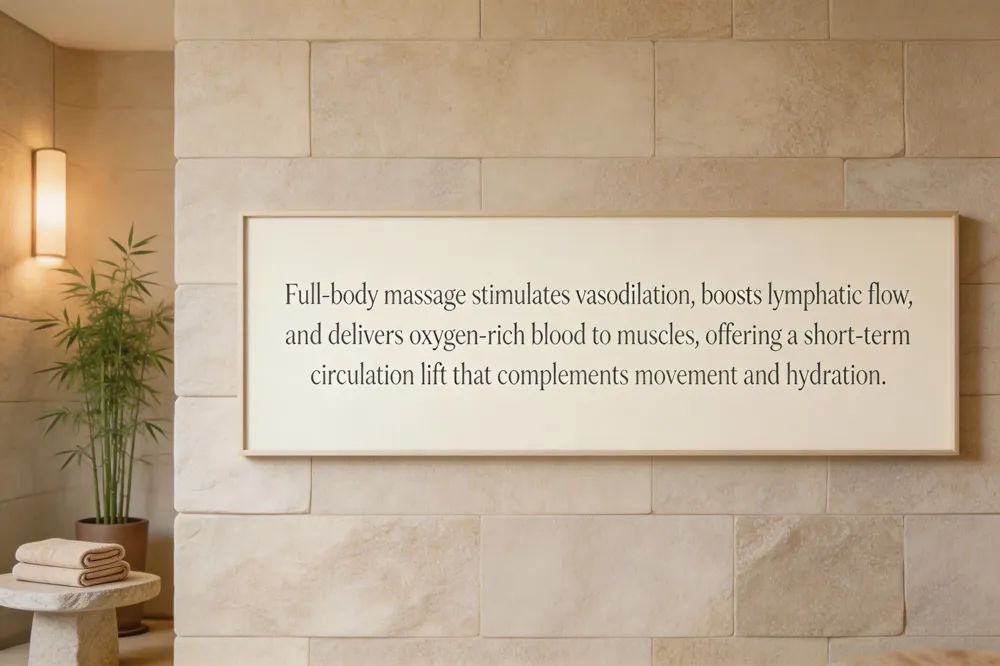 Full‑body massage stimulates vascular tone, causing vasodilation and moving blood and lymphatic fluid through muscles and soft tissue. The rhythmic pressure delivers oxygen and nutrients while flushing metabolic waste, reducing inflammation and soreness, and supporting faster tissue repair.
Foot massage applies gentle rhythmic strokes that dilate tiny vessels in the feet, enhancing oxygen delivery, clearing lactic acid, and promoting lymphatic drainage to reduce swelling and improve mobility.
Neck, scalp, and shoulder work relaxes cervical muscles, opens carotid and vertebral arteries, and lowers cortisol, thereby increasing arterial inflow and venous return to the brain for better nutrient delivery and waste removal.
Leg massage widens vessels, encourages venous return, and eases edema, which lessens varicose‑vein risk and speeds recovery after activity.
Deep‑tissue techniques break down adhesions, producing localized micro‑circulation spikes that reduce pain and support healing, though the systemic effect is modest compared with regular exercise.
Overall, massage offers a modest, short‑term boost to poor circulation and works best as a complementary tool alongside movement, hydration, and chiropractic care.
Local Client Perspectives and Available Packages
 Local clients consistently praise Glenwood Springs massage therapy for delivering noticeable pain relief, greater mobility, and deep relaxation. Reviews of top spots such as Splendor Mountain Spa (4.9/5) and Elevate Massage & Wellness (5.0/5) highlight professional, personalized treatment plans and clean, safe environments with COVID‑19 precautions.
Massage packages range from single sessions to multi‑visit bundles: 5‑session deep‑tissue series, 3‑session Swedish relaxation bundles, and combined chiropractic‑massage plans offering 10‑15 % discounts. Spa venues like Yampah Spa & Vapor Caves feature themed packages (e.g., “Tranquility for One,” “Balance,” “The Spa Day”) and couples options such as “Tranquility for Two.”
Yes—Glenwood Hot Springs Resort offers a full‑service spa where guests can book Swedish, Shiatsu, Thai, reflexology, or aromatherapy massages alongside day‑pass pool access, providing a seamless soak‑and‑massage experience.
Stress Reduction, Hormones, and Long‑Term Wellness
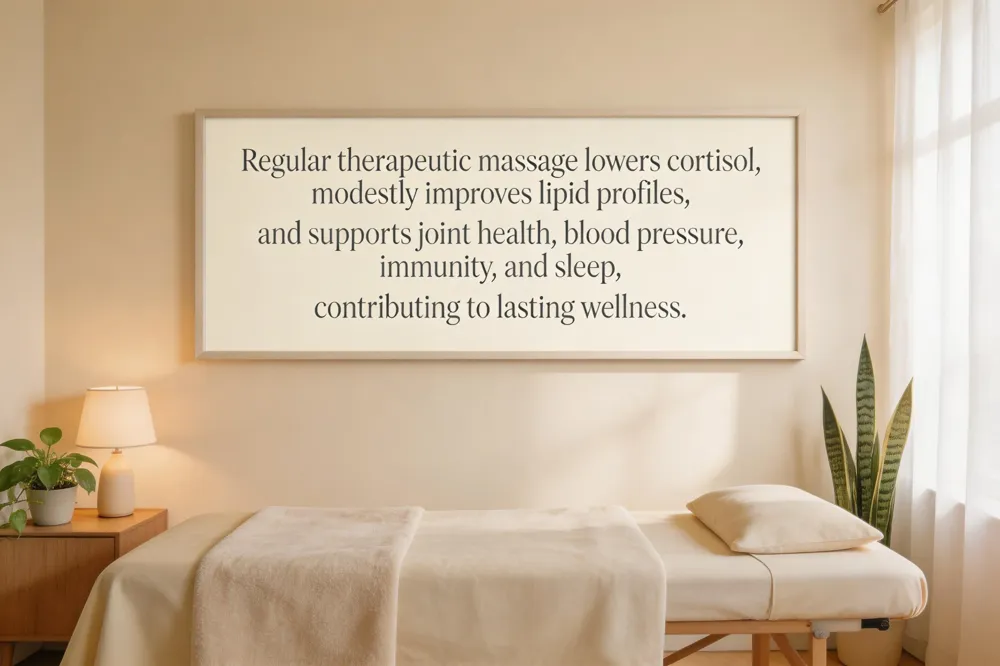 Do massages lower cortisol levels? Yes. Therapeutic massage can produce cortisol reductions; meta‑analyses show small effect sizes (d ≈ 0.05‑0.30) and several studies report statistically significant drops (e.g., a 2.7 µg/dL decrease after six months of regular use). Regular sessions aid stress management and mood.
Can massage help lower cholesterol? Small studies suggest massage may improve lipid profiles by enhancing circulation and reducing stress hormones, but effects should complement diet and exercise.
What are the long‑term benefits of regular massage? Consistent therapy maintains joint range, lowers blood pressure, boosts immune function, and improves sleep, supporting overall health and reduced chronic pain.
What are the general benefits of massage therapy? It relieves muscle tension, reduces pain, promotes circulation, stimulates lymphatic flow, enhances flexibility, and supports mental well‑being.
Is a career in massage therapy stable and rewarding? The field is growing (~18 % through 2033), offering earnings, flexible schedules, and high job satisfaction as therapists help clients manage pain and stress.
Integrating Chiropractic and Massage
 Can a chiropractor and massage therapist work together in the same session? Yes. Many clinics combine a chiropractic adjustment with therapeutic massage. The chiropractor first realigns the spine, reducing nerve irritation, then the therapist loosens tight tissue, improves circulation, and deepens relaxation, leading to faster pain relief and greater range of motion.
Can chiropractors improve blood flow? Yes. By correcting misalignments, chiropractors relieve nerve pressure that regulates vessel tone, promoting vasodilation and better oxygen delivery. Restored joint mobility also reduces tissue tension, enhancing blood movement and accelerating healing.
How does chiropractic massage differ from regular massage? Chiropractic massage integrates soft‑tissue work with spinal assessment and adjustment. It targets muscle tension that stems from vertebral dysfunction, using diagnostic tools to address underlying joint issues, whereas a regular massage focuses solely on muscle relaxation.
How often should you receive a massage for optimal circulation? Weekly sessions are most effective for consistent vasodilation and waste removal. If weekly visits aren’t possible, every 2–3 weeks still yields noticeable benefits, especially for athletes or active individuals.
What is the term for a soothing, circular massage movement? The technique is called effleurage, a long, gliding stroke that warms muscles, promotes circulation, and calms the nervous system.
Targeted Therapeutic Applications
 Swedish massage, with its long, flowing strokes and light‑to‑moderate pressure, is the preferred modality for fibromyalgia because it enhances circulation, lowers cortisol, and boosts serotonin and dopamine, easing pain and improving sleep. For neuropathy, gentle, targeted strokes improve blood flow, reduce inflammation, and stimulate endorphin release, helping lessen tingling and burning sensations. Hand arthritis benefits from regular hand massage that increases joint circulation, diminishes stiffness, and improves grip strength without aggravating inflamed tissues. Rotator‑cuff injuries can be managed by chiropractors who combine shoulder adjustments, soft‑tissue therapy, and a tailored rehabilitation program to reduce inflammation, restore range of motion, and support healing. Cervical spondylosis patients experience symptom relief through massage techniques that loosen tight neck muscles, improve vascular supply, and promote better posture, complementing stretching and strengthening routines. Finally, a career in massage therapy offers strong job growth, competitive earnings, and the personal reward of helping clients manage chronic pain and stress, making it a stable and fulfilling profession.
Putting It All Together for Optimal Recovery
Key takeaways: Massage stimulates vasodilation, improves blood and lymphatic flow, and activates the parasympathetic nervous system, delivering oxygen, nutrients and and waste removal while reducing cortisol. These circulatory gains enhance joint mobility and proprioceptive feedback, supporting better postural stability and lower fall risk. Integration: Schedule a therapeutic massage before chiropractic adjustments to relax muscles and after adjustments to alleviate post‑treatment soreness; combine Swedish or deep‑tissue techniques with targeted myofascial release for optimal tissue preparation. Next steps for Glenwood Springs residents: Visit local clinics such as Elevate Massage & Wellness or C Spa and Salon for a 60‑minute session, then follow up with a chiropractic visit at Glenwood Chiropractic or a Camillus Chiropractic partner. Aim for bi‑weekly massage and monthly adjustments to sustain circulation, stability, and overall wellness.