Why Daily Spine Care Matters
Back pain is a near-universal experience. It affects eight out of ten people at some point in their lives, making it one of the most common health complaints worldwide. The discomfort can range from a dull, constant ache to a sudden, sharp pain that makes movement difficult. This prevalence underscores why proactive, daily habits are not merely a good idea but a necessary part of a holistic approach to health and well-being.
Understanding the Impact on Quality of Life
The effects of back pain extend far beyond physical discomfort. When the spine is not properly supported, it can significantly impair your ability to enjoy daily activities, from work and exercise to simple tasks like playing with children or gardening. Over time, chronic pain can lead to tension, reduced mobility, and a decline in overall vitality. The goal of preventive care is to protect your mobility and ensure that your spine supports you, rather than limiting you, as you age.
The Role of Daily Habits
The good news is that much of this pain is preventable. Research consistently shows that back pain often develops not from a single injury, but from the cumulative effect of everyday activities performed with poor posture. This includes sitting at a computer, driving, and improper lifting. Consequently, the most effective strategy for a healthy spine is not a single solution, but a blend of daily habits that build strength, support, and stability. By focusing on core strengthening, mindful movement, and proper ergonomics, you can protect your spine from the repetitive strains that lead to chronic issues.
The Foundation of a Healthy Spine
Incorporating small, consistent habits into your routine creates a protective effect for your entire body. Simple practices—such as taking movement breaks from sitting, maintaining awareness of your posture, and engaging in a brief daily routine of targeted exercises—collectively reduce the load on your spinal discs and supporting muscles. This approach is the cornerstone of a patient-centered strategy for lifelong spinal health, helping you stay active and pain-free without relying on invasive treatments.
Strengthen Core with the Three Ps: Planks, Pilates, and Pillows
What daily habits can effectively reduce back pain?
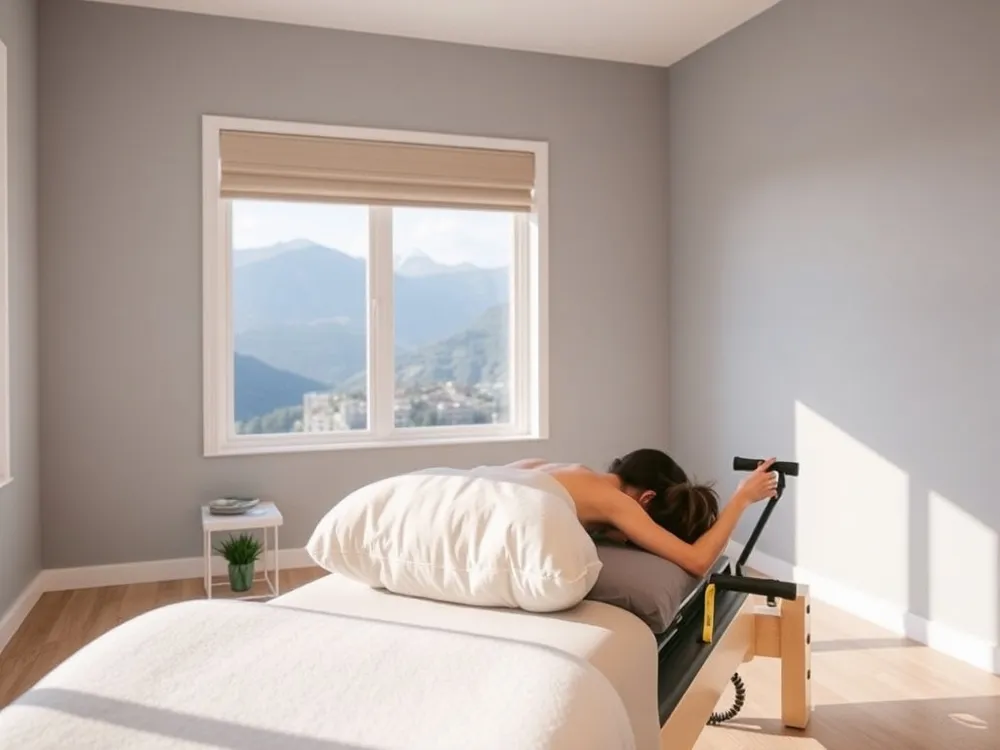
Back pain affects eight out of ten people at some point in their lives, often stemming from poor posture and weak supporting muscles. Dr. Moises Lustgarten, a non-surgical spine specialist, simplifies prevention into the 'Three Ps': Planks, Pilates, and Pillows. These habits represent the cornerstones of strength, support, and stability for a healthy spine.
Core Strengthening Basics
A strong core—the muscles of the abdomen, lower back, and pelvis—acts as a natural corset that stabilizes the spine during every movement. Weak core muscles force other structures to compensate, increasing the risk of strains and chronic pain. Daily core work is essential because these muscles are rarely fully engaged during routine activities.
Plank Benefits
Planks are a foundational isometric exercise that strengthens the front and side torso muscles simultaneously. Unlike crunches, which isolate muscles, planks mimic how the core functions during daily activities like sitting, standing, and walking. Performing a plank for 30–60 seconds daily reduces pressure on spinal discs and promotes proper alignment.
Pilates Posture
Pilates focuses on controlled movements, flexibility, and alignment centered around the "powerhouse" of the core. It trains deep stabilizing muscles to maintain a neutral spine, counteracting the small, repetitive strains from slouching at a desk or rounded shoulders. Regular Pilates practice improves postural awareness and prevents the muscle imbalances that lead to back pain.
Sleep Pillow Support
We spend nearly half our lives sleeping, making pillow choice critical for spinal health. The right pillow keeps the head and neck in a neutral position, aligned with the spine. Side sleepers need a thicker pillow to fill the gap between ear and shoulder, while back sleepers benefit from a thinner, contoured pillow. Stomach sleeping is generally discouraged, but if necessary, use a very thin pillow or none to minimize neck strain. Proper support allows spinal muscles to fully relax and heal overnight.
| Habit | Core Benefit | Practical Tip |
|---|---|---|
| Planks | Strengthens core muscles to stabilize spine | Hold a plank for 30–60 seconds daily, keeping body in a straight line |
| Pilates | Improves postural awareness and deep core control | Practice 2–3 times per week, focusing on neutral spine positions |
| Pillows | Supports neutral spinal alignment during sleep | Match pillow thickness to your sleep position: thicker for side sleepers, thinner for back sleepers |
Posture Perfect: Fixing Alignment at Work and Home
How can I fix my posture to prevent back pain?
Good posture starts with awareness and ends with habit. When standing, imagine a vertical line through your ears, shoulders, hips, knees, and ankles. Distribute your weight evenly on the balls of your feet, keep your shoulders back, and engage your core gently. For sitting, keep feet flat on the floor (or use a footrest), knees bent at 90 degrees, and avoid crossing your legs. A small pillow or rolled towel at your lower back maintains its natural curve, reducing spinal strain.
How can I stop slouching to avoid back pain?
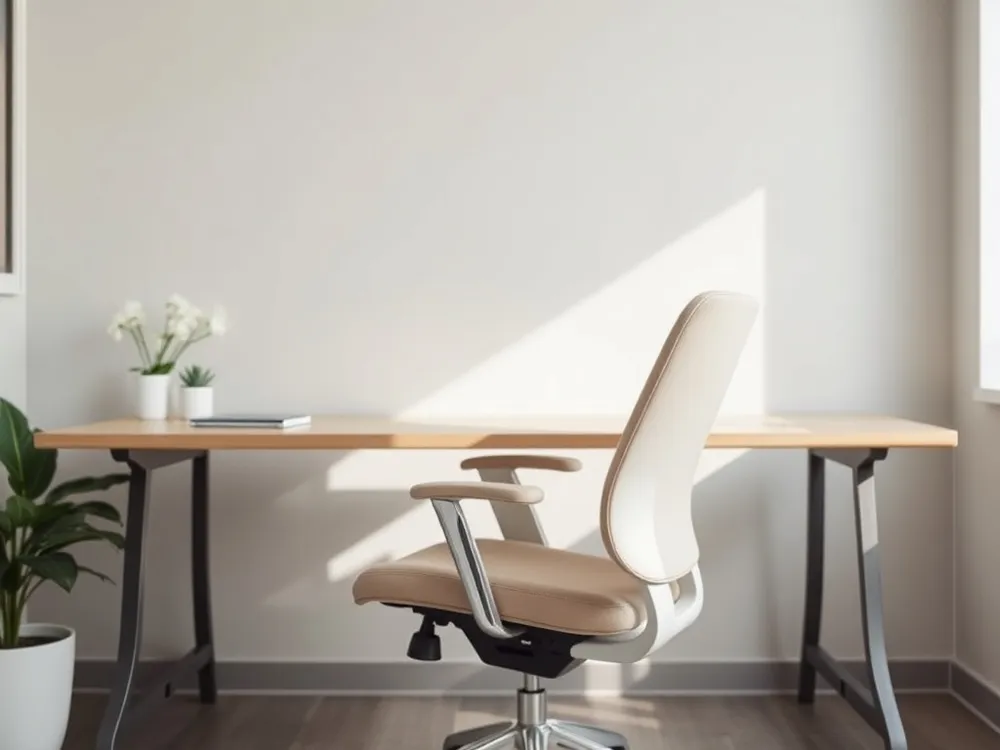
Breaking the slouch habit requires environmental fixes and targeted exercises. Ergonomic desk setup is essential: place your monitor at eye level (or slightly below), an arm’s length away. Keep elbows at 90 degrees, wrists neutral, and mouse close. Use a supportive chair with adjustable lumbar support; if lacking, add a towel roll. Set your chair height so thighs are parallel to the floor.
Shoulder‑Blade Squeeze and Micro‑Break Routines
A key exercise to counter rounded shoulders is the shoulder‑blade squeeze: sit upright, pull shoulders back and down, squeeze shoulder blades together for 5 seconds, repeat 3‑5 times. Do this several times daily, especially after long sitting periods. Movement is vital—follow the 20‑8‑2 rule: 20 minutes sitting, 8 minutes standing, 2 minutes moving per half‑hour. Take a 1‑2 minute walking or stretching break every 45‑60 minutes. These micro‑breaks refresh posture, improve circulation, and reduce spinal compression.
Standing Posture Tips
When standing, stand tall as if pulled by a string from the crown of your head. Keep your neck straight, shoulders over hips, and feet shoulder‑width apart. Shift weight periodically or place one foot on a low stool to reduce static load. Supportive, low‑heeled shoes (<1 inch heel) help maintain alignment. Avoid locking your knees.
| Posture Focus | Ergonomic Setup | Key Exercise | Daily Practice |
|---|---|---|---|
| Sitting | Monitor at eye level; chair with lumbar support; feet flat; knees at 90° | Shoulder‑blade squeeze (10 sec hold) | Micro‑break every 45‑60 min; stand/stretch |
| Standing | Supportive shoes; ears over shoulders; slight knee bend | Core engagement; head pull (imaginary string) | Shift weight; use footstool; stand tall |
| Slouching | Lumbar support; sit‑stand desk; external keyboard/mouse | Cat‑cow stretch; towel hamstring stretch | Set posture reminders; walk every 30 min |
By combining proper ergonomics, conscious alignment exercises, and regular movement breaks, you can effectively prevent back pain and maintain a healthy spine throughout the day.
Sleep Strategies for Spine Health
 Sleep is a critical period for spinal recovery. Spending around 50% of our time asleep, the position you choose and your sleep surface directly impact spinal alignment and the prevention of morning stiffness or chronic back pain. Focusing on optimal positions, pillow support, and mattress firmness can transform your nightly rest into a powerful tool for spine health.
What are the best sleeping positions for lower back pain relief?
To alleviate lower back pain, side sleeping with slightly bent knees is highly effective. Place a pillow between your knees to keep your hips, pelvis, and spine aligned, preventing the top leg from pulling your spine out of its natural curve. Back sleeping is also beneficial; place a pillow under your knees. This reduces pressure on the lower back by maintaining the spine's natural curve and relaxing back muscles. Avoid sleeping on your stomach, as this forces the spine into an unnatural arch and strains the neck; if unavoidable, place a thin pillow under your hips and lower stomach to minimize strain.
Pillows for neck and back support
The right pillow keeps the head and neck in a neutral position, aligned with the spine. For side sleepers, a thicker pillow is needed to fill the space between the ear and shoulder, maintaining a straight neck. Back sleepers benefit from a thinner, possibly contoured pillow that supports the natural curve of the neck without tilting the head forward or backward. Stomach sleepers should use a very thin pillow or none at all to minimize neck strain. A supportive pillow allows spinal muscles and ligaments to fully relax and heal overnight.
Mattress firmness and night-time spine alignment
A mattress should support the spine's natural “S”-shaped curves. A medium-firm mattress is generally recommended, as it provides enough support for the heavier parts of the body (hips and shoulders) while cushioning the lighter areas (lower back and neck) to maintain proper alignment. A mattress that is too soft can cause the spine to sink out of alignment, while one that is too firm can create pressure points. For optimal alignment, your mattress should keep your spine straight when lying on your side, with the gaps between your waist and the mattress minimal.
| Sleep Position | Pillow Recommendation | Additional Support | Impact on Spine |
|---|---|---|---|
| Side | Thick pillow to fill ear-shoulder gap | Pillow between knees; roll towel under waist | Maintains neutral spine, prevents twisting |
| Back | Thin or contoured pillow for neck curve | Pillow under knees; roll under lumbar | Preserves natural lower back curve |
| Stomach | Very thin pillow or none | Thin pillow under hips/lower stomach | Minimizes neck and lower back strain |
| General Rule | Neck aligned with mid-spine | Medium-firm mattress | Allows muscles to fully relax and heal |
Ergonomic Adjustments for Home Office and Car
What are the best ergonomic adjustments for a home office and car to prevent back pain?
Ergonomic adjustments focus on fitting your workspace to your body, not the other way around. For your home office, start with your chair. It is the foundation of your setup. Choose a chair with adjustable lumbar support to maintain your lower back's natural curve. If your chair lacks this, a rolled towel or small pillow works well.
Your feet should rest flat on the floor, with your thighs parallel to the ground. If they don't, use a footrest like a stack of books.
Position your computer monitor directly in front of you, about an arm’s length away. The top of the screen should be at or slightly below eye level to prevent forward head posture. Keep your keyboard and mouse close, allowing your elbows to rest at a 90‑degree angle with relaxed shoulders.
For your car, adjust the seat so your knees are slightly lower than your hips. Your back should be fully supported against the seat. Ensure you can reach the pedals comfortably without stretching. Remove wallets or phones from your back pockets to avoid uneven pressure on your pelvis.
Even the best setup is not a substitute for movement. Take breaks every 20 to 30 minutes to stand, stretch, or walk. Simple, low‑cost solutions like a rolled towel for lumbar support can make a significant difference in preventing back pain.
| Adjustment Area | Office Setup | Car Setup |
|---|---|---|
| Seat & Posture | Chair with lumbar support; feet flat on floor or footrest; thighs parallel to ground. | Seat adjusted so knees slightly lower than hips; back fully supported. |
| Screen & Controls | Monitor at eye level, an arm’s length away; keyboard and mouse close to body. | Easily reach pedals without stretching; remove items from back pockets. |
| Key Habit | Take movement breaks every 20‑30 minutes. | Use lumbar support; take breaks on long drives. |
Everyday Movement and Stretching Routine
How can I straighten your spine and improve back health every day?
To straighten your spine daily, begin with the cat-cow stretch. On your hands and knees, inhale as you drop your belly and lift your chest and tailbone (cow), then exhale as you round your back and tuck your tailbone (cat). This motion improves spinal flexibility and relieves stiffness. Follow with pelvic tilts: lie on your back with knees bent, press your lower back into the floor by tilting your pelvis upward, and hold for a few seconds. This engages your core and supports proper alignment.
How can I relieve back pain fast at home?
For fast relief, start with a knee-to-chest stretch. Lie on your back, pull one knee toward your chest, hold for 5 seconds, and switch sides. This releases tension in the lower back. Apply a cold pack for the first 48 hours to reduce inflammation, then use a heating pad to relax tight muscles. Stay active with low-impact activities like walking, but avoid prolonged bed rest. Over-the-counter anti-inflammatories may help, and gentle core-strengthening moves like the bridge or modified planks build stability. If pain persists, consult a chiropractor for non-invasive care.
Low-Impact Aerobic Activity and Walking Breaks
Low-impact aerobics—such as walking, swimming, or water aerobics—improve circulation and strengthen spine-supporting muscles without stressing joints. Walking breaks every 30 to 60 minutes counteract the effects of prolonged sitting. Aim for 90 to 120 minutes of daily walking to significantly lower chronic back pain risk, as speed matters less than total volume.
Core-Strengthening Moves
Core-strengthening moves like bridges, side planks, and bird-dog exercises build stability. Perform bridges by lifting hips into a straight line for three deep breaths, working up to 30 repetitions. These exercises protect the spine by reducing reliance on passive structures and supporting balanced movement.
| Exercise | Purpose | Key Benefits |
|---|---|---|
| Cat-Cow | Spinal mobility | Relieves stiffness, improves flexibility |
| Pelvic Tilt | Core engagement | Supports lower back alignment |
| Knee-to-Chest | Tension release | Lengthens lumbar muscles |
| Bridge | Posterior chain strength | Stabilizes pelvis and spine |
| Walking | Low-impact aerobic | Reduces chronic pain risk |
Identifying and Avoiding the Worst Sitting Positions
What are the symptoms of back pain caused by bad posture?
Sitting in a slouched or hunched position for extended periods is a common cause of back pain. Symptoms of posture-related pain often include a dull, aching discomfort in the lower back that worsens after sitting for a long time. You may also feel tightness and pain between the shoulder blades or in the neck, which can lead to frequent tension headaches. This type of pain typically eases when you stand up, stretch, or change positions. Over time, poor sitting habits can strain spinal muscles, compress discs, and stress ligaments, transforming occasional aches into persistent discomfort.
What are the worst sitting positions for lower back pain?
The most damaging sitting positions place excessive strain on the spine's supporting structures. Slouching or slumping forward with a rounded back overstretches spinal ligaments and increases pressure on the intervertebral discs, raising the risk of disc injury. Sitting without proper lumbar support forces back muscles to work harder to hold you upright, leading to fatigue and pain. Crossing legs or leaning to one side disrupts pelvic alignment and creates uneven pressure on the spine, which can cause muscle imbalances over time. Deep, soft chairs or couches that let your hips sink below your knees also worsen lower back pain by altering the spine’s natural curve. Critically, holding any static position—even a correct one—for too long is problematic, so regular movement is essential.
How to improve your sitting posture
Correcting sitting posture involves creating a supportive environment and building good habits. Start with your chair: choose one with adjustable height and lower back (lumbar) support, or use a rolled towel or small pillow in the curve of your lower back. Position your feet flat on the floor, knees at a 90-degree angle and about level with your hips. Keep your shoulders relaxed and your elbows close to your body at roughly a 90-degree angle. Place your computer monitor directly in front of you, an arm’s length away, with the top of the screen at or slightly below eye level to keep your head and neck neutral. Most importantly, avoid static posture. Stand and move for 1–2 minutes every 30–60 minutes to reduce disc compression, improve circulation, and keep muscles flexible. Simple desk stretches, such as shoulder rolls and gentle back twists, can further relieve tension and maintain spinal alignment.
Quick reference: Common sitting mistakes vs. better habits
| Mistake | Effect on Spine | Better Habit |
|---|---|---|
| Slouching / rounded back | Overstretches ligaments, compresses discs | Sit upright with a natural curve in your lower back |
| Sitting without lumbar support | Strains back muscles, increases disc pressure | Use a lumbar roll or supportive chair back |
| Crossing legs or leaning to one side | Creates muscle imbalances, uneven pressure | Keep both feet flat on the floor, hips level |
| Using a deep, soft chair | Alters spinal curve, reduces support | Choose a firm chair with good back support |
| Prolonged static sitting | Compresses discs, stiffens joints | Stand and move for 1–2 minutes every 30 minutes |
Making these adjustments helps keep your spine in a neutral, aligned position during desk work, significantly lowering the risk of chronic back pain.
Putting It All Together
Building a Daily Habit Plan
Preventing back pain does not require a dramatic overhaul of your life. Instead, focus on building small, consistent habits that support your spine throughout the day. A practical plan can be centered on Dr. Moises Lustgarten’s "Three Ps": Planks, Pilates, and Pillows.
- Planks for Core Strength: Dedicate a few minutes each day to isometric core work like planks. A strong core acts as a natural brace for your spine, reducing pressure on discs and joints during everyday movements.
- Pilates for Functional Support: Incorporate Pilates or similar movement practices that emphasize controlled motions, flexibility, and postural awareness. This helps train deep stabilizing muscles to keep your spine in a neutral position.
- Pillows for Nightly Support: Use the right pillow for your sleep position. Side sleepers need a thicker pillow to fill the gap between ear and shoulder, while back sleepers benefit from a thinner or contoured pillow.
Beyond these three pillars, integrate movement into your routine. Stand and stretch briefly every 30 to 60 minutes. Practice good posture by keeping your ears aligned over your shoulders and your shoulders over your hips. These daily habits, when combined, significantly lower the risk of chronic back pain.
When to Seek Professional Care
While daily habits are powerful, they are not a substitute for professional medical advice. You should seek evaluation from a healthcare provider, such as a chiropractor or physical therapist, if:
- Your back pain persists for more than a week despite self-care.
- The pain is severe or accompanied by numbness, tingling, or weakness in your legs.
- You experience pain following a fall or injury.
- The pain interferes with your daily activities, sleep, or quality of life.
A professional can assess the underlying cause of your pain, provide personalized exercises and adjustments, and rule out more serious conditions. Early intervention often prevents chronic issues from developing.
Long‑Term Spine Health
Your long-term spine health is built on the foundation of daily awareness and proactive care. This includes maintaining a healthy weight to reduce mechanical load on your spine, staying hydrated to keep spinal discs cushioned, and consuming a diet rich in anti-inflammatory foods. Remember that back pain is not an inevitable part of aging. By consistently practicing good ergonomics, staying active, and listening to your body’s early warning signs, you can maintain a strong, flexible, and pain-free spine for years to come.