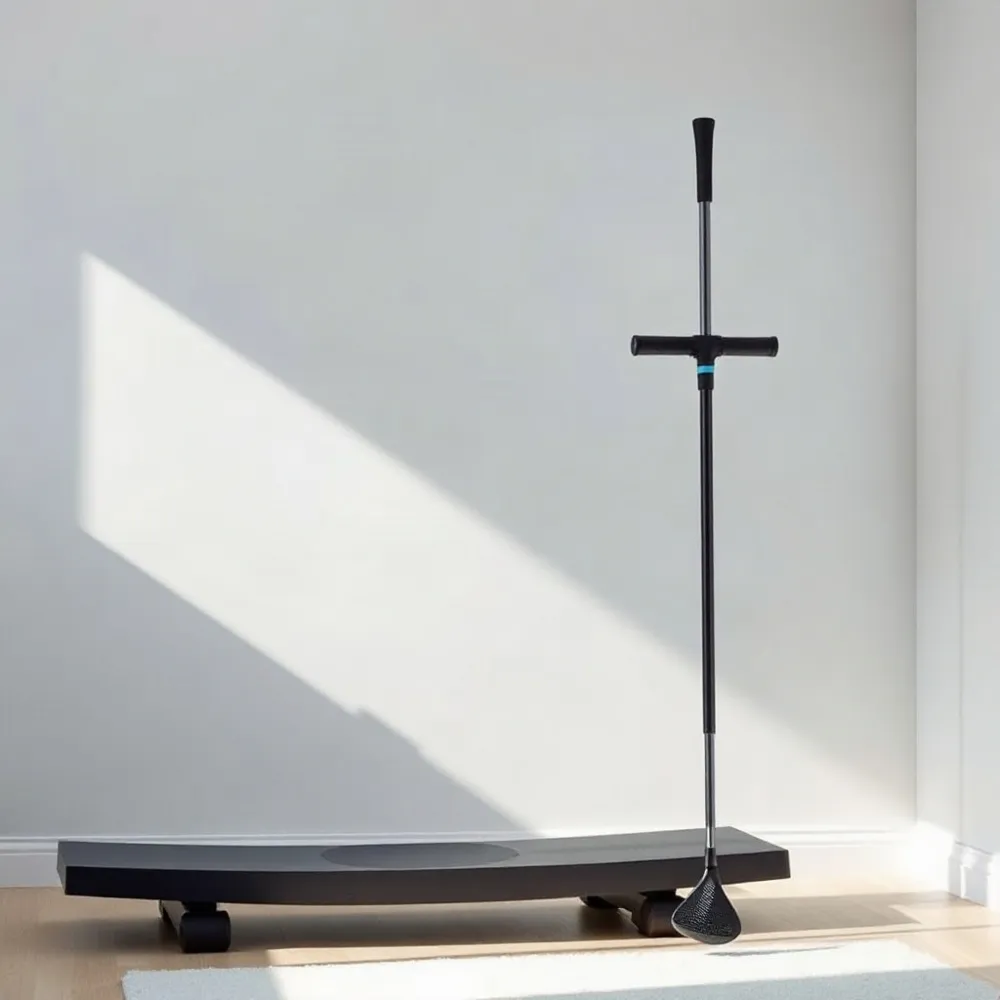
Bridging the Gap Between Your Body and Your Golf Swing
Many golfers mistakenly believe that mastering a swing comes down to repeating technical drills on the driving range. While technique is essential, even the most precise swing instruction can fall flat if your body lacks the physical capacity to execute those movements. Modern golf demands significant rotational torque and stability, placing immense pressure on the spine, hips, and shoulders throughout every round.
Technique alone cannot compensate for underlying physical limitations. If your range of motion is restricted, your body will inevitably compensate with faulty patterns that sap your power and increase the risk of chronic pain. At glenwoodchiro.com, we address these constraints using the Titleist Performance Institute (TPI) methodology. This evidence-based approach helps us identify the root cause of movement restrictions, allowing us to build a foundation of mobility and strength tailored specifically to your physiology.
By shifting the focus from generic training to a TPI Golf Assessment, you gain a clear picture of your physical strengths and areas for improvement. This patient-centered care ensures your body is as prepared for the demands of the sport as your technical game, leading to more consistent results and a healthier, more durable golf swing.
Decoding the Body Swing Connection
The Titleist Performance Institute (TPI) is the world's leading educational organization dedicated to the study of the Body-Swing Connection, which examines how the human body functions in relation to the golf swing. Established in 2003, TPI uses data gathered from thousands of golfers to analyze how physical limitations can hinder performance and contribute to injury. Through its evidence-based certification program, TPI educates healthcare and fitness professionals on how to perform physical screens to identify these limitations. This holistic, data-driven approach allows experts to create customized conditioning programs that help golfers move more efficiently and play with greater longevity. By bridging the gap between physical health and swing technique, TPI remains a global gold standard for supporting players of all skill levels in achieving optimal performance.
Improving Golf Biomechanics Through Physical Function
Golf performance relies heavily on the quality of your movement. When you lack the mobility in your hips or the stability in your thoracic spine, your body compensates elsewhere to complete the swing. At glenwoodchiro.com, we focus on identifying these constraints before they manifest as chronic pain or swing faults. While standardized coaching often centers on grip and stance, we evaluate the musculoskeletal framework that supports these actions. Improving your physical function means your body no longer has to fight against itself, allowing for fluid motion and more consistent contact.
Integrating Professional Care Into Your Wellness Plan
A personalized wellness plan goes beyond generic gym exercises. By utilizing insights from a TPI assessment, you get a clear map of where your body needs support and where it needs stability. Our team at glenwoodchiro.com aligns chiropractic adjustments with these physical findings to restore joint mobility and optimize nervous system communication. This strategy ensures your training is specific to your unique limitations, helping you achieve a more efficient swing while reducing the risk of common injuries like low back strain.
The Diagnostic Power of a TPI Physical Screen
 A Titleist Performance Institute (TPI) physical screen functions as a comprehensive diagnostic tool by evaluating fundamental movement patterns that are essential for an efficient golf swing. By analyzing how key attributes including flexibility, strength, balance, and stability correlate with specific swing mechanics, practitioners can pinpoint the exact movement limitations causing both suboptimal performance and recurring pain. At glenwoodchiro.com, our clinicians identify the root cause of a patient’s difficulties rather than just addressing surface-level symptoms.
Structuring the 16-Point Assessment
The core of this evidence-based assessment involves a structured 16-point movement screen. This session acts as a physiological snapshot, allowing our team to measure range of motion in the thoracic spine, hips, and shoulders while testing for stability in the lumbar spine. Unlike generic fitness evaluations, this specific battery of tests determines how your body handles the rotational forces of a swing.
A comprehensive assessment typically requires between 60 and 90 minutes. This duration is necessary to conduct a detailed evaluation of your movement patterns. By dedicating this time, our clinical team can accurately identify physical limitations that might otherwise lead to compensations, such as 'early extension' or 'C-posture.' This thorough data collection ensures that we develop a personalized, evidence-based plan tailored to your body's unique requirements.
From Data to Personalized Intervention
Once these physical barriers are localized, the findings enable the development of a tailored, corrective exercise program that prioritizes the most impactful areas for improvement. While some training centers rely solely on repetitive swing drills, glenwoodchiro.com combines this precise movement data with manual therapy to restore mobility and prevent future injury. This approach successfully bridges the gap between musculoskeletal health and athletic function, creating a clear roadmap for long-term power and consistency.
Correcting Swing Faults Through Targeted Intervention
 Many golfers spend countless hours attempting to fix swing flaws through repetition on the driving range, yet these efforts often fail because they address the symptom rather than the source. A Titleist Performance Institute assessment changes this perspective by identifying how specific physical limitations force the body into compensatory patterns. Research indicates that golfers with these movement restrictions are 2-3 times more likely to exhibit faults like early hip extension and loss of posture, highlighting a direct link between bodily function and ball striking performance.
Connecting Physical Limitations to Swing Tendencies
A swing fault is frequently a creative solution your body adopts to work around a physical deficit. For instance, restricted thoracic spine rotation prevents a full shoulder turn, forcing the body to over-rotate the lower back to compensate. Similarly, limited glute activation or poor pelvic mobility often leads to early extension, where the player shifts toward the ball during impact. At glenwoodchiro.com, we utilize these diagnostic insights to transition away from purely symptomatic treatment, focusing instead on root cause analysis.
Can TPI assessments help correct common golf swing faults?
Yes, TPI assessments are highly effective for correcting common golf swing faults by identifying the underlying physical limitations that force your body to compensate. By evaluating your mobility, stability, and functional strength, a TPI screen pinpoints exactly which physical weak links, such as restricted hip mobility or poor thoracic rotation, are causing performance issues like early extension or inconsistent ball contact. Instead of only focusing on the swing itself, this data-driven approach allows for targeted corrective exercises that address the root cause of your faults. By restoring proper movement patterns, you harmonize your physical capabilities with your swing mechanics to improve efficiency and consistency. Ultimately, this patient-centered process helps you gain power and stability while proactively reducing the risk of pain and injury on the course.
Chiropractic Care as a Performance Foundation
 Effective golf performance requires a body that can handle repetitive rotational forces without suffering from chronic strain. While many athletes rely solely on drill-based practice to improve, addressing the physical foundation of the swing is necessary for lasting progress. At glenwoodchiro.com, we bridge this gap by aligning clinical care with the principles of the Titleist Performance Institute (TPI). By focusing on joint mobility and neuromuscular function, we ensure that a player's physical capacity matches the technical demands of their swing.
How does chiropractic care integrate with TPI-informed training for golfers?
Chiropractic care complements TPI-informed training by addressing the foundational physical restrictions that often cause a golfer to fail a TPI movement screen. While TPI protocols identify specific biomechanical limitations, chiropractic adjustments and soft tissue therapies effectively resolve the underlying joint and muscle imbalances identified during these assessments. By restoring proper spinal alignment and mobility, we allow golfers to execute the corrective exercises prescribed in their training plans with greater ease and efficacy. This integrated approach ensures that the nervous system is functioning optimally to support core strength and stability, which helps bridge the gap between clinical rehabilitation and athletic performance. Combining these disciplines creates a holistic pathway for golfers to improve their swing mechanics while minimizing the risk of repetitive strain injuries like lower back pain or lateral epicondylitis.
Correcting minor misalignments is vital for peak output. When specialized adjustments and soft tissue work prepare the body, golfers often report better balance and more consistent weight distribution. This level of physical preparation is what distinguishes a structured program from trial-and-error training, allowing for a more efficient and pain-free experience on the course.
Inclusivity in Golf Performance
The Titleist Performance Institute (TPI) framework operates on the principle that there is no singular universal swing style. Instead, the most effective approach for any golfer depends entirely on their individual physical capabilities. By aligning technical mechanics with body-specific capacities, athletes can achieve greater efficiency regardless of their starting point.
Can golfers of any age or skill level benefit from a TPI assessment?
Yes, golfers of every age and skill level can benefit significantly from a TPI assessment. By evaluating key physical attributes such as flexibility, strength, balance, and stability, the screen identifies specific physical limitations that may be forcing compensatory swing mechanics. Whether you are a competitive athlete or a recreational player, uncovering these constraints provides a clear roadmap to improve your functional movement and overall golf performance. These findings can be used to create personalized, evidence-based training programs designed to address your unique needs. Ultimately, this approach helps bridge the gap between your physical capability and your golf swing, reducing injury risk while helping you swing more efficiently.
Competitive professionals and casual weekend golfers often share the same underlying movement restrictions that contribute to chronic issues like low back pain or shoulder strain. While other training centers may push standardized drills that do not account for individual mobility limits, a holistic, patient-centered approach prioritizes the specific biomechanical profile of each patient. For aging golfers, this methodology is particularly valuable for maintaining joint longevity and mobility, allowing for a sustained and pain-free practice schedule.
Optimizing Your Body for Longevity and Power
Achieving your best performance on the course requires more than just technique. By addressing the physical limitations identified through a TPI assessment, golfers in Glenwood Springs can build a foundation of mobility and stability that supports both power and longevity. While many training programs rely on generic drills, our approach focuses on removing the specific physical barriers that lead to common swing faults and nagging injuries.
Regular, tailored care serves as a key investment in your game, ensuring you can play without pain for years to come. We encourage you to visit glenwoodchiro.com to schedule a functional screening today. Taking this step allows us to create a roadmap for your physical health, helping you hit more consistent shots and sustain the energy needed for a full round of golf.