Why Runners Turn to Needle Therapies
Acupuncture and dry‑needling are minimally invasive techniques that target myofascial trigger points and meridian pathways to reduce pain, inflammation, and muscle tightness in athletes. For runners, these therapies provide rapid, drug‑free relief from overuse injuries such as shin splints, plantar fasciitis, IT‑band syndrome, and calf strains, while enhancing blood flow and endogenous opioid release for faster tissue repair. In Glenwood Springs, many clinics combine needle work with chiropractic adjustments, soft‑tissue mobilization, and structured exercise programs. This multimodal, patient‑centered approach leverages the strengths of each modality, promoting functional recovery, biomechanical balance, and a smoother return‑to‑run.
Understanding Acupuncture: Mechanisms and Core Principles
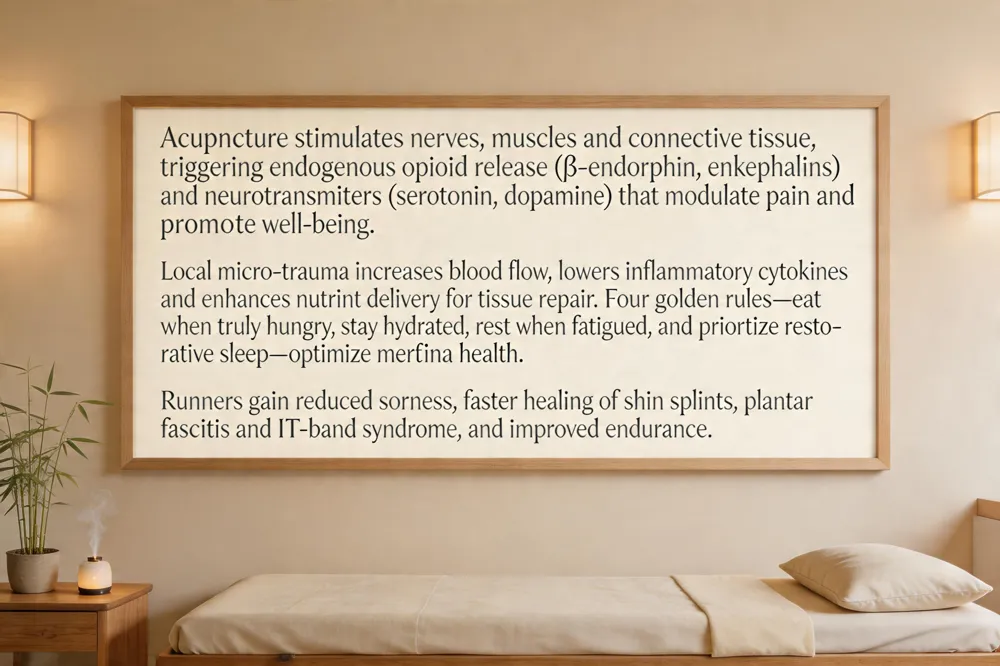 Acupuncture uses thin needles to stimulate nerves, muscles, and connective tissue. This stimulation activates the nervous system, prompting release of Acupuncture stimulates the release of endogenous opioids such as β‑endorphin, enkephalins, and neurotransmitters like serotonin and dopamine, which modulate pain pathways and produce a feeling of well‑being. Locally, needle insertion creates micro‑trauma that Acupuncture stimulates local blood flow for nutrient delivery and waste removal reduces inflammatory cytokines and enhances oxygen and nutrient delivery to injured tissue, supporting repair.
Because the needles are fine, most patients feel only a faint prick or light pressure; any tingling or mild ache is brief. The four golden rules that maximize benefit are: (1) eat only when truly hungry with nourishing foods; (2) stay hydrated by drinking when thirsty; (3) rest when fatigue appears; and (4) prioritize early, restorative sleep. Following these habits creates an internal environment for the meridians.
Runners benefit from circulation to muscles and joints, which reduces soreness, speeds healing of overuse injuries such as shin splints, plantar fasciitis and IT‑band syndrome, and improve endurance. Acupuncture also lessens strain injury symptoms by decreasing inflammation and releasing natural analgesics, making it an option in sports programs.
Dry Needling: Rapid Muscle Relief and Athletic Performance
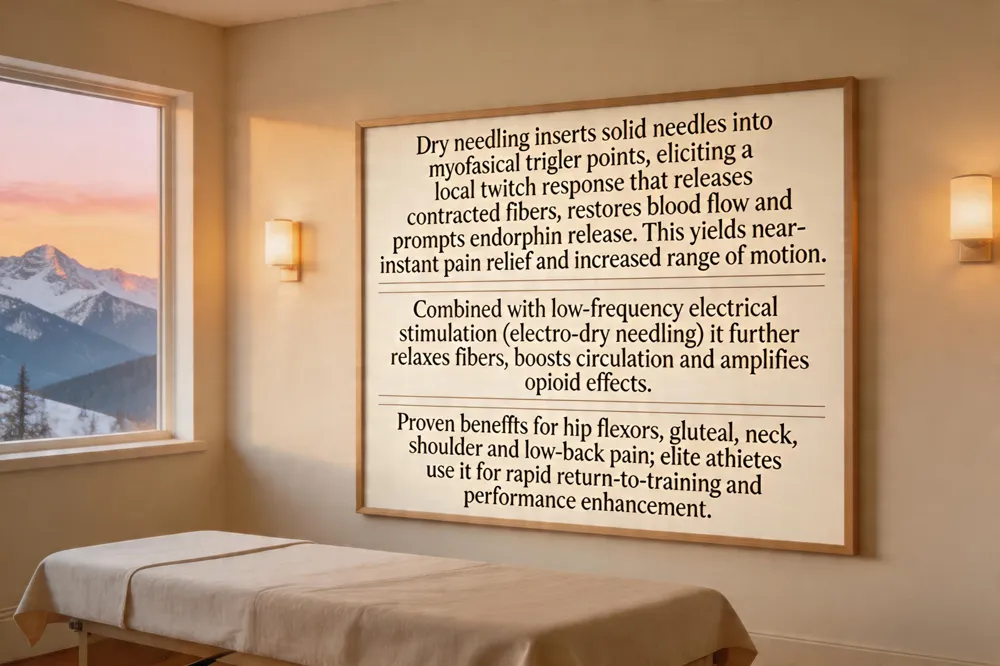 Dry needling targets myofascial trigger points by inserting thin, solid needles directly into tight muscle bands. The needle provokes a local twitch response, which releases contracted fibers, restores normal blood flow, and triggers endorphin release, providing almost instant pain relief and improved range of motion. Athletes benefit greatly because the rapid reduction in muscle tension allows quicker return to training and enhances performance. In many sports clinics, dry needling is combined with electrical stimulation (electro‑dry needling) to deepen the therapeutic effect; low‑frequency currents further relax fibers, increase circulation, and amplify opioid release, leading to faster pain reduction and functional gains. For hip pain, needles placed in flexors or gluteal trigger points decrease inflammation and restore mobility, especially when paired with chiropractic adjustments and corrective exercises. Neck and shoulder discomfort is similarly alleviated through twitch‑induced blood flow and metabolic waste clearance, offering lasting relief. Low‑back pain protocols involving twice‑weekly sessions over four weeks have shown marked drops in VAS scores and functional disability. NFL teams and other elite athletes incorporate dry needling into multimodal rehab plans for its non‑invasive, medication‑free benefits. While dry needling focuses on muscle‑level de‑activation, acupuncture addresses broader meridian energy flow; both can be integrated for comprehensive musculoskeletal care.
Clinical Evidence and Success Stories in Glenwood Springs
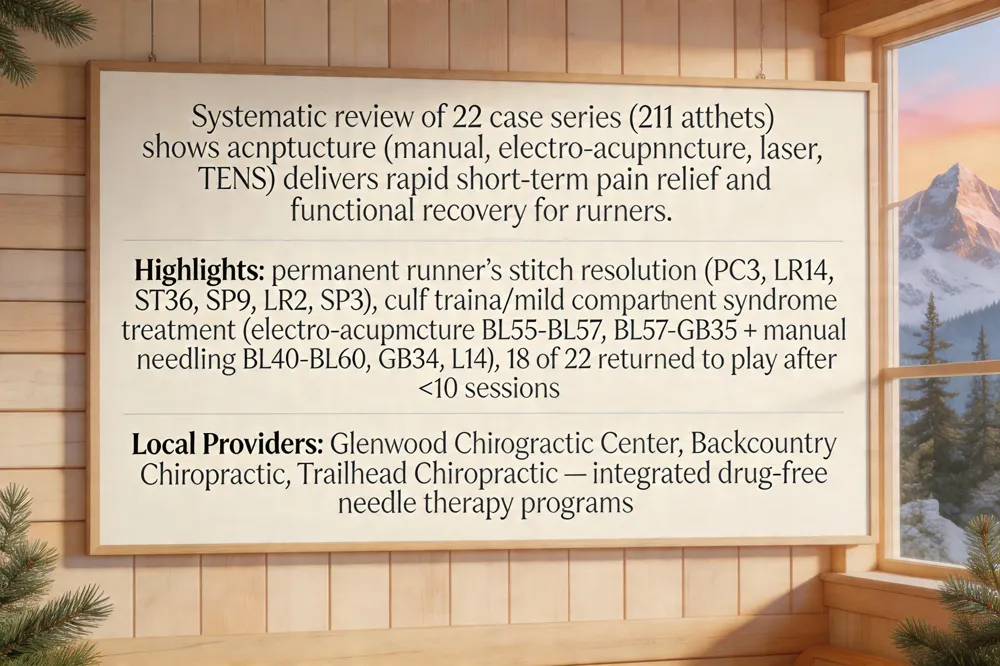 Systematic reviews of 22 case series (211 athletes) show that acupuncture—manual, electro‑acupuncture, laser or TENS at acupuncture points provides rapid short‑term pain relief and functional recovery for runners. Notable reports include complete, permanent resolution of runner’s stitch using manual needles at PC3, LR14, ST36, SP9, LR2, and SP3; successful treatment of calf strain and mild chronic compartment syndrome with a combination of electro‑acupuncture (BL55‑BL57, BL57‑GB35) and manual need (BL40‑BL60, GB34, LI4); and consistent return‑to‑play in 18 of 22 athletes with chronic exertion musculoskeletal syndromes after fewer than ten sessions. Local Glenwood Springs providers integrate these needle therapies into multimodal programs.
Chiropractor near Glenwood Springs, CO – Glenwood Chiropractic Center offers personalized chiropractic adjustments, dry needling, and acupuncture, a drug‑free approach to pain relief and mobility.
Acupuncture near Glenwood Springs, CO – Our clinic provides therapeutic acupuncture to boost circulation, reduce inflammation, and accelerate recovery for athletes, combined with chiropractic care.
Backcountry Chiropractic Glenwood Springs – This medical group practice delivers non‑invasive musculoskeletal care, including acupuncture and dry needling, for outdoor enthusiasts.
Trailhead Chiropractic Glenwood Springs – Family‑run practice offering neurologically based adjustments and advanced needle therapies to restore function for hikers and runners.
These evidence‑based options give Glenwood Springs runners a trusted, holistic path to faster recovery and sustained performance.
Integrated Multimodal Care for Overuse Injuries
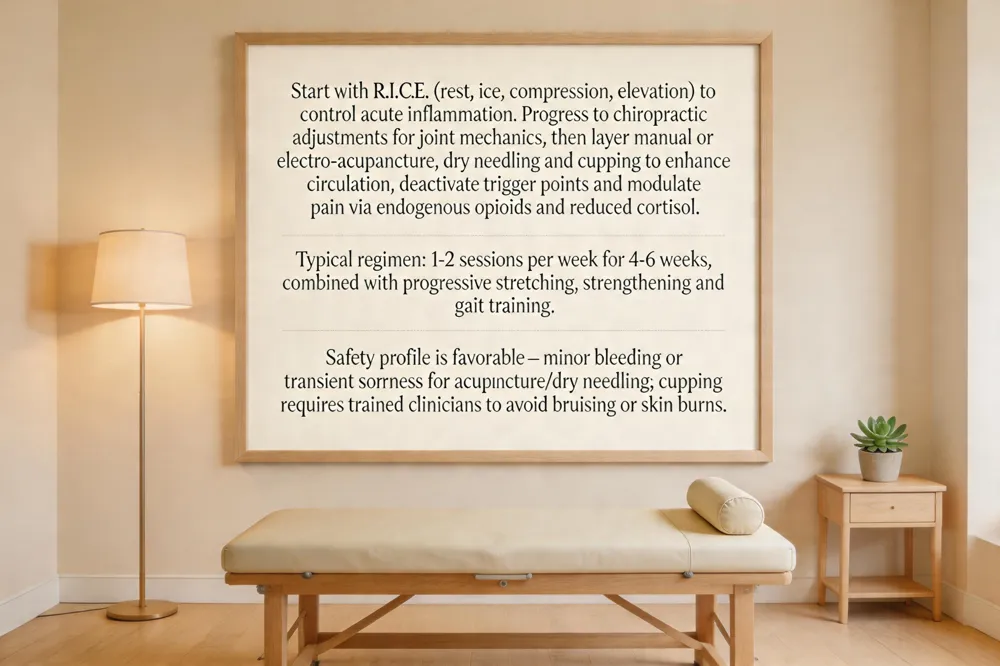 For runners with overuse injuries, the first step is the classic R.I.C.E. protocol (rest, ice, compression, elevation) to control pain and swelling. Once acute inflammation subsides, targeted chiropractic adjustments restore joint mechanics and relieve soft‑tissue tension. Complementary modalities—manual or electro‑acupuncture, dry needling, and cupping—are then layered to enhance circulation, deactivate trigger points, and modulate pain pathways through endogenous opioids and reduced cortisol. A typical regimen involves 1–2 sessions per week for 4–6 weeks, often combined with progressive stretching, strengthening, and gait training. Safety is paramount: acupuncture and dry needling have minimal adverse events (minor bleeding, transient soreness), while cupping should be performed by trained clinicians to avoid skin burns, bruising, or infection. When integrated into a patient‑centered, multimodal plan, these therapies provide a hierarchy of pain relief that prioritizes non‑pharmacologic options, accelerates functional recovery, and supports a safe return to training for athletes.
Practical Guidance for Runners Seeking Needlework Therapy
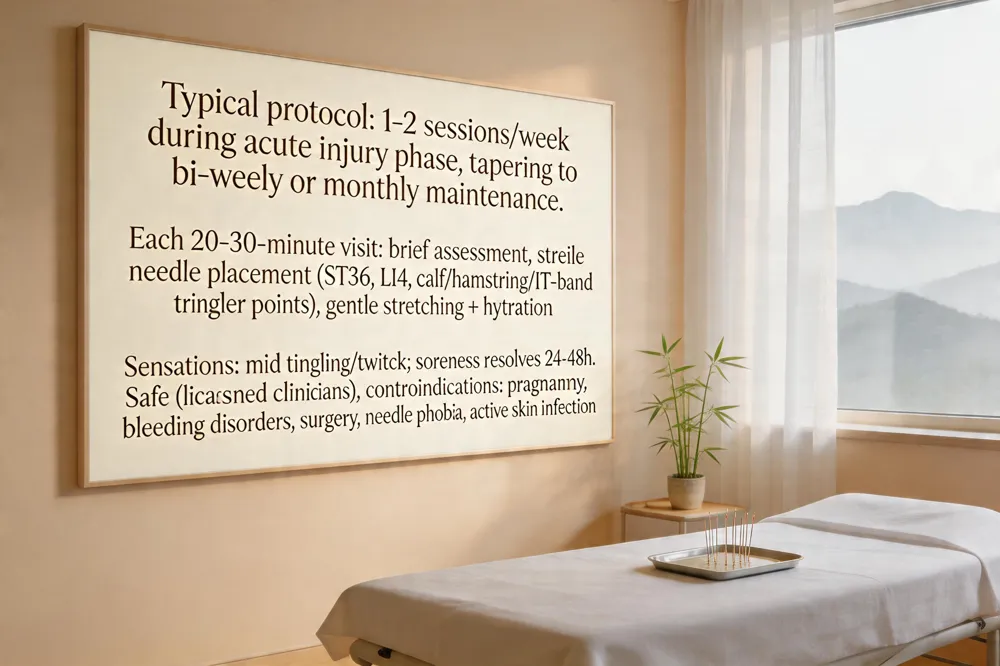 Most clinics in Glenwood Springs schedule acupuncture or dry‑needling for runners once or twice a week during the acute phase of an injury, tapering to bi‑weekly or monthly maintenance as pain subsides. A typical 20‑30‑minute session begins with a brief assessment, followed by sterile needle insertion at points such as ST36, LI4, or trigger points in the calf, hamstring, or IT‑band. You may feel a mild tingling or brief muscle twitch, but the procedure is generally painless. Afterwards, gentle stretching and hydration are advised; soreness usually resolves within 24‑48 hours. Safety is high when performed by a licensed practitioner, though contraindications include pregnancy, bleeding disorders, recent surgeries, severe needle phobia, and active infection at the insertion site.
Putting Needlework into Your Training Plan
Key take‑aways for runners: use acupuncture or dry‑needling to improve microcirculation, release myofascial trigger points, and modulate pain‑relieving neurotransmitters; schedule sessions before heavy mileage or after intense workouts to curb inflammation and DOMS. Integration with chiropractic care works best when the chiropractor performs a biomechanical assessment, then coordinates weekly acupuncture or dry‑needling focused on identified tight muscles (e.g., gastrocnemius, tibialis anterior, IT‑band). The combined approach restores joint alignment, enhances neuromuscular control, and speeds return‑to‑play. For Glenwood Springs athletes, start with a comprehensive exam at Trailhead Chiropractic, discuss a personalized 6‑10‑session protocol, and track pain‑V scores and mileage to adjust treatment frequency.