A Gentle Path to Relief in Glenwood Springs
Spinal disc problems—from bulging and herniated discs to degenerative disease—often manifest as localized back pain, sciatica, or limited mobility. The underlying issue is usually reduced disc height and nerve compression, which can be aggravated by poor posture, repetitive strain, or age‑related wear. Modern chiropractic care follows a stepped‑care philosophy: start with the least invasive, most cost‑effective interventions and progress only if needed. Non‑invasive options such as spinal decompression, targeted adjustments, therapeutic exercise, and lifestyle counseling address the root cause while preserving natural spinal anatomy. This approach minimizes exposure to anesthesia, infection, and hardware‑related complications, shortens recovery time, and often eliminates the need for costly surgery. By integrating evidence‑based traction, core strengthening, and ergonomic education, patients in Glenwood Springs can achieve lasting relief, maintain mobility, and return to daily activities within days rather than weeks or months.
Non‑Invasive Healing: Natural Strategies for Bulging Discs
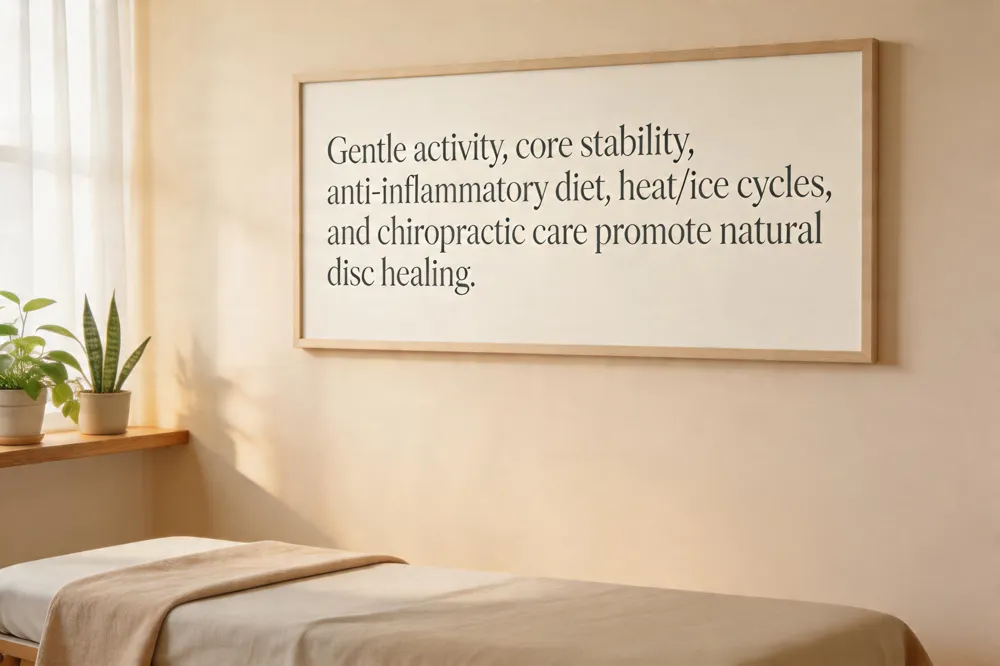 Maintaining gentle activity and core stability is the foundation of natural disc healing. Short walks, swimming, and low‑impact cardio keep blood flow to the intervertebral disc, while targeted core‑strengthening and posture‑correction exercises reduce load on the bulging segment. An anti‑inflammatory diet rich in omega‑3 fatty acids, antioxidant vegetables, and adequate hydration supports disc re‑hydration and height restoration. Heat applied for 15‑20 minutes relaxes surrounding muscles; ice applied for the same duration controls acute inflammation. Chiropractic adjustments and soft‑tissue work improve spinal alignment and facilitate the body’s innate repair mechanisms.
How to heal a bulging disc naturally – Begin with gentle activity, core stability work, heat/ice cycles, anti‑inflammatory nutrition, and regular chiropractor visits for adjustments and soft‑tissue therapy.
How to shrink a herniated disc naturally – Emphasize consistent low‑impact movement, core strengthening, anti‑inflammatory diet, hydration, posture optimization, and, when appropriate, controlled spinal decompression or traction performed by a qualified chiropractor. They also support overall health and faster return to activity.
Safety of Cervical Adjustments: Risks and Realities
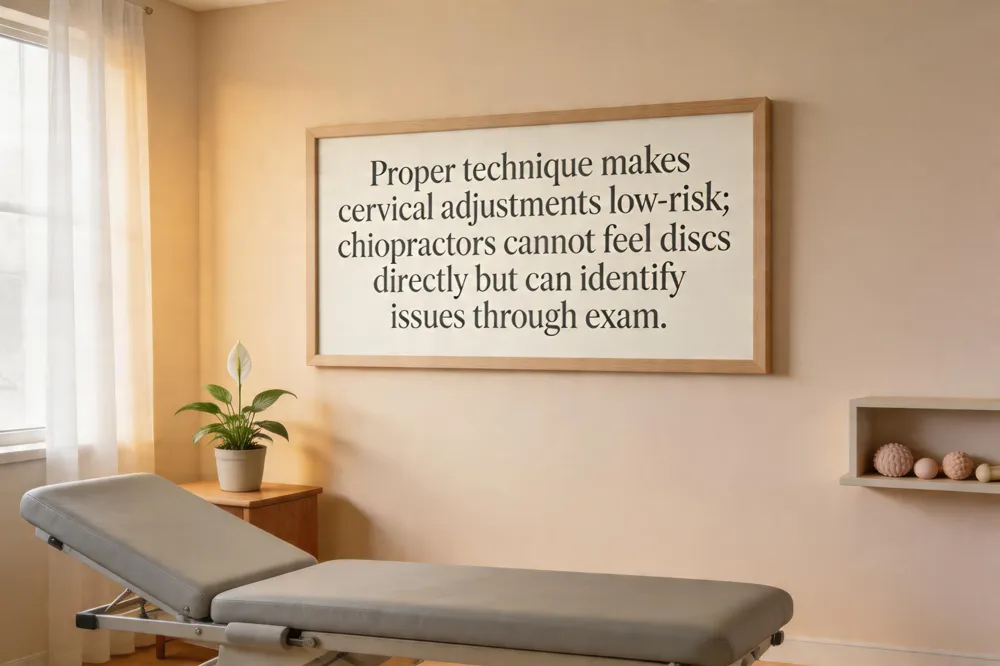 Can a chiropractor cause a herniated disc in the neck? The likelihood is extremely low when proper technique and screening are used; case reports are exceptional.
Can a chiropractor feel a herniated disc? They cannot feel the disc directly, but through palpation, motion testing, reflexes and muscle‑strength exams they can localize the problem and order imaging if needed.
Is hanging for spine decompression good? Hanging creates mild traction that can increase disc space and relieve stiffness, making it an exercise when performed correctly.
Lumbar Care: Managing L4‑L5 Herniations Without Surgery
 Chiropractor herniated disc L4‑L5: A chiropractor first confirms the L4‑L5 herniation with a physical exam and imaging if needed, then applies gentle, targeted adjustments to correct vertebral misalignment and unload the affected nerve root. Spinal decompression traction creates negative intradiscal pressure, encouraging the displaced disc material to retract and improving blood flow for natural healing. Complementary therapeutic exercises, posture training, and myofascial work strengthen supporting muscles, allowing most patients—about 80‑90 %—to achieve pain relief and restored mobility without surgery.
Treatment for herniated disc and sciatica: The plan combines targeted adjustments with a personalized rehab program that emphasizes core‑strengthening, low‑impact aerobic conditioning, and flexibility stretching. Adjunctive modalities such as deep‑tissue massage, traction, and TENS reduce inflammation and muscle spasm. Ergonomic counseling and activity modification educate patients on safe movement patterns, reserving medication or epidural steroid injections for persistent pain before considering surgery.
Non‑surgical bulging disc treatment: Focuses on reducing inflammation (NSAIDs, short‑course steroids), relieving nerve irritation (epidural steroid injections), and restoring spinal stability through core‑strengthening and balanced flexibility exercises. Chiropractic adjustments and traction‑based decompression improve joint motion and create disc space, while modalities like TENS or heat provide additional analgesia. Lifestyle changes—weight management, ergonomic adjustments, and activity education—prevent recurrence and support long‑term mobility.
Spinal Decompression: What It Is, How It Works, and Success Rates
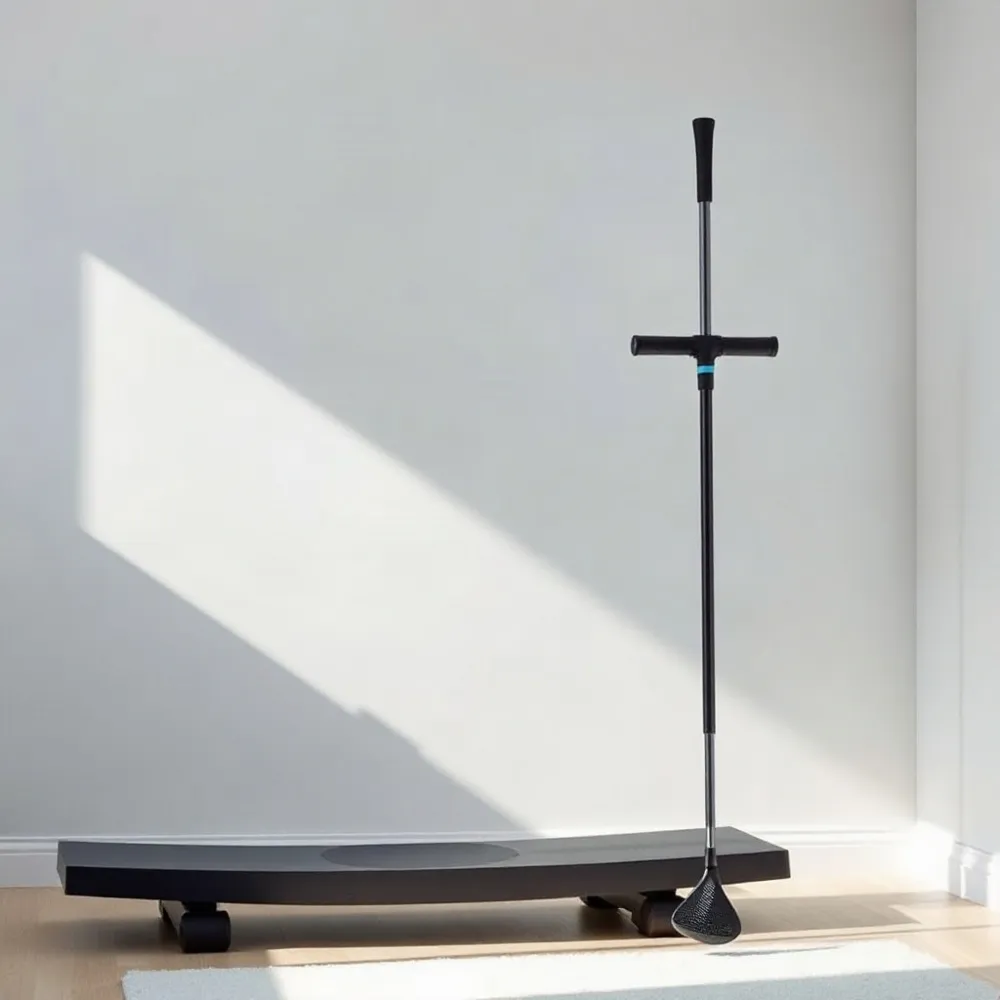
 Spinal decompression machine
A spinal decompression table uses computerized traction to gently stretch the spine, creating negative pressure that re‑hydrates discs and eases nerve compression. The patient is secured in a harness; controlled pull is applied to the lumbar or cervical region, allowing customized force, duration, and angle for each case. In a Glenwood Springs chiropractic clinic the table is often paired with adjustments and therapeutic exercises for faster healing.
Spinal decompression machine
A spinal decompression table uses computerized traction to gently stretch the spine, creating negative pressure that re‑hydrates discs and eases nerve compression. The patient is secured in a harness; controlled pull is applied to the lumbar or cervical region, allowing customized force, duration, and angle for each case. In a Glenwood Springs chiropractic clinic the table is often paired with adjustments and therapeutic exercises for faster healing.
Typical treatment course Therapy is usually delivered over 4‑6 weeks, 2‑3 sessions per week, each lasting 30‑45 minutes. Patients often notice pain reduction within days, and the effects can persist for three to six months, with maintenance sessions extending benefits up to a year.
Reported success percentages Clinical data show 60‑80 % of patients achieve meaningful pain relief and functional gain; larger series report 71‑89 % success, with some studies noting 88.9 % improvement after a six‑week protocol.
Pros and cons Pros: non‑invasive, low complication risk, preserves motion, minimal downtime, cost‑effective. Cons: requires multiple sessions, results vary by diagnosis, not suitable for severe instability, osteoporosis, fractures, or tumors.
Recovery Timelines: How Long Until You Feel Better?
 Spinal decompression and chiropractic care typically begin to relieve pain within 4‑6 weeks of consistent treatment—often 2‑3 sessions per week—as gentle traction reduces disc pressure and improves nutrient flow. For a herniated disc, most patients notice a noticeable reduction in discomfort by the end of the first month, with full functional recovery unfolding over several months when a structured program of adjustments, decompression, soft‑tissue work, and core‑strengthening exercises is followed. Bulging discs follow a similar pattern; relief often starts between 4‑8 weeks, and a 12‑16‑week regimen of adjustments, traction, and therapeutic exercises usually restores mobility within 3‑6 months. Home‑care for acute lower‑back pain includes short, frequent walks, alternating heat and cold packs, and gentle extension‑based stretches such as the McKenzie method. Maintaining a neutral spine while sitting or sleeping, using supportive pillows, and taking OTC NSAIDs as needed further support healing and reduce reliance on medication.
Avoiding Surgery: When Non‑Surgical Care Is Enough
 Spinal decompression surgery for lumbar stenosis relieves leg pain in about 80‑90 % of patients, but its long‑term durability can wane, with many reporting a return of symptoms after five years. In contrast, non‑surgical decompression and complementary therapies achieve 70‑85 % pain‑reduction rates, preserve natural motion, and carry a near‑zero infection or nerve‑injury risk.
Yes—most spine problems can be managed without an operation. Lifestyle optimization, posture education, core‑strengthening, and targeted physical‑therapy often eliminate the need for surgery. When symptoms persist, minimally invasive options such as epidural steroid injections or facet‑joint blocks provide relief without anesthesia or incisions.
Spinal decompression is not a permanent cure; its benefits depend on ongoing spinal health maintenance. Regular chiropractic care, exercise, and ergonomic habits are essential to sustain improvements and prevent recurrence.
Non‑surgical alternatives to fusion include structured physiotherapy, spinal decompression therapy, chiropractic adjustments, pain‑modulating injections, therapeutic massage, and lifestyle modifications—all aimed at restoring function while preserving spinal mobility.
Putting It All Together: A Stepped‑Care Approach in Glenwood Springs
 Spinal decompression is a therapy that gently distracts vertebrae, creating intradiscal pressure that pulls bulging material toward disc center. Typical signs that a herniated disc is healing include a noticeable drop in pain intensity, especially a shift from sharp, radiating pain to milder, intermittent soreness. Numbness, tingling, and muscle weakness in affected limb gradually fade as nerve irritation lessens. Range of motion and flexibility improve, allowing previously painful movements—bending, twisting, lifting—to become easier, and activities such as walking, chores, or desk work are performed with fewer limitations. Sleep quality improves and reliance on pain‑relief medication diminishes.
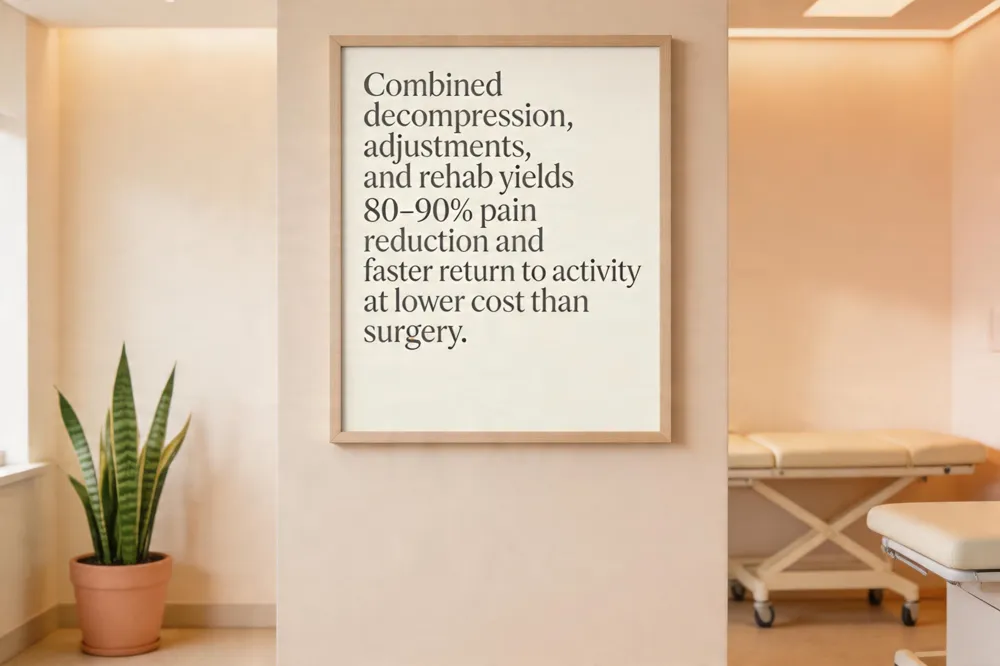
In Glenwood Springs clinics therapy is paired with chiropractic adjustments and exercises, creating program that addresses disc pathology and musculature. Because it avoids incisions, anesthesia and hospital stays, cost (≈ $1,500‑$2,500 for 6‑week course) is 40‑60 % lower than lumbar surgery and covered by insurance. Outcomes show 80‑90 % report significant pain reduction, faster return to activity, while repeat surgery remains rare.
Choosing the Right Path for Disc Pain in Glenwood Springs
Spinal decompression offers seven clear advantages for patients with disc‑related pain: (1) it is completely non‑invasive, eliminating incisions, anesthesia and infection risk; (2) recovery is immediate, allowing normal activities within days; (3) the therapy restores disc height and improves blood flow, encouraging natural healing without hardware; (4) complication rates are very low compared with surgery’s risks of nerve injury, blood clots and scar tissue; (5) treatment is cost‑effective and often covered by insurance, avoiding expensive hospital and surgeon fees; (6) patients typically reduce or discontinue pain medication, lowering side‑effect and dependence concerns; and (7) long‑term outcomes show many avoid repeat surgeries, preserving spinal anatomy and mobility. If you are considering your options, explore these conservative, evidence‑based approaches before moving to operative care. Schedule a personalized evaluation at our Glenwood Springs clinic today—our chiropractors will assess your condition, discuss the benefits of decompression, and design a tailored, holistic plan for lasting relief.