Introduction
Cold laser therapy, also called low‑level laser therapy (LLLT) or photobiomodulation, delivers low‑intensity red and near‑infrared photons to deep tissues without heating them. The light is absorbed by mitochondria, boosting ATP production, enhancing microcirculation, reducing inflammation and accelerating tissue repair. For athletes in Glenwood Springs—where hiking, mountain biking and skiing create frequent strains, sprains, tendonitis and bursitis—this non‑invasive, painless modality offers a drug‑free alternative to NSAIDs or surgery. Sessions last only a few minutes, allow immediate return to activity, and can be combined with chiropractic adjustments, manual therapy and targeted exercise. By focusing on cellular healing and pain modulation, cold laser therapy fits a holistic, patient‑centered approach to musculoskeletal care and supports faster recovery for active individuals through improved range of motion.
What Cold Laser Therapy Is and How It Works
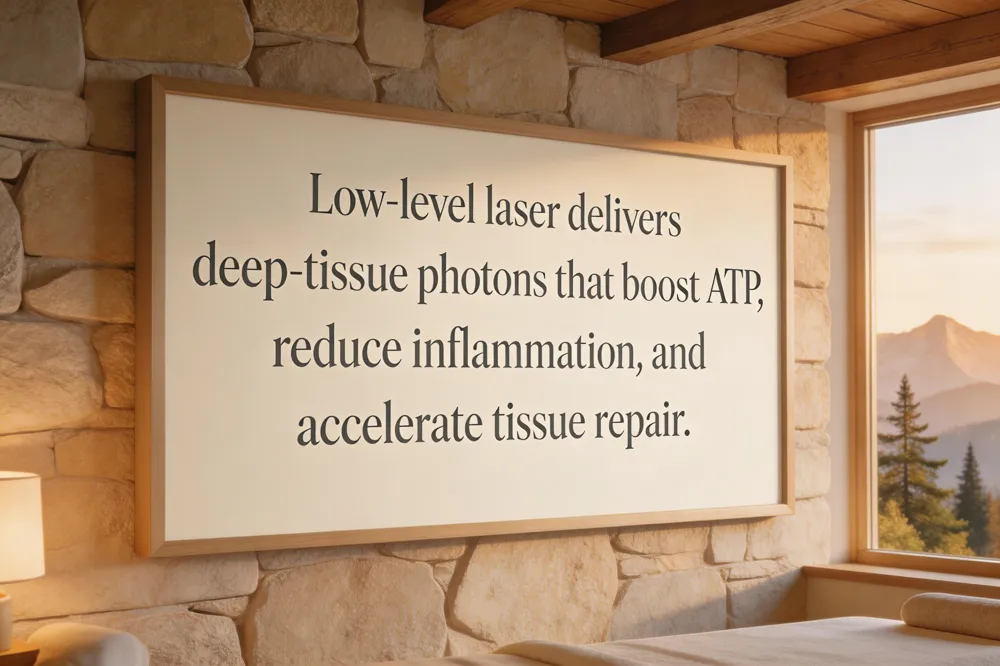 Cold laser therapy, also known as low‑level laser therapy (LLLT) or photobiomodulation, delivers low‑intensity red and near‑infrared photons to deep musculoskeletal tissue without generating heat. The photons are absorbed by mitochondrial chromophores, especially cytochrome‑c oxidase, which boosts ATP production and fuels cellular repair. Increased ATP drives fibroblast activity, collagen synthesis, and angiogenesis, while also modulating cytokine pathways to reduce prostaglandin‑mediated inflammation. Clinically, this translates into faster healing of muscle strains, ligament sprains, tendonitis, bursitis, and joint pain, and into improved nerve function and pain relief.
The U.S. Food and Drug Administration has cleared numerous LLLT devices for temporary relief of musculoskeletal pain and for promoting tissue healing, confirming a strong safety profile when used by trained professionals. Because the laser is non‑thermal, sessions are painless, require no anesthesia, and carry virtually no systemic side effects. Protective eyewear is mandatory, and contraindications are limited to active cancer, pregnancy, and direct eye exposure.
Cold laser therapy differs from red‑light therapy in both technology and depth of penetration. Cold lasers emit a coherent, focused beam at specific wavelengths (typically 600–1,000 nm) that can reach 2–5 cm into muscle, tendon, and joint tissue. Red‑light devices use non‑coherent LEDs that affect only superficial skin layers. Thus, cold lasers are preferred for deep‑tissue injuries, whereas red‑light therapy is best suited for surface skin concerns.
Home‑use devices are available, but they lack the calibrated dosing and clinical oversight of in‑clinic systems. If a patient chooses a home unit, they should follow manufacturer guidelines, wear proper eye protection, keep sessions brief (a few minutes per site), and have a chiropractor or physical therapist evaluate progress periodically. Professional supervision ensures optimal dosing, avoids misuse, and integrates the laser with other evidence‑based modalities such as manual therapy, exercise, and biomechanical correction.
Is cold laser therapy a hoax? No. It is an FDA‑cleared, evidence‑based modality that stimulates cellular metabolism and reduces pain. Its efficacy depends on proper application and the specific condition being treated.
Is cold laser therapy the same as red‑light therapy? No. Cold lasers use a coherent, deeper‑penetrating beam tuned to therapeutic wavelengths, while red‑light therapy uses broader‑spectrum LEDs that affect only superficial tissue.
Does cold laser therapy work? Research shows significant pain reduction and accelerated tissue repair in many musculoskeletal conditions, though outcomes vary with condition, dose, and individual response. Multiple sessions are typically required.
Can I use cold laser therapy at home? Yes, but home devices should complement—not replace—professional care. Proper eye protection, dosing, and periodic clinical assessment are essential for safety and effectiveness.
Safety, Side Effects, and Limitations
 Cold laser (low‑level) therapy is considered safe, yet occasional adverse reactions occur. The most common is skin redness or mild irritation at the treatment site; rare thermal burns may happen if the laser is held too long or at excess intensity. Inadequate eye protection can cause ocular injury, and a few patients experience allergic‑type skin reactions to gels or adhesives. Headaches or a temporary increase in pain have also been reported.
Two major drawbacks limit laser therapy. First, a series of multiple sessions is typically required before relief, making treatment time‑consuming and costly. Second, patient response varies widely; some achieve substantial improvement while others see little benefit, which can affect cost‑effectiveness.
In the U.S., a typical Class III cold‑laser session costs $40‑$60. Clinics often provide package discounts for 5‑10‑session bundles, bringing a standard 6‑8‑session course to roughly $240‑$480 out‑of‑pocket, depending on location and provider.
Immediately after a sports injury, avoid heat sources such as hot packs, saunas, or hot baths, because they can increase swelling and bleeding. Refrain from alcohol, high‑impact activity, and vigorous deep‑tissue massage until pain and edema subside, and follow your clinician’s guidance on safe return to training.
Cold Laser Therapy for Sports Injuries
 Acute vs. Chronic Sports Injuries
Cold laser therapy (LLLT) works for both fresh trauma—sprains, strains, ligament tears—and over‑use conditions such as tendonitis, bursitis, and stress fractures. Acute cases benefit from rapid inflammation reduction, while chronic injuries see improved collagen synthesis and tissue remodeling.
Typical Treatment Protocols & Session Frequency
A standard protocol uses 5‑20‑minute sessions, 2‑4 times per week. Most athletes notice pain relief and increased range of motion after 2‑3 visits; a full course of 6‑8 weekly sessions (≈1 month) is common, with chronic cases sometimes requiring 8‑30 sessions.
Integration with RICE & Rehabilitation
Cold laser is introduced after the initial 48‑72 hours of Rest‑Ice‑Compression‑Elevation (RICE). It then complements chiropractic adjustments, manual therapy, and guided exercise, enhancing microcirculation and accelerating tissue repair while preserving the protective benefits of RICE.
Real‑World Examples from Elite Sports Teams
Olympic and major‑league squads (e.g., NFL, MLB, NBA) routinely employ LLLT to manage muscle strains, tendonitis, and joint pain, shortening downtime and improving performance.
What are common sports‑injury examples?
Sprains, strains, ligament tears (ACL), meniscus damage, dislocations, fractures, tendonitis, bursitis, shin splints, tennis elbow, and rotator‑cuff tendinitis.
How long does it take to see results from cold laser therapy?
Most patients feel reduced pain after 2‑3 sessions; a full therapeutic effect often requires 6‑8 weekly visits, with chronic cases needing up to 30 sessions.
How can I heal sports injuries faster?
Combine RICE, adequate rest, nutrition, hydration, and a structured rehab program that includes cold laser, chiropractic care, and progressive loading to restore mobility quickly.
Evidence, Clinical Opinions, and Cost Considerations
 What does the Mayo Clinic say about cold laser therapy? The Mayo Clinic describes low‑level (cold) laser therapy as a non‑invasive option that may help relieve pain and accelerate healing of musculoskeletal injuries. It notes the treatment is generally safe when administered by properly trained professionals, but the scientific evidence is mixed; some studies show modest benefits for low‑back pain while others find limited effect. Ongoing trials aim to clarify optimal frequencies and patient selection, positioning the therapy as a promising adjunct rather than a stand‑alone cure.
Can cold laser therapy help with back pain? Yes. By delivering low‑intensity photons, it stimulates cellular metabolism, increases blood flow, and reduces inflammation, which can lessen pain and improve mobility. Patients typically undergo a series of brief (5‑30 minute) painless sessions, often alongside chiropractic adjustments, to achieve optimal relief.
What are non‑pharmacologic treatments for chronic musculoskeletal pain? Options include chiropractic adjustments, therapeutic exercise, low‑level laser therapy, massage, acupuncture, yoga, tai chi, and lifestyle interventions such as nutrition and sleep optimization. These modalities address pain without drugs and support long‑term functional improvement.
What is chronic musculoskeletal pain? Persistent pain lasting more than three months that originates from muscles, joints, tendons, ligaments, or nerves, often involving ongoing inflammation, tissue damage, or altered pain signaling and limiting movement and quality of life.
Can laser therapy help heal ligaments? Low‑level laser increases ATP, boosts fibroblast activity, enhances collagen synthesis, and reduces inflammation, accelerating ligament repair and functional recovery when integrated into a comprehensive care plan.
Practical Guidance for Glenwood Springs Athletes
 Integrating cold laser with chiropractic adjustments
Cold laser therapy (low‑level laser therapy) delivers non‑thermal photons that are absorbed by mitochondria, increasing ATP production and microcirculation. When combined with chiropractic adjustments, the laser’s photobiomodulation reduces inflammation and pain while the adjustment restores joint alignment and neuromuscular control. This multimodal approach is drug‑free, painless, and can be performed in a single 10‑15‑minute session, allowing athletes to resume training immediately.
Patient success stories from the clinic
A 28‑year‑old cross‑country skier with chronic knee tendonitis reported a 65 % reduction in pain after eight MLS laser sessions plus weekly chiropractic care, returning to competition three weeks earlier than anticipated. A 42‑year‑old weekend golfer with lumbar disc irritation experienced restored range of motion and stopped using NSAIDs after a 12‑session combined protocol. Both cases illustrate the therapy’s ability to accelerate collagen synthesis, improve nerve function, and shorten recovery time without surgery.
Future directions and research in photobiomodulation
Ongoing trials in Colorado are evaluating optimal wavelengths (800‑1000 nm) and dose schedules to maximize collagen remodeling and reduce re‑injury risk. Emerging data suggest synergistic effects when laser therapy is paired with biologic injections or movement‑based rehabilitation, positioning photobiomodulation as a cornerstone of evidence‑based, patient‑centered sports‑medicine care.
Conclusion
Cold laser therapy offers a non‑invasive, painless way to accelerate tissue repair, reduce inflammation, and relieve pain without medication or surgery. By boosting ATP production, improving microcirculation, and stimulating collagen synthesis, it shortens recovery time for muscle strains, ligament sprains, tendonitis, bursitis, and other sports‑related injuries. Athletes in Glenwood Springs benefit from faster return to activity, enhanced joint mobility, and decreased reliance on drugs. If you’re seeking a drug‑free, evidence‑based option that complements chiropractic care and physical rehabilitation, cold laser therapy is a proven choice. Call our Glenwood Springs clinic today to schedule a personalized consultation and discover how this technology can support your healing journey. Your provider will customize settings to match the injury, maximizing healing and comfort safely.