
Why Massage Matters for Recovery and Daily Mobility
Massage therapy has moved beyond its reputation as a simple luxury. Research published in PMC shows that massage can reduce delayed-onset muscle soreness, or DOMS, the stiffness and discomfort that appear 24 to 72 hours after intense exercise. This effect is rooted in physiology: mechanical pressure on soft tissues helps ease muscle tension, improve blood flow, and promote the delivery of oxygen and nutrients needed for repair. That is why a sports massage is a standard tool for athletes and active individuals looking to bounce back faster.
The recovery benefits extend beyond the muscle fibers themselves. A 2021 Harvard study found that massage helps injured muscles heal faster and stronger by reducing inflammation and encouraging the formation of new muscle fibers (source). For anyone managing back pain, mobility restrictions, or work-related tension, regular massage can complement chiropractic care and other treatments. At Glenwood Chiropractic, we combine massage therapy with evidence-based chiropractic adjustments to address both the symptoms and the underlying causes of musculoskeletal discomfort.
The Mechanisms Behind Recovery
Understanding how massage works helps explain why it is so effective. The primary mechanism is mechanotherapy: applying pressure to soft tissue triggers a cascade of cellular responses. Research indicates that this mechanical stimulation can promote faster tissue regeneration and improve muscle strength by managing inflammation (source). Additionally, massage enhances blood and lymphatic circulation, which helps flush out metabolic waste products that contribute to soreness and stiffness. These effects are why massage is often used in sports medicine and rehabilitation settings to speed recovery after training or injury.
Improved circulation. Deep tissue and sports massage techniques increase blood flow to affected areas, delivering oxygen and nutrients while removing inflammatory byproducts. This is particularly valuable for chronic conditions like lower back pain, where impaired circulation can slow healing.
Reduced muscle tension. Massage helps release trigger points and adhesions, reducing the neural signals that keep muscles contracted. This can restore normal muscle length and improve range of motion, making daily activities and athletic performance feel easier.
Inflammation control. A 2015 study in the Journal of Sports Medicine and Physical Fitness noted that massage may lower inflammation markers after exercise, contributing to quicker recovery times and less muscle stiffness.
Massage can be applied through a variety of techniques, each suited to different needs. Swedish massage uses long, flowing strokes to promote relaxation and circulation; deep tissue massage targets the deeper layers of muscle and fascia; and sports massage focuses on specific areas that are stressed during activity. At Glenwood Chiropractic, our therapists tailor each session to your condition, whether you're managing chronic pain or training for a marathon.
Pain Management and Stress Relief
Massage is also effective for pain management beyond just muscle soreness. A 2021 review from Harvard Medical School found that moderate-pressure massage can significantly reduce pain intensity in people with chronic lower back pain, neck pain, and fibromyalgia (source). The pain-relieving effects are mediated by the activation of the body's natural painkilling systems, including the release of endorphins and the stimulation of the parasympathetic nervous system, which promotes a state of calm.
For individuals dealing with obesity-related back pain, poor posture, or repetitive strain injuries, regular massage complements chiropractic care by addressing muscle tension that can pull the spine out of alignment. This holistic approach is a cornerstone of the treatment philosophy at Glenwood Chiropractic, where we focus on non-invasive, patient-centered solutions that restore function and prevent future issues.
| Benefit | Mechanism | Evidence |
|---|---|---|
| Reduced muscle soreness | Lower inflammation, improved blood flow | PMC review (2014) |
| Faster muscle healing | Reduced scarring, increased fiber formation | Harvard study (2021) |
| Pain relief (back, neck) | Endorphin release, parasympathetic activation | Harvard Health (2021) |
| Improved range of motion | Reduced muscle tension and adhesions | Sports medicine research |
Glenwood Chiropractic in Glenwood Springs, Colorado, specializes in chiropractic adjustments and therapeutic massage. Our clinic offers personalized treatment plans that combine spinal alignment with soft tissue therapy. Whether you need relief from a specific injury or want to enhance your overall mobility, our team is here to help. Visit our services page or call to schedule your appointment.
The Science Behind Massage's Recovery Benefits
 Massage is more than a simple relaxation ritual. When applied to recovering muscles, it triggers a cascade of physiological responses that can reduce soreness, improve circulation, and speed up healing. Understanding these mechanisms helps explain why professional chiropractors often recommend massage as part of a comprehensive recovery plan.
Research published in the Journal of Athletic Training shows that massage can significantly reduce delayed-onset muscle soreness (DOMS) and improve flexibility after intense exercise. The study notes that massage increases local blood flow and reduces muscle stiffness, which are essential for efficient recovery. Practically, this means less pain and a faster return to your normal routine.
How Massage Kick-Starts Circulation
Your muscles rely on a steady supply of oxygen-rich blood for repair. Massage mechanically assists the return of venous blood and lymphatic fluid, reducing post-exercise swelling and delivering nutrients to stressed tissues. Techniques like effleurage and petrissage are particularly effective for this. A study on the mechanisms of massage found that the pressure applied during massage increases muscle compliance and joint range, which in turn helps alleviate pain and stiffness.
Additionally, the mechanical pressure of massage helps break up scar tissue and adhesions that can form after injury, improving the tissue's ability to move freely and support normal movement patterns. When muscles are less restricted, everyday motions like reaching overhead or bending to tie shoes become easier and less painful.
Massage and the Nervous System: Turning Down the Pain Signal
At the nerve level, massage stimulates the parasympathetic nervous system, which promotes a state of calm. This lowers heart rate and reduces the production of stress hormones like cortisol. Reduced stress hormones translate to less muscle tension, helping to break the cycle where pain leads to tight muscles and further pain.
This calming effect also has a direct impact on the muscles themselves. Research published in the Journal of Physiology found that massage can reduce the production of inflammation in injured muscles and promote the growth of new mitochondria, the energy producers inside cells. This helps injured muscles heal faster and become stronger, which is why massage is a standard part of many sports rehab programs.
Recovery in Practice: From Sports Injury to Back Pain
The benefits of these physiological effects are not limited to elite athletes. For individuals dealing with lower back pain, sports injuries, or mobility issues, regular massage can improve joint range, reduce muscle spasms, and provide lasting pain relief. Pairing massage with chiropractic adjustments creates a comprehensive approach: while chiropractic restores misalignments in the spine and joints, massage relaxes the surrounding muscles, making the alignment more effective and longer-lasting.
Reduced Muscle Soreness. Massage reduces DOMS by lowering inflammation and improving blood flow, as shown in a study on massage and muscle soreness.
Improved Flexibility. Massage increases joint range and muscle compliance, which is essential for movement and injury prevention.
Faster Muscle Recovery. By promoting circulation and reducing stiffness, massage accelerates the body's natural healing processes, as noted in Harvard's research on muscle healing.
Physical and Psychological Benefits for Everyone
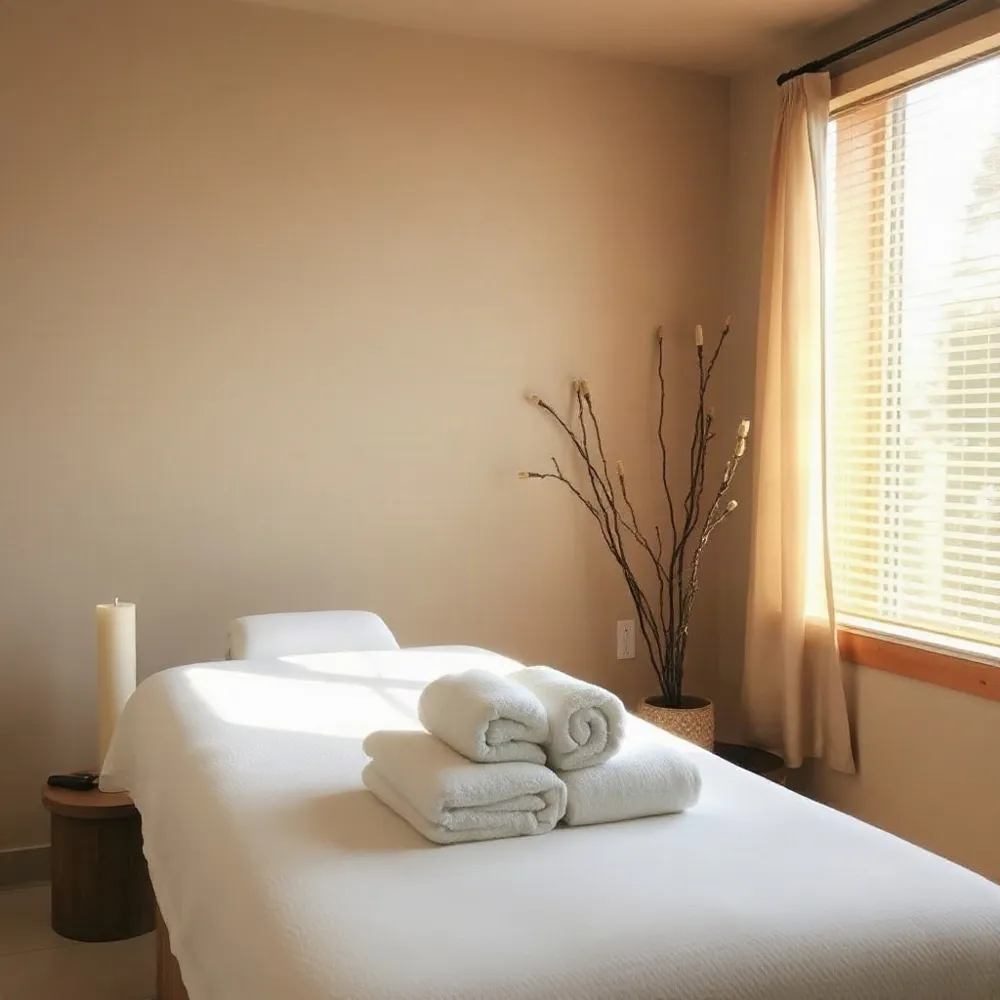 Massage does more than relax tight tissue. It actively shifts the nervous system toward a state that supports recovery, calm, and pain management. When pressure and movement stimulate mechanoreceptors in the skin and muscles, the brain responds by lowering sympathetic arousal and promoting the parasympathetic "rest and digest" response. Research published in the Harvard Gazette explains that massage helps injured muscles heal faster and stronger by reducing inflammation and supporting cellular repair. At Great Lakes Chiropractic and Massage, we see these effects in real patients every day, applying targeted techniques to help you move with less pain and more confidence.
One of the clearest measurable outcomes is a drop in cortisol, the primary stress hormone, alongside an increase in serotonin and dopamine. A 2004 meta-analysis in the Journal of Psychiatric Practice found that a single session of Swedish massage reduced cortisol by 31% on average (per a 2010 NIH review, while also boosting the "feel-good" neurotransmitters that elevate mood. These shifts explain why a 45-minute table session at our clinic frequently leaves patients not only physically looser but mentally clearer and more grounded.
How Mechanotherapy Promotes Faster Recovery
Recovery is not just about feeling less sore. It's a physiological process that massage accelerates through several mechanisms. Improved circulation delivers oxygen and nutrients to muscle fibers, while the mechanical stimulation of tissue, called mechanotherapy, signals cells to reduce inflammation and rebuild structural integrity. A 2014 research review in the Journal of Sports Medicine and Physical Fitness noted that massage applied within two hours of exercise significantly reduced muscle soreness at 48 and 72 hours post-exercise, compared to no treatment. For a weekend Warrior in Glenwood Springs, that means shorter layoffs and more consistent training.
Mechanotransduction. The process by which massage's manual pressure converts into cellular signals, prompting self-repair in damaged tissues. This underpins why even light or moderate pressure can trigger meaningful recovery.
Parasympathetic activation. The "rest and digest" branch of the nervous system that massage engages, lowering heart rate and blood pressure while redirecting energy toward tissue repair and immune function.
Mechanotherapy dosage. The concept that massage frequency and duration matter. Consistent sessions, such as two to three per week for acute issues, produce sustained benefits beyond a single treatment.
Choosing the right provider is the difference between relaxation and lasting recovery. We combine evidence-based chiropractic adjustments with therapeutic massage for better circulation and injury recovery to address both the symptom and its cause. Unlike a standalone spa treatment that may only provide temporary relief, our approach integrates mechanotherapy with rehabilitation exercises, helping you build stability and prevent re-injury. That's the kind of comprehensive care that sets glenwoodchiro.com apart in the Roaring Fork Valley.
Exploring Different Massage Techniques
Sports massage uses targeted manual techniques that go beyond simple relaxation, helping muscles reset after intense physical activity. Each stroke works on a specific layer of tissue, and knowing what happens under the therapist's hands can help you understand why recovery feels so much faster after a session. Rather than treating it as an afterthought, many athletes now treat this type of massage as a core part of their weekly training routine.
Effleurage. This long, gliding stroke starts and ends most sessions. It warms up the tissue, increases blood flow toward the heart, and helps the therapist assess areas of tension. Effleurage is especially effective at the start because it prepares deeper structures for more intense work.
Petrissage. Kneading, lifting, and squeezing fall under petrissage. These movements target the deeper muscle layers, helping to stretch shortened tissue and break up adhesions. This is where much of the 'working out the knot' sensation comes from, and it directly supports the kind of recovery you feel in the days following a hard session.
Friction. Friction uses small, deep circular movements applied to a specific spot, often around a tendon or scar tissue area. It generates local heat and can help realign collagen fibers. Over time, this technique is linked to improved tissue mobility and reduced stiffness around old injuries.
Tapotement. A rhythmic percussion stroke, tapotement involves chopping or hacking movements that stimulate the muscle and nervous system. While it is less common in a purely recovery-focused session, it is often used to wake up underactive muscles and improve local circulation.
Stretching. Many sports massage routines finish with assisted stretching. This can be passive, where the therapist moves your limb, or active, where you contract and relax against resistance. Stretching after other techniques helps lock in the new range of motion created during the massage.
A 2020 systematic review in BMJ Open Sport & Exercise Medicine looked at the effect of sports massage on performance and recovery. It found that while the immediate performance boost may be small, massage can help reduce muscle soreness and speed up the return of strength after exercise. For athletes who train several times a week, that consistent reduction in delayed-onset muscle soreness makes it easier to stay on schedule. You can read the full review here.
Understanding these techniques helps explain why massage works beyond just feeling good. By manipulating soft tissue, massage stimulates circulation and promotes lymphatic drainage, which supports the delivery of oxygen and nutrients to recovering muscles. This is the same reason a well-executed glenwoodchiro.com sports massage session focuses on warming up the tissue first, then breaking up adhesions, and finishing with relaxation strokes to avoid post-massage soreness.
But the science extends further. Research from Harvard University, published in 2021, showed that massage can help injured muscles heal faster and stronger by reducing inflammation and promoting the growth of new muscle fibers. The study, which involved 17 men, found that massage after strenuous exercise reduced tissue stiffness and increased muscle fiber regrowth. That kind of evidence-based result is why chiropractors and massage therapists in Glenwood Springs, Colorado, now incorporate sports massage into standard recovery protocols for patients dealing with back pain or lower-body injuries. You can read the full study here.
One important consideration is the difference between a deep-tissue sports massage and the lighter Swedish-style massage. While Swedish massage focuses on relaxation and superficial blood flow, sports massage uses deeper pressure and specific techniques aimed at problem areas like the hamstrings, glutes, and lower back. That distinction matters for recovery, because a generalized massage may not address the specific tissue quality issues that are holding back your performance or causing daily discomfort.
It is also worth noting that massage does not always need to be intense to be effective. A 2014 review of the physiological effects of massage highlights that even a lighter pressure can positively influence muscle function and recovery. The key variable is consistency: one session helps in the short term, but regular massage throughout a training cycle produces the most reliable improvements in range of motion and pain reduction.
At Glenwood Chiropractic in Glenwood Springs, Colorado, you will find a practice that uses massage therapy alongside other non-invasive treatments like spinal adjustments and active rehabilitation. Each session begins with a movement screen to identify which technique will be most useful for your particular history. Whether you are dealing with post-race tightness or everyday back strain, the goal is always to restore normal function and teach you how to maintain it between visits.
Massage therapy is not a passive treatment; it is an active partnership between you and your therapist. Knowing the language of massage, from effleurage to petrissage, allows you to communicate more clearly about pressure and desired outcomes. When you combine that knowledge with a clinician who understands how massage fits into your broader recovery plan, you give your body the best chance to heal quickly and stay resilient.
| Technique | Main Action | Recovery Benefit |
|---|---|---|
| Effleurage | Long gliding strokes | Warms tissue, boosts blood flow |
| Petrissage | Kneading and lifting | Breaks adhesions, stretches tissue |
| Friction | Deep circular pressure | Aligns collagen, restores mobility |
| Tapotement | Rhythmic percussion | Stimulates muscles and nerves |
| Stretching | Assisted movement | Locks in new range of motion |
Sports Massage vs. Deep Tissue and Practical Recovery Advice
 Massage is commonly associated with relaxation, but its value for daily mobility and long-term recovery goes much deeper. For people dealing with back pain, sports injuries, or general stiffness, targeted massage therapy helps reduce muscle tension, improve blood flow, and restore a wider range of motion. Research shows that massage accelerates healing of injured muscles and supports recovery after physical activity, making it a practical addition to any recovery routine.
At Glenwood Chiropractic, our approach integrates chiropractic adjustments with massage therapy to address both alignment and soft tissue health. While chiropractic care focuses on spinal alignment and joint function, massage works on the surrounding muscles to relieve spasms and reduce nerve compression. Together, they provide a more complete strategy for pain relief and improved stability, whether you are an athlete or simply want to move comfortably through your day.
Massage for Better Circulation and Faster Recovery
One of the most immediate effects of massage is enhanced circulation. As massage strokes move blood toward the heart, they help flush out metabolic waste and deliver fresh oxygen and nutrients to muscles that need repair. According to Harvard research, massage may help injured muscles heal faster and stronger by reducing inflammation and promoting the formation of new muscle fibers. This makes regular massage an effective tool for speeding up recovery after intense workouts or injury.
Improved circulation also contributes to more stable joints and reduced stiffness. When muscles are relaxed and well-nourished, they are less likely to pull on the spine or surrounding joints, which can lead to pain and limited movement. A 2024 Henry Ford Health article notes that sports massage can help athletes by improving blood flow and reducing muscle tension, leading to better performance and fewer injuries. Pairing this with chiropractic care ensures that the entire musculoskeletal system works in sync.
| Massage Benefit | How It Works | Why It Matters for Recovery |
|---|---|---|
| Reduces muscle tension | Relaxes tight muscles and breaks down adhesions | Eases pain and increases range of motion |
| Improves circulation | Increases blood flow and lymphatic drainage | Delivers oxygen and nutrients to healing tissues |
| Lowers inflammation | Stimulates the body's natural repair mechanisms | Speeds up recovery and reduces soreness |
| Promotes relaxation | Calms the nervous system and reduces stress | Enhances overall well-being and sleep quality |
Integrating Massage Into a Holistic Recovery Plan
Getting the most out of massage therapy starts with choosing the right technique for your specific complaint. Whether you are dealing with acute muscle tightness, chronic back pain, or slow recovery after a workout, the research points to a few standout approaches. Different methods target different layers of tissue and trigger different physiological responses, so understanding the options helps you match the treatment to the problem.
One of the most evidence-backed techniques is sports massage, which applies deeper pressure and stretching to muscles that have been stressed by exercise. A 2020 review in BMJ Open Sport & Exercise Medicine found that sports massage can improve flexibility, reduce delayed-onset muscle soreness, and support faster return to training after intense activity. Another major benefit is its effect on circulation: by enhancing blood flow, massage helps deliver oxygen and nutrients to recovering tissues while flushing out metabolic waste, which is why it is a staple in athletic recovery programs. For everyday mobility, improved circulation also translates into less stiffness and greater ease of movement during daily tasks.
The physiological mechanisms extend beyond simple relaxation. Research published in the journal Medicine & Science in Sports & Exercise (via PubMed) describes how massage stimulates mechanoreceptors, reduces neuromuscular excitability, and lowers cortisol levels while boosting serotonin and dopamine. These changes help manage muscle pain, break down adhesions and scar tissue, and support the body's natural repair processes. This is why chiropractic patients at glenwoodchiro.com often pair adjustments with massage: the chiropractor restores joint alignment while massage therapy relaxes the surrounding muscles, improving overall stability and making each treatment more effective. Explore how massage therapy for better circulation and injury recovery supports this approach.
Comparing the Most Common Techniques
While many styles exist, three dominate clinical practice: deep tissue massage, sports massage, and trigger point therapy. Each targets a different tissue layer, and each has its own evidence base. The table below summarizes their primary uses and effects, followed by a detailed comparison.
| Technique | Primary Focus | Key Benefits | Best For |
|---|---|---|---|
| Deep Tissue | Deep muscle layers | Reduces chronic tension and adhesions | Chronic back and neck pain |
| Sports Massage | Muscles stressed by exercise | Speeds recovery and prevents injury | Athletes and active individuals |
| Trigger Point Therapy | Hyperirritable muscle knots | Relieves referred pain and spasms | Localized tight spots and radiating pain |
Deep tissue massage applies slow, sustained pressure to realign deeper layers of muscle and fascia. It is often recommended for stubborn tension that does not respond to lighter techniques. Sports massage, on the other hand, combines deep strokes with stretching and is specifically designed around athletic demands. Trigger point therapy works by applying focused pressure to specific knots that cause pain elsewhere in the body, offering relief for conditions like tension headaches and shoulder pain.
Effectiveness. Sports massage has the strongest research support for recovery and performance, while deep tissue and trigger point therapies are better documented for chronic pain relief. A 2021 Harvard review noted that massage after muscle injury promotes faster healing.
Cost. At glenwoodchiro.com, deep tissue and sports massage are offered at standard in-network rates, with packages that make regular sessions more affordable than comparable chiropractic chains. Some competitors charge premium rates for the same depth of work.
Myofascial Release and Its Unique Role
Another increasingly popular approach is myofascial release, which targets the fascia, the connective tissue that surrounds every muscle. This technique uses sustained, low-pressure stretching to release restrictions in the fascia, improving mobility and reducing pain. Research indicates that myofascial release can be particularly effective for conditions like plantar fasciitis and fibromyalgia. It is a gentle yet powerful complement to chiropractic care, and many patients at glenwoodchiro.com combine it with adjustments to enhance overall range of motion.
How to Choose and What to Expect
Start by identifying your primary goal. If your issue is exercise-related recovery, sports massage is likely the best fit. If you are dealing with chronic pain or restricted mobility, deep tissue or myofascial release may be more appropriate. Most massage therapists will recommend a combination based on your history. A typical session lasts 30 to 60 minutes, with the therapist checking in on pressure to ensure you stay within your comfort zone. Do not hesitate to communicate areas of tightness or pain.
At glenwoodchiro.com, the care team performs a thorough assessment before any treatment, including a review of your medical history and a movement analysis. This allows them to customize the massage technique to your needs, whether that means integrating sports massage into an athletic recovery plan or using myofascial release to address persistent stiffness. Learn more about the 9 surprising benefits of massage therapy and how they apply to your recovery.
Practical Considerations and Safety
While massage is generally safe for most people, certain conditions warrant caution. Pregnant women should seek prenatal massage specifically, and individuals with deep vein thrombosis, severe osteoporosis, or certain heart conditions should consult a physician first. Always inform your therapist about any recent injuries or surgeries. A 2021 Harvard study confirmed that massage promotes faster healing of injured muscles, so this is a safe and effective complement to chiropractic care.
| Consideration | Why It Matters | What to Do |
|---|---|---|
| Medical history | Certain conditions are contraindicated | Disclose all conditions and medications |
| Pressure level | Too much can cause injury | Communicate comfort throughout the session |
| Hydration | Flushes out toxins released by massage | Drink water before and after |
| Recovery time | Overwork can lead to soreness | Rest and allow muscles to heal |